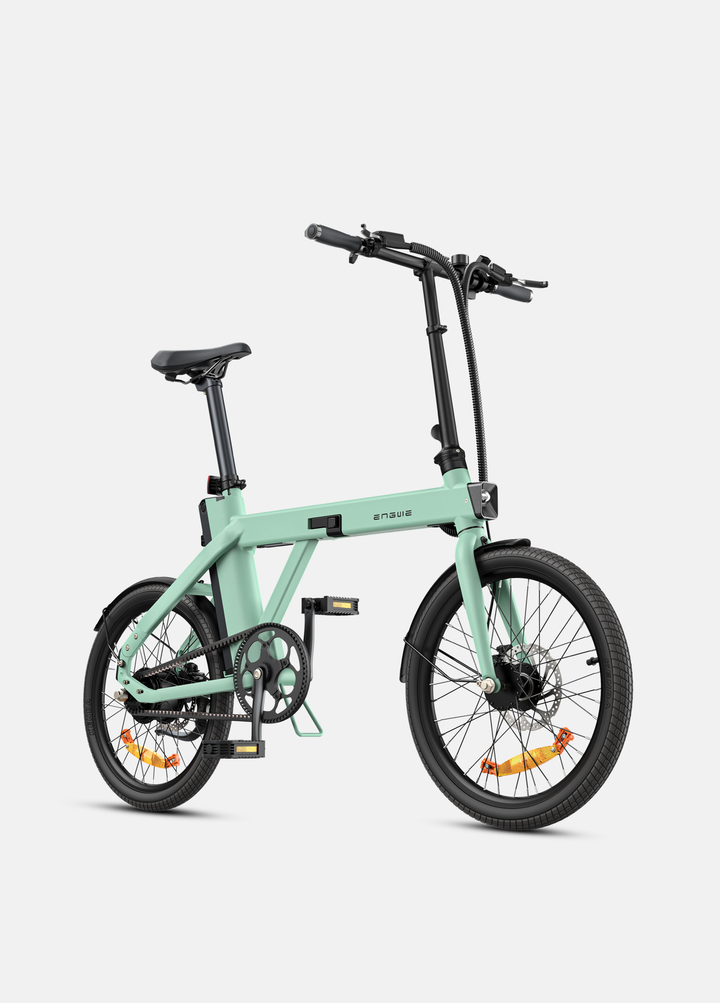
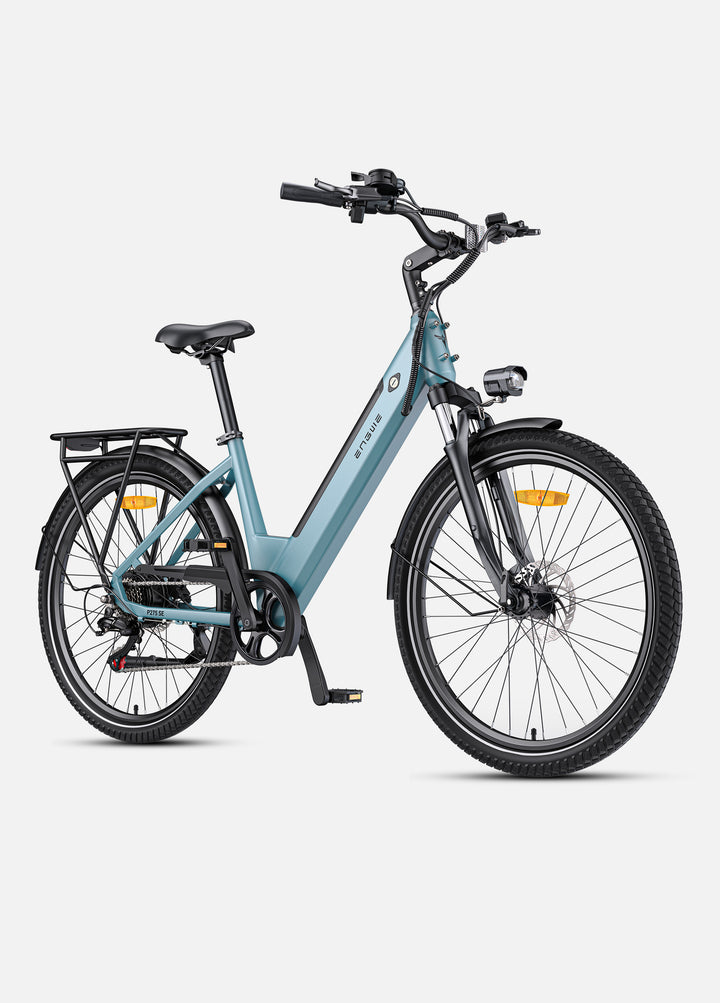
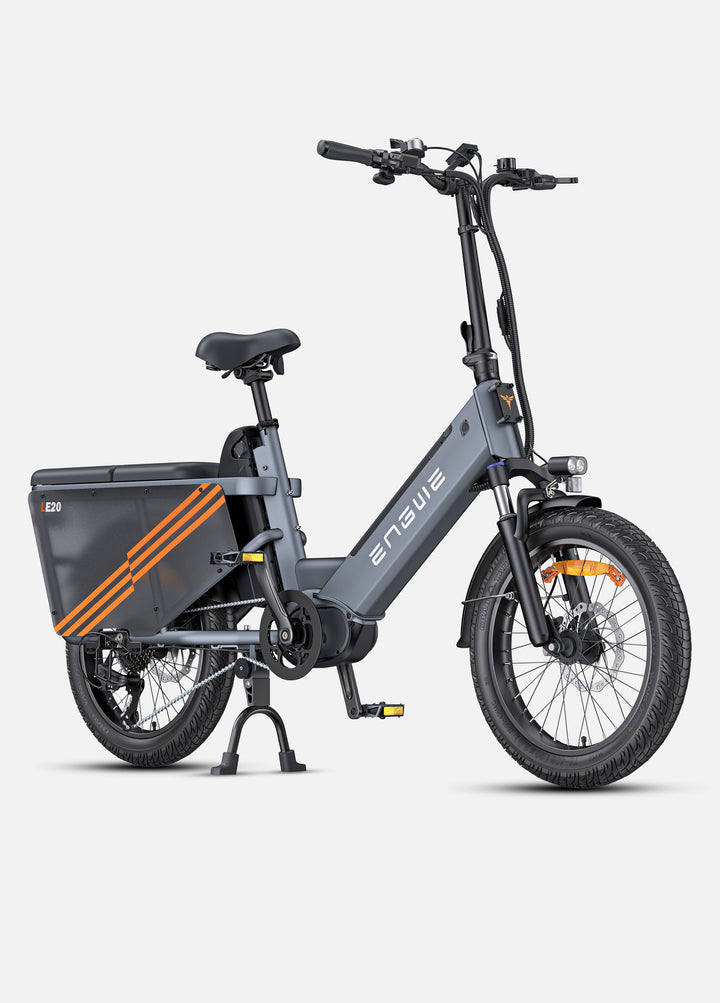
A Class 3 electric bike is targeted at riders who would like to have a faster pedal assist and efficient commuting. These models have better speeds that help up to 28 mph as compared to other e-bikes with lower speeds which make them more useful in long distance rides and commuting. Regulations are however more strict with faster speeds as well.
Understanding Class 3 electric bike laws are common knowledge before riding on any of the shared-use paths, roads, or plastic roads. This guide describes what an electric bike with Class 3 class is, its differences in other e-bike classes, and state-by-state variations in rules.

What Is a Class 3 Electric Bike?
A lot of riders themselves will question what is a Class 3 ebike or what is a Class 3 electric bike. Class 3 electric bikes consist of pure pedal-assisted e-bikes which are assisted to a maximum of 28 mph. They are bikes that do not have a throttle and may have to have a speedometer. In comparison to the electric bike Class 1 2 3, Class 3 models are more efficient and speedy, so they are more regulated in several states.

Class 1, 2, and 3 Electric Bikes Explained
Most of the U.S. states use this electric bike Class 1 2 3 system in controlling the location and legalities of riding the various e-bikes on the roads or streets.
|
E-Bike Class |
Motor Assistance Type |
Maximum Assisted Speed |
|
Class 1 |
Pedal assist only |
Up to 20 mph |
|
Class 2 |
Throttle-assisted |
Up to 20 mph |
|
Class 3 |
Pedal assist only |
Up to 28 mph |

Where Can You Ride a Class 3 Electric Bike?
The Class 3 electric bike is authorized to ride on the public roads and on the special bike lanes on the street in most states, where more assisted speed should be expected. Sidewalks and other communal roads are limited in access.
That is critical when it comes to those riders who will be riding a Class 3 electric mountain bike or a Class 3 electric dirt bike since off-road access usually falls under other land-use and trail management rules.
Commonly Allowed Areas
-
Bicycle-friendly speed-limited public roads.
-
Bike lanes in the streets intended to accommodate traffic with greater speed.
-
Bicycles allowed shoulders on the roads.
-
Commuting interaction at the urban route.
Common Restrictions
-
Most municipalities and cities have sidewalks.
-
Shared recreational routes unless authorised.
-
Multi-use trails which are pedestrian heavy.
-
Parks or land agencies controlled natural surface trails

Class 3 Electric Bike Laws by State
Class 3 electric bike laws are permitted on roads and on street bike lanes across the US, but most have restrictions on access to shared-use paths and recreational trails. There can also be helmet regulations, age restriction and signage. Local jurisdictions usually introduce some supplementary limitations, and it is necessary to make sure that city and county rules are reviewed by a rider.
Class 3 Electric Bike Laws in Europe (Speed Pedelecs)
In Europe, the speed Pedelec is the equivalent of a Class 3 electric bike. These bikes offer a maximum pedal support of 45 km/h (28 mph) making them not considered a typical e-bike within the EU category restricted to 25 km/h. Due to the greater assisted speed, the regulations of the Speed Pedelecs are stricter compared to those of the regular electric bicycles, and depending on the country they differ.
Italy
Speed Pedelecs in Italy are considered motorized,and not a bicycle. The riders will usually need to get the bike registered, insured and use an approved helmet. These bicycles cannot be used on cycle paths and usually have to ride on the public roads as it would be with mopeds, with rules that regulate them.
Germany
Speed Pedelecs are not considered bicycles in Germany, cannot be registered as such, must be insured and have a license plate. Wearing a helmet is compulsory and the usage of bike paths is most of the time banned unless there is something stated to the contrary. The riders usually have to use roads.
France
Speed Pedelecs are not considered as a standard e-bike in France and are treated as a motorized vehicle. In order to be used, registration, insurance and helmet use are required. These bikes are generally not allowed in cycling paths only to ride in the public roads.
Class 3 Electric Bike Laws in California
Class 3 electric bike laws California that must be adhered to by the riders. These bikes have a max assist speed of 28mph with no throttles. The use of a helmet is also usually mandatory and access to shared use paths is frequently limited unless explicitly allowed; this serves to reduce the number of conflicts on high-use cyclists' infrastructure.

Class 3 Electric Bike Laws in Florida
The Class 3 electric bike laws Florida riders are usually lenient compared to most other states. Such e-bikes typically can be used on common roads and bike paths, and available on multi-use paths can differ depending on local standards.
The age of helmet requirements usually depends on the age and the ordinances of the city might be that way so the riders must always get to know about the rules of the town before riding.

Class 3 Electric Bike Examples
The examples below depict ways in which the designs of electric bike Class 3 , are marketed. Predominantly, ensure that settings in the manufacturers, and the local compliance have been obtained prior to riding.
Specialized Turbo Series
Frequently cited as the best Class 3 electric bike among those who commute to work in particular urban areas, speed-oriented pedal assist and road-oriented design are described by this category of an e-bike. Such bicycles prove that the Class 3 electric bike laws can be applicable and a performance commuter fits in the efficiency and handling within the paved infrastructure.

Trek Allant+
This combination depicts the way the electric bike Class 3 models will accommodate more commutes and nonstop high-speed support. It assists riders to learn the distinctions of the electric bike Class 1 2 3 of the system of the electric bikes and the reasons why the Class 3 ones are to be controlled more closely.

ENGWE M1
ENGWE M1 is an electric bike in the shape of a motorcycle, combining aggressive aesthetics with the level of legality of a commuter. Its 250W motor has 65 Nm of torque and has a pedal assist with a speed sensor. Any rider comparing best Class 3 fat tire electric bike models or researching Class 3 electric dirt bike appearance must ensure that such local acceptance is checked.


Aventon Level.2
They are often mentioned when examining the Class 1 2 3 electric bikes, and this style offers seemingly available performance. This category is frequently met by riders looking into speed-oriented commuting further learning about what a Class 3 electric bike really is.

Ride1Up LMT’D
This design demonstrates how light frames may be used in spite ofClass 3 electric bike laws. It is also mentioned in comparison with the best Class 3 folding electric bike category, but folding capabilities vary according to specifications.

Safety and Compliance Tips
-
Wear a helmet all the time and not only during the times when it is not obligatory by local laws.
-
Do not ride on restricted paths which access to which is not obviously allowed.
-
Have the front and rear lights and reflectors to be more visible.
-
This is to comply with the signs and rules of the roads and other bicycle-related rules in the neighborhood.
-
Ride safely and secure since faster e-bikes possess superior degrees of conscious presence and handling.
Conclusion
Class 3 electric bike is fast and efficient in pedal assistance, but also have stringent rules, compared to other classes of e-bikes. State laws vary, especially where certain states such as California and Florida have some local laws on the matter, thus the need to have the local demands. Riders may benefit on performance by obeying the law, utilizing legal equipment, and being safe and certain on the road..
Frequently Asked Questions
What is a Class 3 electric bike?
Class 3 electric bike: This is the road commuting pedal-assist e-bike with a maximum speed of 28 mph, no throttle is used, and the bike does not have a throttle.
Is it legal to use Class 3 electric bikes everywhere?
No. Class 3 Electric bikes laws differ by both state and locality, as they enforce varied rules regarding bike lanes, shared paths, helmet type, and the age of the rider.
Can class 3 electric bikes be used on the trails?
Typically, Class 3 e-bikes have no right to shared-use and recreational trails unless it is marked out by local features or laws.
Is a dirt bike with a class 3 electric the type that is street legal?
The dirt bike is a Class 3 electric bike and becomes street legal when it presents the requirements of the e-bike classification and is provided with the regulations of the local road and equipment.