If one understands Class 1-3 e bikes, then they will easily select the e-bike depending on his/her speed, the use of throttle, and the accessibility of the ride. Three classes of e-bikes are usually adopted in America, but regulations in Europe and other areas are quite different.
Apart from that, the choice should depend on the battery mileage, the motor’s response, the braking system, comfort, and even the type of terrain the rider will be riding through.
Having knowledge of Class 1-3 e-bikes, one can select the e-bike depending on its speed, use of the throttle, and availability of the bike. In America, usually there are three types of e-bikes that are used, and the rest of the e-bikes in Europe and other places are totally different.
Apart from that, the selection of the e-bike should be made considering the mileage of the battery, motor behavior, brakes, comfort, and terrain.

Understanding E Bike Class 1 2 3
E Bikes Class 1 2 3 classify e-bikes depending on the mode of operation of the motors used in the process of providing support for the riders and the maximum speed of the motorized bike. E-bike classes will help the rider to know how their specific electric bike models are going to be classified.
- Class 1 e bikes provide pedal support only, while motor support is available only up to 20 mph. Class 1 bikes use no throttle for motorized cycling.
- Class 2 e bikes provide throttle support only, up to 20 mph. In some cases, Class 2 e-bikes may also have pedal support.
- Class 3 ebikes provide pedal support up to 28 mph. The rules regarding throttles, accessibility, helmets, and the age of riders vary from state to state.
In the comparison of e bikes Class 1 2 3, it should be noted that the laws of the land will dictate the place where you can ride your bike. The electric bicycle classes in one country could be totally different from those of another.

ENGWE E-Bikes Worth Comparing
Models below illustrate how the design, range, suspension, weight, and commuter qualities of the motors may affect your decision-making process beyond simply classes of ebikes.
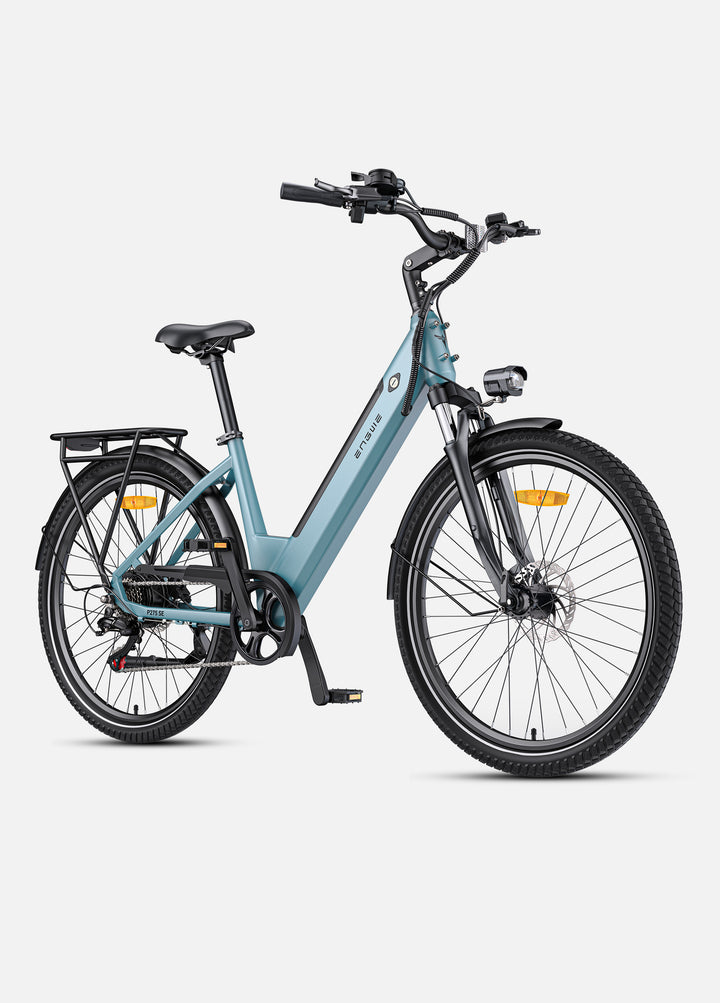
ENGWE P275 SE
ENGWE P275 SE is a city-based ENGWE ebike whose main features include efficient and sensitive assistance. The motor is 250W and combines well with a torque sensor, which responds efficiently to pedal efforts.
The e-bike comes with a battery of 36V 13Ah, which can take a rider up to 100km on a single charge. Hydraulic disc brakes offer controlled stopping, and water resistance of IP54 ensures their suitability for commuting purposes.


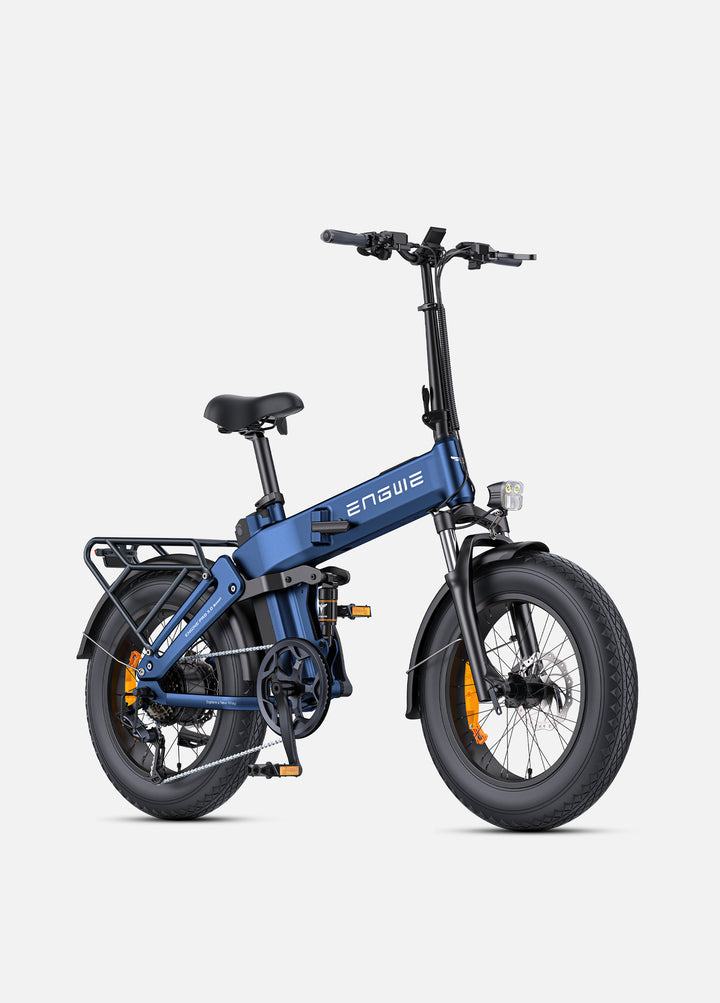
ENGWE Engine Pro 3.0 Boost
The ENGWE ENGINE Pro 3.0 Boost has both full suspension and an EU-approved 250W motor with a maximum of 90Nm of boost torque. It comes with a removable Samsung battery that promises up to 130 km of range with fast 2-hour charging for reduced downtime.
Features such as smart anti-theft and OTA updates make it a connected product. The new suspension linkage ensures smooth movement on this ENGWE electric bike.


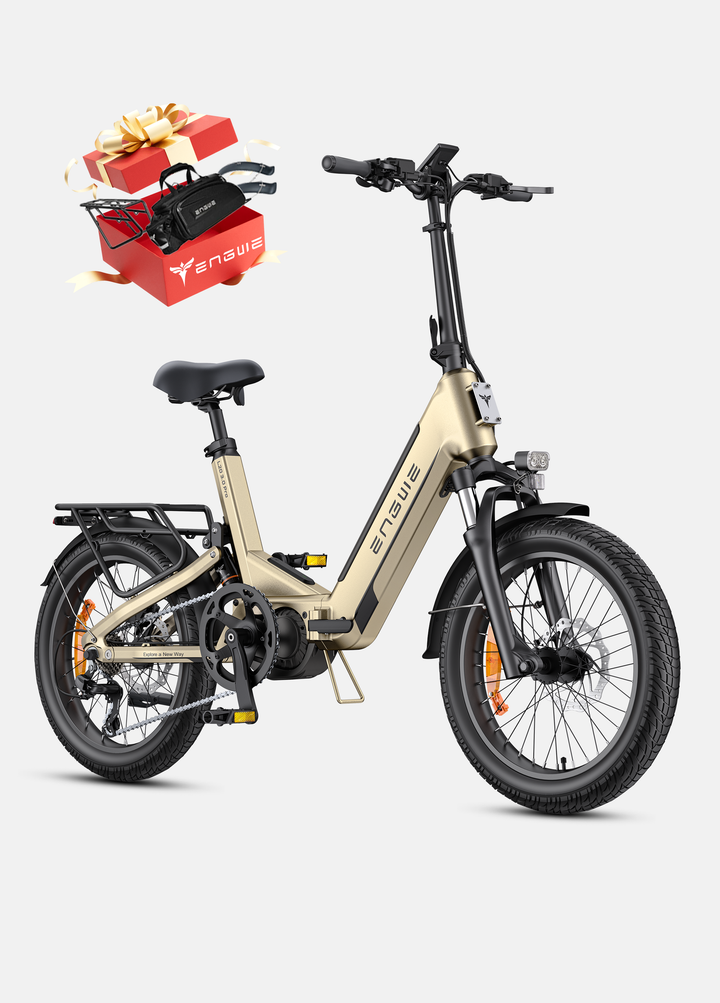
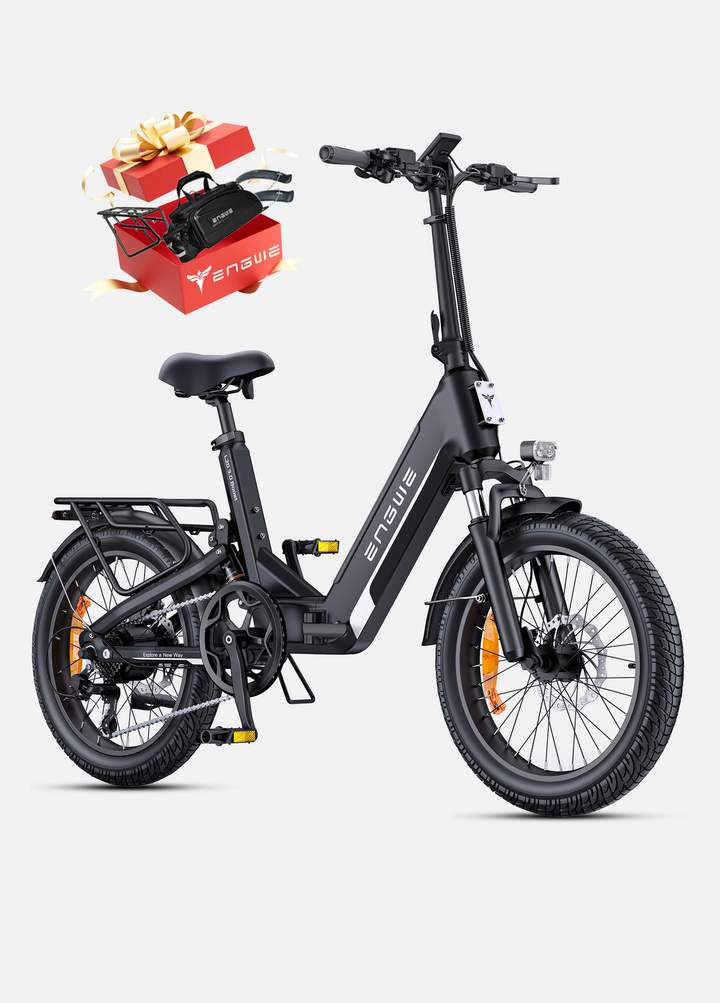
ENGWE L20 3.0 Pro
Built around Just Comfort, the ENGWE L20 3.0 Pro comes equipped with a 250W mid-drive motor that offers 100Nm torque assistance. The suspension ensures that the bumps on the uneven road surface are absorbed.
Also, the 720Wh battery offers an impressive 160km range when fully charged. Moreover, the 8A rapid charger reduces the charging time. This e-bike is suitable for those who require comfort and climbing assistance.


ENGWE N1 Air
The ENGWE N1 Air aims to be light, easy to maneuver, and useful for city travel. The bicycle has a 250W engine to ensure that it is useful for daily commuting, whereas the carbon-fiber frame ensures that the bike remains light and easy to handle.
The bike has an impressive range of 100km and is available in step-over and step-through variants. The monocoque Toray carbon design provides riders with a lightweight option.


Class 1 Vs Class 2 Ebike: What Changes?
The key distinction between class 1 vs class 2 ebike lies in the mode by which the motor assistance begins. This factor alone could determine the riding experience, especially in cases where the rider needs to start and stop often.
There are those who would want to ride an e-bike that would feel much like cycling the old way, while there are also those who may opt for convenience where it is possible.
Class 2 Vs Class 3 Ebike: Which Is Better For Daily Riding?
Class 2 vs Class 3 ebike debate is often a matter of choosing between the ease of having a throttle and a faster pedal-assist speed. Class 2 ebikes usually have a maximum speed for motor assist of 20 mph, whereas Class 3 has pedal-assist speed up to 28 mph.
Those looking for Class 2 ebikes for sale may focus more on their simplicity for city riding, whereas those who need to cover a lot of distance when commuting would choose the Class 3 for its higher assisted speed.
When it comes to selecting from Class 1-3 ebikes, one needs to consider various factors, including location, the extent of assistance needed, and local access rules. The type of motor, battery life, brakes, and comfort also need to be taken into consideration.

Conclusion
This class 1-3 e bikes system serves as a good basis for learning about assist speed and throttle control, but this classification shouldn’t play the only role in your choice. The range of the bike, motor response, brake performance, comfort, terrain, and regulations in your area all affect your choice.
If you’re considering buying an ebike class 1 2 3, start by assessing your usual terrain. A bike that suits your terrain and riding experience will be much more practical than picking a bike depending on the number of its class.
Frequently Asked Questions
What is a class 1 ebike?
What is a class 1 ebike?
Class 1 E-bikes usually provide pedal assistance only, whereby the motor stops functioning after reaching 20 mph. The rider needs to pedal for the motor to offer assistance. There may be varying local laws on access, so ensure that you follow the correct laws.
What is a class 2 ebike?
What is a class 2 ebike?
Class 2 electric bicycles will have throttle power up to 20 mph, along with optional pedal assistance. This makes for easier starts and low-speed riding, though throttle operation and availability regulations can vary based on state laws.
What is a class 3 ebike?
What is a class 3 ebike?
The speed limit for Class 3 e-bikes is around 28 mph. These types of e-bikes can be used for long distances since they are capable of achieving higher speeds; however, helmet laws, minimum rider age, throttle use, and legal riding area laws may differ according to location.
What are the different classes of ebikes?
What are the different classes of ebikes?
Class 1, Class 2, and Class 3 are the three major classes that can be found in the United States. The only difference between the classifications is their assisted speeds and throttles. It is also worth noting that other countries might have another classification system.