Electric bikes are growing in popularity among people of all age groups. They are convenient, give you a sense of freedom (particularly if you are an adventure lover), and do not always cost a fortune. However, this convenience comes with an important question: Do you need ebike insurance to protect your investment?
E-bike insurance is not a legal requirement, so many people consider this an unnecessary expense. With that said, the decision of whether or not to insure your e-bike should not depend on what others believe. It should be made based on what is better for YOU!
In this article, we will explain whether insuring your e-bike is a smart choice or not. Let's start!
Why Buy Electric Bike Insurance?
Theft is a serious concern for e-bike owners. According to a study, nearly 3 million bikes are stolen each year in Europe. These are just the reported cases. The actual number can be even higher.
However, theft is not the only problem. Accidents can happen at any time. The cost of bike repairs after an accident can quickly add up to a significant proportion of the original bike price, especially on higher-priced models.
An electric bike, with its weight and speed, can do a lot of damage after an impact with a pedestrian or another cyclist. Medical expenses or legal claims from such an incident can drain your budget.
The e-bike insurance protects you legally and financially in case any of the above happens. This makes it extremely valuable to have.
Difference Between Bike Insurance and Electric Bike Insurance
Bike insurance usually covers theft, accidental damage, and third-party liability for a standard bicycle. The coverage is relatively straightforward because the parts and replacement costs are lower.
E-bike insurance is different from standard bike insurance. E-bikes have electrical parts like batteries and motors that make them more prone to theft and mechanical problems. The higher the value of the e-bike, the higher the potential loss and ultimately recovery costs.
The e-bike insurance policies are designed to reflect the extra costs for the replacement of expensive components. You may be looking at significantly higher premiums and excess when insuring your e-bike compared to a traditional bike.
What Types of Electric Bikes Need to Buy E-Bike Insurance?
Here are some of the best e-bikes that need e-bike insurance the most:
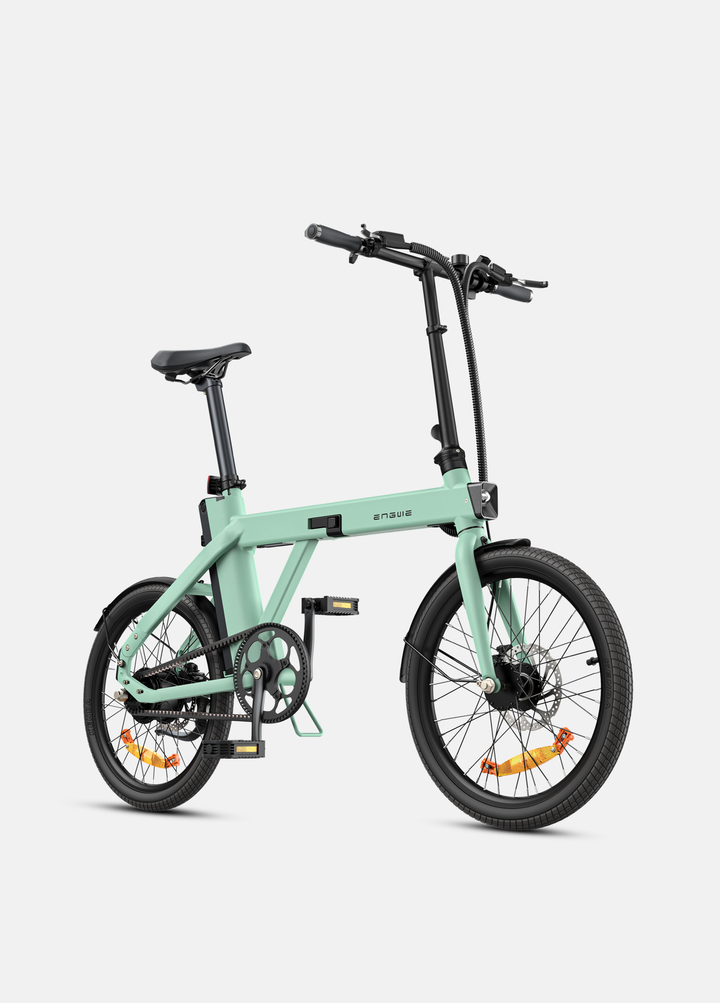
Folding EBikes
The most attractive feature of folding e-bikes is portability. Many people carry them in trains, buses, or car boots. Unfortunately, this makes folding bikes prone to theft and possible accident damage. The rider may be forced to leave it unattended at a station for a while, or they might damage it during a car crash.
Insurance for folding bikes is less about the style or parts and more about the high risk of theft or accidental damage.

Mountain EBikes
Mountain bikes have a high price tag and expensive parts. Crash damage is often not covered under normal warranty coverage, and repairs without insurance can cost you a lot. Insurance for a mountain e-bike is like a safety net for your passion. It covers the costly consequences of the very adventures that the bike was designed for.
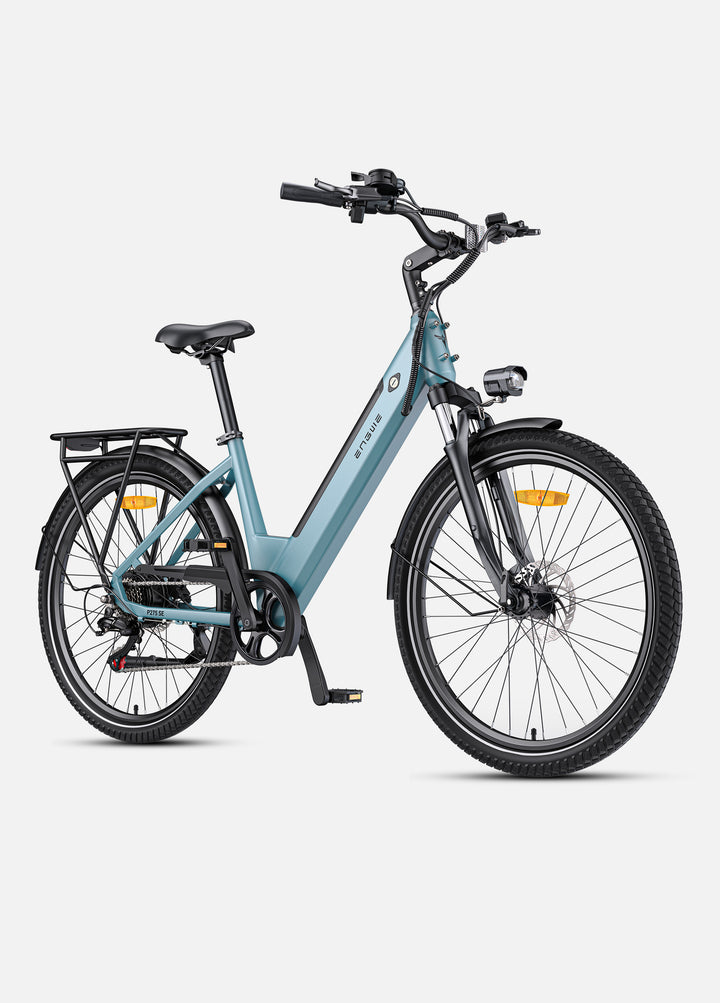
Urban Commuter EBikes
If you are wondering why you need ebike insurance for your urban commuter bike, the reason is that thieves target bikes left unattended outside markets, offices, parks, or restaurants. Therefore, insurance is a must with the high chances of theft. In addition, frequent use can speed up wear and tear on your bike, thereby increasing the risk of costly repairs or replacements.

E-bike insurance protects you in both these scenarios.
Tips for Choosing the Best eBike Insurance
Different insurance companies offer different policies. Here is how to choose a policy that best fits your needs:
Coverage Options
Carefully read what is included in the policy. A comprehensive policy includes theft, crash damage, vandalism, and liability coverage as a minimum. You should also check what components are covered. Does it cover the battery and motor? What happens when you crack the frame?
Some insurers also offer roadside assistance when the bike breaks down due to a mechanical failure. Lastly, look for policies that offer "replacement cost" rather than "actual cash value," which depreciates as your bike gets older.
Comparing Policies and Prices
Get quotes from different companies and compare the excess. It is the amount that you pay out-of-pocket on a claim in addition to the monthly premium.
A low premium with a high excess can be ideal for people who do not expect many claims. On the other hand, a high premium with a low excess means less financial stress in case something goes wrong.
Conclusion
There are many factors that determine whether you should insure your e-bike or not. If you only use it for recreational purposes, then the risk may be manageable. However, if you have invested significant money in your e-bike, use it daily for transportation, or ride it in an area with high risk, then the question is not whether do you need ebike insurance. The question should be why you have not insured your bike yet.
An insured e-bike will protect your investment and finances while allowing you to enjoy your rides worry-free, day after day.
FAQs for Electric Bike Insurance
Should I include third-party liability in my policy?
If your bike's speed is below 25 km/h, then liability insurance is optional. However, having it included in your coverage protects you if you cause damage or injure someone.
If your e-bike goes above 25 km/h, then the third-party liability insurance with theft and accidental damage coverage is essential for better protection.
Is e-bike insurance expensive?
An e-bike insurance usually requires you to pay between €30 to €100+ a month, depending on your bike’s speed and value. However, it can save you significant money and prevent legal complications in case of a serious collision or injury, making it a wise investment.
How long are e-bike insurance plans?
Insurance companies offer different plans that cover monthly, quarterly, and annual durations. A short-term plan is perfect for riders who use their bikes occasionally or seasonally, while annual plans are more suited to regular riders.
Read More:
Types of Bikes: Ultimate Buying Guide