Selecting a suitable bike is not an easy task, as the market is now full of various styles, features, and functions. The various types of bikes have different applications, ranging from smooth pavements to rough terrain. We will take you through the various types of bikes in this guide. You will find out the distinctive features of each of them and how they fit your riding objectives. So, let us jump in.
What Are the Main Types of Bikes
There are different types of bikes, all designed for certain types of terrain, lifestyles, and needs. Such as:
Mountain Bikes
Mountain Bikes are designed for off-road cycling on rough terrain like dirt, mud, gravel, roots, and rocks. They have large tires and strong frames. The suspension systems reduce the shocks to give a smooth ride. Built to control and last, bikes such as the Schwinn High Timber mountain bikes are among the best-performing options.
Pros
Performs well on rough and uneven grounds.
Constructed using sturdy frames and heavy suspension.
Provides more traction and control on the trails.
Cons
Slower and heavier on asphalt.
Folding Bikes
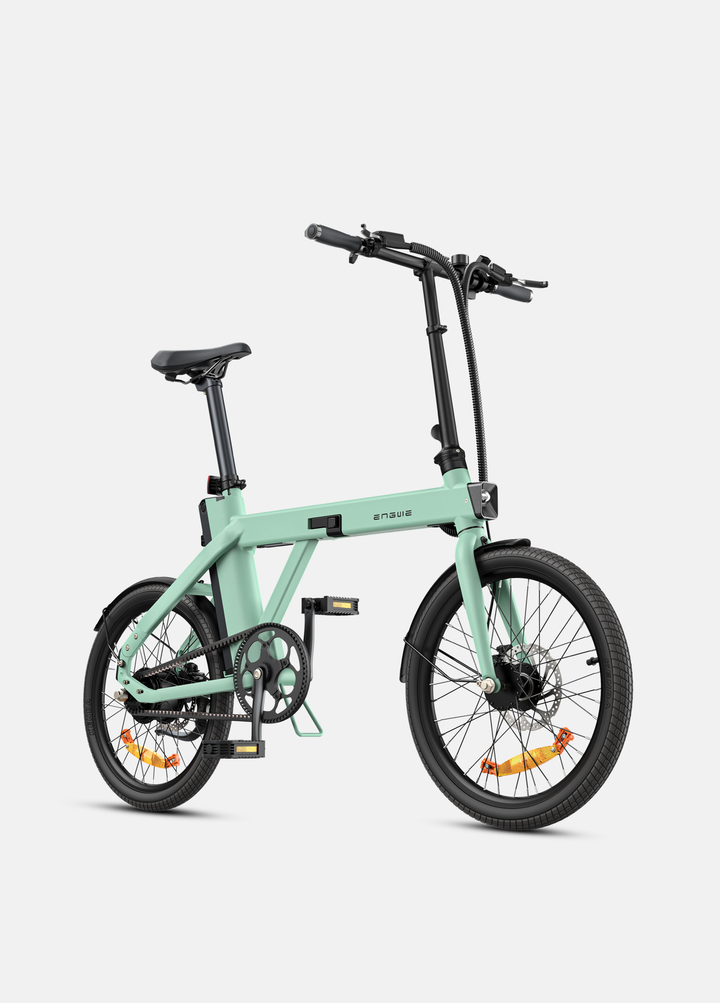
Folding bikes are small and foldable so that they can be carried easily and stored in a smaller space. They are ideal for urban commuters and travelers who require flexibility. Bikes such as the Brompton C Line Explore provide an excellent performance and easy folding functions.
Pros
Portable and can fit within small spaces.
Excellent at commuting and travelling.
Lightweight and fast folding.
Cons
The smaller wheels can decrease the stability on a rough road.
Cruisers
Cruiser bikes are comfortable and relaxing bikes used on flat paved roads. They come with wide tires, upright handlebars, and comfortable seats. Such trendy models as Huffy Nel Lusso Cruiser combine fashionable style with comfortable handling, which makes them a perfect choice for casual riders and beachgoers.
Pros
Easy and comfortable to ride long distances.
Fashionable design and broad, stable tires.
It is ideal for flat roads and easy riding.
Cons
Unsuitable for high-speed or off-road riding.
Electric Bikes
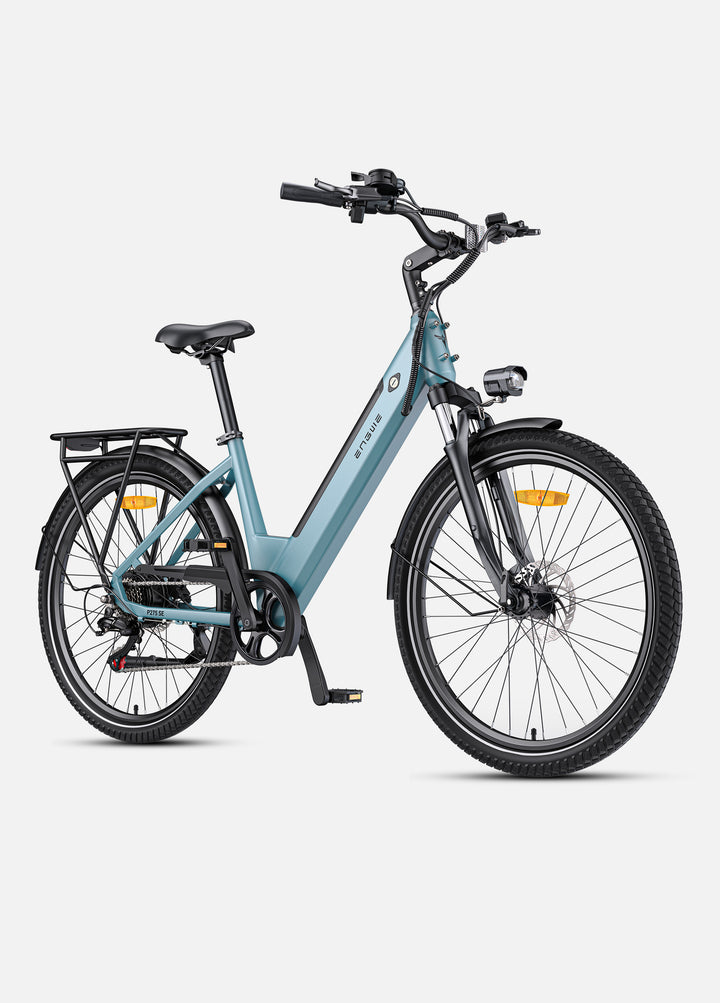
E-bikes, also known as electric bikes, are a combination of a normal bicycle and motor power to make riding easy, especially when going uphill or covering a long distance. They are fast and powerful without additional effort. Bikes such as the ENGWE E26 and the Engine X provide dependable performance and comfort to any kind of rider. Check out ENGWE to find more trustworthy electric bikes to fit your demands.
Pros
Offers motorized support.
Helps to ride long distances and uphill.
Perfect as a commuter bike and a leisure riding bike
Cons
The battery and motor make it heavier than traditional bikes.

How to Maintain Your Bike Daily
Daily care will increase the life of your bicycle and will make your ride more enjoyable. These are some of the tips that you can practice every day to take care of your bike.
Clean Your Bike After Rides
Cleaning your bike cleans off dirt and grime that can wear off. Use gentle soap and water to clean the frame and parts. Routine cleaning will ensure your bike is in good shape.
Tire Pressure Check
Correct tire pressure will make the ride comfortable and will avoid flats. Before every ride, use a quality gauge to check the tire pressure. Fill tires with appropriate PSI as recommended on the sidewall of tires. Correctly inflated tires enhance performance and safety.
Lubricate the Chain
A well-lubricated chain lowers friction and wear. Use chain-specific lubricant on the chain, but do not overapply. Clean up any surplus to avoid the attraction of dirt. Lubrication of your drivetrain components prolongs their life.
Monitor Chain Wear
A worn chain may cause problems for other parts of the drivetrain. Use a chain gauge to keep an eye on. Change the chain when it is worn to the recommended limit. Monitoring regularly will help avoid expensive repairs.
Best Bikes You Need to Know
Here are the top bike options that stand out for quality, performance, and value.
Commuter E‑Bike – ENGWE P20
ENGWE P20 is an 18.5 kg folding e-bike that is meant to be used in urban commuting. It has a 250W torque-sensing motor, a silent carbon belt drive, hydraulic disc brakes, IP6 waterproofing, 100km range, and is ideal for commuting in the city, and stores easily.
Features:
Lightweight and takes 10 seconds to fold up to transport.
Silent and low-fuss carbon belt with a service life of 33,000km.
High-performance hydraulic disc brakes and waterproof for all conditions.

Commuter E‑Bike – ENGWE L20 3.0 Boost
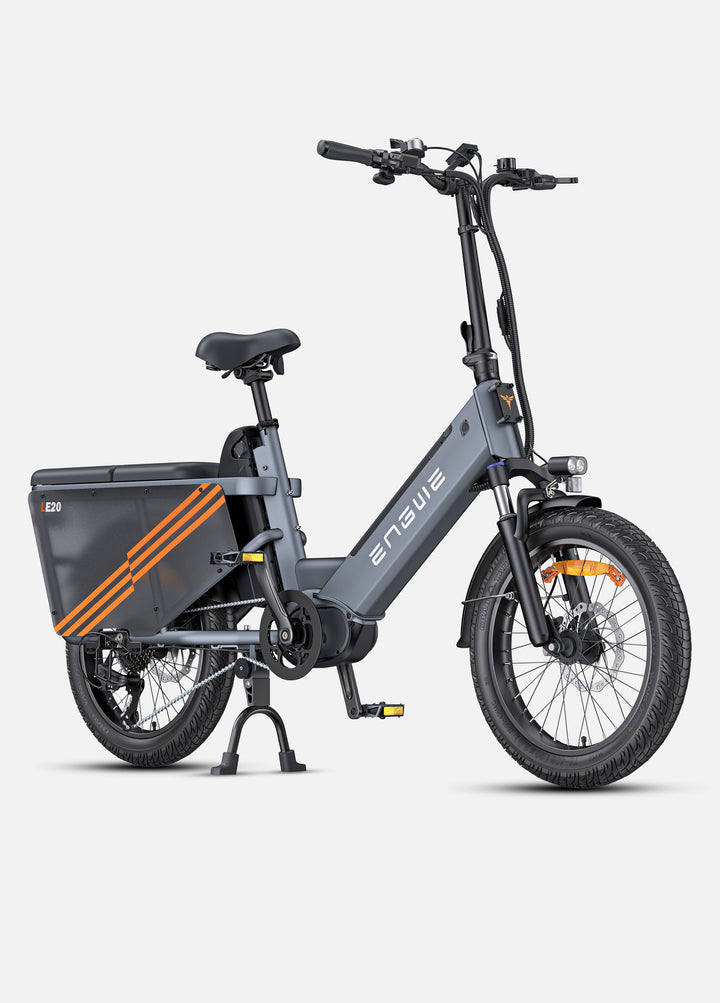
The ENGWE L20 3.0 Boost is a foldable commuter/fat tire e-bike with a 250W motor, full suspension, 648Wh battery, and 75Nm torque. It can fold small, has a distance of up to 135km, and can ride on different terrains.
Features
Full suspension is efficient in absorbing bumps in the road and trail.
Small fold (~0.3 m³) to transport and store.
Powerful hydraulic disc brakes and traction tires of 20×3 inches.

Fat‑Tire E‑Bike – ENGWE E26
The ENGWE E26 features a fat tire, dual suspension e-bike with a 750 W (1,000 W peak), 48 V 16 Ah battery, Shimano 7-speed gears, hydraulic disc brakes, and a range of up to 140 km. It is both a city commuter and an off-road adventure bike.
Features
High torque 750 W motor offers high hill-climbing power (~70 Nm).
Four-inch fat tires and dual suspension provide a stable ride on diverse terrain.
A long-lasting 48 V 16 Ah battery can run up to 140 km per charge.

FAQs
What is the difference between a hybrid bike and an electric bike?
A hybrid bicycle is a mix between a road and mountain bike in order to ride on a daily basis. It lacks motor aid. An electric bike has a motor that helps you pedal with less effort. E-bikes are more suitable in case of longer travels, hills, and physical efforts.
Are electric bikes easier for beginners to ride?
Yes, the electric bikes are more user-friendly to amateurs due to the motorized assistance when pedaling. This will ease physical work and make riding easier and less threatening.
Do I need a license to ride an electric bike?
You do not require a license to ride an e-bike with certain limits of power and speed in most countries. Nevertheless, to ride legally and safely, always refer to local rules.
Conclusion
The type of bike you select will depend on your riding style, terrain, and needs. Bikes come in various forms, and each has its advantages and disadvantages. Maintenance of your bike will make it work optimally. This guide will help you choose the best e bike.