Electric bikes have taken the world of personal transportation by storm. But if speed is what you're after, look no further than a class 3 ebike. It's made for riders who want to get where they're going quickly. Knowing what makes a class 3 ebike special, as well as the rules that come with it, is crucial to figuring out if it's the right bike for you.
Today, we're about to cover all your bases when it comes to class 3 e-bikes, answering any questions you might have.
Understanding the Class 3 Ebike Definition
A class 3 ebike is an electric bike that gives you a boost while pedaling, but only up to 28 miles per hour. Once you hit that speed, the motor kicks off. What sets class 3 apart is that these ebikes only offer pedal-assist.
The class 3 ebike definition is pretty standard across most states in the US, but you'll find some varying rules. These bikes need to have motors that come with speedometers to keep riders informed about their speed. What sets class 3 bikes apart from class 1 and 2 bikes is their ability to go faster, making them a great choice for commuting.

Breaking Down Class 1 2 3 Ebikes
To get a handle on what is a class 3 ebike, it's useful to look at how it fits into the overall ebike class 1 2 3 system. This three-tier system breaks e-bikes down into clear groups based on how fast they go.
Class 1: Class 1 ebikes have pedal-assist technology, with the motor kicking in to help you out only up to 20 mph. Since they're pretty similar to regular bikes and don't go too fast, Class 1 ebikes are usually okay to ride on bike paths and other recreational areas.
Class 2: Class 2 ebikes also cut off motor help at 20 mph, and you can choose to pedal-boost or hit the throttle. The throttle lets you kick in the motor without pedaling. But be aware that some trails don't let you use the throttle.
Class 3: Class 3 ebikes are the cream of the crop in the standard ebike classification system. They offer motor assistance up to 28 mph and work in pedal-assist only mode. However, there are more restrictions on where you can ride these bikes.
Class 3 Ebike Speed and Performance
The standout feature of a ebike class 3 is its class 3 ebike speed capability. Compared to traditional bikes, this makes for some seriously faster commute times. This speed boost is especially appealing to urban commuters who cover long distances.
Class 3 ebikes usually come with bigger batteries to support the increased power needed for faster riding. These bikes often have more powerful motors, which provide strong torque for climbing hills and maintaining higher speeds.
Class 3 models also come with high-end features like improved braking systems and more advanced suspension. These upgrades help handle the demands of riding at faster speeds. Many makers also add torque sensors, which make the pedal-assist more responsive.

The Class 3 Ebike With Throttle Controversy
A common question is whether you can have a class 3 ebike with throttle. However, federal guidelines and state regulations make it pretty clear that a Class 3 ebike should only have pedal-assist operation.
The reality of the bike market can be a bit confusing. Manufacturers often label bikes as class 3 models, even though they have throttles that only work up to 20 mph. The thing is, bikes with any kind of throttle don't really fit the standard class 3 definition.
Enforcement of these regulations is all over the map, depending on where you are. Some people think a 20 mph speed limit on a throttle doesn't make class 3 bikes any more hazardous. Others believe any kind of throttle automatically rules out a bike from being class 3.
Riders thinking of getting these bikes should know that hybrid models don't quite fit the bill for strict class 3 ebikes. Check your local regulations and consider how they might impact how you plan to use the bike.
Class 1 vs Class 3 Ebike Comparison
When comparing class 1 vs class 3 ebike options, you'll notice some key differences. These differences impact where you can ride and how much you'll pay.
Speed is probably the most noticeable difference. Class 1 models top out at 20 mph with pedal-assist, while class 3 bikes can hit 28 mph. The 8 mph difference might not seem like a lot, but it adds up quickly over longer distances.
Access restrictions also play a big role. In general, Class 1 ebikes are allowed just about anywhere traditional bikes can go. They're often welcome on bike paths and recreational areas because they operate pretty much like regular bikes.
Class 3 ebikes have a lot of restrictions. Many bike paths, trails, and sidewalks don't allow Class 3 ebikes because they're worried about their 28 mph speed. For the most part, Class 3 ebikes are only allowed on roads and bike lanes meant for faster riders.
The quality and price of components also vary a lot. Class 3 models typically have heavier-duty parts and extra features that support faster riding. On the other hand, Class 1 bikes provide great pedal-assist performance for casual rides and everyday commuting.

Class 2 vs Class 3 Ebike Differences
The class 2 vs class 3 ebike comparison shows how different motor tech serves up distinct riding styles. Both give you electric assistance, but they look at the ride from different viewpoints.
Class 2 ebikes make it easy for riders by letting them get moving with the throttle. No pedaling needed, which is perfect for taking off from a dead stop. They top out at 20 mph, so they're treated the same as class 1 bikes for most rules.
Class 3 ebikes are built for performance and speed, topping out at 28 mph with pedal-assist only. They feel more energetic and athletic, and you can get to your destination faster. But this also means more limits on where you can ride these bikes.
Class 2 e-bikes use more power when the throttle is used a lot. Class 3 bikes with pedal assist are generally more efficient, but high speeds can eat up batteries faster.
When deciding between class 2 and class 3, it usually boils down to what matters most to you. Class 2 models give you more control over the motor but with lower top speeds. On the other hand, class 3 bikes let you commute faster, but you'll have limited places to ride.
Best Class 3 Ebikes Available
When looking for the best class 3 ebikes, a few models really stand out. These bikes show what class 3 is all about, offering different options to fit various riding styles.
The Aventon Aventure.3 is the ultimate class 3 fat tire bike, with huge 4-inch tires and 80mm of front suspension. It can switch between class modes, and its built-in smartphone connectivity and tons of accessories make it a complete package.
The Ride1Up Vorsa ST offers great value in the class 3 category, packing a powerful motor. With its modular rack and Connect+ features, you can tailor the bike to suit different hauling needs.
For riders looking for European engineering, consider Gazelle models. These bikes focus on solid build quality and reliability, making them ideal for heavy commuters.
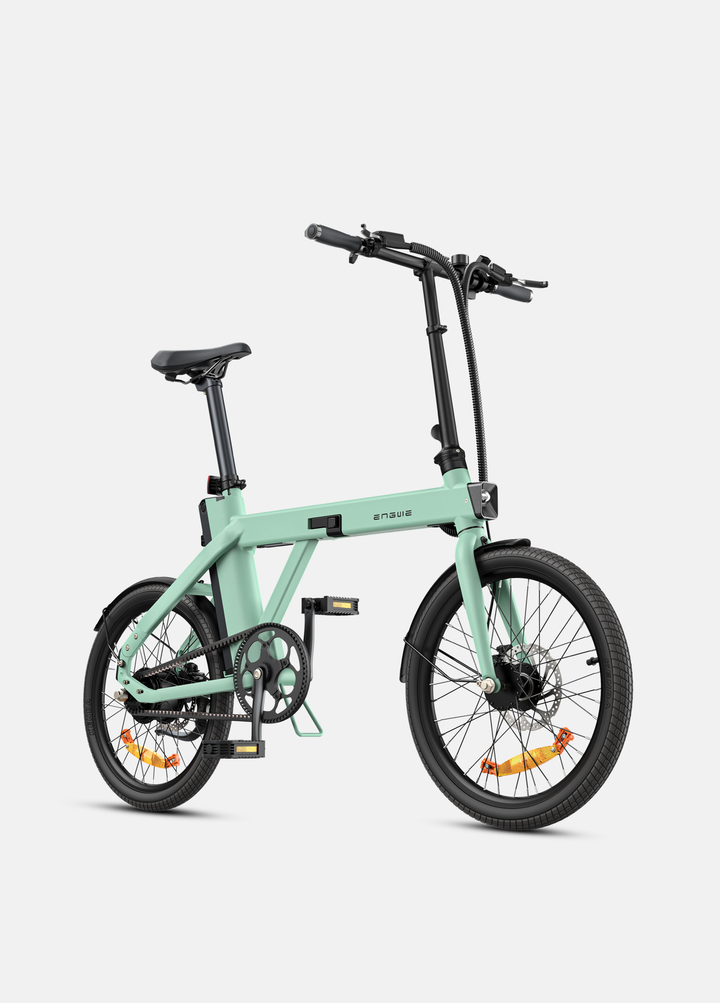
ENGWE's got some great class 3 options that balance power with practicality. The ENGWE EP-2 Boost has a 250W motor that's EU-approved. It's also got a torque sensor that makes the pedal assist super responsive.

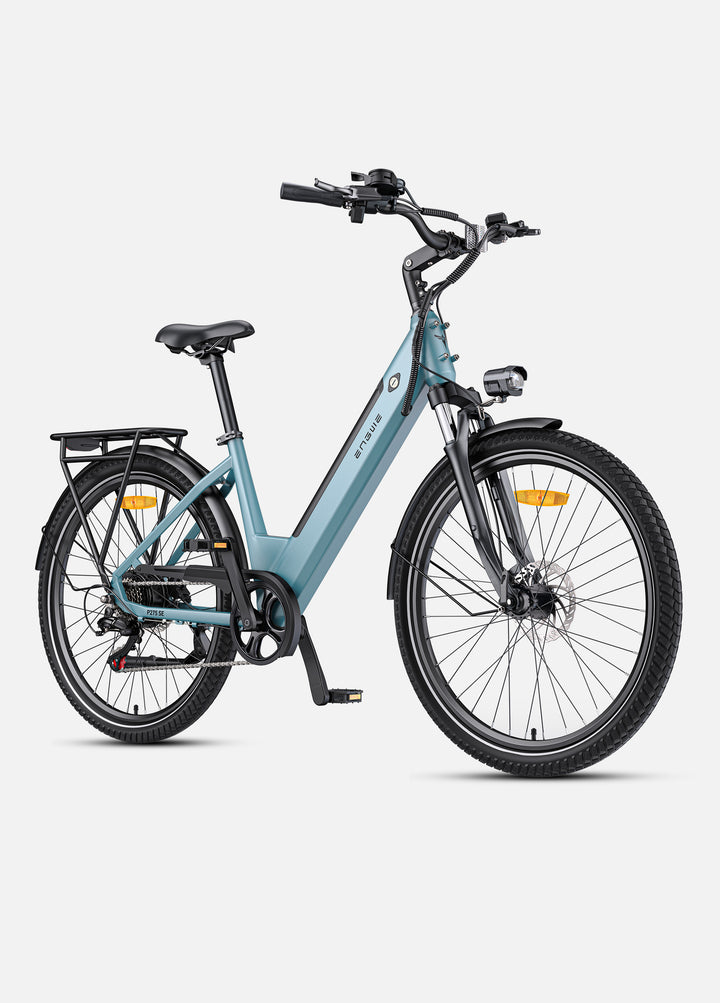
Meanwhile, the ENGWE P275 Pro packs a punch with its mid-drive motor and 65Nm of torque.

In A Nutshell
Class 3 ebikes are the cream of the crop when it comes to standard electric bike performance. They offer serious speed for riders who crave a high-performance experience. While there are more regulations and a higher cost to consider, they make up for it with efficiency that's hard to beat.
Understanding class 3 ebike laws and what class 3 models can and can't do helps you make a smart decision about whether they're right for you. They're high-performance bikes, after all, and you'll want to make sure they fit your riding style.
Frequently Asked Questions
What makes a class 3 ebike different from other classes?
A class 3 ebike gets you pedal-assist up to 28 mph, whereas classes 1 and 2 top out at 20 mph. This ebike type only has pedal-assist and doesn't come with a throttle.
Can I ride a class 3 ebike on bicycle trails?
Most bike trails don't allow class 3 ebikes because they can go pretty fast. Usually, you'll need to ride these bikes on roads or bike lanes. Before heading out, make sure to check the local rules and signs.
Do I need a license to operate a class 3 ebike?
Not all states demand a driver's license for class 3 ebike riders, but there are usually age limits in place. Certain states, such as New Jersey, require you to get a moped license and register it, too.
What is the major difference between class 2 and class 3 ebikes?
Class 2 ebikes give you both pedal-assist and throttle, taking you up to 20 mph. For class 3 models, it's pedal-assist only, but they're a bit speedier. Keep in mind, class 3 bikes might be faster, but they've got more limitations on where you can ride them.
Are class 3 ebikes worth the additional cost and restrictions?
Class 3 ebikes are worth the extra cost if you're a rider who does long commutes. Being able to go 28 mph cuts down on travel time a lot. But there are some access restrictions, so these bikes are best for riding on roads.