Recent years have brought a lot of innovation to the world of electric bicycles. Fat tire ebikes are a big part of this, offering a new level of performance. They've moved beyond being niche winter bikes and now excel in all sorts of terrain.
Today, we're putting the best fat tire ebikes of the year under the microscope, so you can decide which one is right for you.

Understanding the Fat Tire Ebike Revolution
A fat tire ebike has oversized tires - usually 4 inches or wider. These bigger tires make a bigger imprint on the ground than regular bike tires. So, how do they work so well? It's all about how the weight is spread out.
The ebike fat tire design works on a pretty simple principle. They spread the weight out over a much bigger area. This helps riders tackle soft surfaces that would be impossible to ride on with regular bikes.
These electric bikes usually run at much lower tire pressures than standard models. For comparison, road bike tires need 80-130 PSI. The lower pressure lets the tires mold to the terrain's bumps.
Terrain Capabilities That Define Excellence
The best fat tire ebike models really shine in tough conditions where regular bikes often fall short. They handle all kinds of terrain, making them perfect for riders who deal with different surfaces.
Winter riding is where fat tire ebikes really prove their worth. They have great traction on snow and ice due to their bigger tires. This means they don't sink into deep snow and still have the grip you need. Their wider tires give you better control in these conditions.
Beach and desert environments offer another natural habitat for fat tire electric bikes. They make it easy for riders to ride along beaches and across sandy areas where standard bikes would just get stuck.
City riders know that urban environments benefit a lot from fat tire technology, too. For one thing, city streets are full of potholes and uneven surfaces. But fat tires absorb shock naturally, making commutes way more comfortable. And when it's wet, the extra traction really improves safety.

Comfort and Riding Experience
What really sets the best ebike fat tire designs apart is comfort. The secret lies in the large air volume inside fat tires. This acts as a natural suspension, soaking up shocks and vibrations.
Riding with fat tires reduces fatigue on long trips and makes cycling a lot more fun. And if you're someone with bad joints or back issues, the extra cushioning is a huge plus.
Ebikes fat tire models are great for boosting rider confidence, especially for those just starting out. The wider tires give you a far more stable ride, making you feel safer even when you hit bumps.
ENGWE Fat Tire Excellence
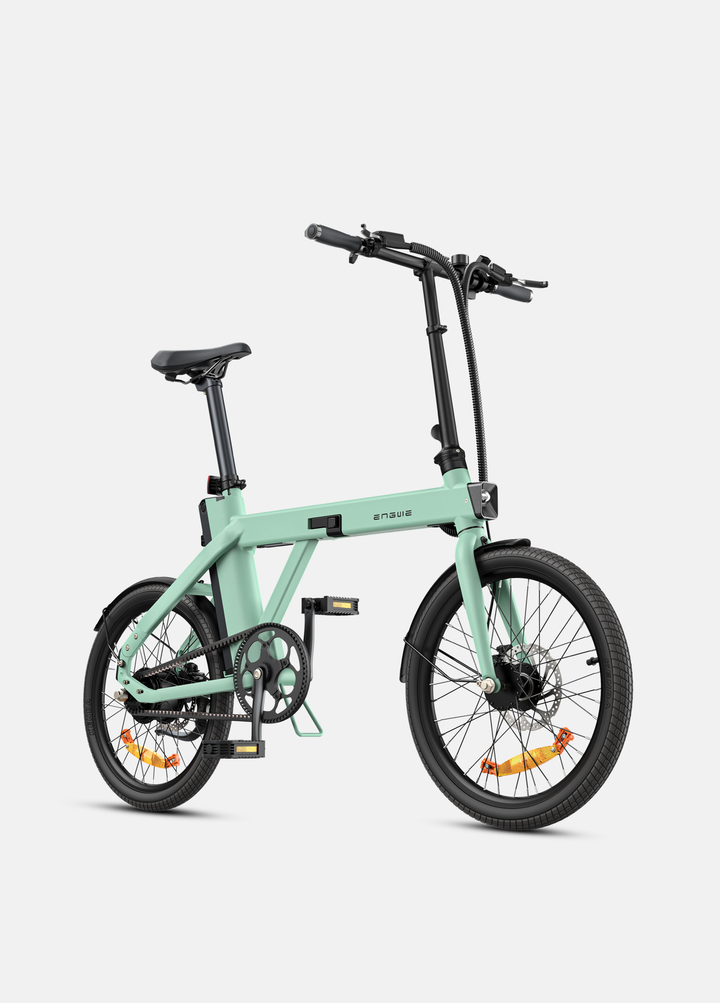
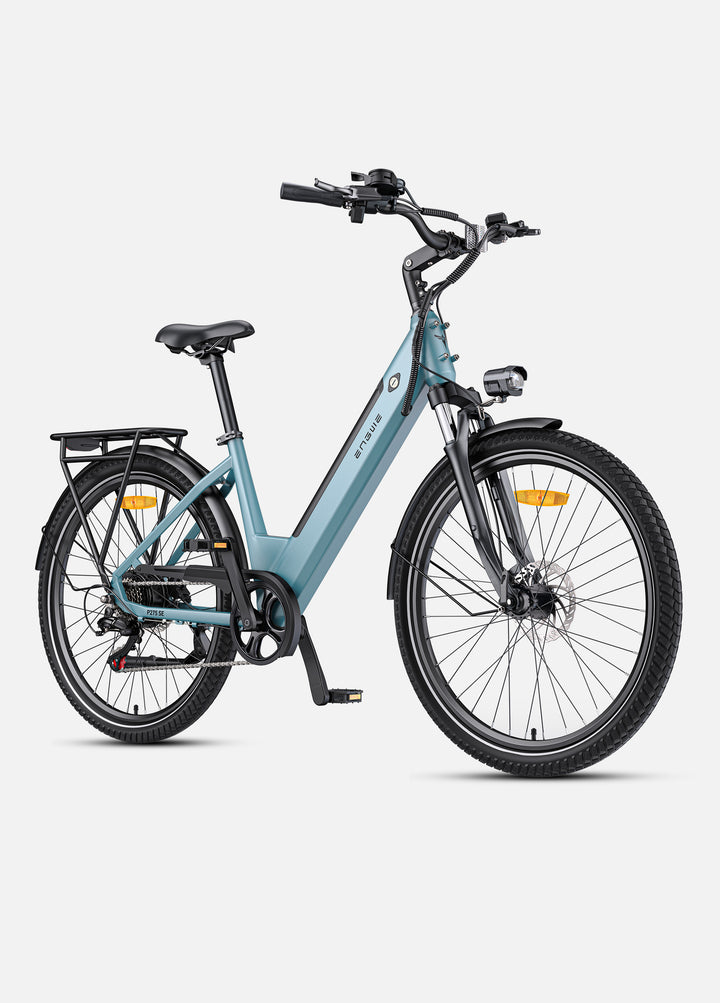
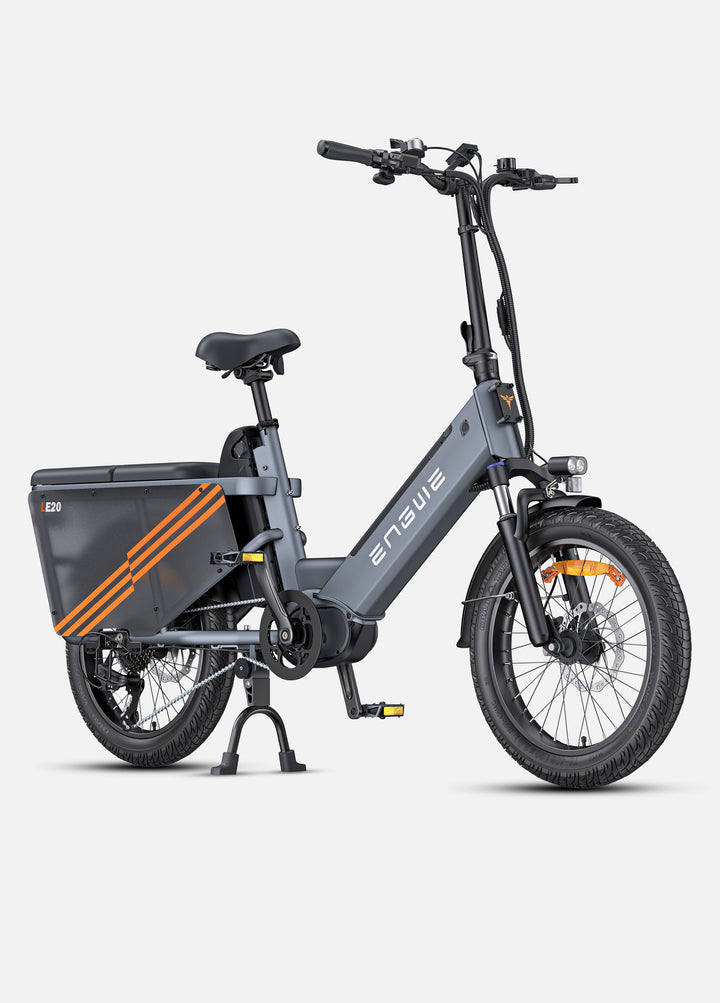
ENGWE is a well-known player offering several models that showcase the best fat tire ebike characteristics. Their lineup of ebike fat tire models shows their focus on balancing performance with functionality.
The ENGWE EP-2 Boost is their top all-terrain bike, packing EU-compliant 250W power. It's got torque sensor tech that gives you natural-feeling pedal assistance. The design is built for all sorts of places, so you can ride wherever you want.

The ENGWE X26/X24/X20 series is worth a mention too, since it brings together folding and fat tire capabilities. These bikes can hit speeds of up to 25 km/h and have triple suspension systems. With their foldable design, you don't have to worry about storage or transportation.

The ENGWE Engine Pro 2.0 is a folding fat tire ebike that brings the power you need to handle rough terrain. And with its foldable design, it's ready to go wherever you want. It shows just how well today's folding fat tire ebikes can balance convenience and capability.

|
Model |
Torque |
Battery |
Tire Size |
Weight |
Gears |
Foldable |
Max Load |
|
ENGWE EP-2 Boost |
55 Nm |
48V 13Ah (624Wh) |
20"" x 4.0"" |
30 kg (66 lbs) |
Shimano 7-speed |
Yes |
150 kg (330 lbs) |
|
ENGWE X26 |
70 Nm |
48V 19.2Ah + 48V 10Ah optional |
26"" x 4.0"" |
43.6 kg (96 lbs) |
Shimano 8-speed |
Yes |
150 kg (330 lbs) |
|
ENGWE X24 |
70 Nm |
48V 19.2Ah + 48V 10Ah optional |
24"" x 4.0"" |
41.9 kg (92 lbs) |
Shimano 8-speed |
Yes |
150 kg (330 lbs) |
|
ENGWE X20 |
65 Nm |
48V 14.4Ah + 48V 7.8Ah optional |
20"" x 4.0"" |
37.2 kg (82 lbs) |
Shimano 8-speed |
Yes |
150 kg (330 lbs) |
|
ENGWE Engine Pro 2.0 |
75 Nm |
52V 16Ah (832Wh) |
20"" x 4.0"" |
39.8 kg (87.7 lbs) |
Shimano 8-speed |
Yes |
150 kg (330 lbs) |
Safety and Control Features
Today's fat tire ebikes for sale include advanced safety features that play off their natural stability. Many models have hydraulic disc brakes that offer great stopping power. The extra grip and the braking systems work together to make sure you can stop reliably.
The design of fat tires brings a lot more stability, which means fewer accidents due to loss of control. This stability really matters for the ebike class 2 fat tire with hydraulic brake systems, as the combination of electric assistance and great brakes provides a safe ride.
Premium models often include visibility features like integrated lighting and reflective elements. Some models take it a step further by incorporating turn signals and brake lights.
Technical Considerations and Performance
The specs of quality fat tire folding ebike models usually range from 250W to higher outputs in other markets. You see, the power of the motor and the size of the tires work together to create some pretty unique performance traits.
Battery capacity is a key, too, with good models giving you ranges of 40 to over 100 kilometers. This can vary depending on the area and how you're riding. Since fat tires are heavier and have more rolling resistance, they do use more energy, making battery capacity key.
Suspension systems on higher-end models often team up front fork suspension with the natural give of fat tires. This combo provides comfort for off-road riding, while still keeping the tire's shock-absorbing abilities for daily use.
Market Trends and Consumer Preferences
Fat tire ebike reviews frequently mention just how versatile these bikes are. They like that a single bike can handle daily commutes and also take them on adventures when the weekend rolls around.
Folding bicycles are getting more popular in the fat tire segment, as people want bikes that can handle tough terrain. This trend has pushed companies to come up with better folding systems as well.
Fat tire bikes have become a lot more affordable, with good models now available at different price points. This has opened up the market to more people.

Maintenance and Longevity
Fat tire electric bikes need about the same maintenance as regular ebikes, with a few extra things. Since fat tire models are built sturdily, they tend to last longer.
If you take care of your fat tires, they can last thousands of kilometers. One thing to think about when buying is the manufacturer's reputation and the support you'll get from the dealer.
Furthermore, checking tire pressure regularly is crucial with fat tires since they run at lower pressures. Small changes in pressure make a big difference in performance. Keeping the right pressure ensures great traction and helps the tires last longer.
Key Takeaway
Ultimately, fat tire electric bikes have come a long way, and they're great for all kinds of things; daily commutes and everything in between. And as manufacturers like ENGWE keep making their designs better, that's expected to grow the fat tire ebike market even more.
This means riders will have more choices when it comes to reliable and comfortable electric bikes.
Frequently Asked Questions
What makes a fat tire ebike suitable for winter riding?
Fat tire ebikes are great for winter riding. These tires spread the weight over a bigger area, so you don't sink into the snow. With lower tire pressure, you get better grip on snowy surfaces. Plus, the extra stability gives you more control.
How do fat tire ebikes compare to regular ebikes for daily commuting?
While fat tire ebikes are heavier and use a bit more battery power, they also offer better grip on wet roads and can handle the occasional detour off the beaten path.
Are fat tire folding ebikes practical for storage and transportation?
A folding fat tire ebike these days uses clever folding systems to deal with the extra size of their wide tires. While they do take up a bit more space, they still save you a lot more space than ebikes that don't fold.
What terrain limitations do fat tire ebikes have?
Fat tire ebikes are great on most terrain, but can be a bit clumsy in technical mountain biking spots. They shine on fire roads, beaches, and city streets, but aren't the best choice for intense mountain biking.
How does tire pressure affect fat tire ebike performance?
Tire pressure has a big impact on how your bike performs. Lower tire pressure provides more grip on soft surfaces, while higher pressure helps on pavement. Riders usually tweak the pressure based on where they're riding.