One of the most popular methods of travelling short and medium distances now is electric bikes. However, one should be aware of the e-bike classes before purchasing, including Class 1 ebike , Class 2 ebike, and Class 3 ebike.
The categories have varying speed limits, levels of assistance, and legal regulations. This guide breaks them down clearly and shows real-world examples, including popular models.
What Is a Class 1 Ebike Definition?
The most widespread and entry-level e-bike is the Class 1 ebike. It gives pedal assist, which means that the motor assists you as you pedal, but no throttle.
These bikes will cease motor aids at a speed of 20 mph (almost 25 km/h). Class 1 electric bikes are safe and slow, so it is not limited by most bike lanes, urban routes, and trails.
They are excellent with the riders who desire to have a natural cycling experience, but with a little bit of power to help them climb hills or travel further distances.
The most important characteristics of an electric bike with a Class 1 are as follows:
Key Features of a Class 1 Electric Bike:
- Pedal-assist only, no throttle
- Max assist speed: 20 mph (25 km/h)
- Legal on most public trails and bike paths
- Ideal for fitness, commuting, and city rides
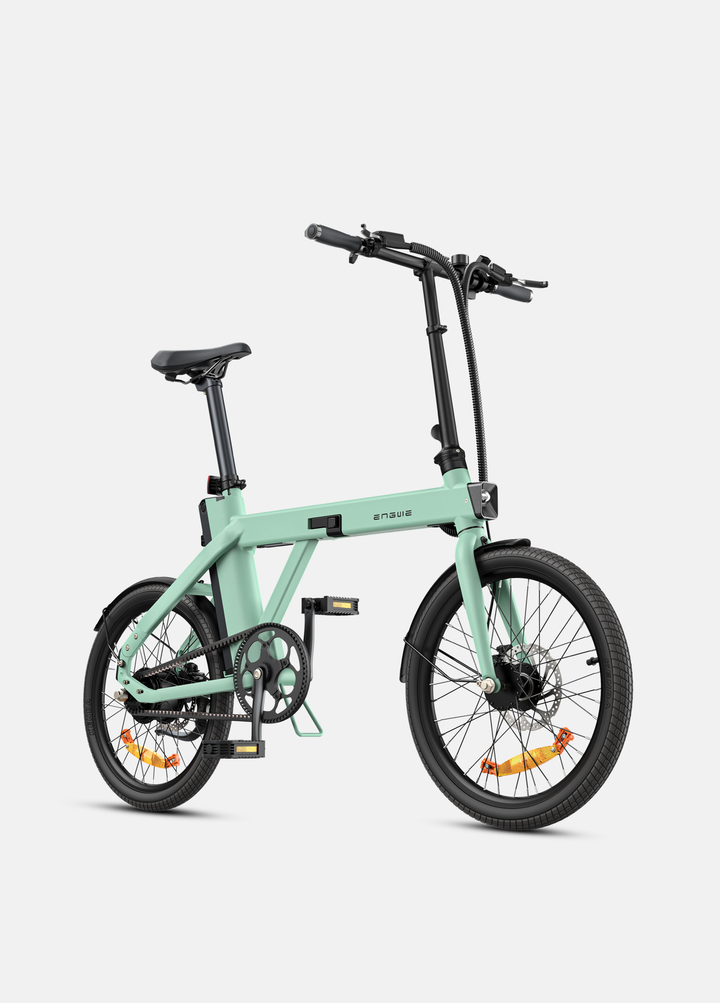
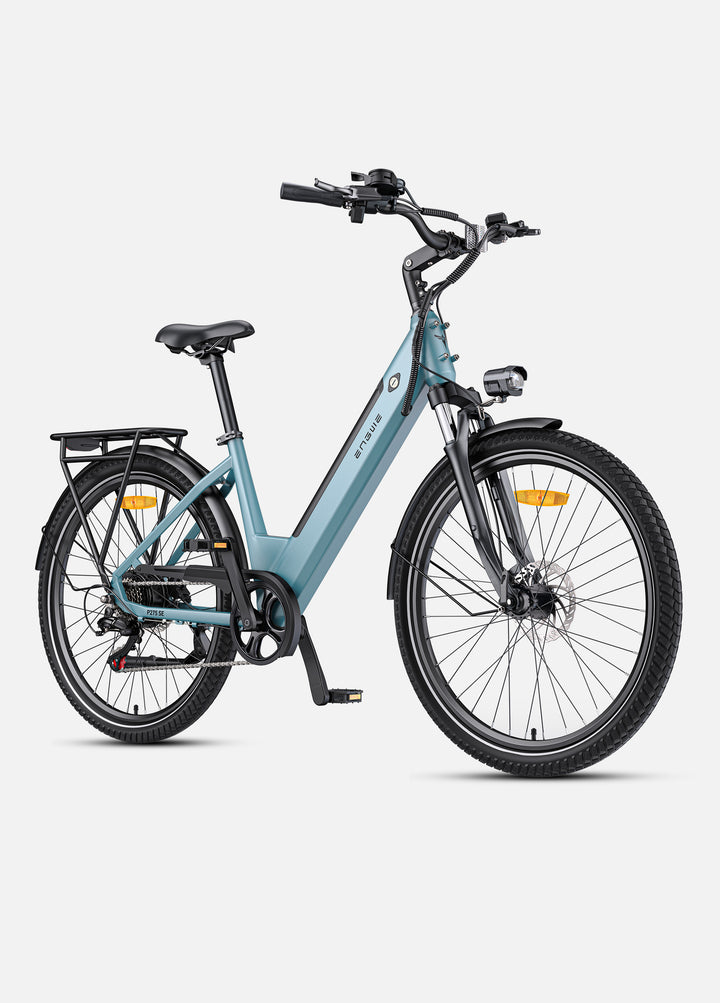
Best Class 1 Ebike — ENGWE P275 SE
The ENGWE P275 SE is among the best examples of an ebike class 1 of the modern period. It is designed to ride the city with ease and comfort. It is lightweight, easy to carry, and folds easily to be convenient in the city.
The rear hub motor is 250W and comes with a torque sensor, which makes this model have a natural and responsive pedal-assist feel. The carbon belt drive uses no chain as compared to the traditional chain- that is, no oil, no mess, and no maintenance.
Key Features
- Motor: 250W brushless with 42 Nm torque
- Battery: 36V 9.6Ah Samsung cell
- Range: Up to 100 km per charge
- Frame: Lightweight aluminium (18.5 kg total weight)
- Brakes: Hydraulic disc
- Drive: Carbon belt system
- Extras: Smart app control, digital display, optional basket

Trek Verve+ 2
The Trek Verve+ 2 is also a good Class 1 ebike that is comfortable and reliable. It has a Bosch Active Line motor (250W, 40 Nm) and a battery with an operating range of up to 60 miles (96 km).
This model emphasizes the upright comfort and easy riding. It is perfect for an urban commuter and other casual riders who like the classic bike appearance.
Key Features
- Battery: 400Wh lithium-ion
- Max assist: 20 mph (Class 1 limit)
- Brakes: Hydraulic disc
-
Weight: ~23 kg

What Is a Class 2 E-bike?
Class 2 ebike has a throttle and pedal-assist. Riding it does not require any pedalling, but by twisting or pressing a throttle, like in a scooter.
Nonetheless, the speed limit of Class 2 ebikes is also 20 mph (25 km/h) with the motor on. They are equally used by non-sportive riders, commuters and riders who prefer to have a casual ride.
Key Features of a Class 2 Electric Bike:
- Pedal-assist and throttle mode
- Great for beginners or city riders
- Allowed in most U.S. states, though restricted on some trails
Class 2 ebikes — ENGWE EP-2 Pro
The ENGWE EP-2 Pro is the best electric fat-tire bike that is also foldable and is a perfect embodiment of Class 2 ebikes.
It is made in mixed terrains, both on city roads and in gravel trails, and it has throttle as well as pedal assist modes. It has a 250W brushless motor (55 Nm Torque) and 48 48V 16Ah lithium battery, allowing a range of 120 km (75 miles) on pedal assist mode.
Key Features
- Tires: 20×4.0" all-terrain
- Frame: Foldable aluminum
- Brakes: 160 mm disc
- Display: LCD screen with real-time data

What Is a Class 3 Ebike?
A Class 3 ebike is the most powerful and fastest type of bike that can be used in most regions on the street. It offers pedal assist only (in most countries, no throttle) and has a top speed of 28 mph (45 km/h).
Due to its increased velocity, much of Class 3 models demand the use of helmets and in some cases, age restrictions (typically 16+). They are very handy with commuters and riders who travel longer distances.
Key Features of a Class 3 Electric Bike:
- Pedal-assist only (some regions allow throttle)
- Top assisted speed: 28 mph (45 km/h)
- Must have a speedometer
- Usually needs helmets are required by law
- Ideal for long-distance commuters
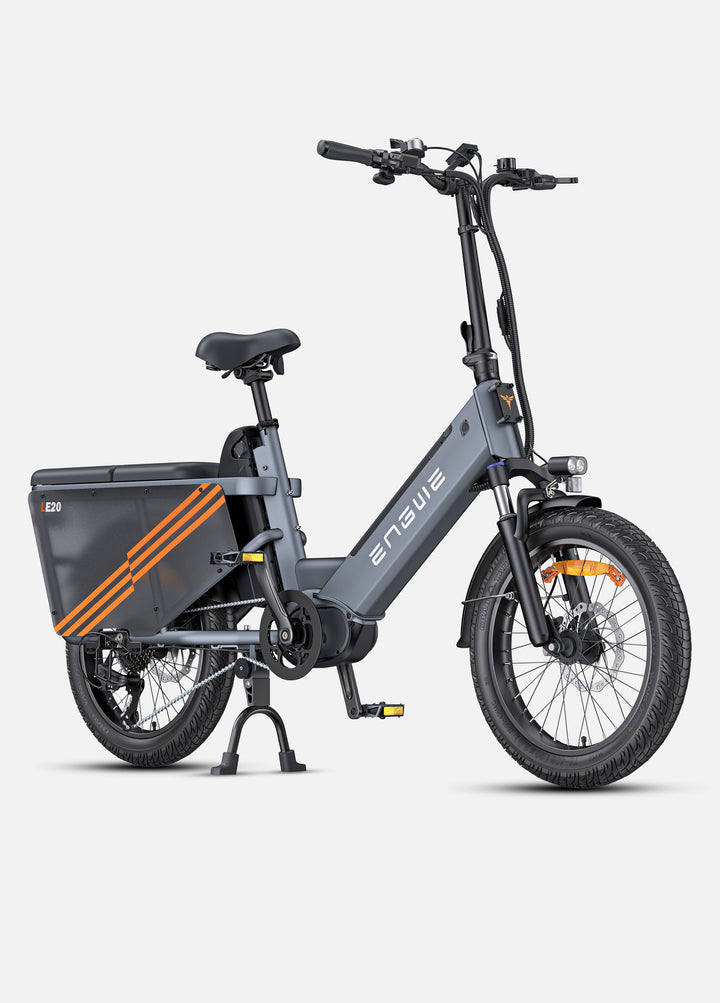
Class 3 Ebike Example – ENGWE L20 3.0 Pro
The ENGWE L20 3.0 Pro is made for people who want a fast and strong bike that still feels smooth and easy to handle. It’s a Class 3 e-bike, which means it can go faster than normal models when you use pedal assist. It’s good for long rides, daily city travel, or anyone who wants quick pickup without giving up comfort.
The bike runs on a 250 W mid-drive motor that pushes out 100 Nm of torque strong enough to climb hills or carry extra weight without slowing down. The full suspension keeps the ride soft and steady, even on bad roads.
Key Features
- Battery: 720 Wh Samsung pack
- Range: up to 160 km per charge (PAS 1)
- Charging: fast 8 A charger, full in around 2 hours
- Frame: folding 6061 aluminum
- Tires: 20 × 3.0 in puncture-proof
- Brakes: hydraulic discs

Class 1 vs Class 2 vs Class 3 — Understanding the Difference
It is worthwhile to get to know how the three major eBike classes operate before you decide what type of e-bike to buy. The classes provide varying amounts of power, speed and control.
This awareness of these differences will help you to choose the one that suits your daily rides, be it the sedate city rides, relaxed commuting or longer journeys.
|
E-Bike Class |
Top Speed (Motor Assist) |
Motor Type |
How It Works |
Best For |
|
Class 1 eBike |
20 mph (25 km/h) |
Pedal Assist Only |
The motor helps when you pedal, stops after 20 mph. |
City rides, park paths, fitness commutes |
|
Class 2 eBike |
20 mph (25 km/h) |
Pedal Assist + Throttle |
You can pedal or use the throttle to ride freely. |
Short trips, relaxed commuting |
|
Class 3 eBike |
28 mph (45 km/h) |
Pedal Assist Only |
Stronger assist for higher speeds. Not always legal on paths. |
Long-distance riders and open-road travel |
The classes are designed to accommodate various types of riders, with Class 1 eBike being suitable for use on safe public roads, Class 2 being used to take part in regular urban trips, and Class 3 being designed to take part in long trips and provide people with an additional speed of riding.
Why Choose a Class 1 eBike?
A Class 1 electric bike will be an excellent choice in the case you prefer a natural riding experience, and you do not need a throttle. It maintains the ride silent, efficient and legal in most routes. It is simpler to maintain and consumes less battery as compared to higher classes, besides being much closer to a regular bicycle.
Whether you’re comparing Class 1 vs Class 2 eBike or Class 1 vs Class 3 eBike, the Class 1 eBike always wins for flexibility and safety. It’s the top choice for beginners, commuters, and anyone who enjoys calm, simple rides.
Conclusion
The best choice is a Class 1 e-bike when one wants an easy, safe, and smooth ride. It provides a reasonable amount of power to assist even when you are peddling, but it still feels like a regular bike. There is no point in worrying about the speed limits or where to ride; it can be permitted on the majority of paths and city roads.
The examples of such models as ENGWE ebikes and Trek Verve+ 2 demonstrate how good such bikes may be, the strong structures, long battery life, and easy control. Be it's to work, school, or even fun, a Class 1 ebike will feel comfortable, secure, and always stable.
Frequently Asked Questions
What is a Class 1 ebike?
The class 1 ebike definition is the model of the ebike where only pedal assist functions are offered and ceases to offer the assistance of the motor after the speed reaches 20 mph (25 km/h). It is not illegal on the majority of the public bike tracks and urban trails.
How fast does a Class 1 ebike go?
A Class 1 electric bike has a maximum speed of approximately 20 mph (25 km/h) with pedal assist turned on. On top of that, you will be dependent on your own power of pedalling.
What’s the difference between a Class 1 and Class 2 ebike?
The notable distinction is that a Class 2 e-bike has a throttle, which means that you can ride without pedalling. They both have the same maximum assisted speed of 20 mph.
What’s the difference between a Class 1 and Class 3 ebike?
Class 3 models are also faster, with a maximum speed of 28 mph, and can be banned on certain bike trails. Bikes of class 1 are slower but more universal.
Are Class 3 e-bikes legal everywhere?
Not always. There are states and countries where they are not allowed to share trails or paths. A local regulation should always be checked before purchase.