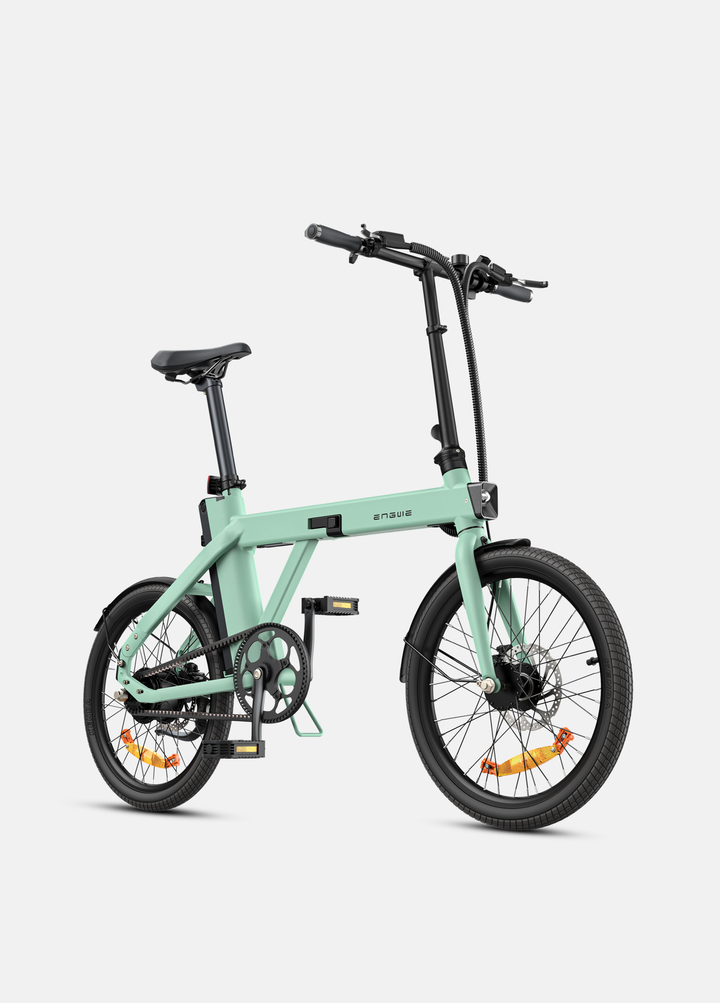
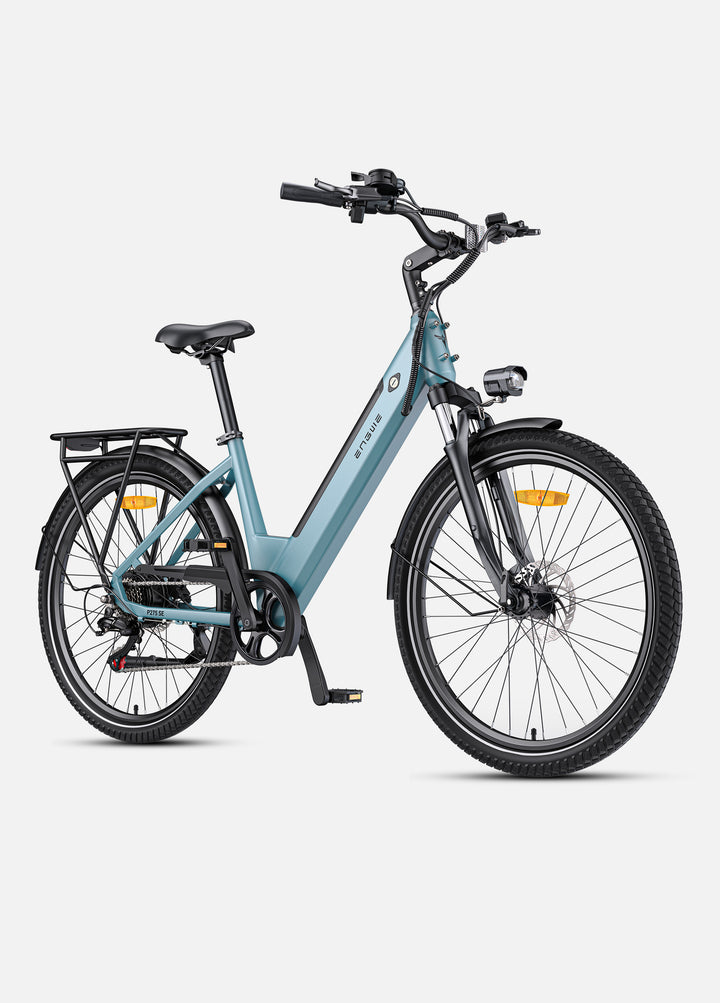
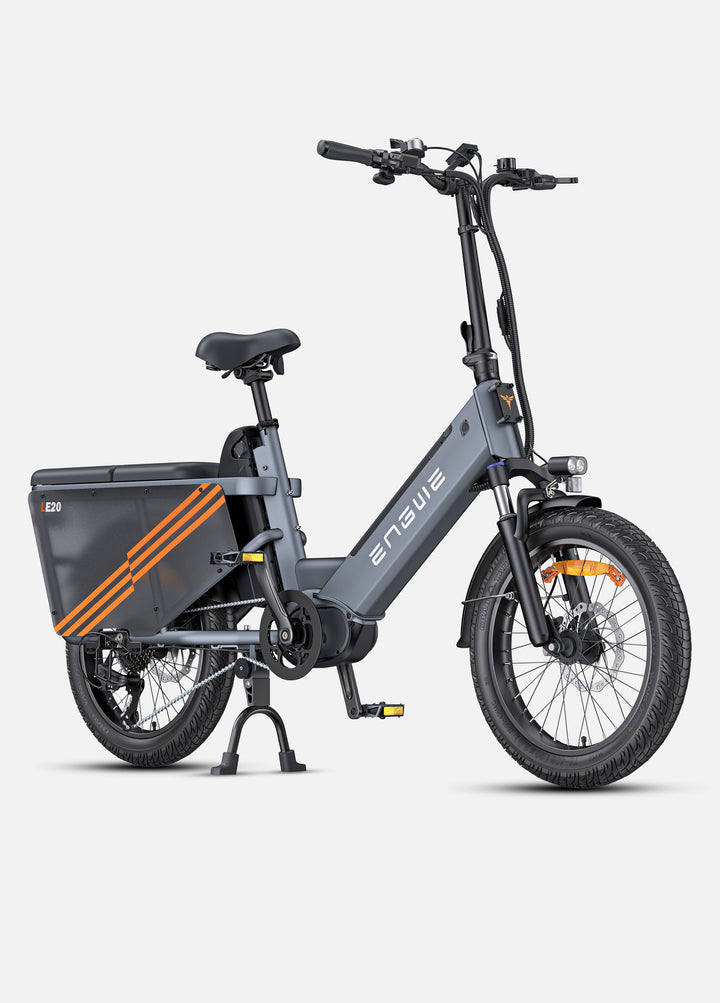
Electric bikes offer us a greener and more efficient way to travel. And, at the center of it all is the ebike battery. Here's a helpful guide to navigating the world of ebike batteries, so you can make a smart choice. Getting to know your ebike battery options is key to getting the best life out of your electric bike.
Looking for a 36V ebike battery, 48V ebike battery, or maybe something with even more voltage? This guide has got you covered with all the basics.

Understanding Ebike Battery Voltages
Electric bike batteries come in different voltage configurations, giving you varying options. The voltage of your ebike battery affects how much power it delivers.
36V Ebike Battery Systems
The 36V ebike battery is a great starting point. It's perfect for casual riders and short trips. With a 36V system, you can expect to get around 20-40 miles on a single charge. The range will vary depending on things like your weight and how much help you need from the motor. One of the best things about 36V batteries is that they're lighter and more budget-friendly than higher voltage options.
Most 36V ebike battery systems pair well with motors up to 350 watts, delivering smooth acceleration. Charging time usually takes 4-6 hours with a standard charger.
48V Ebike Battery Performance
The 48V ebike battery has become a favorite among the community. It strikes a great balance between power and range. With an ebike battery 48v system, you can usually get 30-60 miles per charge.
A higher voltage means better motor efficiency and more consistent power. 48V ebike battery systems can handle powerful motors, which gives you more oomph for acceleration and better performance.
For folding electric bikes, makers usually provide custom 48V folding e-bike battery 10.4ah 12.8ah 14ah replacement ebike battery options. These batteries keep the bike compact.
52V Ebike Battery Advantages
The 52V ebike battery delivers more power and longer range. Expect to get 40-70 miles or more per charge, which makes it perfect for heavy-duty commuters. A 52V ebike battery keeps its voltage higher even when it's getting drained. Riders who often carry heavy loads usually go for these batteries.
72V Ebike Battery Systems
The 72V ebike battery is the go-to choice for high-performance electric bikes. You'll usually find these systems on powerful e-bikes built for heavy-duty use, as they offer better power and range. On the other hand, they're also heavier and pricier.

Dual Battery Systems for Extended Range
Modern electric bike tech has led to the development of dual battery ebike systems. By teaming up two batteries, these systems almost double the available power. A dual battery ebike setup brings a lot more to the table than just a longer ride. You've also got a safety net if one battery fails.
Plus, these systems often do a better job of delivering power, thanks to connections that work in parallel. Load distribution in dual battery systems takes it easy on individual batteries, which means they might last longer.
Battery Capacity and Range Considerations
When picking a battery for ebike, the capacity is a big deal for range. Higher capacity means your ebike goes farther. Capacity options usually start at 8Ah and go up to 20Ah or more.
The connection between voltage and capacity is what decides how much energy a battery can store. For example, a 48V ebike battery with a 14Ah capacity gives you 672Wh of storage space.
The actual range of an e-bike varies a lot depending on a few key things, like how heavy the rider is, the weather, and the way the rider handles the bike. A decent estimate is about 20-30 Wh per mile, give or take.

Ebike Conversion Kit Considerations
If you're thinking about turning your traditional bike into an electric one, an ebike conversion kit with battery is a viable option. These kits usually come with a motor, a battery, and the hardware you need to turn a regular bike into an e-bike.
When choosing an ebike conversion kit with a battery, it's super important that it works with your bike's frame. Where you put the battery also makes a difference, so pick a spot that lets your bike run smoothly. Most conversion kits give you flexibility when it comes to choosing a battery. You can pick the voltage and capacity that fits your needs.
Charging Systems and Infrastructure
A good ebike battery charger is crucial for keeping your battery charged safely. Modern lithium-ion batteries need a specific charging setup to last longer and avoid damage. Standard chargers usually give you 2-4 amperes of power, so a full charge takes around 4-8 hours. Fast chargers give more power, which cuts the time in half.
A lot of electric bikes nowadays can charge with the battery still on the bike, but having a removable battery gives you more options. Some systems even allow you to charge using solar panels or other alternative energy sources.
Battery Lifespan and Replacement
Knowing how long does an ebike battery last is key to planning and budgeting. Typically, lithium-ion batteries are good for 500-1000 full charges before their performance drops. If you take care of it and ride it normally, you're looking at 3-5 years of use.
What affects how long do ebike batteries last in the real world is pretty complex. Extreme temperatures can speed up battery wear and tear. Using the battery heavily by letting it completely drain and then recharging it can also cut its lifespan short.
Battery Management and Safety
Modern ebike batteries have pretty smart systems built in. This system keeps an eye on things like the voltage and temperature of individual cells. It's designed to protect the battery from being overcharged or deeply drained, and it helps prevent issues that could harm the battery or pose a safety risk.
Good-quality battery packs include thermal sensors and voltage monitoring for each cell group. If anything goes wrong, these systems disconnect the battery from the motor.
Look for certification marks like UL and CE when choosing an ebike battery. These marks show the battery meets established safety requirements. It's also a good idea to avoid non-certified batteries.
ENGWE Battery Technology and Offerings
ENGWE stands out when it comes to electric bike battery technology, providing customized batteries for ebike solutions. Their battery lineup shows they're serious about giving riders world-class power solutions.
They provide a range of replacement and upgrade batteries. They focus on high-capacity lithium-ion batteries that include advanced battery management systems.
|
Battery Model |
Voltage |
Capacity |
Energy Storage |
Compatible Models |
Price |
|
ENGWE Engine Pro 2.0 Battery |
48V |
16Ah |
768Wh |
Engine Pro 2.0 |
€359.00 |
|
ENGWE Engine Pro Battery |
48V |
16Ah |
768Wh |
Engine Pro |
€359.00 |
|
ENGWE M20 Range Extender |
48V |
20Ah |
960Wh |
M20 |
€379.00 |
ENGWE Engine Pro Series Batteries
The ENGWE Engine Pro 2.0 16Ah battery boasts the latest in 48V ebike battery tech. This battery packs a lot of power, storing around 768 watt-hours of energy. The original ENGWE Engine Pro Battery has the same specs as its counterpart, with a 16Ah capacity and 48V output.

ENGWE M20 Range Extender Battery
The ENGWE 48V20Ah range extender battery packs a punch with 20Ah capacity and 48V output. This e-bike battery is ideal for long, tough rides where you need a boost. Its 20Ah capacity gives you a lot more time in the saddle compared to standard batteries, making it ideal for commuting long distances and adventure rides.
The ENGWE battery's modular design makes it easy to install and remove. Each battery comes with its own specialized ebike battery charger, which is set up to get the best performance and longest life out of the battery.

Key Takeaway
Choosing the right ebike battery takes some thought. Think of your needs and what you're willing to spend. Whether you go with a 36V battery, a 48V battery, or decide on a dual battery setup for extra mileage, knowing how the tech works helps you get the most out of your e-bike.
ENGWE shows its commitment to reliable power with a range of battery options for electric bikes. They offer several 48V ebike battery choices, including the Engine Pro series and the 20Ah M20 range extender.
The electric bike market is moving fast, with big strides in battery chemistry and charging tech. If you opt for quality parts from trusted brands like ENGWE, your ebike battery will be a solid investment that gives you years of riding.
Finally, the battery is a big part of the total cost for ebikes, so spending a bit more on a good one really pays off.
Frequently Asked Questions
What is the difference between 36V and 48V ebike batteries?
The key difference is in how power gets delivered. A 48V setup is better for motor efficiency, and generally gets 25-50% more range out of it compared to a 36V system. Since the 48V battery keeps its voltage up even when it's running low, you get more consistent performance.
How often should I charge my ebike battery?
To get the most battery life, top up when you hit 20-30% charge left. Don't let it completely drain or sit fully charged. Using it regularly with a partial charge cycle is better.
Can I upgrade my ebike battery to a higher voltage?
Upgrading to a higher battery voltage doesn't go smoothly unless it's compatible with your motor controller. If you try to use a stronger voltage battery in a system designed for lower voltages, you risk damaging the whole thing. So, before you attempt to upgrade the voltage, it's best to check with the manufacturer or a qualified technician.
What factors affect the ebike battery range the most?
Rider weight, assistance level, and tire pressure all play a big role in how far you can go on a charge. If it's cold, you can expect your range to drop by 15-25%. Riding uphill can drain the battery, too.
How do I know when my ebike battery needs replacement?
Signs your battery needs replacing include a lot less range, an inability to keep a full charge, and actual swelling. If you notice your range has dropped below 60-70% of what it used to be, it's probably time to swap it out.