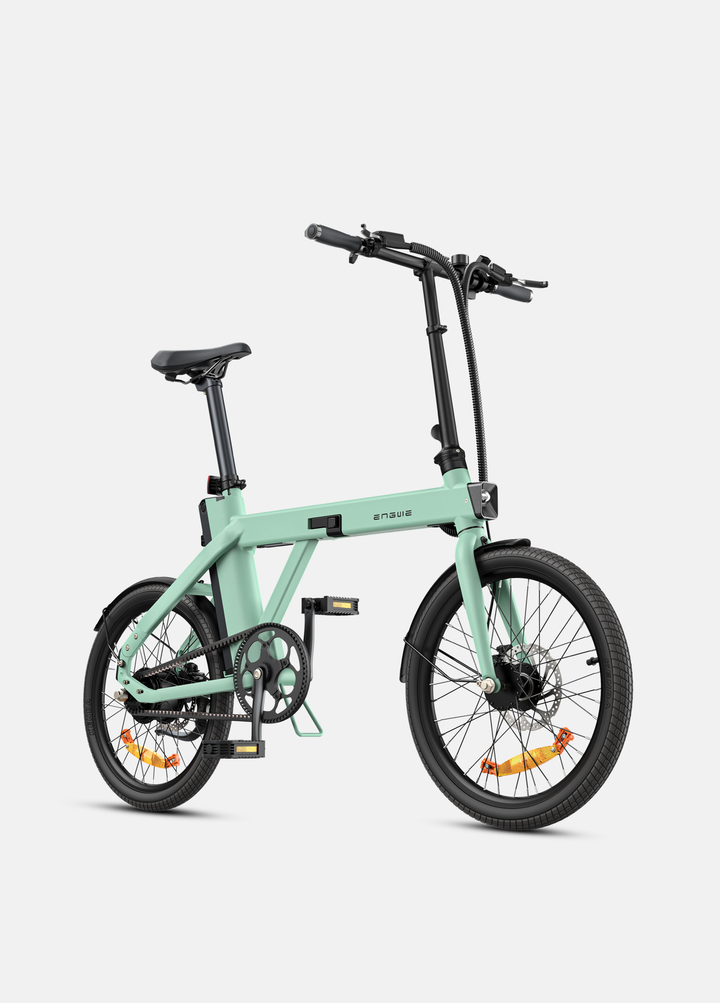
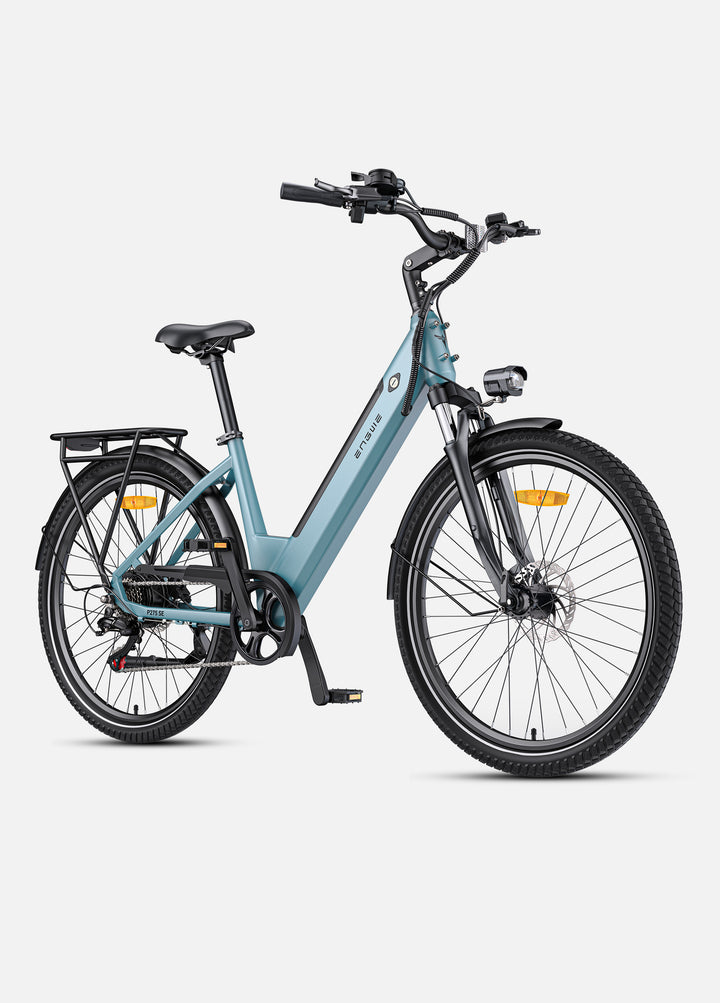
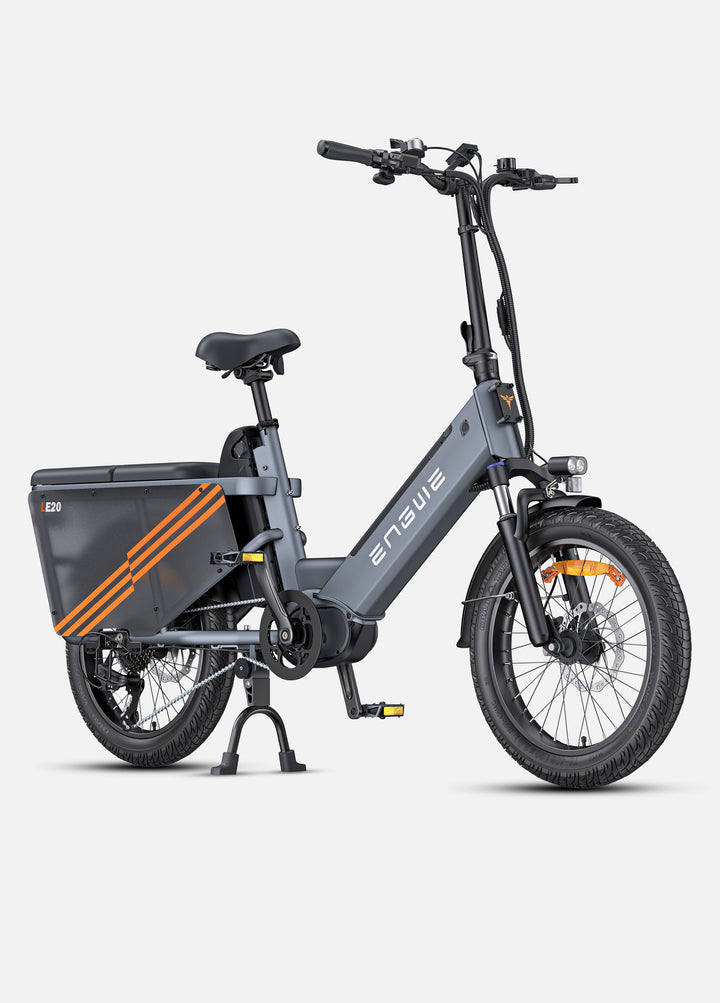
The electric bikes have developed into advanced bikes combining power of motor and peddling. Riders frequently ask themselves about the work capabilities of ebike pedals alongside sensors and why certain bikes seem to ride better or smoother than others. Knowing the pedal assist, sensor, and pedal mechanisms will assist you in selecting the most appropriate combination, be it the comfort, speed, or natural feel of riding.
The electric pedal bikes which are modern utilize either cadence sensor or torque sensor to sense movement and provide the appropriate degree of assistance. Riding on an e bike with pedal support or a pedal powered electric bicycle, or a pedal ebike, having an understanding of how these mechanisms work can dramatically improve the quality and comfort of your ride.

How Ebike Pedal Assist Works
Pedal-assist will allow riders to ride faster with less effort. As you start peddling, the sensor registers the rotation or force and the motor is turned on. This provides a more continuous acceleration without losing the sensation of a conventional pedal bike. There are riders who like an ebike with pedal assist, whereas others like one that has throttle-only modes.
Although certain riders are after the fastest ebike with pedals, the sensation of assistance is more reliant on the type of sensor than motor size. In the meantime, families usually prefer a bike with kids ebike with pedals, moderate pedal assist to make sure that it is safe and yet provide young riders with a pleasant experience.
Ebike Pedal Assist Sensors: Cadence vs. Torque
|
Feature / Behavior |
Cadence Sensor |
Torque Sensor |
|
How it Works |
Activates when pedals begin turning |
Activates based on how hard you push the pedals |
|
Ride Feel |
Steady, predictable boost |
Natural, responsive, athletic riding feel |
|
Best For |
Relaxed commuting, flat routes, beginners |
Hills, trails, dynamic riding, skilled riders |
|
Power Delivery |
Same output at each assist level regardless of pedal pressure |
Adjusts power instantly based on pedaling force |
|
Energy Efficiency |
Moderate efficiency |
Higher efficiency with smoother motor engagement |
|
Acceleration |
Slight delay before the boost kicks in |
Instant response with minimal lag |
|
Pricing |
Usually more affordable |
Often found on mid-range and premium ebikes |
|
Examples of Use |
City commuters, casual riders |
Off-road riders, performance commuters |

Best Types of Pedal Sensors for Different Riders
The selection of pedal sensor is based on your mode of riding, the terrain and to what extent you want the natural feel of the peddling. The cadence and torque sensors both have their benefits though one will be effective with different kinds of riders.
The following is an explanation of the best sensor depending on the type of commuter, beginners, trail riding, or kids.
For Commuters
Torque sensors provide the most comfortable acceleration and utmost efficiency, and daily rides are faster and more comfortable. They assist in keeping the speeds constant and lower battery consumption during extensive travels. The riders who find the best pedal assist ebike tend to go with a torque based system because of its natural ride feel.

For Beginners
Cadence sensors are the best since they need minimal activation, and do not need a great amount of pedaling effort. They provide reliable power supply and make new bicycle riders more confident. A beginner friendly ebike with pedals normally has a basic cadence system, which allows one to ride even when the bike is on low speed.

For Off-Road & Trail Riders
Torque sensors excel on climbs and uneven surfaces. They adjust power instantly based on pedal pressure, giving better traction and control. Serious riders appreciate how well torque systems pair with power-focused setups, such as a fast ebike with pedals or the fastest ebike with pedals.

For Kids
A kids ebike with pedals typically uses cadence sensors for safe activation. The instant but controlled motor response helps children ride confidently without sudden surges. It also supports learning the basics of pedaling and maintaining balance.

Ebike Pedals for Different Riding Styles
There are various riders, who like various types of pedals. Others wear platform pedals because they are comfortable and others wear the hybrid type which has straps or clips. All ebike with pedals enjoy the advantage of good footing and good grip, particularly when one is riding up a hill or at faster speeds.
Those who are contemplating the purchase of an ebike without pedals or an ebike with no pedals should know that these products disable the functionality of pedal assist completely, i.e. work more like a moped and are subject to different local laws.
Best Ebikes With Pedals and Advanced Sensors
Below are five well-optimized rider-friendly options featuring modern pedal assist technology.
1. ENGWE L20 Boost – Torque Sensor Fat-Tire Commuter
The ENGWE L20 Boost delivers a smooth torque-sensor experience with powerful pedal assist, comfortable geometry, and long-range capability. This model suits city riders who want stronger response and more natural acceleration. A 250W torque-sensor fat-tire commuter offering long mileage, stability, and responsive riding. Ideal for mixed urban and suburban conditions, daily trips, and riders who want predictable power delivery.


2. Trek District+ Belt Drive (Chainless Commuter)
It is a high-end belt drive electric bike with minimal maintenance and noiseless operation. Its upright geometry and sophisticated torque sensor make it ride extremely naturally to the delight of riders. A commutator-free, chain-free, and clean commuter that has great pedal coordination, torque, and a long-lived belt. Great for daily city riders.

3. Specialized Turbo Vado SL – Lightweight Fitness Hybrid
The light-weight model is based on sporty geometry and a great torque-sensor accuracy. It is a pedal-assist commuter that is amongst the most sophisticated in the market. A pedal powered electric bicycle quick acceleration, slender frame construction and high-capacity battery good technology.

4. Aventon Level.2 – Affordable Torque Sensor Commuter
The Level.2 is a solid value and it is responsive in torque sensors with a middle-range price range. Its balance and comfortable peddling experience are appreciated by riders. An all-purpose pedal ebike to commuters in need of smooth yet not expensive. Good in mid range daily riders.

5. Bosch-Equipped Urban Ebike – Smooth Pedal Control
Bosch mid-drive systems are also providing some of the most sophisticated pedal assist. Their torque sensors provide unparalleled ride. A high-quality engineering, high-performance, and efficient pedal assist ebike with high responsiveness.

Belt Drive Ebike Reviews: What Riders Love
Belt systems are commended by riders because of their quietness, cleanliness and rust free operation. When it comes to belt drive ebike reviews, it is possible to note smooth acceleration and the fact that they require no maintenance. Belts are greaseless, they do not stretch and last longer as compared to chains hence they are perfect commuting belts in every weather type.
Numerous riders who have changed their systems to belt drives have stated that they have heard significantly less noise on the road and no longer fear winter. Combined with torque sensors, belt drives provide some of the most pedal assisted sensations on the market today.
Belt Drive Ebike vs. Chain Ebike for Commuting
|
Feature |
Belt Drive Ebike |
Chain Ebike |
|
Maintenance |
No lubrication, minimal upkeep |
Requires regular oiling and tension adjustments |
|
Durability |
Long-lasting, doesn’t rust or stretch |
Can rust, stretch, or wear under heavy use |
|
Ride Noise |
Extremely quiet |
Louder due to metal-on-metal contact |
|
Cleanliness |
No grease, stays clean |
Greasy, can stain clothes & components |
|
Best Terrain |
City commuting, all-weather riding |
High-torque off-road and steep climbs |
|
Smoothness |
Very smooth, consistent engagement |
Can feel rough or jerky depending on chain condition |
|
Ideal Riders |
Daily commuters, low-maintenance users |
Aggressive trail riders, high-power needs |
Conclusion
Sensors, drives, and pedals that are part of an e-bike are important to the experience and performance of the bike. The right pedal assist system makes your ride smoother and more efficient regardless of what type of system you are using, be it cadence system or torque system. Whether it is commuter ebikes or trail-ready, the use of pedals and sensors will make you know what model will suit your comfort, land, and purpose of riding.
Frequently Asked Questions
Do you have to pedal an ebike?
Most models work with pedal assist, but some include throttle options. Certain ebike without pedals versions operate like mopeds.
What is the difference between cadence and torque sensors?
Cadence sensors activate when the pedals turn, while torque sensors respond to pedal pressure for more natural assistance.
Are pedal sensors important for commuting?
Yes. A good sensor ensures smooth acceleration, better battery efficiency, and improved rider comfort.
Can kids use ebikes with pedals safely?
Yes, especially a kids ebike with pedals, which often includes gentle cadence sensors for controlled assistance.