Ever experienced that exhilarating sensation from the e-bike’s motor kicking in and just wondering, “How fast can this go?” E-bike brands might advertise gloriously how fast they go, but on the road, they are legally capped at 28 miles per hour.
The speed limits are in place for the safety of the bike riders. Speed limits are not just numbers on papers — they decide where you can ride and how fast you can go on a legal ebike. Based on these rules and speed limits, ebikes are classified into 3 classes.
Riding an e-bike is fun for many, but knowing the limits in place will allow everyone to ride safely while being fully compliant with the law and local rules. In this post, we will explain and distinguish each class for you understand the speed limits and rules so you can know how fast e bikes can go.
The Three E-Bike Classes Defined
To find the answer to the question- how fast do electric bikes go, first look at the classification sticker on your ebike. If it is a legal electric bicycle, it will fall into one of these categories.
1. Class 1 (20 MPH, Pedal Assist Only)
This is the purest form of electric riding and, arguably, the most widely accepted across all types of paths.
-
The Limit: The motor assists you only when you are pedaling, and that assistance cuts out sharply at 20 mph.
-
Key Feature: Crucially, there is NO throttle. This keeps the riding experience feeling exactly like a standard bike, just one with super legs when you really push it.
-
Focus: A perfect choice if you want that true single speed electric bike feeling with a friendly, legal boost.

2. Class 2 (20 MPH, Pedal or Throttle)
Want the option to take a break from pedaling or get an instant power boost from a dead stop? Class 2 delivers maximum convenience for the same top speed.
-
The Limit: Similarly, to Class 1, the top speed limit of an electric bike is 20 mph, at which point the motor stops, no matter how you try to use it.
Key Feature: The main thing that changes the whole situation here is the throttle. In case you want to, simply use a twist grip or a button to get immediate power and go at a comfortable speed without pedaling at all.
The Trade-off: Though permitted on most streets and a good number of bike paths, the presence of a throttle in Class 2 bikes may lead to restrictions on some mountain bike trails of the higher-end nature. It's always a good idea to survey the area for signs before heading out.

3. Class 3 (28 MPH, Pedal Assist Only)
Looking for an electric bike max speed legally? Class 3 ebikes is the short answer.
When you have a long commute to work, have to deal with traffic, or simply want to go faster, you can use this option. Falling in the high speed electric bike category, It offers the highest speed that's legally permitted for a bicycle.
The Speed Limit: A bicycle may go 28mph but only ever so long as you're pedaling.
Key features: 750w pedal assist motors, stronger brakes, and a more durable frame so to handle higher average speeds are commonplace with class 3 ebikes.
What you need to know: A class 3 ebike that has a throttle, is usually capped to 20mph and the max 28mph is only attainable by pedaling. These bikes are fast so they tend to be used primarily on roads and bike paths.

What Determines an Electric Bike's Top Speed?
The fastest ebike speed does exist theoretically. However, legally, that speed varies depending on the state and class of the bicycle. From an engineering and tech standpoint, however, there are many things that determine the electric bike top speed.
Motor strength: E-bikes are legally capped at 750W motor power in the US. However, e-bikes are able to zip across the hills and flat surfaces in seconds. It is the high torque that determines how powerful an electric motor can be.
Battery Voltage (V): Voltage can be thought of as the pressure level at which power is delivered. 52V is definitely a higher number than 48V and can usually cause the motor to be engaged at a higher level… so the bike feels like a higher speed eBike even if it is capped at 28 mph.
Controller Programming: This electronic brain is the gatekeeper. It is precisely programmed to cut power at the electric bike speed limit of 20 or 28 mph. It is the component that makes a bike Class 1, 2, or 3.
Top 5 Electric Bikes to Match Your Speed
Understanding the classes is step one. Choosing a bike that perfectly fits your speed and usage requirements is step two. We have picked four top models that are definitive examples of their class.
Aventon Ramblas (Class 1):
If your local trails only permit Class 1 bikes, this is your winner. Its responsive torque sensor provides smooth, immediate power, making it feel less like a motorized bicycle and more like a highly amplified traditional mountain bike.

ENGWE EP-2 Pro (Class 2):
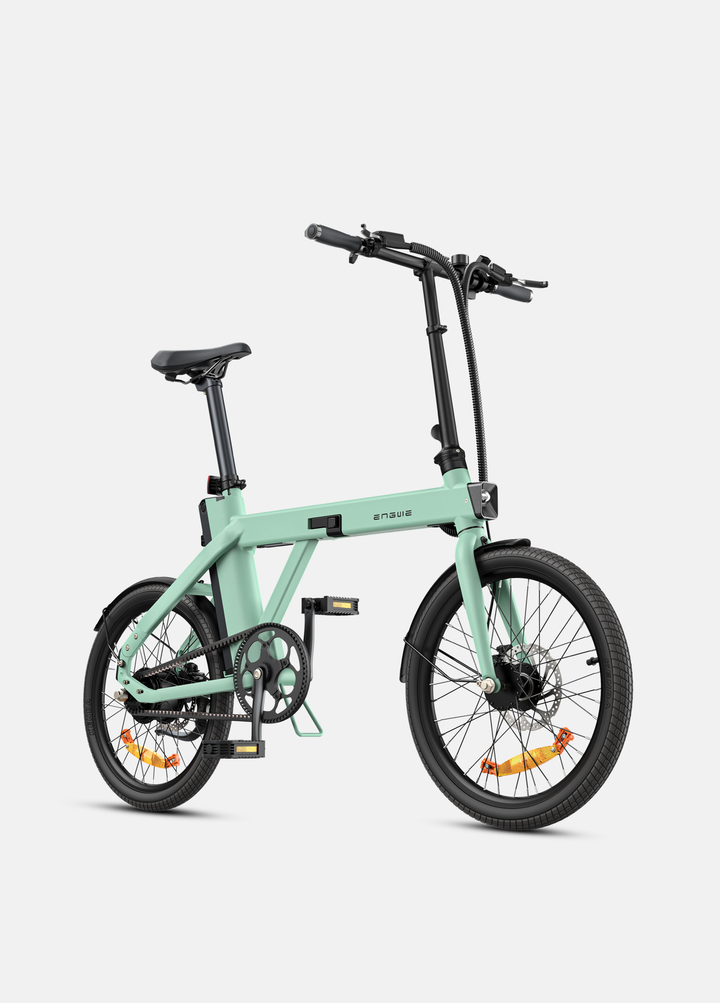
The ENGWE EP-2 Pro showcases the utility of a fat-tire, folding Class 2 bike. It easily hits the electric bike top speed of 20 mph with just the throttle, which is perfect for resting your legs or powering through an intersection quickly. Its sheer utility and price point make it a market favorite.


Aventon Level 3 (Class 3):
This is the machine for the rider who needs to get there fast and legally. Built for the road, it is rock-solid at 28 mph and comes fully equipped with the racks and fenders serious commuters demand.

Talaria Sting R (Beyond Class):
We include this because it directly addresses the search for a fastest electric bike. This is not a street-legal e-bike. It is an electric dirt bike, a lightweight motor designed for unbridled power and exhilarating speeds. Talaria electric bike top speed can go up to 45 mph on private properties.

Super73 R Adventure (LE) (Class 3+):
This is a stylish beast for riders looking for dirt-ready looks at legal speed. In Class 3 mode it hits 28km/h on the pedals, with thumb throttle for quick bursts – when unleashed for off-road adventures, the super 73 electric bike top speed exceeds the capped limit. Thick tires and rugged construction make it a favorite for trails disguised as road legal.

What is the Legal Electric Dirt Bike Top Speed?
What is the legal electric dirt bike top speed? If you’re hunting for speeds that blow past the 28 mph limit, you’re stepping into a world of powerful electric two-wheelers built to thrill. The top speed electric bike? It can hit 50 mph—if you’re off the street and on the right track.
The Legal Classification Cliff
When we talk about hitting 50 mph, that means we are picturing a powerful electric machine like a Talaria Sting R, a Sur Ron. For instance, can you guess the super 73 electric bike top speed after heavy modifications?
The moment a vehicle goes beyond the legal requirements for an e-bike (usually a 750W motor power and 28 mph maximum assisted speed) it’s not regulated by bicycle laws anymore; it is governed by motor vehicle laws.
There is no such thing like legal electric dirt bike speed on public roads for these high-powered models that have been specifically designed to disobey the electric bike speed limit. GT73 electric dirt bike top speed for instance, can easily surpass legal limits when modified or ridden off-road.

Is Electric Bike Speed Limiter Removal Legal?
If you have been searching for answers on how to remove speed limiter on electric bike, you probably want to know if it’s even legal or safe to do so.
Modifying your bike to bypass the electric bike speed limiter is possible, but it carries immediate, severe, and serious risks in three key areas:
Legal Risk: If you change the controller so your speed goes over the legal limit of 28 mph, your e-bike (Class 1, 2, or 3) immediately changes its class. It becomes an unregistered motor vehicle. Without a license and insurance, riding it on public roads may attract you heavy fines and criminal consequences.
The Safety Risk: Your e-bike's frame, brakes, and tires are rated for speeds up to 20 or 28 mph. When you mechanically force the motor to push the bike at 40 mph or more, you are thus tempting the possible fatal rupture of one of these parts. For instance, your brakes may fail to bring you to a stop or your frame may become distorted as a result of the pressure.

What Is the Best Electric Bike for You?
If you are a mountain biker who seeks freedom without any restrictions, then Class 1 is the way to go for you. If you appreciate the versatility and the sheer convenience of a throttle for running urban errands, then Class 2 with 20 mph would be ideal for you.
However, if your main concern is a long, quick commute and riding with the traffic, then Class 3 with pedal assistance at 28 mph would be the best option.
For the safer side, avoid the temptation of illegal speed hacks. Instead, embrace the fantastic performance these ebikes already have. Ride smart, stay legal, and let these e-bikes take you wherever the trail calls.