The e bike battery is the main component of the electric bicycle. Unfortunately, even with the best technology in place, a sick battery will lead to no performance from the e bike. The battery determines distance, motor smoothness, and daily reliability. Knowledge of battery operation brings the ride to a level of safety and smartness.
Riders sometimes give priority to speed or style but then again battery maintenance is vital. Properly cared electric bike batteries would last longer, get charged better and also lower the risk of safety hazards. ENGWE is one of the brands that produces batteries according to European standards but the quality of use and care still depend on every individual rider.
This guide will help you with all sorts of questions related to e bike batteries, like charging, safety, life span, and replacement. The data is user-friendly, trustworthy, and straightforward to follow.
What Is an E Bike Battery?
An ebike battery is a storage device for electrical energy that powers the motor, lights, and display. Nowadays, most bikes make use of lithium-ion cells as they are highly efficient and at the same time, very light.
The main characteristics of an e-bike battery are:
-
Voltage, which determines the power output.
-
Capacity, which is the range of riding.
-
Battery management system for protection.
The electric bike battery 48V is a standard and trustworthy choice. It provides consistent power for everyday commuting and leisure riding.

Common Types of E Bike Batteries
Various e bike batteries are available in the market, designed for different riding requirements.
Among the most common types are:
-
48 volt e bike battery for balanced performance, longer range and stable output.
-
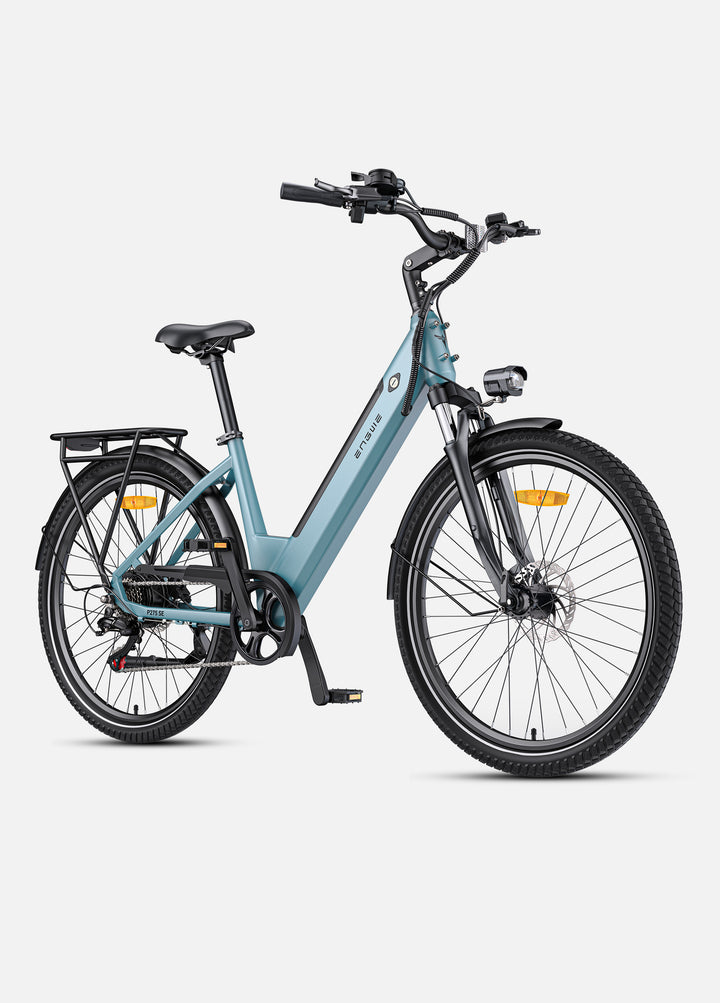
E bike removable battery for convenient charging and storage.
-
Integrated frame batteries for stealthy design.
-
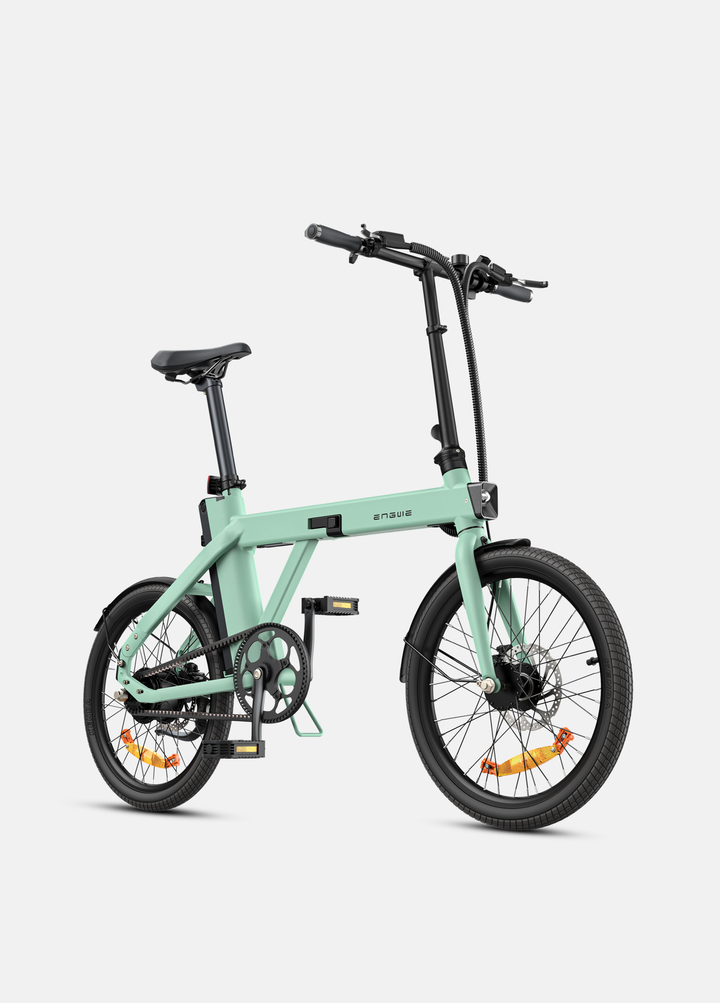
Compact bikes typically use a 14ah, 12.8ah, and 48v folding e-bike battery 10.4ah 12.8ah 14ah replacement ebike battery.
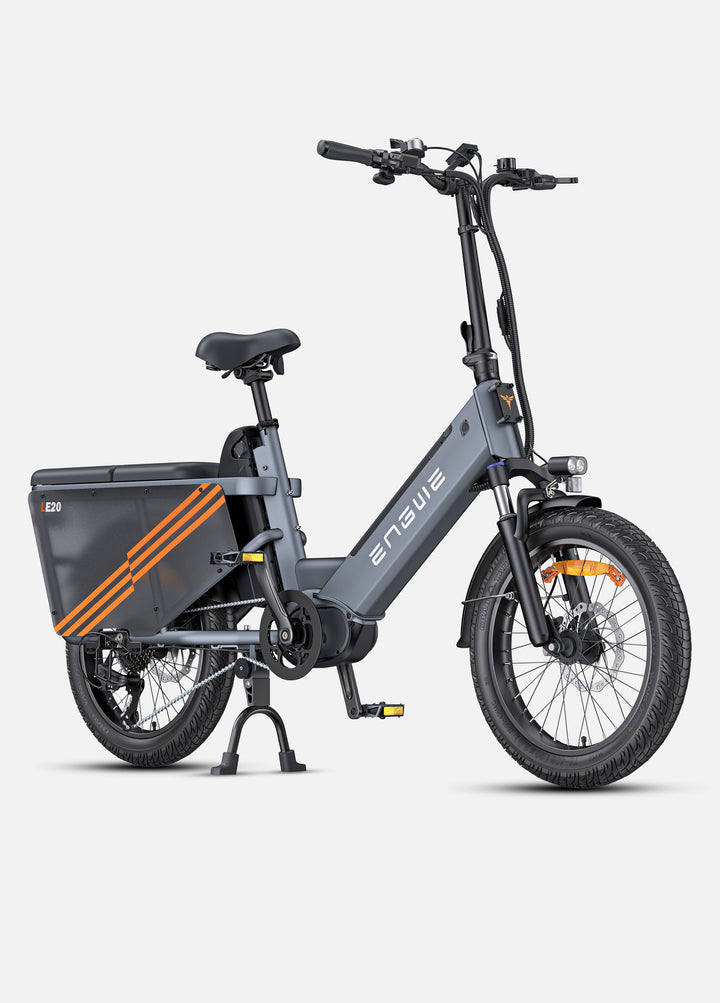
Some riders prefer extended setups like a dual battery e bike, which allows longer rides without recharging. A dual motor dual battery e bike is usually used for heavy loads or rough terrain.
Correctly Charging an E Bike Battery
E bike battery charging done the right way gives the cells a protection and increases the longevity of the battery. The battery charger e bike appropriate for your battery specifications must be used at all times.
Read these charging best practices:
-
Allow the battery to cool down before charging
-
Only use the original e bike battery charger
-
Charge the battery in a place that is dry and well-ventilated
-
Only do overnight charging if it is permitted
There are many ways of asking how to charge an e-bike battery without a charger that come from riders. Doing this is unsafe and is therefore not recommended. If you expose the battery to incorrect power sources, it can get damaged and the risk of fire can increase.

How Long Do E Bike Batteries Last?
One of the most frequently asked questions is how long do e bike batteries last. The majority of decent batteries have a life span of three to five years.
The life of the battery is determined by:
-
Charging habits
-
Storage conditions
-
Riding frequency
-
Temperature exposure
Most e bike batteries are capable of handling 500 to 1,000 charge cycles. Partial charging is always better than full discharge and it helps in preserving the battery health.

Safety Concerns and Fire Risks
Riders very often ask the question, can e bike batteries catch fire when not charging. Fires are very unlikely to happen but still, they can occur in case batteries are not well maintained or that they are damaged.
You can make safety better by:
-
Never heat the battery
-
Do not use faulty chargers
-
Store the battery indoors at moderate temperatures
-
Regularly check the battery
The batteries that are ENGWE-compliant come with built-in safety systems that cut down the risks when used properly.

Removable vs Integrated Batteries
An e bike removable battery offers flexibility and convenience. It allows indoor charging and easier storage.
Steps on how to remove e bike battery usually include:
-
Turning off the bike
-
Unlocking the battery
-
Sliding it out carefully
Integrated batteries look sleek but may require professional service for replacement. Rider must know how to charge e-bike battery without charger.

When Is E Bike Battery Replacement Needed?
An e bike battery replacement becomes necessary when performance drops noticeably.
Common signs include:
-
Reduced riding range
-
Slow or incomplete charging
-
Battery overheating
-
Sudden power loss
Some riders upgrade to higher capacity options like an e bike battery 48v 20ah to extend range. Always check compatibility before replacement.
Selecting the Best Ebike Battery
Choosing the best e bike battery depends on your e-biking needs.
Daily distance
Choose a battery capacity that comfortably covers your regular riding range without frequent recharging.
Terrain type
Hilly or rough terrain requires higher battery output to maintain steady motor assistance.
Bike weight
Heavier bikes consume more power, so they need batteries for e bike with sufficient capacity for consistent performance.
Charging access
Easy access to charging locations helps determine whether a removable or integrated battery is more suitable.
Avoid batteries with unrealistic parameters that fall outside European standards. Certified battery options ensure safety, compliance, and long-term reliability.

Conclusion
Your e bike battery is one of the most important factors in the performance, as well as the comfort of the e bike experience. Proper charging of the battery, taking good care of it, and replacing it on time can increase the lifespan of the battery.
If the rider understands the different types of batteries, how to handle them safely, as well as the facts of e bike batteries, they can have an enjoyable experience using the electric bike.