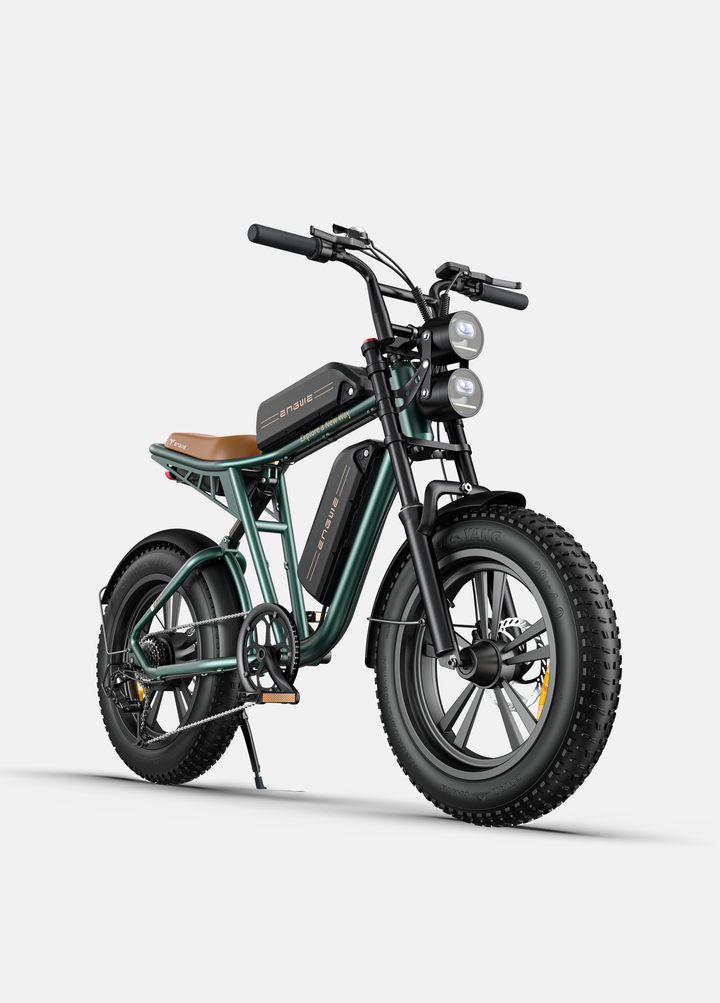
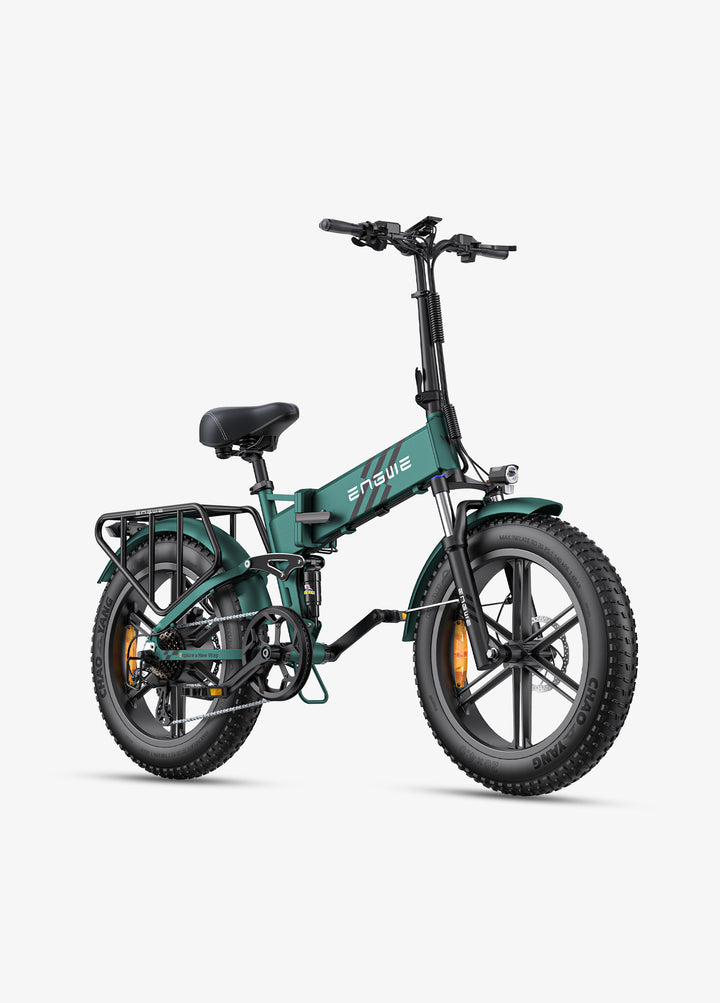
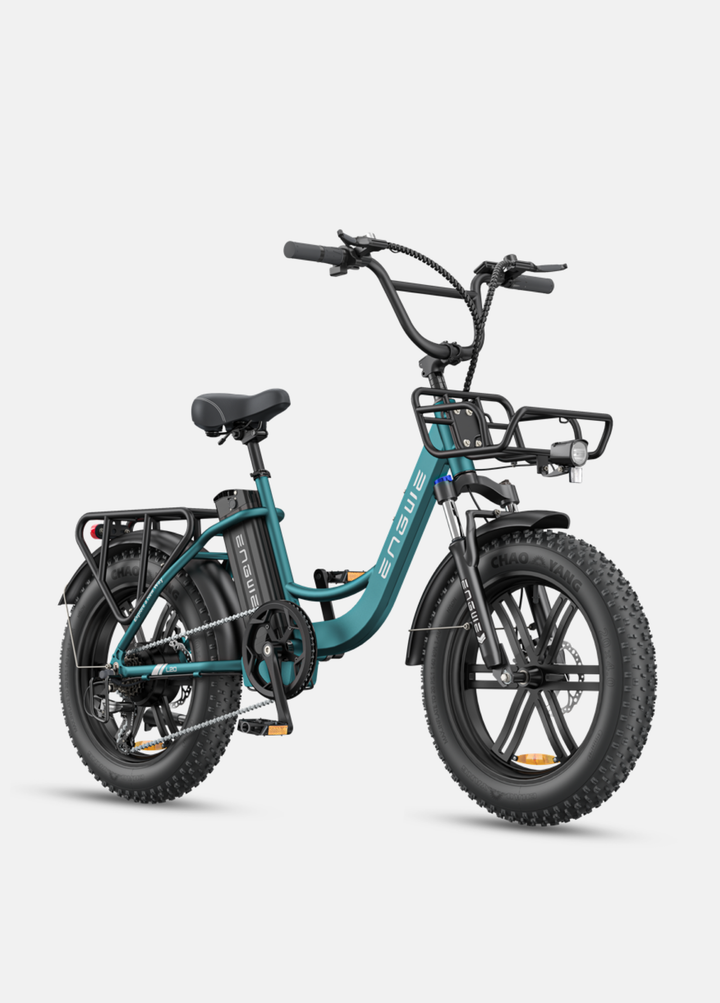
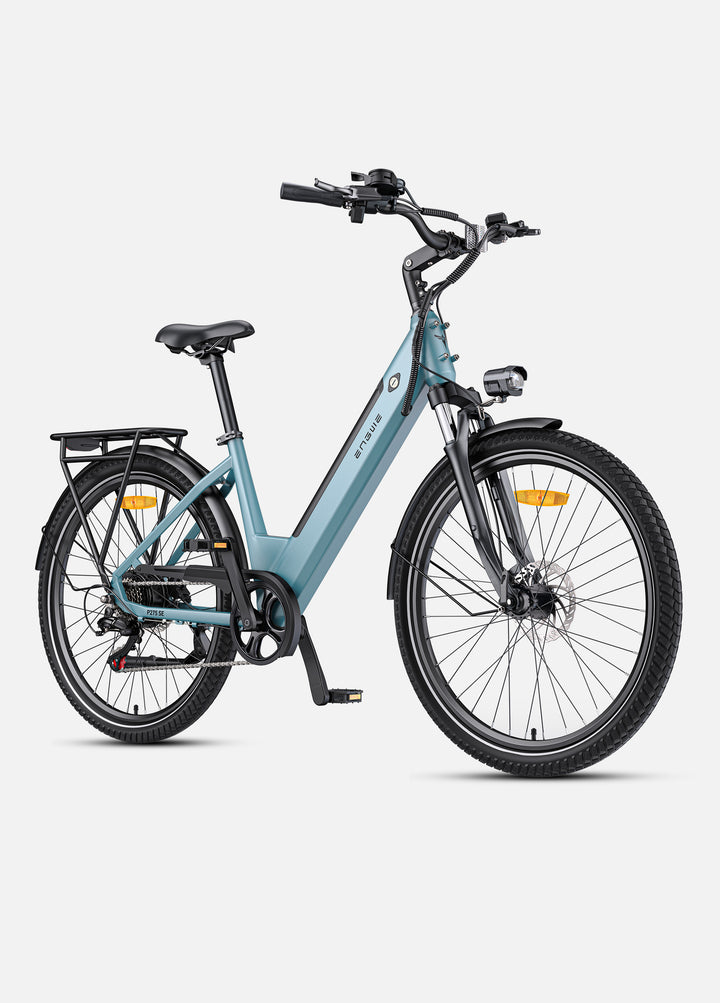
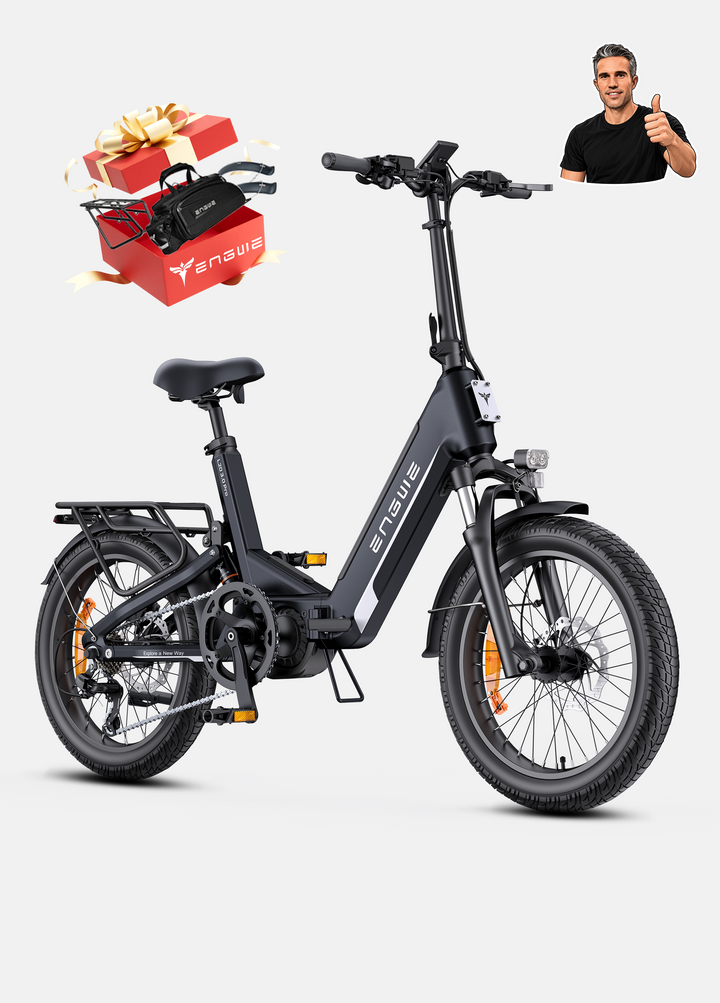
Riding a car or any other means of transport to work may prove to be costly, time-consuming, and even stress-inducing for some people. The use of an e-bike proves to be a viable solution by providing the user with a less expensive way of commuting while making full use of both a motorized and bicycle ride.
The ideal selection doesn’t have to be the least expensive model or even one packed with numerous features like the ENGWE M20. Value is best achieved when there is a perfect balance of cost, battery capacity, motor power, comfort, safety, and maintenance considerations.
We will discuss in this guide the factors that make an electric bicycle a great deal for daily commutes, the features you should consider spending on, how you can assess the total e bike price, and other related stuff. So, let's get down to business!

4 Key Technologies That Determine E-Bike Prices
After figuring out which type of e-bike best suits your needs, you may ask yourself why two almost similar-looking bikes cost differently. By understanding e-bike prices, you will be able to better understand what you are getting for the particular e bike with price you want to purchase.
Usually, the answer is dependent upon the motor, sensor, battery, and component system.
1. Sensor Technology: Cadence Sensor vs. Torque Sensor
E-bike sensor technology influences its overall ease of use and can also affect the price for e bike models.
The cadence sensor senses whether you are cycling or not. If you are, the motor gives support. This setup is cheaper and is ideal for recreational cycling.
The torque sensor senses the force at which one pedals. The higher the force used, the more assistance provided by the motor. It is a much more realistic ride since the bike provides assistance according to the effort that the rider uses.
In urban cities where one has to travel every day, a torque sensor is very useful. It provides smooth start-ups at traffic signals, better vehicle control, and more economical usage of battery during longer trips.
This is what makes torque sensors increasingly popular in economy-conscious commuter and cargo e-bikes. Several ENGWE ebike models like the ENGWE E26 3.0 Pro utilize the torque-sensor design to provide smooth pedal assist during regular cycling.


2. Motor Type: Hub Motor vs. Mid-Drive Motor
The e-bike price is affected by the motor among other factors.
Hub motors are the most common type used in budget and middle-range e-bikes. Hub motors are fitted either at the front or rear wheels. These motors are easy to manufacture, efficient, and economical, making them a favorite for commuters and casual users alike.
The mid-drive motors tend to be more costly. This is because they are situated near the pedals and use the bike’s drivetrain system to function. The result is that they provide a more natural feel while cycling, especially when going uphill. For instance, ENGWE M20 is meant to provide the user with an enjoyable ride for daily use.
So then, does one always require a mid-drive motor? Not necessarily!
If the area that you reside in is not hilly, a hub motor will work best for your daily needs like commuting and shopping. If your place is quite hilly and you have a need to transport heavy loads, mid-drive motors will be more suitable for you.
The motor with the highest prices for e bikes may not necessarily be the most suitable option. It depends on how you ride and where you ride.


3. Battery Lifespan vs. Battery Capacity
However, most consumers consider range alone, posing the question: “How far will this electric bike travel?”
That is significant, but that is not the entire story. Rather, the better question would be: “How long does the battery last, and how easily can it be replaced?”
Lithium-ion e-bike batteries tend to have reduced capacities over time due to several reasons, including charging behavior, temperature, storage conditions, miles covered, and the quality of cells themselves. This is significant considering that many cyclists keep their e-bikes in a garage, apartment, shed, or vehicle at home.
A replaceable battery is very useful since it enables you to:
- Recharge the battery inside.
- Store the item away from hot and cold extremes.
- Remove the battery and not the entire bike.
- Pack additional batteries if you require further mobility.
For instance, the ENGWE P275 SE is available with a removable 36V 13Ah battery, thereby rendering it ideal for use as a commuter vehicle. The use of a removable battery helps reduce ownership cost since the bike can still be usable even when the original battery gets old.


4. Key Components: Brakes, Drivetrain, Tires & Frame
Since e-bikes are both heavier and faster than normal bikes, parts become essential.
The main sections are:
- Brakes: Although hydraulic disc brakes cost more than mechanical brakes, they deliver better braking force. This is significant especially when commuting, using wet roads, riding downhill, and carrying loads.
- Drivetrain: The smoothness of gear shifting and ease of maintenance are ensured with a dependable drivetrain. Using standard parts also makes local bike repair easier.
- Tires: Tires have an impact on comfort, traction, durability, and rolling efficiency. Large tires will give stability and comfort in poor road conditions, whereas tires for cities are better suited to commuting.
- Frame and payload: A greater payload capacity will generally mean enhanced frame construction. This is particularly crucial for cargo e-bikes and people who ride with heavy weights.
The cheap e-bike with bad brakes, bad tires, and unreplaceable parts will turn out to be more expensive in the end. The practical and replaceable components of a bike are expensive at first but will eventually save money. This is the reason why considering something more than the price of e bikes is crucial.

3 Hidden Expenses That Add to E-Bike Ownership Costs
The true price of an e bike is not entirely known when paying for it. This happens over months and years of owning the e-bike because it is when you need to get the bike serviced or replace its parts that the cost is fully realized.
An e bike low price might sound like a good choice, but in cases where its components are rare, the battery is not replaceable, or it features an electrical system that is exclusive and therefore difficult to repair locally, its overall costs can increase rapidly.
That is why buyers should consider more than the sticker e bike prices and instead consider a more relevant question: How maintenance-friendly and cost-effective would this e-bike be in the next three to five years?
1. Repair Costs: The Local Bike Shop Test
Repair work on the bike becomes one of the major hidden costs, especially when the repairs are required on the motor, controller, cables, battery, and frame. The usual cost of repairs starts from about $35 for electrical diagnosis and up to $70 for repairs on the motor or cables, $100 for spokes replacement, and even up to $200 for frame replacement.
That is the reason serviceability is important. A bike that uses replaceable parts and standardized components is easier to test and repair by local bike shops. The bikes using proprietary parts or closed systems may have an aesthetic appeal but could be costly to service.
While purchasing the e-bike, you should look for the warranty, part availability, and service centers in your area. An easily serviceable bike will also assist in lowering your expenses. Not only think about the electric e bike price now but also think about the ease and cost of maintenance in the future.

2. Battery Replacement: The Hidden Cost to Consider
The replacement of a battery can be considered one of the most concealed expenses when using an e-bike. The lithium-ion battery degrades its capacity over time, limiting the distance that the bike can travel. When it is integrated into the frame or customized, replacement is not easy.
This is why replaceable batteries are so significant. It makes the process of charging easy, and one can restore the range of their bike without changing the entire e-bike.
ENGWE electric bike Models like the ENGWE Zip utilize replaceable batteries that are easier to recharge and replace, making long-term ownership more feasible. In the end, battery quality is not only about how much distance it gives you, but how affordable it is going to keep your e-bike operational in the long run.


3. Security Costs: Locks, Storage & Theft Protection
E-bikes are quite precious, and therefore, protection against theft is an important aspect of their true cost of ownership. Some riders pay more money to ensure they have a good U-lock, chain lock, GPS tracking device, insurance, and secure storage. In urban areas, transit centers, universities, and businesses, this can be an important cost factor.
Selecting an e-bike that fits into your storage space can be a way of reducing this cost. This applies especially when you live in apartments where it will be easy to store your bike in indoor spaces.
Smart features like keyless entry, bike-tracking, mileage, and ride statistics can also offer additional convenience and security. However, they must supplement but not substitute for a reliable physical lock.

Conclusion: How to Calculate the True Cost of an E-Bike
So, how much is the e bike best price? The simple answer would be: Most good electric bikes cost anywhere from $500 to $3,000+ dollars, but the better answer would be that your actual cost will vary depending on many other factors.
Follow this formula when purchasing: True E-Bike Cost = Sticker Price + Maintenance & Hidden Costs − Incentives & Long-Term Value
An e-bike that is worth $1,200 but has a removable battery, hydraulic brakes, ordinary parts, good support, and reasonable range could be cheaper after three years than an e-bike worth $800 that has weak brakes, poor battery support, limited services, and no resale value.
Ready to purchase the perfect e-bike? Do your comparisons and select one that suits you perfectly for commuting to work!
Frequently Asked Questions
How much should I spend on an e-bike for commuting?
How much should I spend on an e-bike for commuting?
A budget range of $1,000 to $2,500 will give you satisfactory performance and reliability. Do not go just by the best e bike price but consider battery life, motor, brake system, warranty, and customer service.
How far can a commuter e-bike travel on one charge?
How far can a commuter e-bike travel on one charge?
The average commuting e-bike like ENGWE P275 SE is able to cover a distance of about 30 to 60 miles on one charge, but all depends on the battery size, the nature of the terrain, rider’s weight, the speed, weather conditions, and the degree of pedal assist.
How long does an e-bike battery last?
How long does an e-bike battery last?
An effective lithium-ion battery may last for many years, depending on usage, charging practices, storage, and temperature conditions. Selecting one of the best priced e bikes with the ability to remove the battery can ease its replacement in the future.
Is an e-bike cheaper than driving to work?
Is an e-bike cheaper than driving to work?
Usually, yes. E-bikes like ENGWE E26 3.0 Pro tend to be cheaper to maintain, operate, park, and power than conventional vehicles. This will depend on the cost of the bike, commuting distance, and frequency of use.
Is a more powerful motor always better?
Is a more powerful motor always better?
No. High power is necessary for tackling hilly areas and loading cargo; however, this may contribute to extra weight and high cost. In the case of regular commuting in urban areas, medium-powered engines suffice, ensuring that the e bike best price remains competitive.