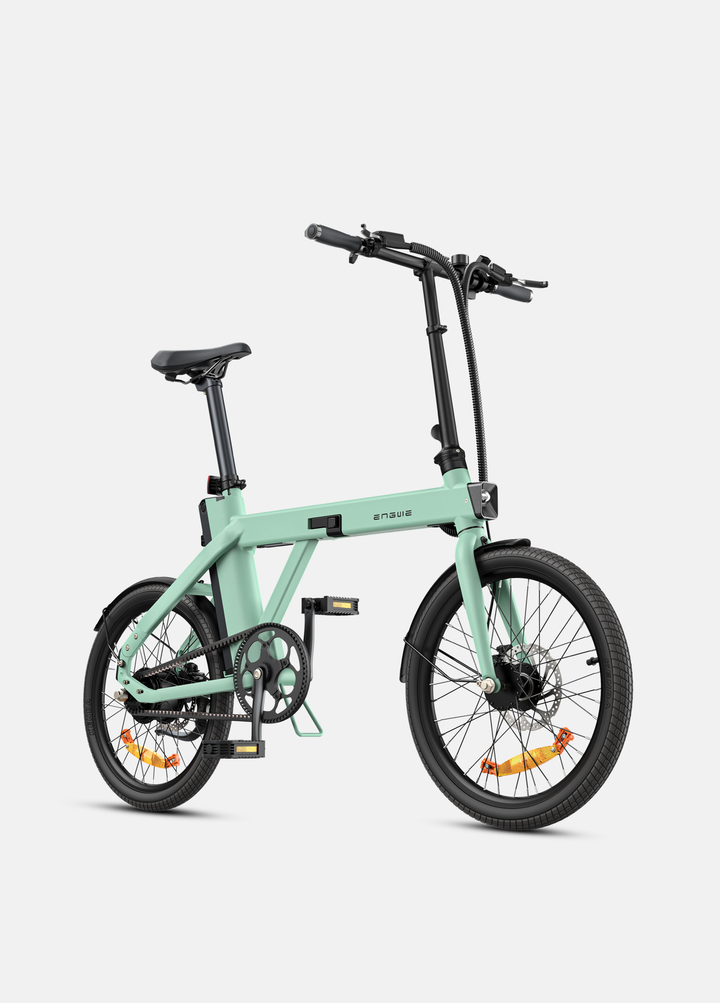
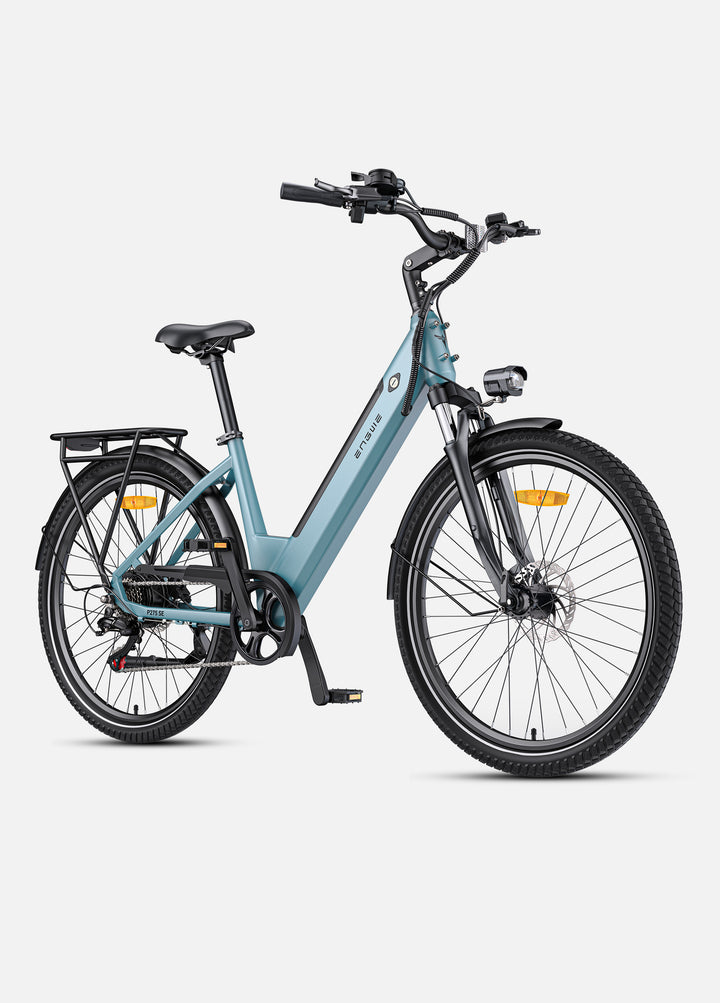
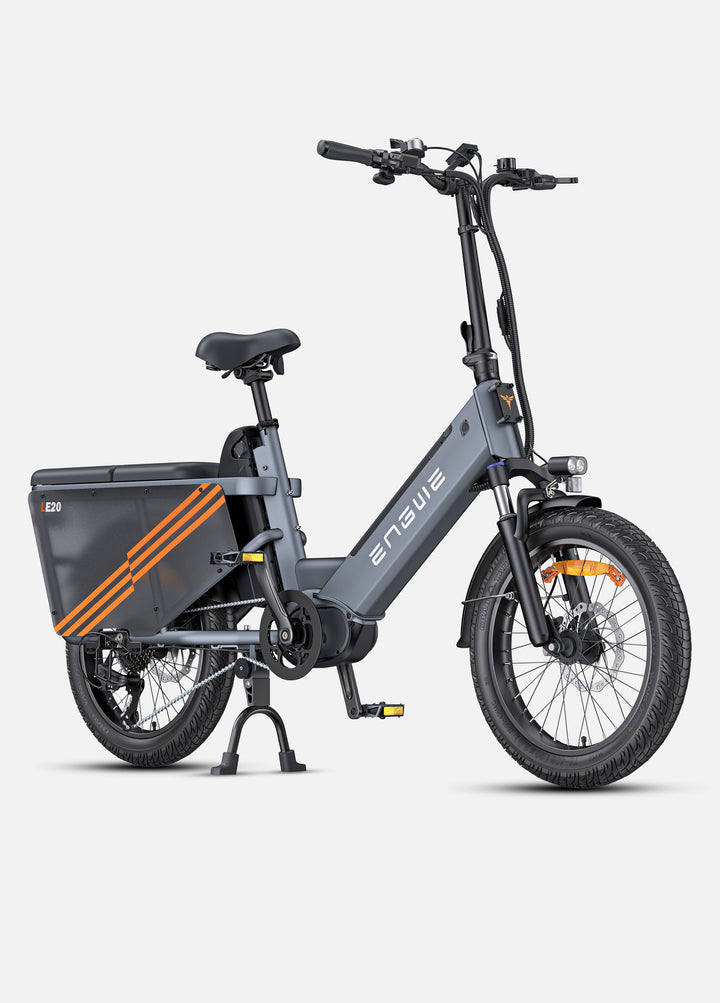
Understanding how a cargo ebike works under load helps riders select the correct cargo ebike to carry out errands, commuting, or transporting the kids to school. Front and rear cargo layout varies in terms of weight distribution, which has an effect on steering, braking, and comfort for the rider.
Such variations are helpful in case of carrying groceries and work equipment, or passengers in the family.
Many bike makers are producing their own models of an electric cargo bike based on long-tail frame designs or compact front-loading designs. Riders experimenting on the best areas to place their loads usually compare the balance, load placement, and real-world control.
What Is a Cargo Ebike?
A cargo ebike is an electric bicycle that is either designed to support larger loads than standard models with reinforced frames, extended racks, or specially designed platforms. These bikes facilitate the competition to carry children, groceries, work supplies, or additional equipment at a lower effort by the rider.
The setup in these models can be a rear cargo rack, a large front basket, or an ultra-extended frame. Many riders want an ebike cargo, an ebike with cargo rack, or a cargo ebike for sale. This huge interest shows that these bikes are in demand among many people.

Front Cargo Ebike Handling
On a front cargo ebike, most of the weight is placed in a front-mounted box or a rack. This arrangement puts the weight right above the steering section and gives the bike a different feel compared to the conventional ones.
Riders experience a heavier turn at lower speeds because the steering has an increased load. Front-mounted cargo also allows the riders to have a view of the children, pets, or delicate items without having to turn.
When searching for a front cargo ebike or the best cargo ebike 2025, these bikes may be featured as the ones that are preferred by people who may need close monitoring, as well as stable handling at low speeds.
With higher speeds, there are riders who need time to adapt to the increased steering mass. Most people use front loaders without fear, as they even use them in the busy urban traffic.

Rear Cargo Ebike Handling
A rear-loading ebike cargo bike weighs the rider, usually on a lengthened rear rack. This design continues to steer light due to the fact that the load does not affect the front wheel. In a way, the bike can be more comfortable for new cargo riders.
Cargo models are better on long commutes or at high speeds because of the constant tracking. They can also fit families with electric bicycle 2 seater setups or having long-tail carriers, which are frequently mentioned in the best family e-bikes and best cargo ebike for families comparisons.
Conversely, when the heavy weight is put slightly behind the rear axle, starting or stopping could be a problem, especially on hilly or sloping surfaces. Correct distribution of weight helps in ensuring that control is predictable.

Cargo Trailers and Additional Load Options
When more flexibility is required, riders use a cargo trailer for ebike or a special ebike cargo trailer. Trailers assist in distributing weight to a greater number of wheels, making the bike less straining. This alternative is useful for riders who have goods, food, or those who are camping.
Trailers are also useful for changing bikes, and this creates more flexibility as compared to single racks or long frames.

Folding Cargo Ebike Options
A folding cargo ebike is useful in small residential areas. The designs are easy to transport and store, and therefore are attractive to riders who have small apartments or share a garage. They have high load capacity, though they have a small frame.
Mixed travel (where a rider takes trains but for short journeys) is becoming popular in the fold design.
Front vs. Rear Cargo: Key Handling Differences
-
Weight placement: Front loads transfer weight to the steering end, which influences low-speed turning. The rear cargo is light steering but should be well-balanced when fully loaded.
-
Visibility: Front cargo enhances the visibility of delicate or important things. Rear cargo is used to provide open space in the front end and make the bike natural to riders who are familiar with regular bikes.
-
Stability: Front loaders are stable at low speeds but not at turning speeds. Rear loaders are more comfortable at a higher speed, particularly when traveling over long distances.
-
Family Use: Rear cargo designs can better accommodate electric bicycle 2 seater arrangements since long-tail frames can accommodate child seats or passenger pads.

Examples of Popular Cargo Ebike Models
Most cargo ebike reviews and analyses of cargo bikes are listed below. All of them emphasize a variety of load positioning, stability, and everyday use.
Lectric XPedition Cargo Ebike
It has a long-tail rear-cargo design and a small frame that is well balanced to carry weight on commuting or on errands. Its stability during loading, tracking, and its flexibility in accessory connections are valued by the riders. It still continues to be a favorite benchmark of riders investigating viable rear-cargo designs.

Aventon Abound Cargo Ebike
This model has a step through frame that makes it easy to get on or attach the loads to the bike. It has baskets, bags, and family-friendly accessories on its rear rack, thus being versatile and applicable in everyday life. The design is effective in the drop-offs to school, shopping, and short-distance travel.

ENGWE LE20 (Cargo-Ready Step-Thru Model)
The ENGWE LE20 has a high utility/comfort/carrying capacity ratio. Its step-through frame also allows riders to load family accessories, tools, or groceries easily. The LE20 is suitable for daily transportation in different conditions due to the support of a variety of cargo, which provides a stable ride.


Urban Arrow Family (Front Loader)
The strong visibility and controlled low-speed handling are provided by a front-cargo box that lies in the middle between the rider and the wheel. This design is the favorite design among parents during the time they are riding. Its front loader design is stable and can be easily turned and controlled in a congested urban area.

ENGWE L20 Boost (Utility-Focused, Rear-Cargo Support)
The ENGWE L20 Boost gives a comfortable rear-cargo design and stable handling in city or mixed routes. Its step-through frame and practical rear rack ensure that loading it is easy and manageable daily. Its balanced geometry and supportive ride feel have made it a favourite among riders when performing errands, local travel, and light cargo duties.


Conclusion
Front and rear cargo designs provide a good riding experience. Front loaders are very visible and stable at low speeds, whereas rear cargo bikes are light at the handlebars and stable at commuting speeds.
The type of load, route type, and daily requirements are the factors to be taken into consideration by riders selecting a cargo ebike to find the proper one.
Frequently Asked Questions
What is a cargo ebike?
Cargo ebike is an electric bicycle that is made to support higher weights with stronger frames, longer racks, or front boxes. These bikes allow their riders to move the work equipment, children, or groceries at a lower cost. The placement of loads, capacity, and handling is different by model.
Is a front cargo ebike harder to ride?
The front cargo bikes are initially different as the wthe eight is placed above the steering scenario. Slow speeds make turning more difficult, though the stability at low speeds increases with time. This is one of the features that many riders enjoy, being quite visible and stable after they know how to handle it.
Is a rear cargo ebike better for families?
Rear cargo is a good model to use in a family set-up since long-tail frames accommodate child seats and equal distribution of passengers. The steering is not heavy, and this is useful on long rides. Front loaders can also be used by families, but they need more practice in steering the weight.
Can you tow a trailer with a cargo ebike?
Yes. A large number of riders add a cargo trailer for ebike when the riders require additional space to carry equipment, groceries, or traveling supplies. Trailers spread the weight on more wheels, which reduces the stress on the main frame and enhances balance on the longer routes.
What is the best cargo ebike for 2025?
The optimal option would be determined by the size of the load, the landscape, and domestic requirements. The most popular are long-tail rear cargo bikes, front-box-family, and compact folding cargo. The stability, weight distribution, and compatibility with accessories are the key aspects of the best cargo ebike 2025 that riders compare.