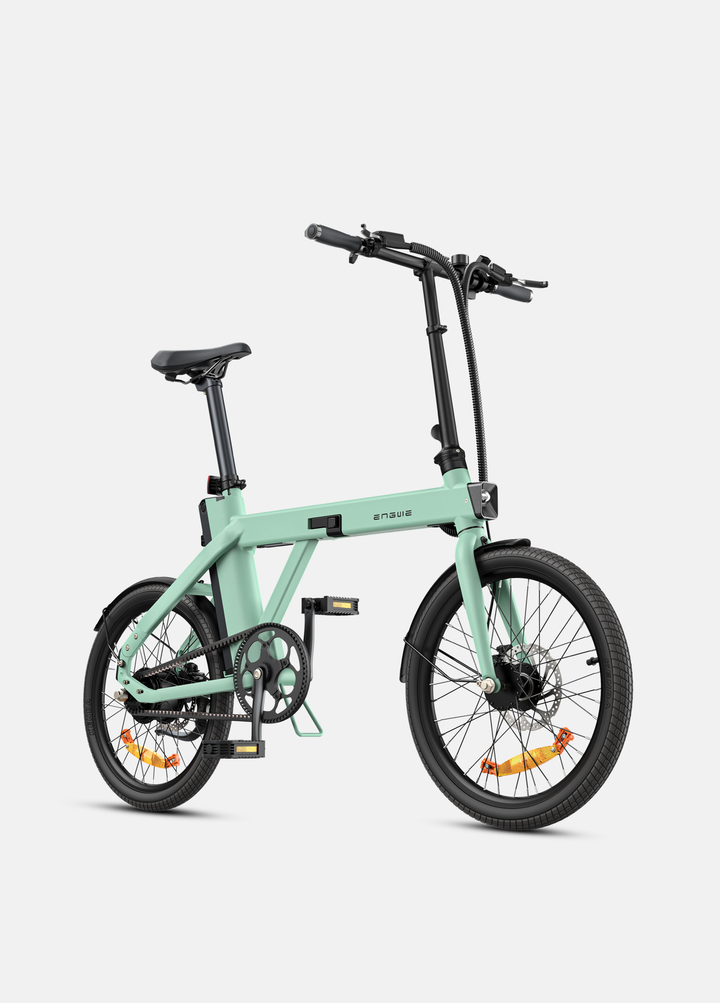
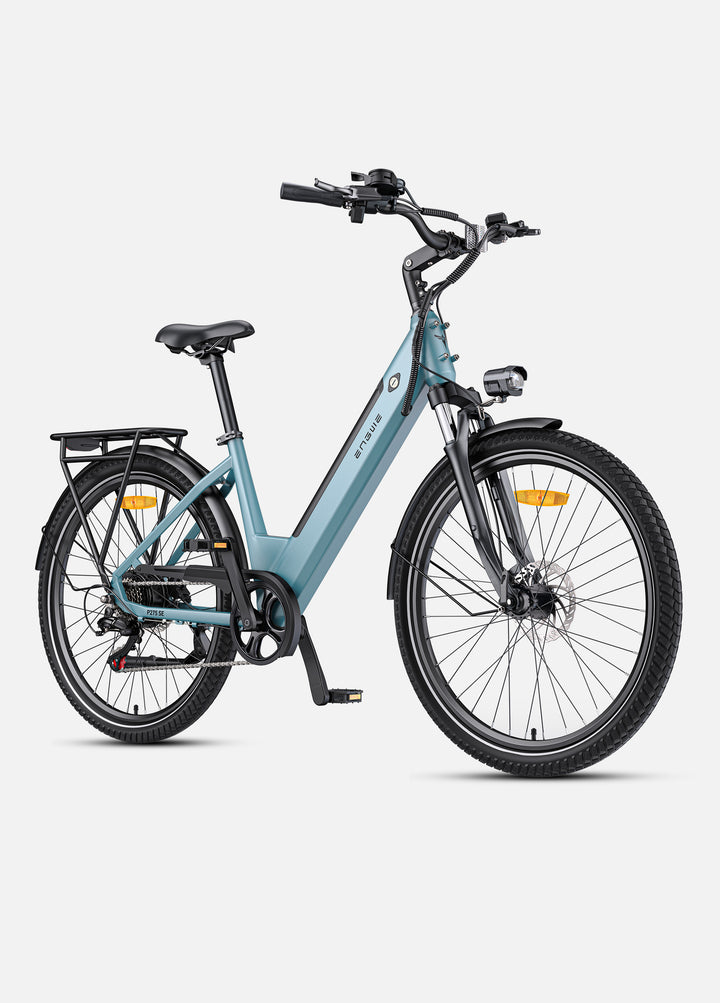
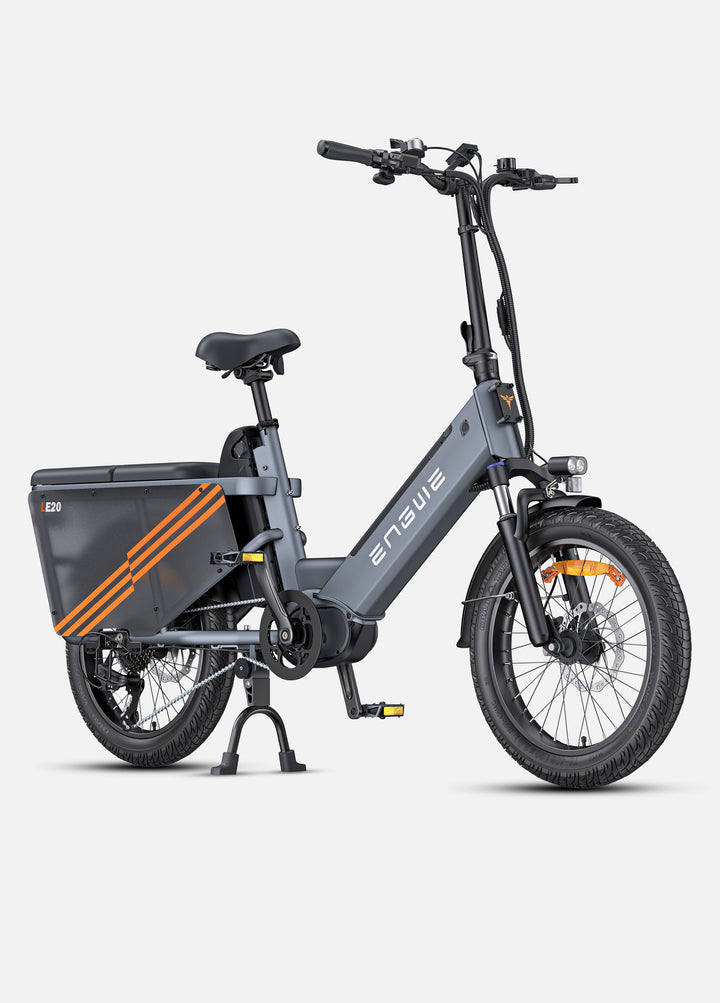
The design of electrically powered mountain bikes with full suspension or hardtail is generally influenced by the nature of the ride. Each of these has its advantages in a certain kind of terrain or a particular style of riding.
Today, the e-bike industry offers a wide range of choices, and full suspension ebike accounts for almost 40 percent of all off-road ebike sales. Meanwhile, the hardtail is mostly spotted in the city and taken on rides in slightly tough situations. This article compares these two ebike types. Let’s get started!
Why This Comparison Truly Matters
The decision to go for a hardtail or full-suspension electric bike greatly changes how you ride. A hardtail e-bike has a stiff frame with a suspension that absorbs shock only in the front fork, whereas a fully suspended pedelec has suspension systems at both the front and the rear.
It is necessary to think about what kind of terrain you usually have, how comfortable you want to be, and whether you can manage the maintenance before figuring out which model will fit your needs the most. The points in this comparison are the main features that help you in choosing the best electric mountain bike that matches your needs and likes.

What is a Full Suspension Ebike?
A full suspension electric mountain bike is equipped with an electric shock at both the front and the rear to absorb any rugged terrains and give the rider not only stability but also comfort. Most of the dual motor full suspension ebike comes in the range of 250W to 750W, together with a battery that can provide between 500Wh and 900Wh of energy/duration on the trails.
Breaking down the components:
-
Front Shock/Fork: This full suspension mountain ebike provides absorption during jumps and technical descents.
-
Rear Shock System: Supports the frame in rough and random terrain without losing it.
-
Motor & Battery: Improved endurance with strong mid-drive or hub motors combined with large-capacity batteries.

What is a Hardtail Ebike?
Hardtail ebike: The back part of this mountain ebike is without a shock, but the front fork has suspension only. When the rear suspension is missing, the frame becomes lighter and simpler, especially if it is used on smooth roads. The hard-tailed models are in demand among riders, who want better pedaling and less money spent on the bike.
Key design characteristics:
-
Rigid Rear Frame: Provides a more connected feeling of the ride and direct power transfer.
-
Front Fork Suspension: This guard offers elementary absorption for hits and small obstacles.
-
Efficiency: Typically has a lighter framework, which is often the reason for quicker accelerations and better climbs.

Full Suspension vs. Hardtail Ebikes: A Comparative Analysis
Comparing these two types, we have to consider ride comfort, weight, maintenance, and price. Here is a detailed comparison:
Weight & Efficiency
Full Suspension:
-
Usually, it is 2-3 kg heavier because of the double shock absorbers.
-
The heavier weight and more complex mechanical design result in slightly lower pedal efficiency.
Hardtail:
-
Energy transfer that is more efficient and direct to the wheels.
-
The use of a lighter frame will make the bike accelerate faster and ascend more easily on mildly tough terrains.
Ride Comfort & Durability
Full Suspension:
-
A mid drive full suspension ebike is ideal for technical descents and rough trails.
-
In particular, it is a perfect fit for a rider who often goes through an untamed off-road terrain.
-
Delivers the best shock absorption while a stabilizing effect is produced, hence less fatigue and more control are achieved.
Hardtail:
-
Delivers a focused, intimate feel of the road, which is ideal for smoother road surfaces.
-
Needs more rider input to control the shock, especially when the surface is rough.
-
Suitable for riders who cycle mainly on fire roads, gravel, or flat terrains.
Maintenance & Longevity
Full Suspension:
-
A full suspension fat tire ebike requires regular servicing of both the front and rear suspension components.
-
Increased maintenance costs as a result of complexity.
-
Resistance is good if it is regularly maintained, but the additional parts may need to be replaced due to wear and tear.
Hardtail:
-
A simpler design means less maintenance will be required.
-
A smaller number of moving parts will probably result in smaller repair expenses during the engine's life cycle.
Price Limit and Cost of Ownership
Full Suspension:
-
More expensive upfront, usually between 3500 and 6,000, varying with the model and features.
-
Higher-priced spare parts and periodic servicing increase the long-term costs.
Hardtail:
-
Less expensive, with a price range between 2,000 and 4,000.
-
Provides an economical ownership experience for riders who put efficiency and simplicity first.
Full-Suspension Ebike Maintenance: When and How Often?
It is necessary that a full suspension step through ebike be serviced every 500-1000 miles, depending on the condition of the ride, as per the recommendations of the industry. In this way, the best performance of the suspension is guaranteed together with the long service life of its system.
According to industry figures, routine upkeep brings various advantages, such as increased safety for riders and the overall lifespan of the system. Following the instructions given by the manufacturer and also a professional maintenance plan can make it less likely that there will be a need for expensive repairs or sudden malfunctions, which can result in a saving of both money and time.

Comparing Maintenance, Care, and Overall Costs
Both electric bikes will last and perform well if they are properly maintained. Below are some practical tips and price comparisons that may help you keep your electric bike for a long time:
Maintenance Frequency:
-
Full Suspension: As part of regular service check-ups, keep checking for oil degradation and wear on stanchions when you maintain the ebike full suspension system every 500-1,000 miles.
-
Hardtail: They are usually good for a regular check-up every 1,500 to 1,750 miles because there are fewer parts in motion.
Repair Expenses:
-
Full Suspension: Maintenance can add up to an additional 10-20% each year if the maintenance of the fork suspensions is taken into account for both.
-
Hardtail: On average, repairs are less costly, and total yearly expenses are usually in the lower range.
Parts to Watch:
-
Full Suspension: Regularly check their fork, rear shock parts, bushings, and seals.
-
Hardtail: Concentrate on maintaining a healthy front suspension fork along with the overall carbon frame to achieve maximum frame strength and durability.
ENGWE’s Best Picks: Full-Suspension and Hardtail E-Bikes
Check out the following full-suspension and hardtail e-bikes:
Full-Suspension E-bikes
ENGWE Engine Pro 3.0 Boost
The ENGWE Engine Pro 3.0 Boost is a great fat tire ebike full suspension folding bike, with a 90Nm Boost motor that makes it able to climb hills very easily and a range of 130km. Its enhanced full suspension and 4.0-inch all-terrain tires make the riding experience not only comfortable but also stable and safe on any terrain.


ENGWE Engine X
The ENGWE Engine X is a remarkable full suspension folding ebike, by the look of it, highly adaptable and comfortable to use. It is equipped with fat 4.0-inch tires, a 250W motor, and dual suspension, making it very easy to travel on any surface. Its folding design fits you perfectly if you are looking for a simple way to transport or store it.


Hardtail E-bikes
ENGWE L20
The ENGWE L20 is a cool, long-distance step-thru city-trip bike. A nice fat tire ebike with 20x4.0" wide tires, front suspension, and a strong battery is what this quite comfortable vehicle has to offer, thus making it possible to use it for up to 140km of the supported journey on the road or on easy trails.


ENGWE E26
With either a high-step or step-thru frame, the ENGWE E26 is a strong and rugged e-bike meant for any terrain. To significantly smooth the ride, it is equipped with big 26x4.0" fat tires and front and rear suspension. Also, it is driven by a strong motor of 70 Nm that can take you up to an incredible 140km of assistance.


Wrapping Up
If it is just a choice between a full suspension ebike and a hardtail, then it largely depends on what kind of riding you do, the terrain, and how much money you have. Hardtails are more friendly in terms of simplicity, less maintenance, and more pedaling efficiency, which makes them perfect for commuters and riders looking for a cheap full suspension ebike.
Full suspension ebikes have less fatigue and more control on a rough trail, and just about any full suspension ebike can give you a nicer and smoother ride on an off-road trail. Knowing the advantages of each can help you make a decision which ebike suits you and your riding goals the most.
Frequently Asked Questions
Are Full Suspension Ebikes Worth Their Higher Price?
If you take a rough trail ride with fast drops and technical descents, mountain ebike full suspension models are the ones to prove their extra money worth, as the dual shock systems give better comfort, control, and stability to difficult terrain; however, there are more maintenance issues than with hardtail models.
How Does Suspension Affect Battery Range?
Generally, full suspension ebikes have less battery range because of their heavier weight and the energy that is taken from the battery by the rear suspension. In contrast, hardtail ebikes are a bit more efficient on smoother trails and can go further.
What e-bike should I buy as a beginner?
Hardtail models are generally preferable choices because of their less complex designs, lesser maintenance needs, and more budget-friendly price (normally about 4,000 instead of the more than 6,000 that the best full suspension ebike).
How much heavier do full suspension ebikes compare with hardtail models?
Full suspension models generally have a weight higher by 2-3kg as a result of the extra rear shock parts; this variance can influence the battery's energy and the e-bike's climbing ability on smooth ground.