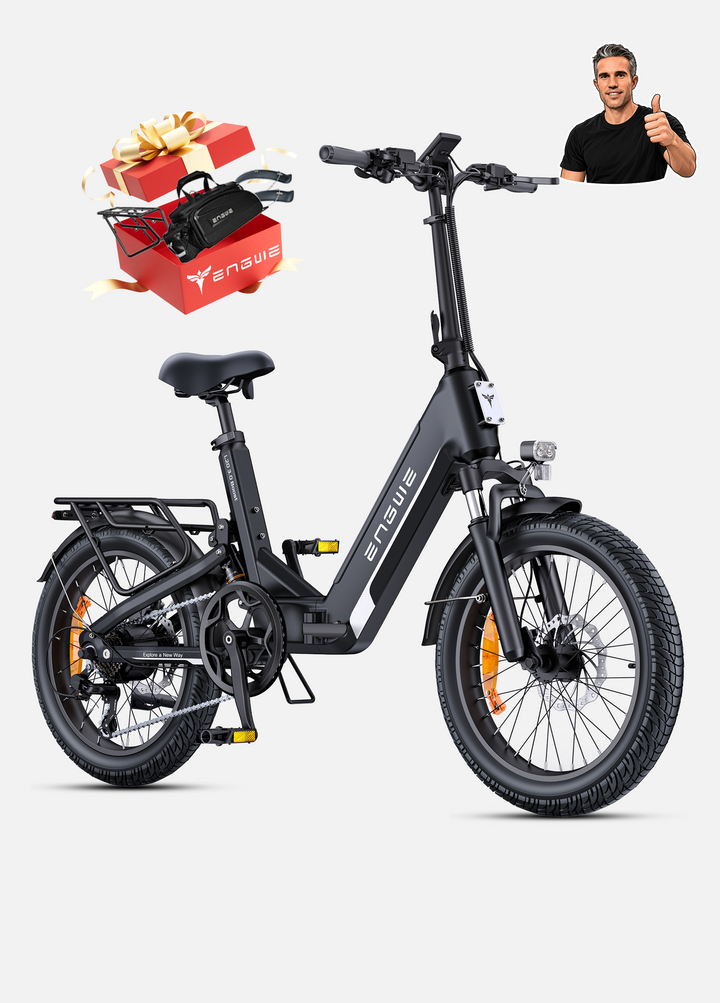
From city boulevards to oceanfront trails to mountain villages, the story is the same: Riders are looking for support, but not the complete loss of cycling's familiar soul, and they are looking to be told the electric bike price up front.
But inevitably the conversation goes back to e-bike cost because price is a narrative that reflects motor design, battery chemistry, frame material and post-purchase service. And knowing how to interpret that narrative helps customers avoid paying for the bells and whistles they'll never use or not paying for the ones they'll use every day.
Why Electric Bike Prices Vary So Much
There isn't a single component that determines the electric bike price; it all comes down to a mix of things, including torque rating, range tests, homologation charges, and distribution logistics.
For example, the version designed to comply with EU city regulations will incorporate an EU-approved engine and torque meter, while a model designed for Canadian or US trails might focus on battery size and different modes of electric assist. Weight also plays a role. A carbon frame that is 15.6 kg in weight is a bit more expensive to manufacture than a steel frame, but it can make a huge difference when it comes to carrying the e-bike upstairs.
Another element of the total cost of e bike is the ecosystem. Manufacturers that boast more than 500 service centers in their neighborhood and provide a 24-month warranty and support with app-powered anti-theft can afford to add a little bit to the purchase price.
That's because this level of customer support cuts down on risk over the long run. Which is why you may see two e-bikes with very similar mileage ratings separated by $400 on your local e-bike shop's website.

What Defines Value In 2026?
By 2026, buyers will expect 3 main features: EU legality, practicality, real-world range and foldability. High-power e-bikes were banned under EU laws; therefore, most trusted brands now publish torque in newton-meters and range in kilometers, rather than maximum power in watts.
You get smoother pedaling feedback from a torque sensor, which reacts to how hard you pedal, as opposed to a standard cadence sensor and is usually found on commuter bikes in the medium range.
Foldability really shifts the value proposition for apartment dwellers. A foldable ebike that goes from a normal bike to something you could take as luggage in just three seconds could even substitute for a second car in many households when traveling locally, which helps you stomach a more expensive purchase price.

Models that show price-to-feature balance
1. Rad Power Bikes RadCity 5 Plus
If you're looking for a commuter that's widely available stateside and frequently clocks in around the $1,999 mark, look no further than Rad Power Bikes' RadCity 5 Plus. This model packs a 672Wh battery, hydraulic disc brakes, and an impressive 28 to 50 miles of range.
It also has a convenient step-thru frame, perfect for zipping around town. You can expect to pay a little more due to its North American parts manufacturing and strong direct-to-consumer support network.

2. ENGWE Engine Pro 2.0
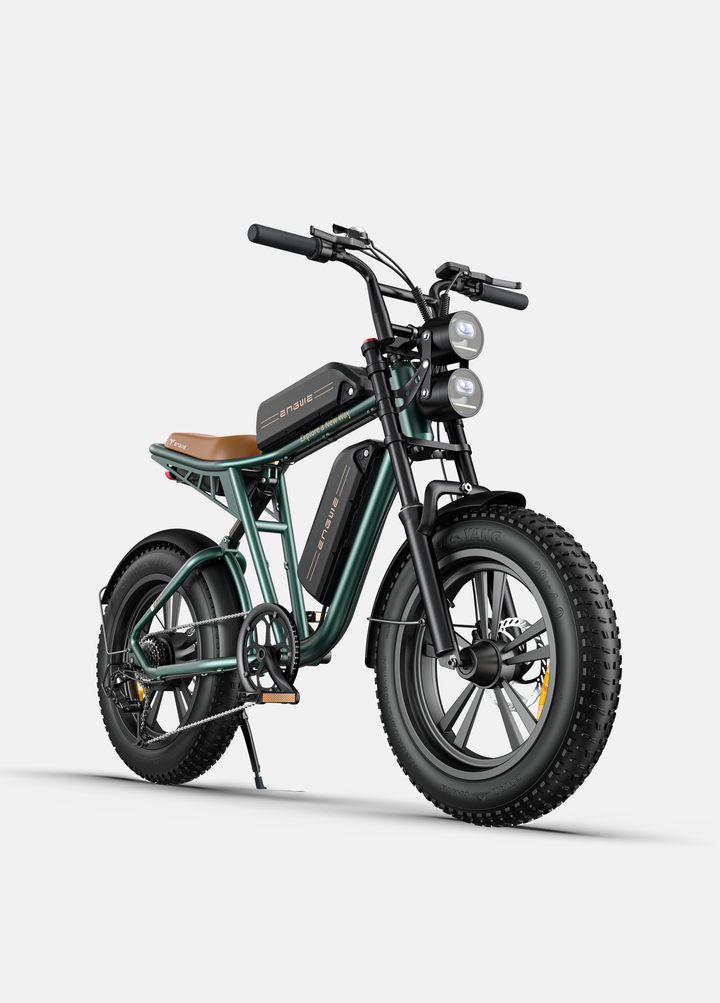
On the European ENGWE store, you can grab the ENGWE Engine Pro 2.0 for €1,399. This e-bike has 75Nm of torque and will give you 110km of range thanks to its 16Ah battery. It has a torque sensor on it, which is great for those hill climbs to ensure you're getting the most power possible.
With its 20-inch fat tires and folding frame, it's a benchmark for people who are after a mountain bike without the full-size mountain bike form factor.
For this electric bike price, you're also going to get hydraulic brakes, a rack option, and a folding frame so you can get it in your car boot. This makes it a popular choice for someone looking at good value in the mid-range segment.


3. Aventon's Soltera.2
The Soltera.2 is the bottom-shelf option from Aventon in the US; expect it to go for about $1,199. The bike boasts a lightweight aluminum frame, torque sensor, integrated lights and a purported 46-mile range.
If you're looking for low cost e bikes that actually ride well, this bike offers insight into how stripped-down drivetrains and smaller batteries can lower the cost.

4. ENGWE Zip
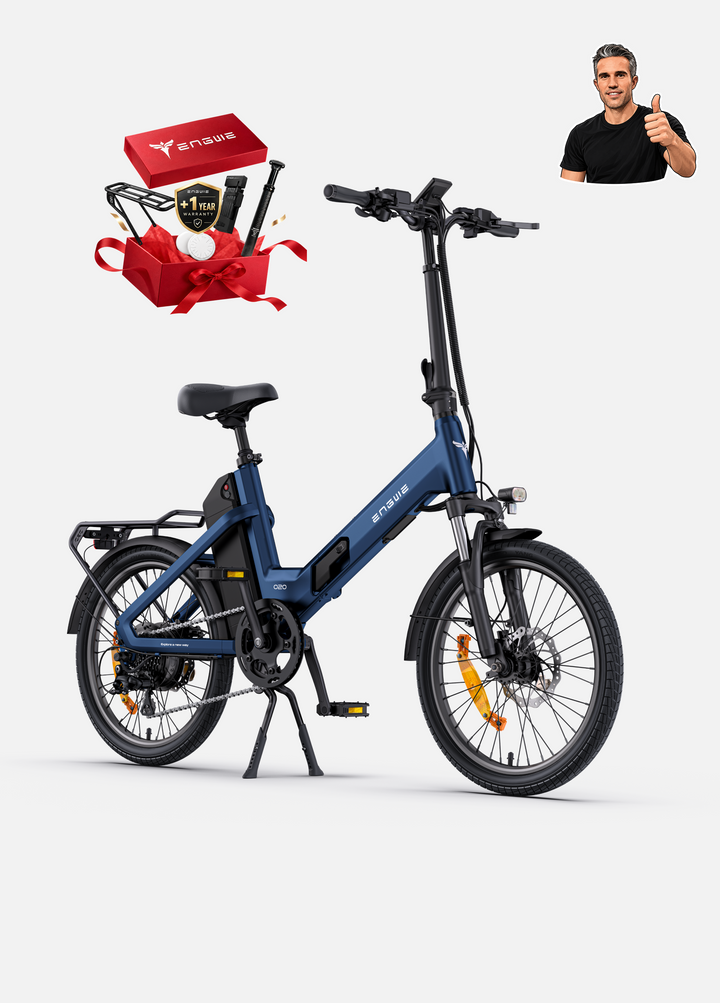
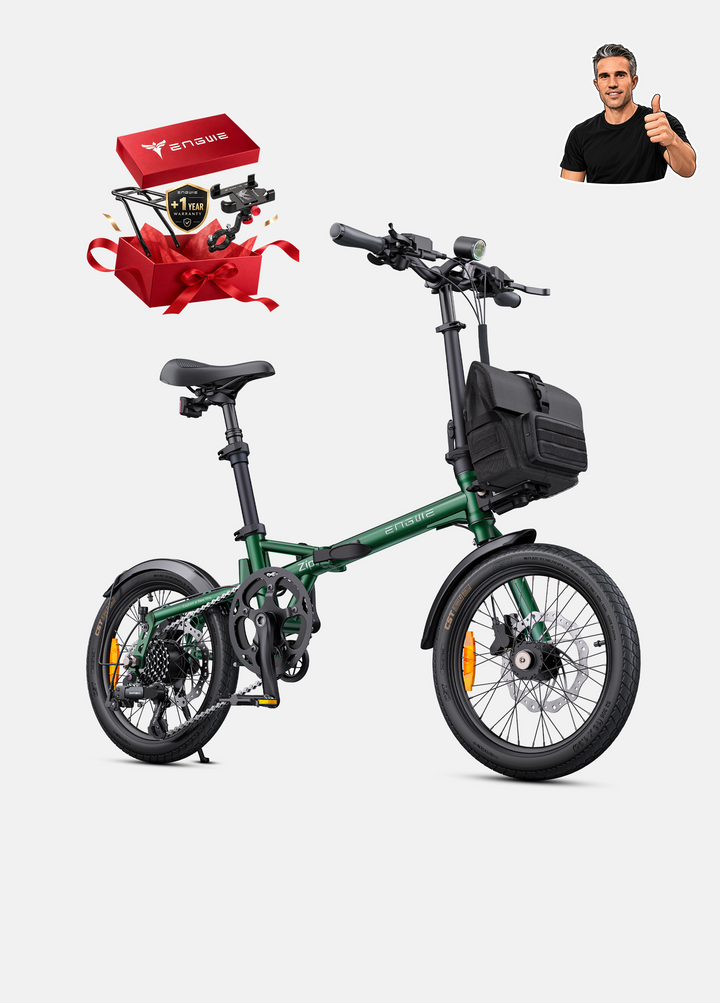
Priced at 1,099, the ENGWE Zip is a 16.9 kg electric bike that can be folded in three seconds thanks to the company's patented single-side front fork. It has a claimed 120 km range with a single charge in pedal assist level 1 and features PD 3.0 USB-C charging for smartphones via the battery.
For city commuters, carrying a bike up several flights of stairs or stowing it away under your office desk becomes much less of an ordeal with the weight savings on offer. The ENGWE Zip is a great example of how low cost e bikes can come equipped with a torque sensor, hydraulic disc brakes and an IPX7-rated wiring harness.


5. ENGWE E26
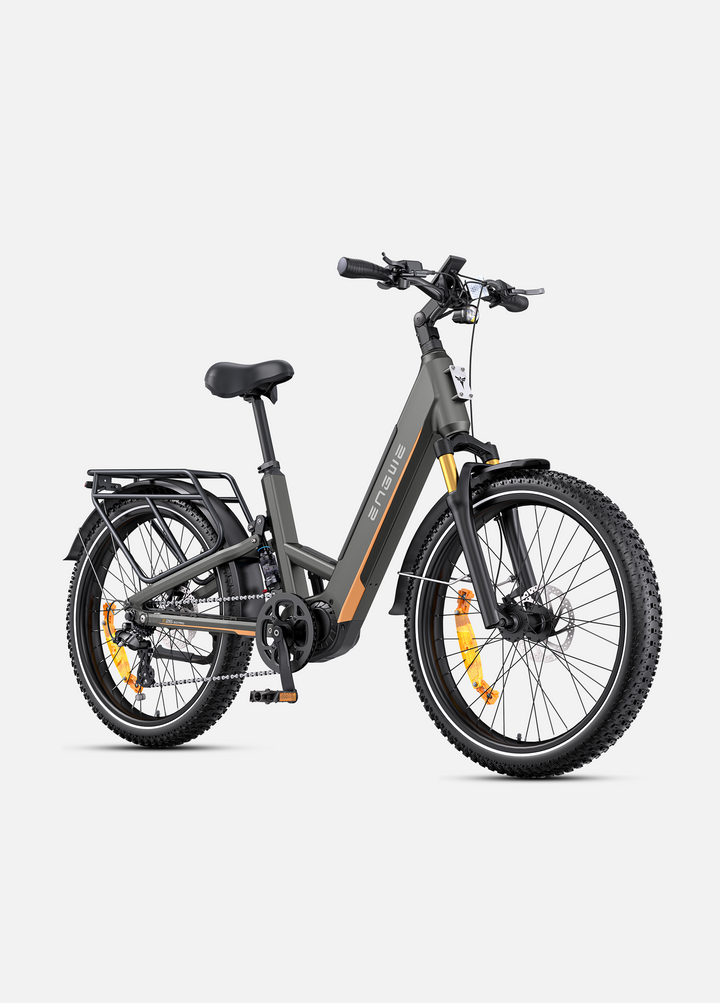
The ENGWE E26 is an all-terrain option which is offered as a step-thru or a high-step frame with dual suspension and a 140 km range. In Europe, it costs roughly $1,499 and slots in above the ENGWE Zip but below most high-end trekking bikes.
26" by 4.0" fat tires offer a sure-footed ride on the snow or gravel and the fit will suit a variety of body types, with step-thru and high-step versions available. When it comes to fat-tire electric bikes, the ENGWE E26 is usually seen as the baseline by many, which is a sub-1,500 adventure bike that should aim for.


6. ENGWE N1 Air
Coming in at $1,249, the ENGWE N1 Air boasts a 100-km range via a removable Samsung-cell battery and a weight of 15.6 kg. Carbon fiber body and an intelligent anti-theft device are attractive for riders looking to travel with a lighter, more secure ride through crowded city streets.
Not the least expensive option available, its cost is more influenced by frame materials than the size of the motor, which should be a lesson for those considering how the electric bike price compares between different classes.


How To Read Price Tags Across Markets
Before anything else, adjust any range figures for the way you actually plan to ride. The 110 km from the manufacturer in ideal conditions may equate to just 70–85 km on mixed, hill-filled urban routes. ENGWE includes mudguards, lights and a rack on most EU versions for free, whereas other brands charge extra for these.
And finally, check how good the warranty is and where you can get repairs, since saving €200 upfront is worthless if you have to cough up double that for a post-warranty fix.
If you're in the market for an ebike and are looking at ebike sale listings online, prioritize sorting your ebike filters by frame size and material, and after that, torque and weight, not by "top speed" labels. Luckily, you no longer have to filter for prohibited speeds (which would no longer show in European e-bike sale listings), so comparisons have become much simpler.

In Short
The takeaway from this guide should be that the electric bike price isn't just about finding the absolute cheapest option, but rather finding the electric bicycle that offers the best balance of torque, range, weight and assistance for your commute.
Whether that be an ENGWE ebike such as the ENGWE Zip for easy commutes, an ENGWE electric bike such as the ENGWE E26 for longer distances or a rival brand for service near home, the correct price is the one that ensures you can ride regularly without additional expenses.
Frequently Asked Questions
What is a fair electric bike price for a first commuter?
What is a fair electric bike price for a first commuter?
In Europe, a trusted city e-bike with hydraulic brakes, torque sensors, and 80–120 km range is found for around €899–€1,399. Examples of lower and mid-tier e-bikes in this range include the ENGWE P275 SE (€899) and the ENGWE Zip (€1,099), which both have similar ranges but vary in weight and folding time.
Are low-cost e-bikes reliable for daily use?
Are low-cost e-bikes reliable for daily use?
If the battery is certified and there's service availability, you won't have issues, even with affordable models. ENGWE's Engine Pro 2.0 model, for instance, offers EN-certified batteries and over 500 service partners that will ensure usability in your everyday life, even though it comes with an average price. Look into the type of brake and the quality of the torque sensor and ignore the minimum number you find on a product description.
How does the cost of e-bike ownership change after purchase?
How does the cost of e-bike ownership change after purchase?
Plan on setting aside money annually for a tune-up and a new set of brake pads, and then eventually, battery replacement after about 500–800 charge cycles. With a 24-month warranty and the option for extensions, ENGWE distributes that risk for you. You will also save money on parking and public transport fees, so any premium paid for a folding bike can be recouped in one year.
Which features justify paying more?
Which features justify paying more?
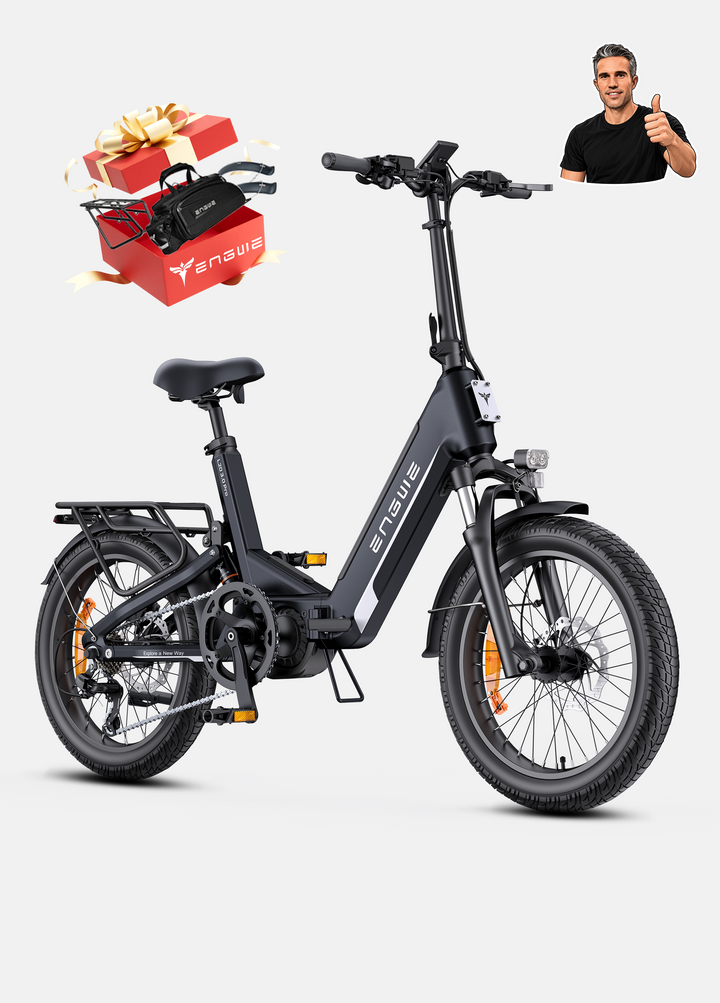
If weight is a concern for you (e.g. You have to lift it regularly), then options like the carbon-framed ENGWE N1 Air will be a godsend, coming in at just 15.6 kg. Those looking to ride over bumpy terrain may want to consider more expensive options like the ENGWE L20 3.0 Pro with full suspension and 100 Nm of torque. App connectivity and built-in anti-theft features can be a useful consideration if you regularly leave your bike outside too.
Can I find quality during an ebike sale without compromising specs?
Can I find quality during an ebike sale without compromising specs?
Of course, but always check the publication date of the listing! Non-compliant power claims were phased out of the EU-certified pages, so the price offered on engwe.com should always represent the most up-to-date legal requirement. Compare torque, range and supplied accessories instead of an outdated advertisement that you may have seen elsewhere.