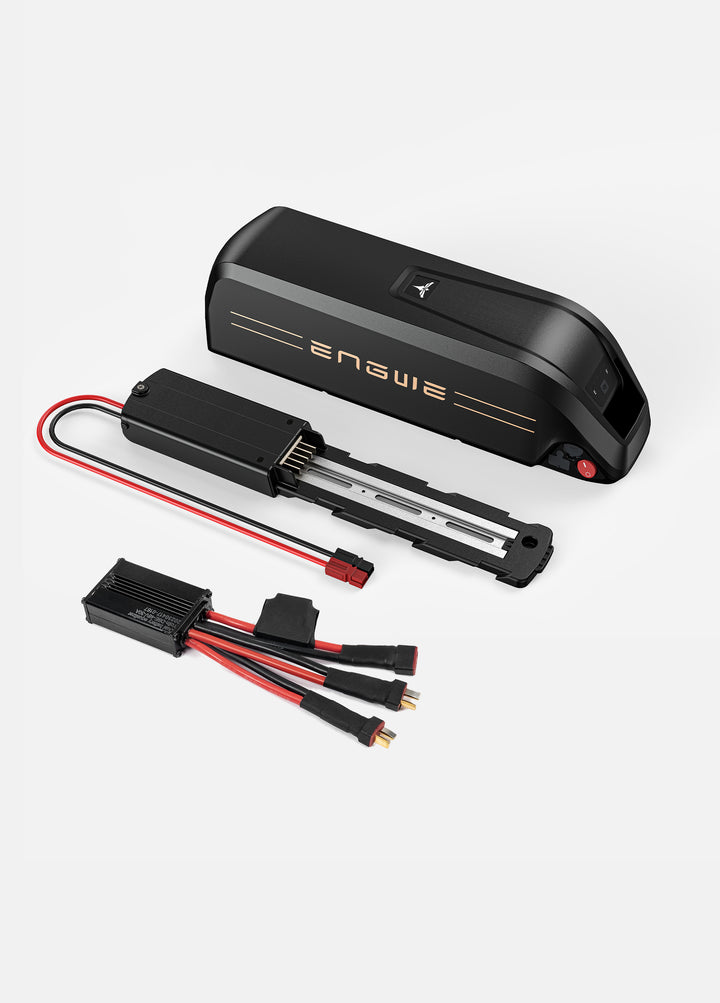
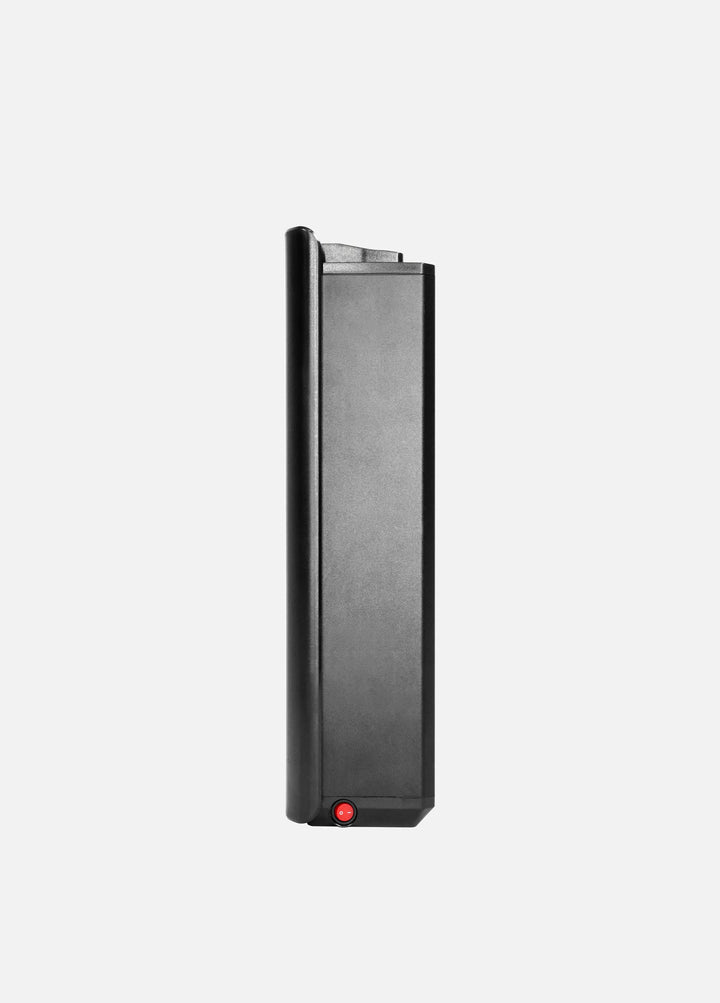
With regard to distance, an ebike battery can ensure more mileage on a ride because it gives power to a compatible motor system effectively. However, for long-distance trips, voltage is not enough to ensure range in e-bikes since other factors come into play. These include battery capacity in watt-hours, level of assist, terrain, rider weight, speed, and weather.
For an e-bike loaded with cargo or one that goes through steep hills, a lot of energy is needed from the motor; therefore, battery capacity plays a huge role in such scenarios. However, one must consider both voltage and other factors like amp-hours and watt-hours for proper range on an e-bike ride.

E-Bikes With Battery Setups Worth Considering
Your need for batteries depends on your style of riding and how you use your bicycle. An urban rider will require effective battery assistance, but longer distances or more difficult riding will make more demands on your energy. The following are six examples of such models.
ENGWE P275 SE Battery
ENGWE P275 SE has a battery capacity of 36V 13Ah and is meant for daily use as a commuter bike in the city. The 250W motor is paired with a torque sensor, and its maximum range can extend to 100km. Hydraulic disc brakes help to brake effectively during city commutes.
Although it doesn’t have a 48V ebike battery, it explains the need to consider battery voltage in the design of motors and range requirements.

ENGWE M1 Battery
The ENGWE M1 is equipped with a 48V 13Ah lower battery and has a 250W motor that produces a torque of 65Nm. It also comes with the dual battery option to meet the demands of riders looking for more battery power to undertake long rides.
For this purpose, it may be used for comparison with an e-bike that uses a dual battery ebike. The matter of voltage is not sufficient, since capacity is what matters.

ENGWE Engine Pro 3.0 Boost Battery
The ENGWE Engine Pro 3.0 Boost runs on a 48V 15Ah battery and has a 250W engine, which provides up to 90Nm of boost power. The maximum distance covered by this bike is 130km, while the removable battery allows one to charge it separately indoors.
If you want to have an ebike with a removable battery, this combination of capacity and easier access to charging would be ideal for you.

ENGWE EP-2 3.0 Boost Battery
The ENGWE EP-2 3.0 Boost can come with either a 48V 13.5Ah or a 48V 15Ah battery. Its EU-compliant 250W system has Boost and torque sensors, and its maximum range is 120 km. It has a removable battery that can be charged away from the bicycle itself.
The batteries on this bicycle make it suitable for individuals who need to compare an ebike battery 48V.

Rad Power Bikes Radster Trail Battery
Radster Trail comes with a 15Ah, 720Wh semi-integrated battery that is used with the 750W rear-hub motor. The range that is stated by Rad Power Bikes is 25 to 65 miles. This bicycle also has a torque sensor, and its battery connects to the terminal and locks using the key.
It can be used as an example outside of the brand when analyzing batteries, their capacity, range, and motor requirements, and ebike battery lock design.

Bosch Ebike Battery
The Bosch ebike battery is intended for Bosch e-bikes only and not as a general replacement battery. There are various models of Bosch batteries, including PowerPack and PowerTube batteries, depending on the type of e-bike system.
The battery management system provided by Bosch regulates the performance of the battery and protects the battery.

How Does a 48V Ebike Battery Support Long Rides, Cargo Loads, and Hills?
While a 48V ebike battery may be able to supply the necessary power for longer trips, ascents, and extra weight, it must be used in combination with an appropriate motor and controller. Voltage is not enough to guarantee good results, as many other factors play a part in performance.
The usage of batteries can be increased due to the following:
- Strenuous climbing
- Extra passenger or load weight
- High assistance
- Rough terrain or low air pressure in the tires
- Low temperatures and headwinds
An electric bike battery should therefore be considered as part of the complete electrical system. A 52V ebike battery or 72V ebike battery is not automatically better than a 48V system, while a dual motor dual battery ebike has different energy requirements.
The best ebike battery is ultimately one that provides suitable capacity while remaining fully compatible with the bike.

What Should You Know About Charging, Replacement, and Battery Care?
The ebike battery replacement must be compatible with the voltage, size, mount type, and different ebike battery connector types.
Another vital point to consider is the charging of the e-bike battery. It is recommended to use the correct ebike battery charger, fasten the ebike battery lock, and follow the storage instructions of the manufacturer. For instance, a Bosch ebike battery is made to work with the Bosch system only and is not a universal battery for ebike
Reduced range, charging problems, and inconsistent assistance can be signs of ebike battery dying. Professional ebike battery repair is safer than opening the pack yourself. If you are wondering how to charge an e-bike battery without a charger, avoid improvised methods and obtain the correct compatible charger.
Conclusion
However, there are other things that the correct ebike battery should be able to do besides extending your mileage. It is also important for it to have sufficient capacity and to be compatible with the motor.
ENGWE has several variations of the battery packs on its line of e-bikes, such as 36V and 48V battery packs, as well as removable and dual battery packs. Don't simply consider the voltage of the battery; compare all factors first.
Frequently Asked Questions
How Long Does an Ebike Battery Last?
How Long Does an Ebike Battery Last?
Lithium-ion batteries for e-bikes normally have a life expectancy of around 3-5 years or 500-1,000 charge cycles. The exact longevity of a battery will be determined by how the battery is used and other factors
How Long to Charge an Ebike Battery?
How Long to Charge an Ebike Battery?
E-bike batteries typically take about 3-6 hours to fully charge. It depends on battery size, power supply from the charger, remaining battery charge, and the recommended charging system for the manufacturer.
Can I Install a Higher-Voltage Battery?
Can I Install a Higher-Voltage Battery?
However, it is recommended that the higher-voltage battery be used only after the bike manufacturer assures that there will be no compatibility problems with the bike. Otherwise, installation of a 52V or 72V battery might damage the controller, motor, display, charger, or any other
How to Charge an Ebike Battery Without a Charger?
How to Charge an Ebike Battery Without a Charger?
Improvised or mismatched power sources should not be used in any situation. The best practice would be to have the right charger recommended by the manufacturer or designed for the battery.