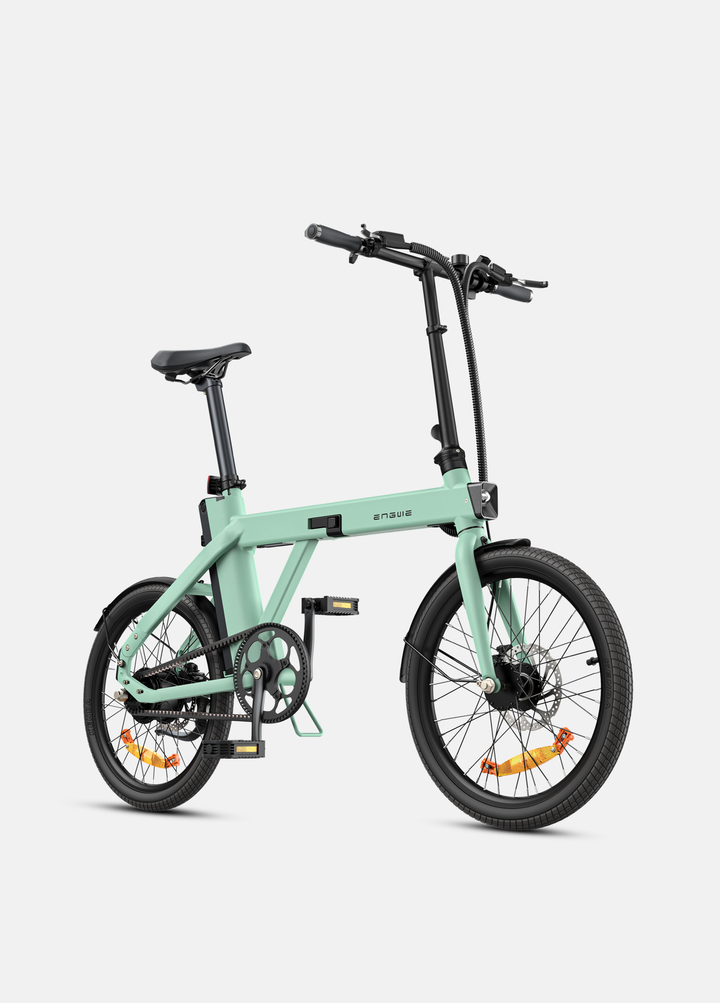
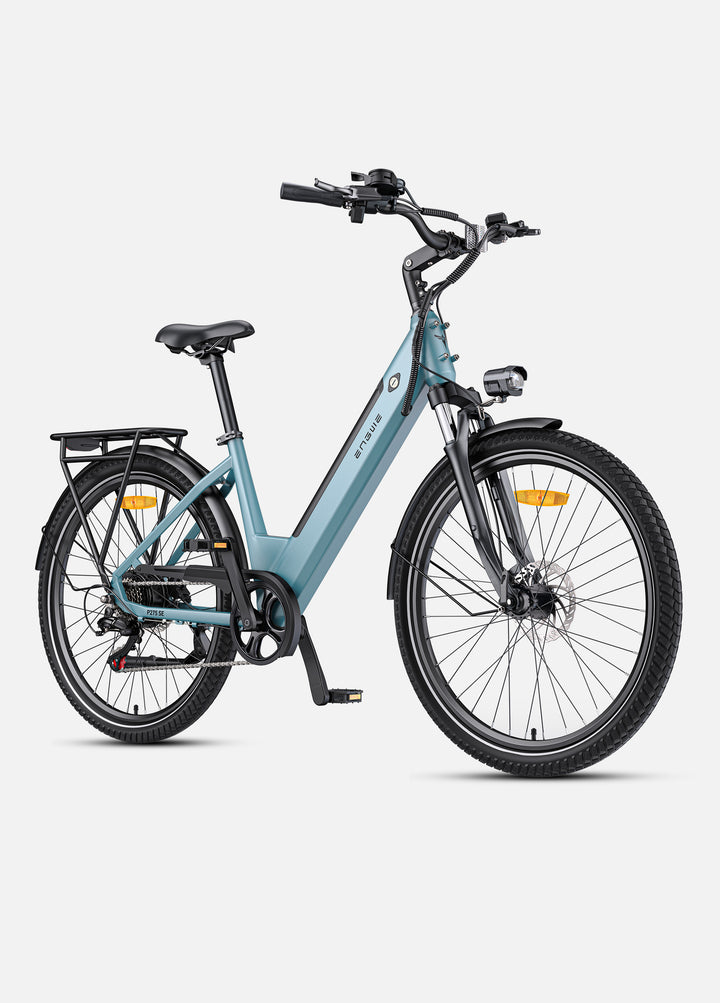
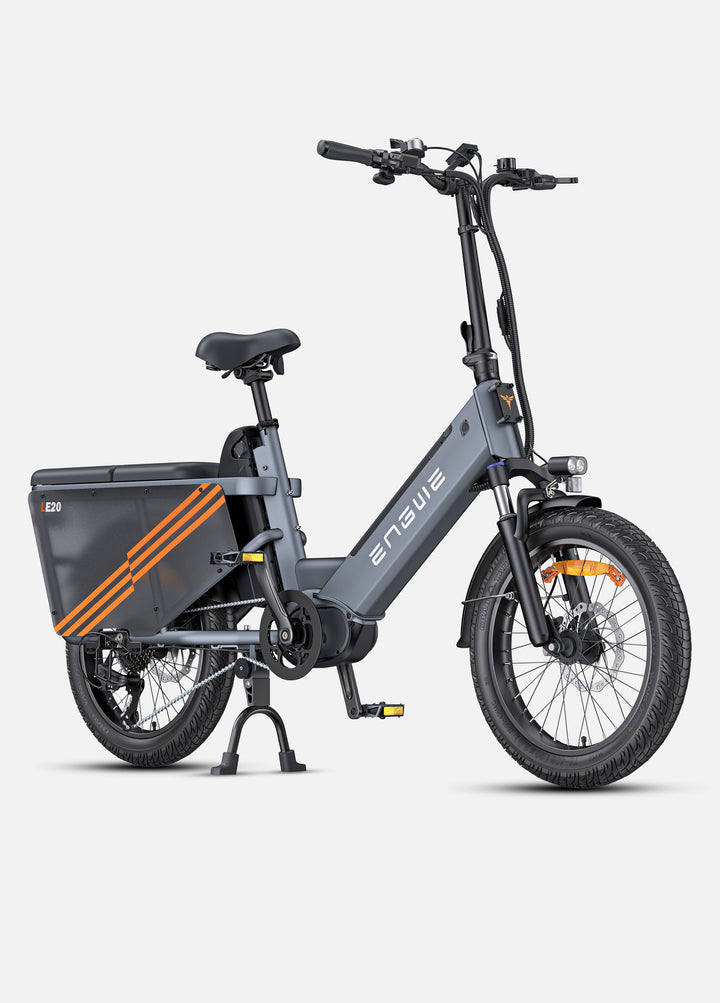
You can now ride around on electric-powered bicycles because they're fun to ride, environmentally friendly, and rapid. E-bikes are a terrific opportunity to replace your ordinary bicycles for commuting to work, exploring mountain trails, or simply driving around town. However, one query that new riders regularly have is, "How fast do electric bikes go?"
Speed is important. It tells you how quickly you can get to your destination, how much fun you will have, and what kinds of roads or tracks you are legally allowed to travel on. This guide will tell you everything about the speed of an electric bike for adults, from its technical specifications to the way it works in actual life. It will even recommend a number of the quickest e-bikes on the market.
How Fast Do Electric Bikes Go?

Standard Speeds
If you want to know how fast electric bikes go, it’s helpful to start with the industry standards. By rule or by the maker, most electric bikes can only go at a certain speed. Here is a quick list of common speeds:
Class 1 e-bikes: Can go up to 20 mph (with pedal assist only).
Class 2 e-bikes: Can cross up to 20 mph (pedal-assist or throttle).
Class 3 e-bikes: Can cross up to 28 mph (with pedal assist only).
Off-road or in non-public areas, many high-performance motorcycles can cross at speeds faster than those. However, those are the bounds for legal use on the street.
Motor Power: 250W vs. 750W vs. 1000W+
Motor wattage is a massive part of how rapidly electric-powered motorcycles can go. It’s like horsepower in a car: the better the wattage, the quicker and stronger you will get.
250W Motors: 250W motors work great on flat ground and for short trips. 15–20 mph is the speed range, which is great for daily use.
Examples:
750W Motors: Give you more power to speed up and go up hills. On flat ground, these bikes can go 25 to 28 mph.
Motors with 1000W or more: Made for speed and excitement. On the roads on Class 3 or beyond public road limits, you can go above 30 - 40 mph.
Throttle vs. Pedal Assist
The method of action also changes the speed:
Throttle: Press a button or turn the steering wheel to move the motorcycle in throttle mode. You don’t have to push. Most throttle e-bikes can only go 20 mph at their fastest.
Pedal Assist (PAS): The machine helps you walk. You can get more help as you spin harder or faster. This is how some bikes can hit speeds of 28 mph or more.
If you want to get the most out of your electric bike and see how fast it can go, you should use a high-power motor with pedal help.
Battery Voltage and Terrain
The voltage of your battery additionally influences how quickly your e-bike goes. Here’s a popular rule of thumb:
36V batteries: moderate speed and acceleration
48V batteries: ideal for higher speeds and torque
48V+ batteries: performance-level power, suitable for high-speed e-bikes
Of course, terrain makes a big difference. On flat roads, you could attain your bike’s maximum speed. On steep hills, the motor works harder and slows down, particularly if your battery is weak or almost drained.
Real-World Speed Examples by Class/Type
How fast do electric bikes go while riding? Here’s a quick comparison of real-world e-bike speeds based on class and motor power:
|
Type / Class |
Motor Power |
Real-World Speed |
Typical Use Case |
|
City Commuter (Class 1) |
250W |
15–20 mph |
Urban streets, daily commuting |
|
Hybrid E-Bike (Class 2) |
500W |
Up to 20 mph |
Relaxed city rides and light errands |
|
Electric Mountain Bike (Class 3+) |
750W+ |
25–32 mph |
Off-road, rough terrains like beaches |
|
High-Performance E-Bike |
1000W+ |
30–45 mph |
Flat roads (private use only) |
Want the best of both worlds? Think Engwe Bikes. Your design is the fastest, strongest, and most innovative yet.
Legal Speed Limits: What You Need to Know
It doesn’t matter how fast your electric bike can go. The law usually limits how quickly you can get there, especially on a bike and on public roads. Exact electric bike legislation speed limits differ by country:
United States:
Class 1 & 2 = max 20 mph
Class 3 = max 28 mph
Above 28 mph = considered a moped or motorcycle
Europe (EU):
Max speed = 25 km/h (15.5 mph)
Anything faster = needs registration, helmet, and insurance
UK:
Limited to 15.5 mph
Higher speeds require an L1e-B license
Australia & Canada:
As a rule, 20–28 MPH boundaries, depending on the province or region
If you buy an e-bike like the Engwe M20, make sure that you know the rules in your region, especially if you want to drive it quickly on public roads.
What Affects E-Bike Speed?
Don’t you understand why ads aren’t as fast as they can say? How fast do electric bikes go in real life is affected by several outside factors, such as:
1. Terrain
Flat roads: optimal speed
Steep inclines: reduced power, lower speed
Off-road trails: more drag, slower travel
2. Rider Weight
The top speed may slow down for heavier riders. A 250W motor might not be able to handle a person who weighs more than 250 pounds.
3. Battery Charge and Condition
The best power comes from a battery that is fully charged.
Batteries that are old or broken down slow down, power down, and range down.
4. Weather and Surface
If it’s only in throttle mode, you can slow down a lot, especially in poor weather conditions. Wet or icy surfaces can make it more difficult to grab and get faster.
5. Tire Pressure and Type
Low tire pressure: more rolling resistance
Knobby tires: slower on pavement
Smooth tires: faster on-road performance
6. Assist Level Settings
Most e-bikes have more than one PAS setting, such as Eco, Normal, Sport, and Turbo. It’s faster when the help level is higher, but the battery dies faster.
If you want to know how fast electric bikes go, keep an eye on these things and change your settings as needed.
Top Fast Electric Bikes Worth Considering
Want electric bikes that can go fast in real life? Here are three choices from ENGWE that stand out because they are strong and stylish:
Battery: 8 V 16AH
Suspension: Full (front + back)
Why it’s great: Top Speed, Comfort, Overall Terrain Capacity. Perfect for both commuting and adventure.

Battery: Dual Removable Battery (8 V 13AH X2 = 26AH Total)
Design: A bike-style frame with full suspension
Why It’s Great: Off-road driver and someone looking for a cool design.

Battery: 8 V 29AH
Wheels: Giant 26-inch fat tires
Why It Stands Out: This electric bike is one of the fastest and strongest.

How to Pick the Best Speed for You
Fastest is not always the best option. Sometimes the best speed is what meets your needs:
City Commuters: 15-20 mph is usually sufficient for city commuters.
Weekend Cruiser: For the weekend cruiser, going 20 to 25 mph is exciting.
Off-road adventure: Find a type that exceeds 28 mph and has a lot of strong engines.
Long-Distance Travelers: Choose a speed where the battery is not too fast.
If you want a reliable, quick, and flexible choice, check out our full line of electric bikes from Engwe.
Conclusion
There is no answer to the question “How fast do electric bikes go?” Engine, battery, landscape, user weight, legal restrictions, and race modes can change the answer. In general, E-bikes will run at 20-28 mph, but speed wheels like the Engwe X26 will be even faster.
Whether you need a reliable passenger like the Motor Pro 2.0 or a powerful animal like the Engwe M20, you can find the best e-bike that suits your speed and lifestyle. Always wear a helmet, drive safely, and check the rules nearby!