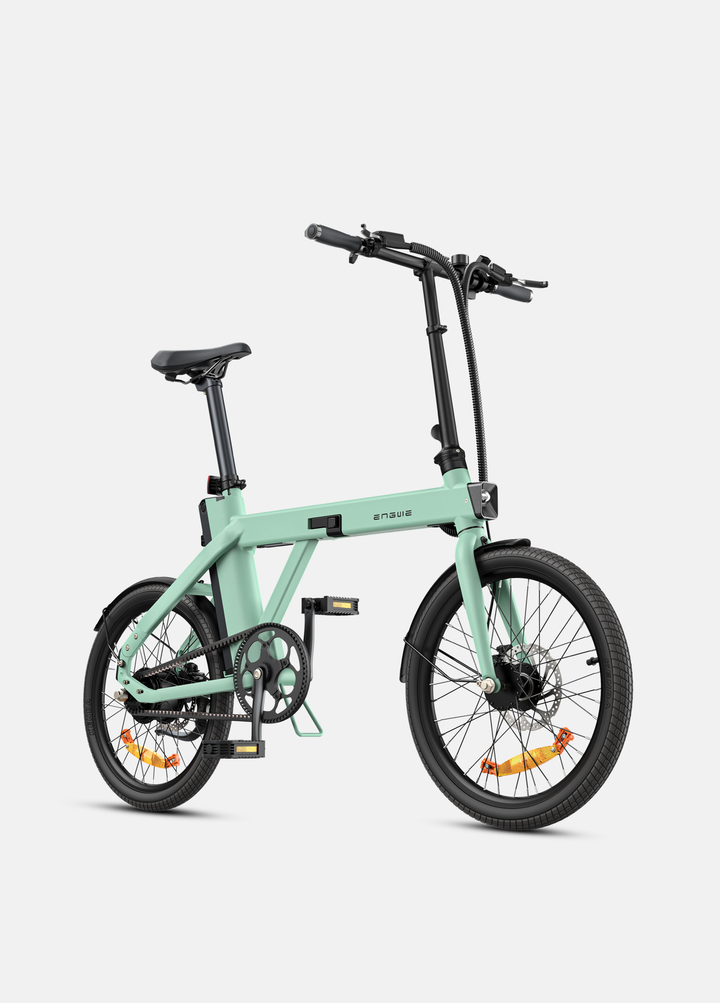
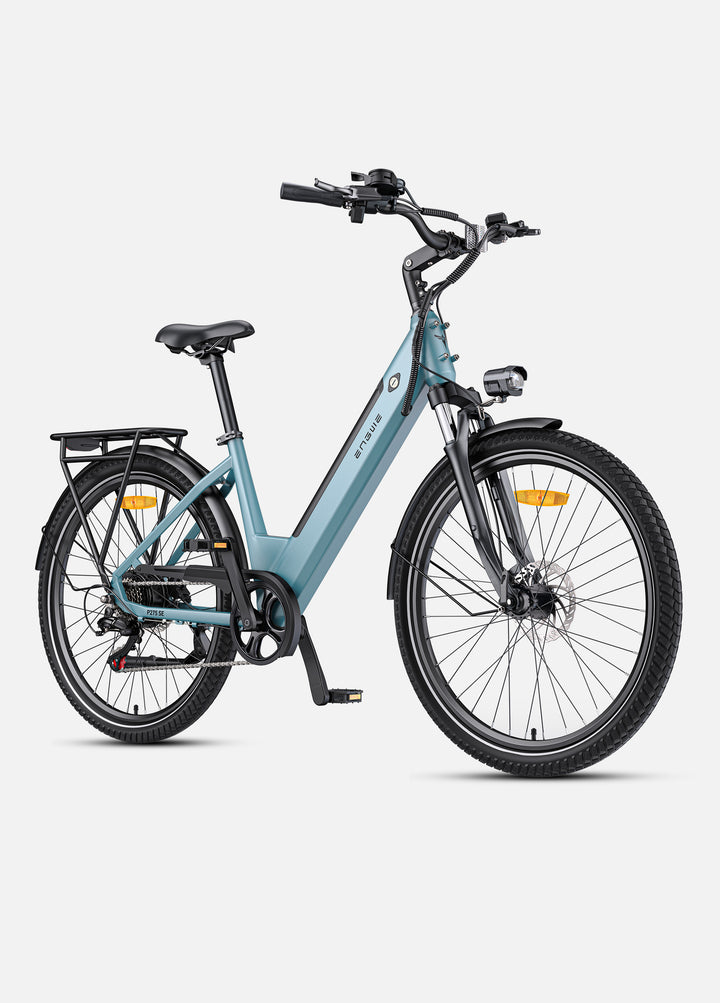
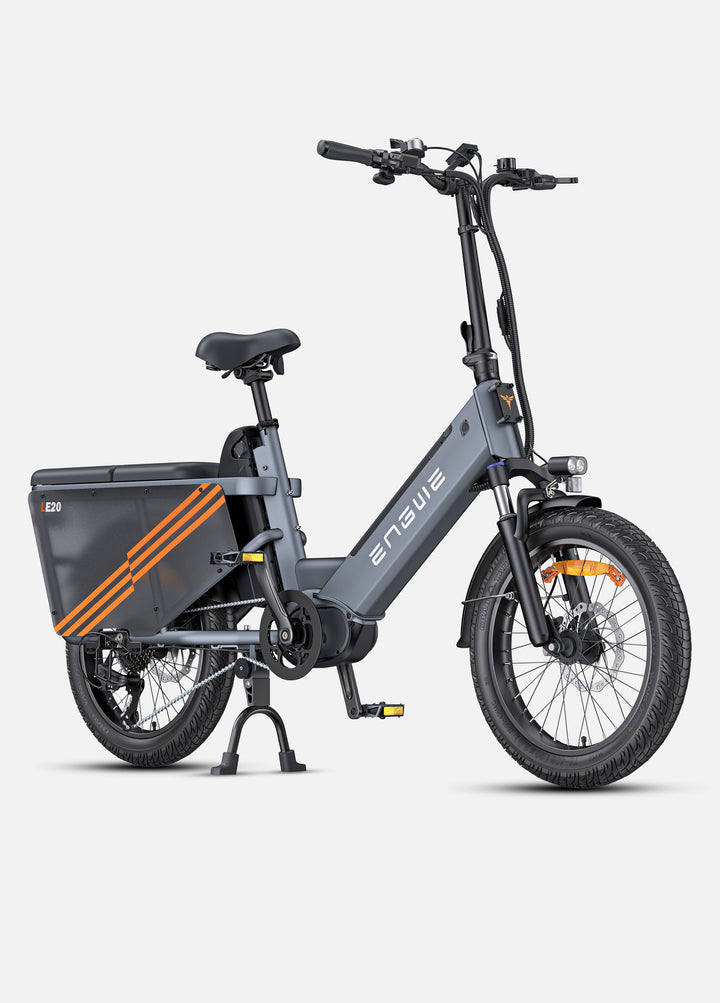
An ebike charger can appear like a mere trifle, but selecting the wrong charger is likely to reduce battery duration, create charging problems, or even destroy your bike. Be it a lost charger, a faster replacement, or a problem with charging, it is important to know how an ebike charger operates to ride safely and reliably.
This guide explains how to select the correct charger to use with an ebike, the types of most commonly used ebike charger connector types, and tips on how to prevent the most frequent charging errors.

What Is an Ebike Charger and Why Does It Matters
An ebike charger is an electric supply that is used to charge the battery on your ebike in a safe way by converting domestic AC power into the right DC voltage and current. An appropriate battery charger for ebike controls the flow of current, overcharging, and communicates with the inner management system of the battery.
Unlike generic power adapters, where a particular ebike battery charger is adjusted to your battery voltage, chemistry, and charging capacity. One of the most frequent reasons for the lack of charging of the ebike battery not charging.
Understanding Ebike Battery Voltage (36V vs 48V)
It is important to ensure that your battery voltage is within the range before purchasing any charger for ebike.
The 36V ebike battery charger is available with smaller or lighter commuter bikes and cannot be used with higher-voltage systems. Most current performance ebikes, such as cargo, fat tire, and long-range models, use a 48v ebike charger.
As an example, a 48v ebike battery charger would provide the right amount of output to a 48 volt ebike battery charge, whereas a 36V charger would not charge it properly, or not at all. Always be sure to charge the charger to your battery specifications.

Types of Ebike Chargers by Voltage
The riders are faced with two broad categories:
A higher-powered bike will be equipped with a 48v battery charger ebike system that typically cycles between 2A and 4A. A higher amperage-rated ebike charger 48v charges higher, but could have a slight impact on the overall longevity of the battery when used day to day.
An ebike battery charger 36v is less heavy, and sometimes it is smaller, and has less capacity and less time to charge the battery.

Ebike Charger Connector Types Explained
Connector compatibility is one of the least considered conditions when purchasing an ebike charger. Although the voltage can be the same, the incorrect plug will not work.
Common ebike charger connector types include barrel connector, XLR connector, Rosenberger magnetic connector, and proprietary designs. Other brands have special chargers, like a Bosch ebike charger or Jetson ebike charger, that cannot be used in general.
A universal ebike charger can have many connectors, but still needs to have a voltage and polarity match. Make sure that you check the type of connector before making a purchase.

Real-World Ebike Charger
The actual items make the explanation of the importance of matching the right ebike charger understandable. The following are some of the common practical examples that indicate how brand-specific and model-specific chargers vary in design, compatibility, and their application.
Bosch Ebike Charger (Smart System and Classic Line)
A Bosch ebike charger is specially crafted to fit Bosch-powered ebikes and connects with the battery management system.
The Bosch chargers come in 2A, 4A, and fast-charge models based on the battery and motor system (Active Line, Performance Line, or Smart System). They also have proprietary connectors and built-in safety measures so that generic chargers are incompatible.
Riders who are using Bosch-equipped commuter, trekking, or mountain bikes and desire the greatest battery security, compatibility with firmware, and durability. It is impossible to replace a Bosch ebike charger with a universal charger. It has to conform to the Bosch system generation precisely.

Jetson Ebike Charger (Compact Urban Ebikes)
A Jetson ebike charger is designed for the small-urban and folding ebikes of Jetson. These are usually smaller wattage that are optimized for smaller 36 V battery packs.
Jetson chargers have proprietary connectors and are adjusted to lightweight batteries instead of high-capacity systems. Although charge times are slower, they prevent smaller batteries from overheating.
City commuters riding a Jetson Bolt, Jetson Haze, or other lightweight electric bikes in the short-range category. Jetson ebike chargers are specific to models and must not be substituted with unofficial ones that would create problems with the battery.

ENGWE Charger
ENGWE charger is a practical example of a brand that has various types of chargers, depending on the model of an e-bike and its purposes.
ENGWE Charger is compatible with a variety of formats, 2A and 3A, depending on the motor and battery capacity of the bike.
Compatible ENGWE charger examples include:
-
2A charger for M20 and L20 models
-
EP-2 Pro and Engine X charger, 2A.
-
3A charger for Engine Pro
-
Flexible adapter cable adjustment.
ENGWE owners who require a safe, inexpensive, and manufacturer-approved 48v ebike charger without the use of third-party solutions. The official ENGWE charger will minimize the chances of the ebike battery not charging and prolong battery life due to a mismatch of amperage.

Charging Speed and Amperage
Amperage determines charging speed. The majority of regular chargers are 2A in order to reach a compromise between safety and battery life. The 4A or faster chargers, which are less time-consuming to charge, produce more heat.
To be able to travel with a portable ebike charger, it is usually charged with lower amperage to be small and safe. They are the best with commuters or touring riders who require flexibility but not speed.
Ebike Charging Options: Portable, Solar, and Travel Charging
Flexibility is important to riders who have to commute or tour long distances.
A portable ebike charger is smaller in size, and its weight is less than that of a regular e-bike charger, and can easily be included in the bag or the pannier. Such chargers are usually slower but very convenient to carry to work or travel.
An ebike solar charger can only support charging during outdoor journeys, and it is very sluggish, but it can be deployed as an additional source of charging instead of the main solution.
Ebike charging stations are available in many cities, particularly in urban areas. To find a location that offers a charger for the e-bike, one should search the area for an ebike charger near me and find out the places where it may be charged, such as public outlets, bike stores, or cafes.

How to Charge an Ebike Battery Safely
The battery health requirements include charging the battery with the appropriate ebike battery charger and not using extreme temperatures. On the other hand, plug the charger into the wall and then attach it to the battery. This will help to avoid electric spikes.
But in case you want to know how to charge ebike battery without charger, the truth is that it is not suggested. Inventive ways of charging can destroy the battery or be unsafe. Ensure that you use the correct charger in line with your battery.
Troubleshooting Common Ebike Charging Problems
In case your ebike battery not charging, the first step you should follow is to check the charger indicator light, outlet, and connector. Check whether the pins are not bent or the connection is not loose.
When an ebike battery is fully charged but not working, the problem is usually with the battery management system, the controller, or internal wiring, but not the charger. Professional diagnostics is suggested in such cases.
One can use a search for an ebike charger near me to be used in case of an emergency, yet make sure to always verify the voltage and connector sizes before connecting.

Brand-Specific Chargers vs Generic Chargers
Others need branded chargers. A Bosch ebike charger is designed to work directly with Bosch battery systems and will not fit a generic unit. The same is true for models that utilise a Jetson ebike charger.
Non-proprietary systems should be compatible with generic chargers, but only in case all the voltage, amperage, and the type of connector are the same.

How to Charge an Ebike Battery Safely
To charge ebike batteries:
-
Insert the charger into a wall and then into a battery.
-
Charge in a dry, well-ventilated location.
-
Do not charge the battery right after riding when it is hot.
-
Turn off the battery of the ebike when it is fully charged.
Conclusion
The most suitable ebike charger is that which fits your battery voltage, connector type, and charging habits. Being quick is not a good thing, and convenience must never come at the expense of safety.
Knowing the charger specs, preventing a wrong voltage match, and using the right connector, you can secure your investment in the battery and have many years of assured daily charging.
Frequently Asked Questions
What type of ebike charger do I need?
An ebike charger that is compatible with your battery should be purchased based on its voltage and connector type. The majority of systems are either 36V or 48V chargers, and the connector has to fit into your battery port.
Can I use a universal ebike charger?
It can be a universal charger for the ebikes, provided that the voltage, amperage, and connector fit your battery. Proprietary systems such as Bosch or Jetson, however, need brand-specific chargers to be safe.
What happens if I use the wrong voltage charger?
Applying an incorrect voltage charger may stop the charge or activate the battery protection mechanism, or destroy the battery permanently. It is always necessary to use a 48 V battery with a 48 V ebike charger.
Why is my ebike battery fully charged but not working?
This is normally a battery management system (BMS) problem, a connector problem, or an internal battery problem. Even when the battery displays a full charge, it may not be the cause of the charger.
How long does it take to fully charge an ebike battery?
Batteries ebikes require 3-6 hours to charge, depending on the size of the battery and the current of the charger. The portable e-bike chargers can be slower than the standard home chargers.
Can I charge an ebike battery without the original charger?
One should never charge an ebike battery without an appropriate charger. Home-made techniques may cause harm to the battery or pose hazards. Never use a lost charger with different ones.