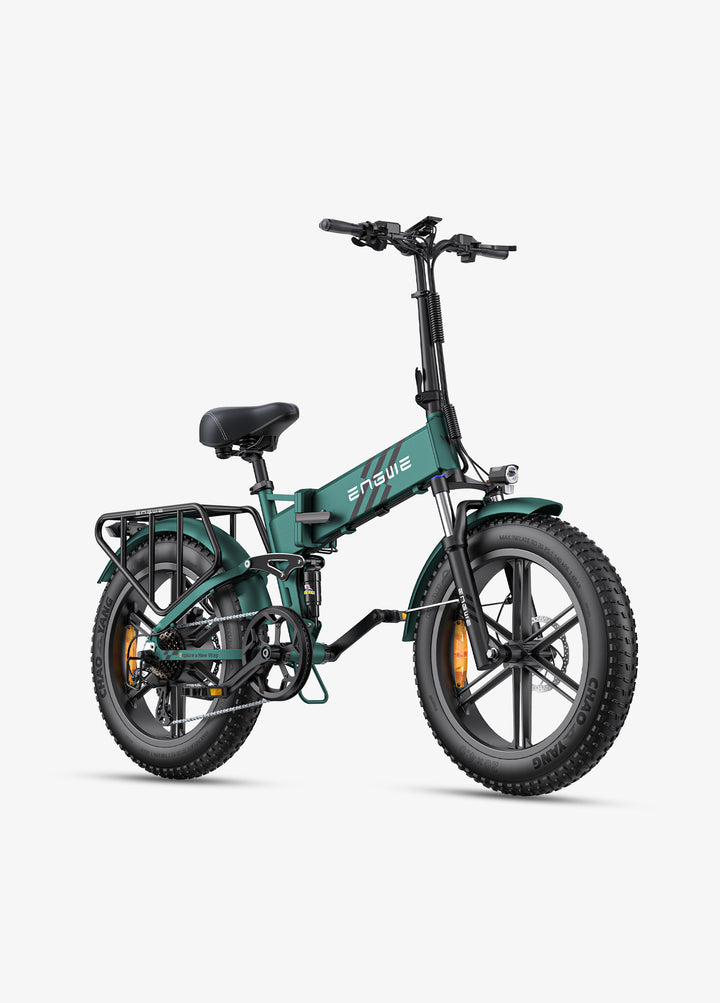
Steep declines, loose ground, rocks, and variations in slope are tough requirements for both bike and cyclist. A good electric mountain bike cannot only have great climbing performance; suspension, brakes, tires, geometry, and stability are required for control on difficult terrain.
When choosing one of these bikes, you need to consider the entire package. Be it an all-terrain bike or a trail-oriented bike, these four mountain bike models take unique approaches to mountain biking.

Electric Mountain Bikes for Demanding Trails
The selection of an appropriate electric mountain bike involves a balance between the bike’s terrain suitability, distance, suspension, braking ability, and the experience of the rider. Some bikes prioritize distance and all-terrain capability, while others prioritize handling.
The following bikes can offer different means of ascending, descending, and maintaining control on difficult paths.
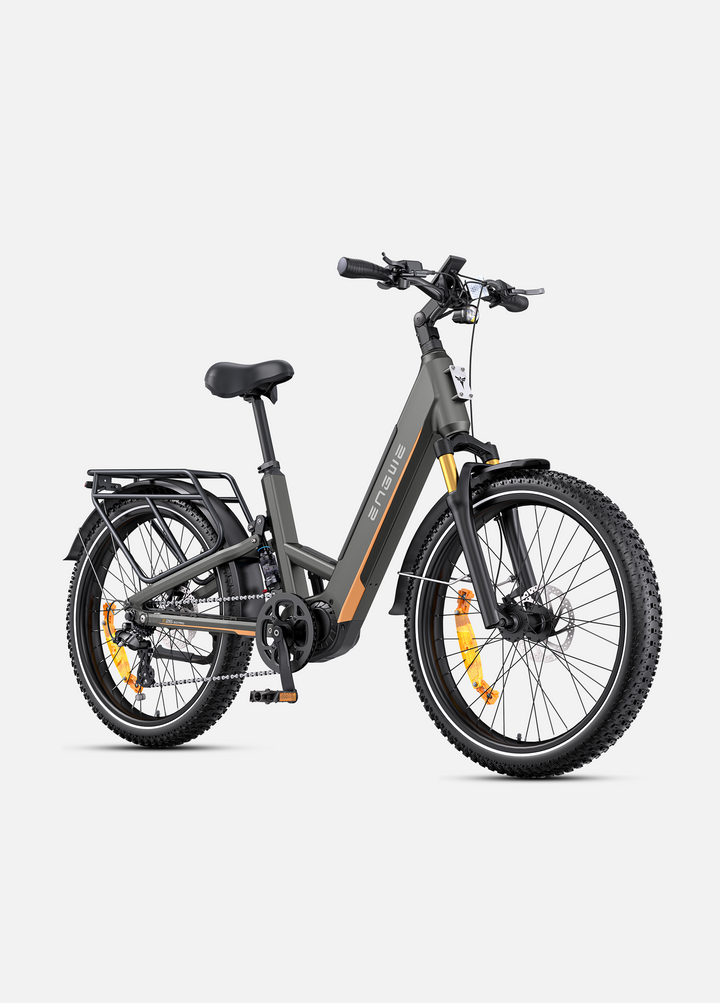
ENGWE E26 – For Long-Range All-Terrain Riding
The ENGWE E26 ebike is a bike with a 250W motor that offers dual suspension. The bike can assist one in climbing due to its 70Nm of torque.
Additionally, there are hydraulic brakes that enable one to stop safely on a bike on changing terrain. The battery capacity of the ENGWE ebike is 48V 16Ah, removable, and can cover a distance of 140km per charge.


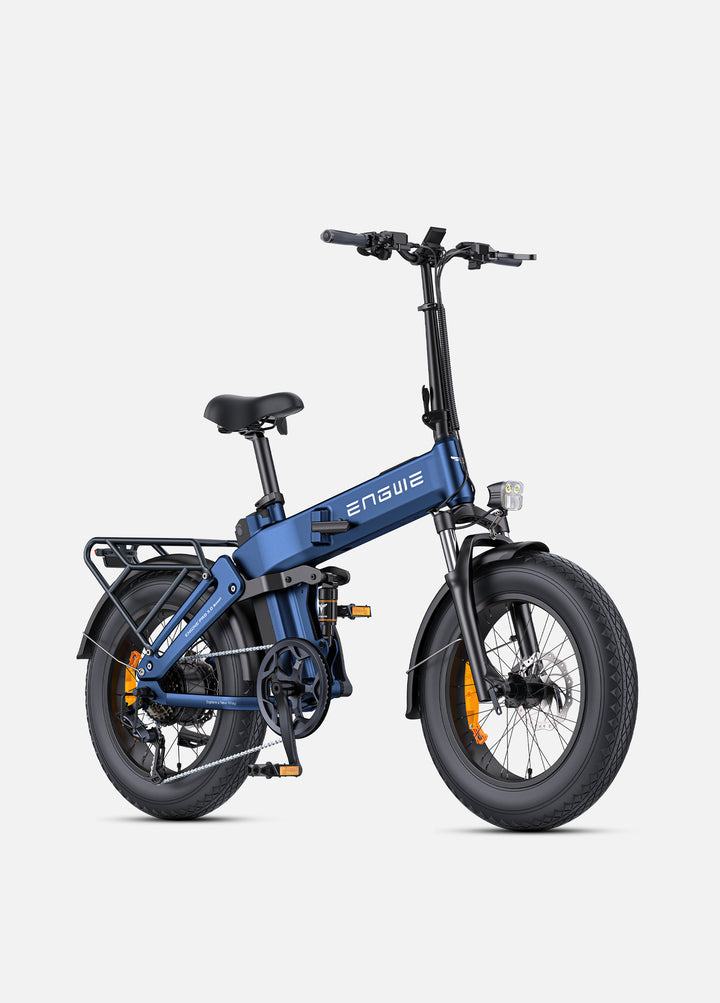
ENGWE E26 3.0 Pro – For Mid-Drive Trail Performance
This ENGWE E26 3.0 Pro has an impressive combination of a 250W mid-drive motor and 100Nm of torque. The bike has full suspension, which comprises a 4-bar linkage suspension frame, enabling it to react to any challenging terrain.
Additionally, the bike has a smart riding system, as well as 135km of range. The ENGWE electric bike is an upgraded model for mountain biking.


Specialized Turbo Levo – For Technical Trail Riding
The Specialized Turbo Levo is an e-MTB designed for technical mountain riding. The fact that it is equipped with full suspension, mid-motor drive, geometry for the trails, and mountain bike parts makes it an appropriate choice for the case of having to climb and descend.
There are differences in specifications for different models, and one needs to take into account all the details.

Trek Fuel EXe – For a Lighter Trail Experience
The Trek Fuel EXe follows the trend of providing a light ride with electrical assistance in addition to handling that is designed to stay as true to a regular mountain bike as possible.
Those who are searching for a light electric mountain bike would certainly like such a bike platform when handling is an issue. If one needs to find the lightest electric mountain bike, then it is better to check out the bikes' weights and dimensions.

What Matters When Choosing an Electric Mountain Bike?
A good mountain electric cycle assistance can be judged as a total package and not based on the power produced by the motor. In tough conditions, suspension comes in handy to cope with rough terrain. Brakes, tires, geometry, and reliable assistance help in maintaining control over the ride.
An electric bike mountain bike that can be used on mountain trails differs in the way the features mentioned above are prioritized compared to a city and utility one.
Also, weight plays an important role, especially in case there are sharp corners and technical sections on trails. As far as electric bikes for adults are concerned, sizing is important too. The frame geometry, reach, riding position, controls, and recommended load have to suit the specific rider.

Preparing for Steep and Unforgiving Trails
Prior to taking a mountain bike electric bike into difficult terrain, ensure that the following aspects are taken care of: tire condition and pressure, braking performance, suspension configuration, battery power, drivetrain performance, and security of wheels.
Moreover, the trail difficulty must be matched with the experience level of the rider, especially in cases where the trails have steep downhills, loose rock conditions, roots, sharp turns, and rapid traction changes.
If one is searching for electric mountain bike bikes or electric bike mountain, a range of bikes from recreational all-terrain bikes to mountain bikes will come up. Instead of presuming that the bikes offered by the manufacturer can perform in both scenarios, refer to the manufacturer's intended use of the manufacturer.
The performance of the bike in the downhill will rely largely on suspension, braking, tires, geometry, and riding skill of the rider, while extra torque will become essential when climbing up.

Plan Battery Range Before Longer Mountain Rides
Mountain routes may drain your battery in different ways than a regular asphalt route, depending on the slope of the road, its surface, the weight of the rider, assistance mode, and weather conditions.
It is essential to consider manufacturers’ data on range while making a choice between products; however, riders cannot expect to reach the maximum possible mileage every time when cycling off-road.
It is crucial to plan the entire route before starting off, considering elevation changes and the distance needed to get back home. Having a reserve in the battery is especially important on off-the-grid routes with few opportunities to recharge the battery.

Conclusion
Selecting an electric mountain bike for challenging terrains involves striking a balance between motorized climbing aid and the ability to control descents. Full suspension, reliable brakes, adequate tires, rider’s comfort, range, and proper geometry are just as important as motor specs.
The most appropriate bike should fit the terrain, duration of rides, and experience level of the rider. A more holistic approach makes it easier to pick an electric mountain bike that is appropriate for challenging mountain terrains while not considering motors alone.
Frequently Asked Questions
Is an Electric Mountain Bike Suitable for Downhill Riding?
Is an Electric Mountain Bike Suitable for Downhill Riding?
This happens when the mountain e-bike is built for that specific type of terrain, and the rider knows how to use the bike. Suspension, braking, tire choice, design, trail surface, and riding style affect the descent.
Is More Torque Better for Mountain Riding?
Is More Torque Better for Mountain Riding?
More torque can give better support on climbs, but it does not necessarily mean better performance on declines. In fact, it is important for braking and suspension to be good when going down a hill.
What Should I Check Before Riding Mountain Trails?
What Should I Check Before Riding Mountain Trails?
Brakes, tires, suspension, drivetrain, battery level, and tire security should all be checked prior to venturing into rugged terrain. Cyclists should also ascertain the toughness of the trail, the conditions, and whether electric bicycles are allowed.
Where Can I Compare Mountain E-Bikes?
Where Can I Compare Mountain E-Bikes?
The comparison between the various types of electric bikes can begin based on motor placement, suspension, torque, range, brakes, geometry, and terrain. Make sure you consider all the technical details regarding your local region before making your decision.