One of the most significant things that a person needs to do is use a correct charger for electric bike to extend the battery as long as possible and use it safely every day. The charging patterns influence the health of batteries, performance, and internal cell life. An electric bicycle battery is more stable and reliable with proper care and through numerous charge cycles.
Each e-bike system will operate with a voltage and a connector. This implies that the selection of the right type of battery charger for electric bike makes it safe to charge and avoids overheating or cell damage. Improper setup may greatly worsen wear and cause permanent range reduction.
Match the Charger to the Battery System
A charger should be of the specific voltage of the battery. A 36V battery charger for electric bike will only operate on a 36V system, and a 48 volt battery charger for electric bike or 48V lithium battery charger for electric bike will only operate on models with higher energy requirements. Allowing such chargers to mix is dangerous to internal parts.
Systems based on lithium need accurate profiles of charging. An electric bike 36V lithium battery charger for electric bikes is adjusted to deliver the current in a smooth and controlled manner, and avoids straining the cells. Before plugging any charger, riders must always make sure that it is compatible.

Understanding Charging Time
The time taken to charge depends on the voltage, the size of the battery, and the amperage of the charger. Smaller packs require less time to refill, but larger-amp chargers can shorten the wait time. The most common question that riders raise is how long does it take for electric bike to charge, and because the process varies among different systems, the answer to this question is three to seven hours.
Portable systems can be slower in charging, and they have the benefit of being portable to commuters and travellers. A portable charger for electric bike works well in the office, on vacation routes, or on long-range trips where there might be a scarcity of outlets.

Safe Charging Habits for Longer Battery Life
Regular practices ensure that there is stability in the battery. Plugging the charger in a cool and dry place will ensure there is no overheating, and unplugging the charger after it is full will ensure that there is no undue stress. Long-term health and performance are enhanced by riders who do not operate the battery to the limit.
During the planning of upgrades, the e bike battery replacement must be equal to the battery of the bike, both in voltage and connector type. To avoid the problem of conflict between components, a new battery with a corresponding battery and charger for electric bike is necessary to achieve the appropriate behavior of charging.

Travel and Storage Considerations
Indoor charging is the least risky since the air is regulated in terms of temperature conditions, and it is dry. Riders that keep their batteries long should maintain them at about 40-70 per cent charge to retard natural degradation.
To explore a long distance, a fast charger for electric bike is usable to save time on waiting, although it should correspond to the voltage and the safety profile of the battery. Rapid charging generates more heat and therefore should be employed sparingly instead of being applied on the cell on a daily basis.

Popular Charger Options for Electric Bikes
The riders have varying forms of chargers based on the voltage, amperage, and the internal management system of the electric bicycle battery. The right charger for electric bike allows stable charging and enables increased battery life.
Some of the commonly known charger models are listed below, both in the general market and ENGWE-compatible ones.
1. Bosch Standard 4A E-Bike Charger
The Bosch 4A charger is a reliable variant for a variety of mid-drive systems. It provides continuous current flow and keeps battery cells safe, and at the same time gives a decent charge rate. Riders like it because it is reliable in their daily commutes and controlled temperature in extended sessions.

2. Yamaha 36V Lithium Charger
This 36V charger fits a large selection of commuter bikes with the Yamaha drive system. It is distinguished by constant voltage control and harmless communication with the lithium packs, which makes it a powerful option among riders, as they can afford to rely on their battery and not be nervous about the remaining time.

3. Unit Pack Power 48V Charger
This charger is designed to be used with long-range packs, with an option to charge 48 V systems and provide a smooth current flow to bigger capacity batteries. It is effective among mixed-terrain riders who desire packs to be balanced and secured within normal charging cycles. It has safety features that assist in preventing overheating and overcharging.

4. ENGWE 54.6V 8A Charger for Engine Pro 3.0 Boost
The ENGWE’s 54.6V 8A is designed to suit the needs of riders who choose to have a shorter charging time without compromising the safety of 54.6V. It is compatible with the Engine Pro 3.0 Boost battery system, which provides efficient current without exerting stress on the cell structure. It has a larger amperage to minimize the time wastage among commuters.

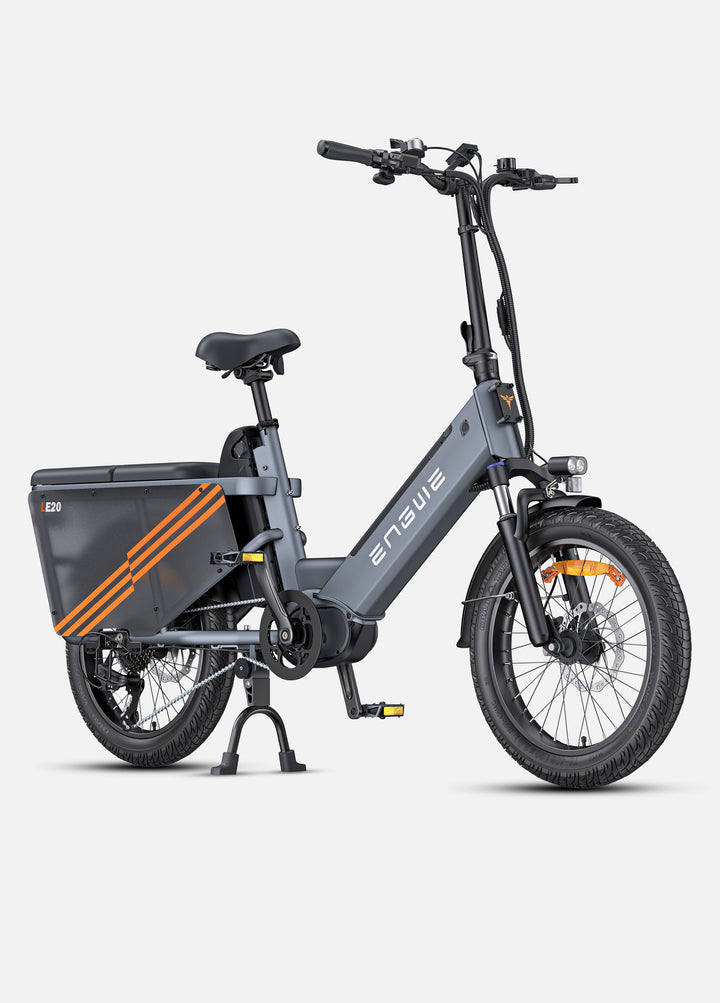
5. ENGWE LE20 8A FlashCharge
The ENGWE LE20 FlashCharge system is an environmentally friendly and quick-charging system for the ENGWE LE20. Its optimized output profile maintains steady temperatures, and it helps riders prepare their bikes quickly for the next ride. This makes it appropriate for riders who rely on forecasted energy supply during the day.
These examples show the variety of battery charger for electric bike in their voltage, amperage, and use. When selecting a unit that is compatible with the battery, safer charging, longer life, and dependable performance during commuting, recreation, and weekend travel are all guaranteed.

Conclusion
To charge an e-bike safely, the first step is to use a correct charger for electric bike that fits, has the right voltage, and adheres to the same habits. The presence of clean charge space, regulated temperatures, and correct storage ensures that the battery is healthier.
The knowledge of the cooperation between chargers and batteries assists riders in safeguarding their performance, extending the distance, and having reliable traveling.
Frequently Asked Questions
Can I use any charger for my electric bike?
No. The charger should be compatible with the type of connector and voltage of the battery. Applying the incorrect unit may destroy the battery or decrease its life cycle. To make sure that charging is safe and stable, the riders are always to look at the specifications or use the charger provided by the manufacturer.
How long does it take to charge an electric bike battery?
The average time to charge is between 3 and 7 hours based on the capacity, voltage, and amperage of the chargers used. Big packs also take longer, but higher-amp chargers also take less time to charge. Battery charging in a cool and dry place is beneficial in keeping the battery healthier with every cycle.
Is it safe to leave an electric bike charging overnight?
In the majority of current chargers, the flow of current is terminated when the battery is full, but when kept plugged in consistently over a long period (such as overnight), the wear life tends to be decreased. It is ok to charge periodically overnight, but frequent long charges should not be done. When the battery is charged to the end, it is also advisable to unplug it.
What’s the difference between a 36V and a 48V charger?
A 36 V charger has been designed with a 36 V battery, and a 48 V charger with systems designed to operate at higher power. The two cannot be used interchangeably. Riders with 36v lithium battery charger for electric bikes or a 48v lithium battery charger for electric bike should always be voltage-defined.
Can I charge my bike with a portable charger?
Yes, if the portable unit is developed to be used in an e-bike and has the appropriate voltage. A portable charger for electric bike can be useful in commuting or on long trips, but it might not charge as fast as a home unit. It is still a handy supplement in case of traveling or emergencies.