With tough trails, loose gravel, and rough tracks, the need is to have a good e-bike that has the right tyres, good braking, and sufficient assistance when climbing. Selecting the right ebike mtb needs some consideration of many factors.
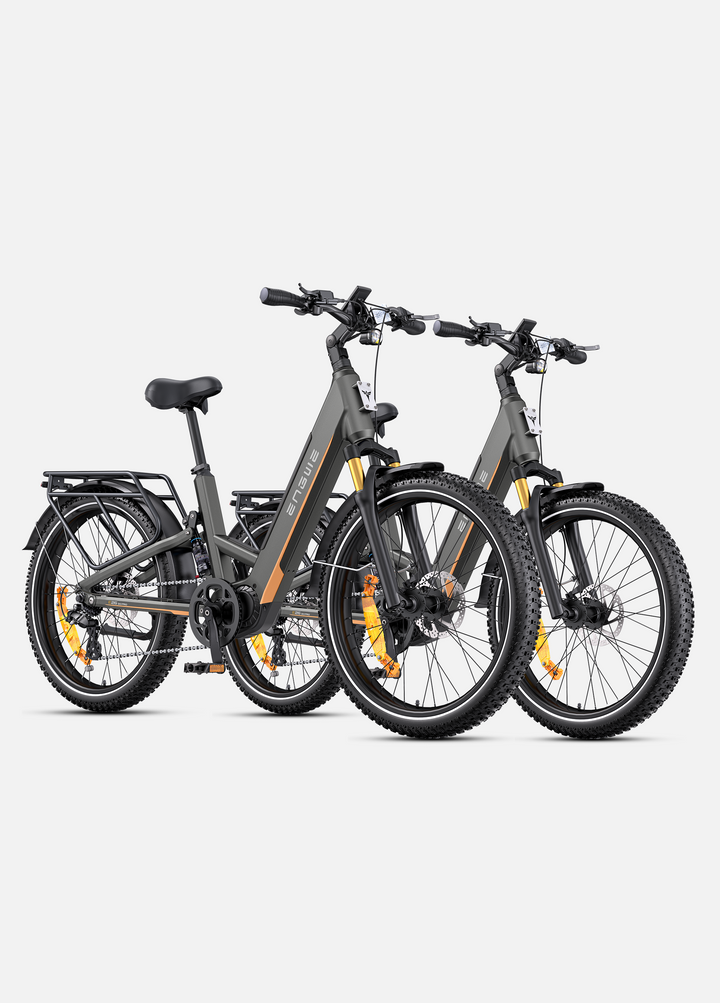
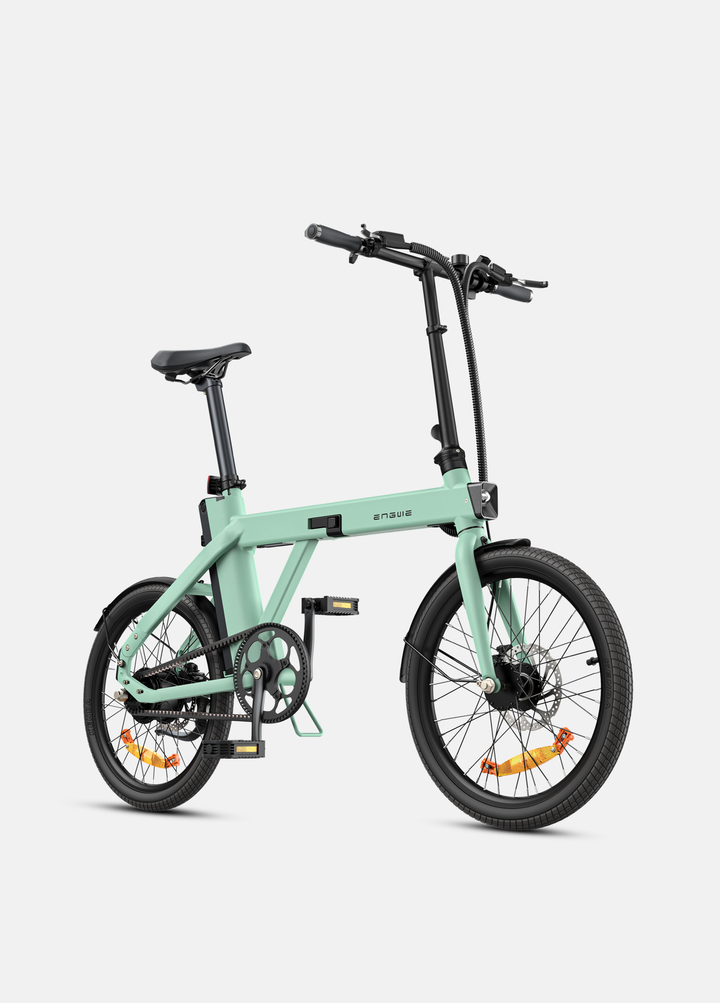
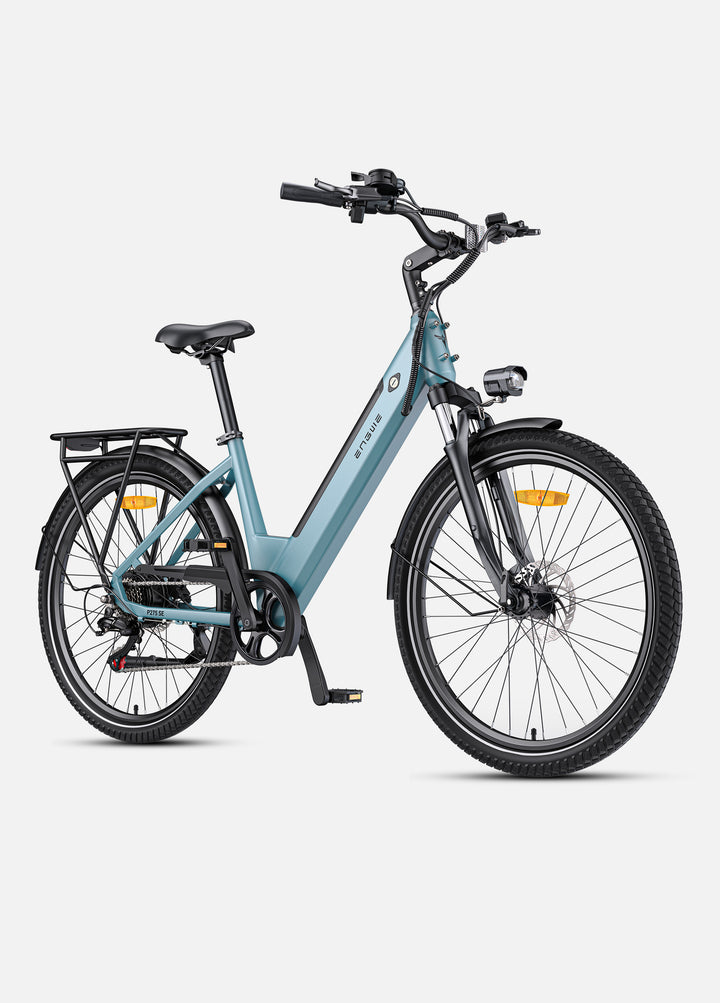
Below are five bike models designed for various riding styles ranging from versatile terrain cycling to trail-specific riding. Look at the features of each one to identify which bike is best suited to you in terms of terrain, experience level, and budget. The ENGWE bikes cater to all-terrain riders, whereas others specialize in climbs and descents.

5 All-Terrain E-Bikes to Consider
When selecting the best ebike mtb, your terrain type, riding experience, and level of assist required will all play a part. While some will favor comfort on varied terrain, there are those that specialize in climbing and descending on technical terrain. Let us look at these five different types of bikes.
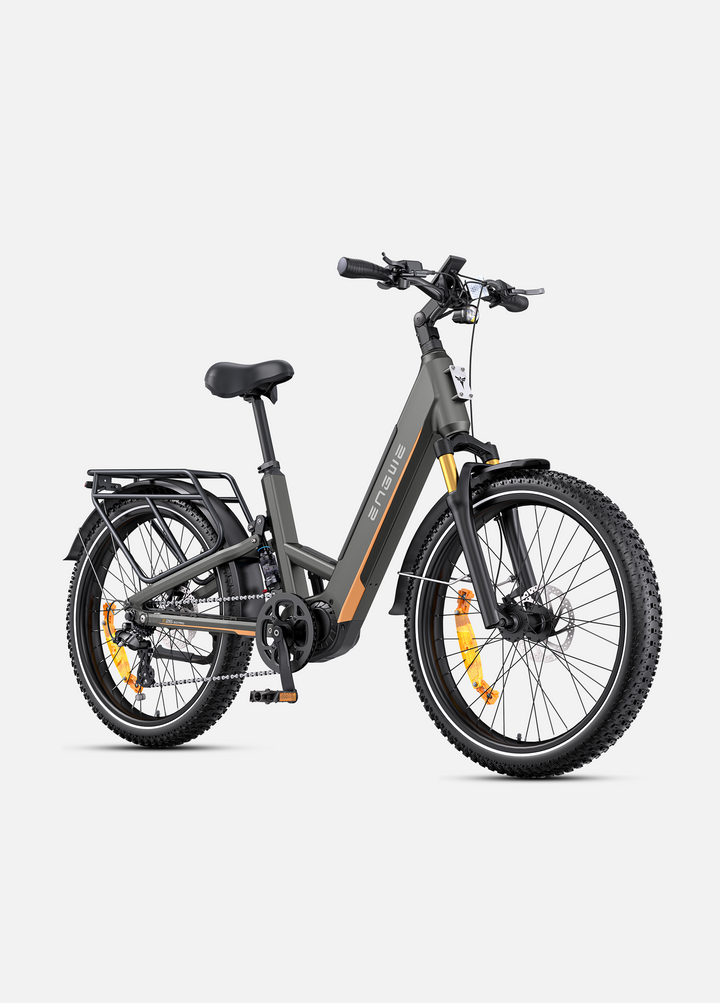
1. ENGWE E26
The ENGWE E26 is ideal for cyclists looking for one bicycle for commuting as well as riding in recreational routes that are not necessarily on paved surfaces.
The bicycle has wider tires and double suspension, which enables the rider to enjoy a smoother ride. Since it is an all-terrain mtb ebike, the battery can be removed to make the process easier.

Key Features
- 250W motor
- 70Nm maximum torque
- Dual suspension
- 48V 16Ah removable battery
- Up to 140km claimed range
- Hydraulic brakes

2. ENGWE E26 3.0 Pro
The ENGWE E26 3.0 Pro model is meant for individuals in search of more pedal assistance in difficult terrains.
This particular bicycle model has a mid-drive mechanism that incorporates a motor on the cranks, making it different from other all-terrain hub-drive bikes. Due to the four-bar linkage frame design, the ENGWE e bike has a good suspension mechanism.

Key Features
- 250W mid-drive motor
- 100Nm maximum torque
- Full-suspension frame
- Four-bar linkage suspension system
- Smart riding system
- Up to 135km claimed range

3. Propain Ekano 2 AL
Propain Ekano 2 AL is designed for those who like to ride downhill, tackle difficult climbs, and explore demanding enduro trails.
The combination of the alloy frame and different-sized wheels gives it a unique trail-oriented nature, whereas the motorized propulsion from the Shimano drive system helps to climb the hills easily. This is an enduro bike that is not intended for all-round use.

Key Features
- Aluminium frame
- Shimano EP801 or EP600 motor, depending on build
- Up to 85 Nm of torque with the EP801
- 626Wh battery, approximately
- 170mm rear suspension travel
- Mixed 29-inch front and 27.5-inch rear wheels
4. Norco Sight VLT
Norco Sight VLT targets riders who like to spend entire days in the mountains, tackling steep climbs along with challenging descents.
An all-mountain type bike, it seems to be one of the good options if you are looking for an e-bike that will perform as a decent mountain bike. It deserves a close look if you are riding on varying terrain.

Key Features
- Bosch Performance Line CX motor
- Up to 85Nm of torque
- 750Wh battery on the referenced configuration
- 160mm front suspension travel
- 150mm rear suspension travel
- Mixed 29-inch front and 27.5-inch rear wheels
5. BH iLynx+ Enduro
The BH iLynx+ Enduro is a bike for those seeking a higher-performance e-MTB equipped with a carbon frame.
The main emphasis on lightweight design makes it a rather interesting variant for cyclists compared to full-power ATBs, which are rather heavy. Those who seek lightweight e-MTBs can compare the frame and motor design of the bike with other more common ATBs.

Key Features
- Carbon-fiber frame
- Shimano EP801 motor
- Up to 85Nm of torque
- 630Wh integrated battery
- 160mm suspension travel on Enduro models
- Optional 180Wh range extender on compatible builds
What to Look for in an All-Terrain E-MTB
The best ebike mtb is determined by the terrain you ride on most frequently. Rocky terrain requires good brakes and suspension systems, while steep slopes require appropriate gearing and good weight distribution, along with the motor's support.
Another important factor to consider is the width of the tyres. Fat tyres would add cushioning to loose ground, while mountain-bike tyres give good control.
Mountainbike e-bikes buyers need to keep in mind the following factors apart from weight, such as battery range, suspension travel, frame geometry, and customer service. Some lightweight e-mountain bikes tend to be easy to handle on twisting trails, while some other lightweight e mountain bikes can be attractive for people who enjoy riding normally. But weight must be taken into account along with other factors.

Match the Bike to Your Riding Style
Before going for an ebike mtb, you need to determine if your regular riding is done on forest trails, downhill through rocks, on gravel roads, or up mountain climbs. A mountain e bike meant for a technical trail can have a different suspension and geometry than an ebike meant for all terrains. The mtb electric bicycle should also suit your skill level.
When comparing a lightweight e mountain bike with a heavy one, the turning ability of the bicycle must be taken into account. Researchers of mountain e-bike should also pay attention to the braking system, tire grip, and suspension settings. Search results for mountain bikes e bike may contain bikes with and without motors.
While shopping for an e mountain bike sale, consider the actual specifications and the parts included because the only factor that determines the value is not how big the discount is. An appropriate e bike mountain bike should combine functionality, comfort, and maintenance considerations.

Conclusion
The perfect ebike mtb will be determined by several factors such as the type of terrain, level of experience, and personal preference between comfort and performance.
Suspension, tires, braking system, motor support, and battery power should be compared before settling on a particular model. If it is all-terrain or trail riding that interests you, select a suitable bike.
Frequently Asked Questions
Is a Full-Suspension E-Bike Better for Mountain Trails?
Is a Full-Suspension E-Bike Better for Mountain Trails?
The use of a full-suspension e-bike helps to increase the comfort level and contact with the tyre on rough terrain by taking the shock at both the front and back.
Are Fat-Tire E-Bikes Suitable for Rugged Trails?
Are Fat-Tire E-Bikes Suitable for Rugged Trails?
Fat tyres are helpful in providing padding and traction on loose gravel, sand, and rough terrain. However, just the tyre width is not enough to ensure good trail performance; there are other factors as well.
How Much Motor Torque Is Useful for Mountain Climbing?
How Much Motor Torque Is Useful for Mountain Climbing?
More torque may be helpful while ascending steep hills and for acceleration at low speeds. But other factors that play their role include gearing, battery power, traction, rider input, and power delivery from the motor.
What Should I Check Before Buying an E-MTB?
What Should I Check Before Buying an E-MTB?
Review the suspension travel, braking performance, suitability of tyres, motor specs, battery size, frame compatibility, and local support services. Ensure that the bicycle matches the type of trails you want to ride and conforms to local regulations governing e-bikes.