Electric bikes are available in various classes and understanding the one that suits your needs is a way of ensuring that you can ride safely and within the law. A lot of new riders are confused about the meaning of Class 1, Class 2 and Class 3 electric bikes.
We will attempt to describe it in simple terms in this guide so that you can know about the difference between Class 1, 2, and 3 electric bikes before purchasing.
What Is a Class 1 Electric Bike?
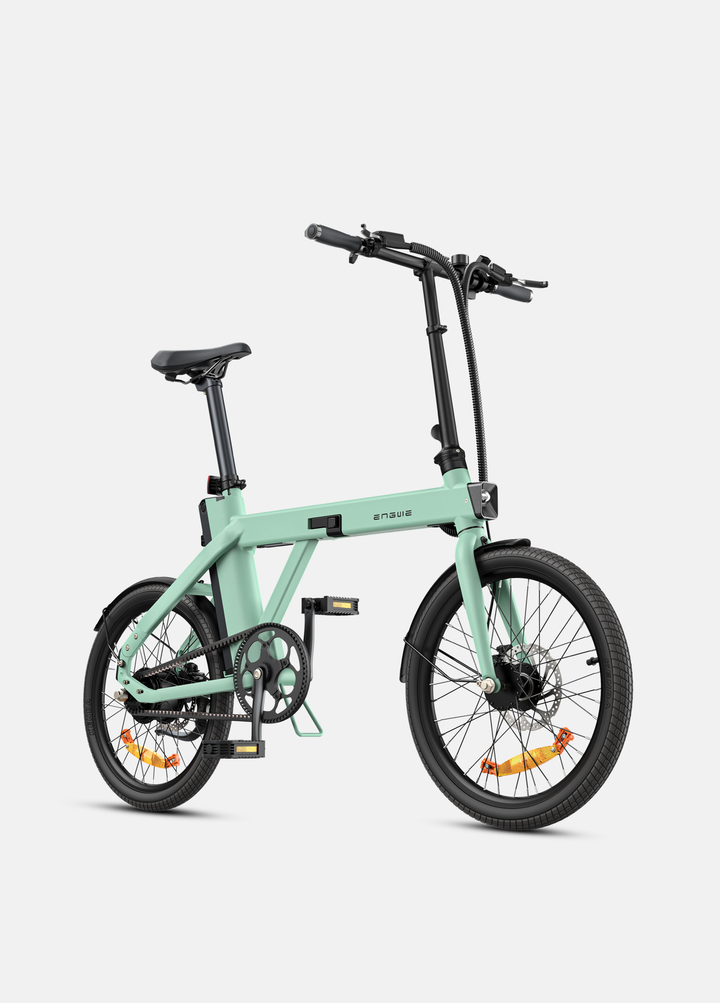
The most widespread and user-friendly Class 1 electric bike. It has a pedal-assist mechanism i.e., there is no power on unless you pedal. There is no throttle and thus you regulate the speed with your effort. The majority of them, such as the ENGWE ebike and other trendy ones, cease motor assistance after reaching 20 mph (around 25 km/h).
The Class 1 electric bike definition is easy, this is the e-bike that helps you pedal up to 20 mph and can legally be used on the majority of bike paths and trails. Riders enjoy them due to the fact that they are near to a conventional bike only that they are lighter to ride uphill or during long distances.

Why Riders Prefer Class 1 E-Bikes
If you’re new to e-bikes, a Class 1 ebike is the best starting point. It’s quiet, efficient, and accepted in most cycling zones. The best Class 1 electric bikes come with smart torque sensors that adjust power based on how hard you pedal. Brands of electric bike offer strong battery life and smooth control, making them perfect for daily commutes or weekend fun.
Key Benefits of Class 1 E-Bikes:
-
Legal on most bike paths and mountain trails
-
Smooth pedal-assist power without jerky acceleration
-
Lower cost and easier maintenance than higher classes
-
Great for fitness, comfort, and long-distance riding

Class 2 Electric Bikes: More Power, Same Comfort
The Class 1 vs Class 2 electric bike debate mainly comes down to throttles. Class 2 e-bikes include a throttle that lets you ride without pedaling. They still top out at 20 mph, but you can cruise more easily. These are ideal for people who want to rest their legs while riding short distances or uphill.
While Class 1 ebikes feel more natural, Class 2 models add convenience. They’re especially popular among delivery riders and city commuters.

Class 3 Electric Bikes: The Fast Lane of E-Bikes
A Class 3 electric bike is the fastest legal type. It can reach 28 mph (45 km/h) with pedal assist. These bikes are best for experienced riders or those who use their e-bike for long road trips.
If you compare Class 1 vs Class 3 electric bike, the major difference is speed and access — Class 3 models are usually not allowed on shared bike paths. However, they’re great for highways and commuting routes.
Class 1 vs Class 2 vs Class 3: Key Differences
Here’s a quick way to understand the difference between Class 1, 2, and 3 electric bikes at a glance:
|
Feature |
Class 1 |
Class 2 |
Class 3 |
|---|---|---|---|
|
Pedal Assist |
Yes |
Yes |
Yes |
|
Throttle |
No |
Yes |
Some |
|
Max Speed |
20 mph |
20 mph |
28 mph |
|
Legal on Trails |
Yes |
Sometimes |
No |
|
Ideal For |
Fitness, Trails |
Commuting |
Long Rides, Roads |
Understanding ebike Class 1 2 3 systems helps you stay within legal limits and find what’s best for your needs. Most riders start with Class 1 electric bikes, then upgrade later for more speed or power.
Top Class 1 E-Bikes for Everyday Riding
When it comes to comfort, range, and control, Class 1 electric bikes lead the way. They use pedal assist only, giving you smooth power that feels natural. These models are legal on most bike paths and perfect for commuting, fitness rides, or relaxed adventures. Below are some of the best-performing options for 2025.
Trek Verve +2
A practical city e-bike powered by a Bosch Active Line Plus motor. It offers a smooth pedal-assist experience with a 400Wh battery and comfortable step-through frame — ideal for daily commutes or weekend rides. Its upright design and stable geometry make it perfect for riders who value comfort and confidence on every trip.

Specialized Turbo Vado SL 4.0
Lightweight and sleek, this model delivers up to 20 mph pedal assist through a 240W mid-drive motor. It’s built for fitness riders who want speed and performance without bulk. Its minimalist frame hides the battery beautifully, offering a modern, clean look ideal for urban professionals and active commuters.

Giant Explore E+ 2 STA
Known for stability and endurance, this e-bike features a Yamaha SyncDrive motor and a 500Wh battery. The Smart Assist system automatically adjusts power on hills or long routes for consistent comfort. It’s built to handle mixed terrain with ease, making it a dependable companion for both long-distance and daily travel.

Cannondale Quick Neo SL 2
Compact and agile, this model uses a 250W rear-hub motor hidden within its clean frame design. It’s a reliable Class 1 ebike that balances simplicity, style, and everyday performance. The lightweight build ensures quick handling, ideal for riders navigating tight city streets or busy commuting routes.

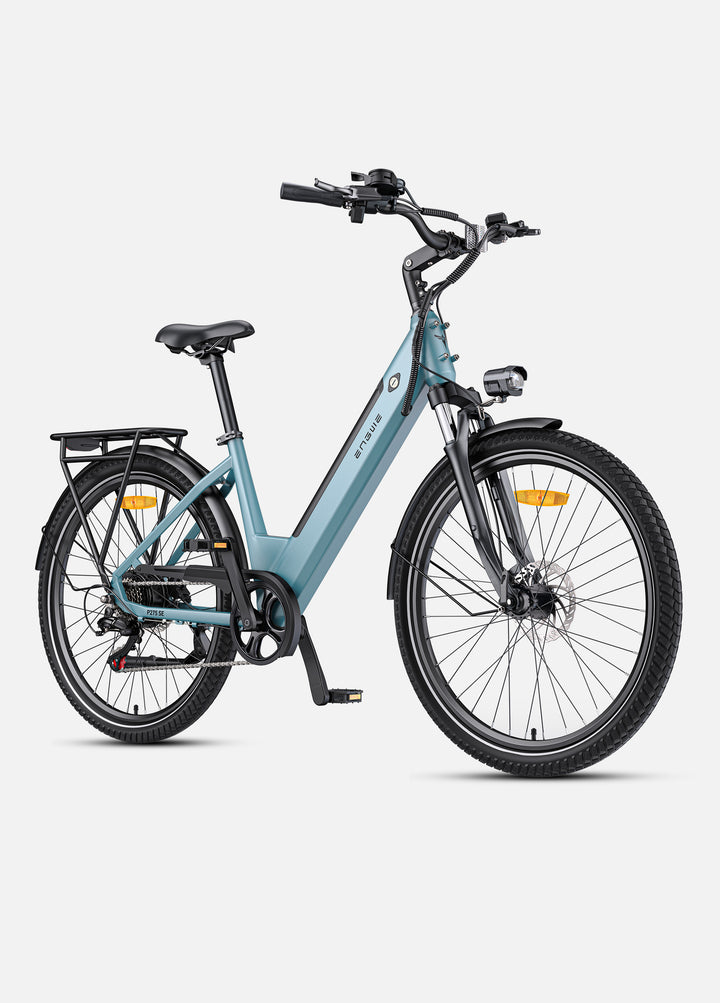
ENGWE P275 Pro
Made for long-distance riders, this model comes with a 250W Bafang mid-drive motor and a range of up to 260 km. Automatic 3-level gears and hydraulic brakes make it both efficient and safe for city and countryside travel.
This ENGWE ebike delivers impressive power and balance, designed for riders who want durability, performance, and long-range reliability in every ride.

Choosing Between Class 1, 2, and 3 Electric Bikes
Before buying, think about where you’ll ride most. City commuters prefer Class 2 models for throttle ease, while fitness or trail riders enjoy the control of a Class 1 electric bike. For those who need speed and travel longer distances, Class 3 e-bikes offer better performance.
No matter which you choose, always wear safety gear and follow local e-bike laws. Knowing what are Class 1, 2 and 3 electric bikes helps you pick a model that fits your area’s rules and your lifestyle.
Conclusion
Understanding electric bike Class 1 2 3 systems helps you ride smart and safe. A Class 1 electric bike is perfect for most riders — easy to handle, road-legal, and efficient. Class 2 and Class 3 models add more power and speed but come with specific riding limits. Whether you’re picking your first e-bike or upgrading, choose the one that matches your comfort, distance, and terrain needs.
Frequently Asked Questions
What is a Class 1 electric bike?
A Class 1 electric bike uses pedal assist only and supports speeds up to 20 mph. It’s ideal for beginners and completely legal on most paths and roads.
What is the difference between Class 1, 2, and 3 electric bikes?
Class 1 offers pedal assist only, Class 2 includes throttle mode, and Class 3 provides pedal assist up to 28 mph. Each class suits different riding styles and legal access points.
What is a Class 1 e-bike used for?
It’s commonly used for fitness rides, commuting, or light trail adventures. Riders enjoy smooth motor support while pedaling naturally, making it great for everyday transport and low-impact exercise.
Are Class 1 e-bikes street legal?
Yes, most Class 1 electric bikes are road-legal worldwide. They meet local speed and power limits, making them safe for public streets, cycling lanes, and shared recreational trails.