In the last 10 years, cycling has changed a lot, with e-bikes being the most influential in the development of personal transportation. However, if someone is new to the field, the terms used might be quite confusing.
What is an ebike, really? In simple words, an electric bike (or ebike) is a normal bike with a built-in motor that helps the rider with one pedal power. With this additional power, going uphill, cycling against the wind, and riding for a long distance become very easy and comfortable.
An ebike is different from a motorcycle or a moped in that it still has pedals and a chain. The e-bike is similar to a normal bike in that you can ride it without any problem, but when you need assistance, the system comes into play. Your guide will help you understand everything about e-bikes. You’ll start with how they work and end with key parts like motors and batteries. This will explain why “What is an ebike?” is such a common question for commuters and adventurers.
What Is an Ebike and How Does It Work?
Three fundamental components of an ebike: the motor, the battery, and the sensor, define what is an ebike and how does it work. The sensor identifies your movement when you start pedaling and, hence, informs the motor to help the pedal. In response, the motor takes the energy from the battery to help the pedal, thus making it easier for you to go ahead.

The majority of current electric bikes are equipped with a Pedal Assist System (PAS). In other words, the motor is only turned on by the electric bike when the rider is pedaling. You can adjust the support level using an indicator on the handlebars. It lets you choose between a small green push or strong power for uphill rides. Also, some systems can have a throttle. This lets you use motor power without pedaling. However, this depends on local regulations.
Understanding Ebike Motors and Mechanics
An ebike motor is basically the powerplant of any electric bike. How the bike is and how it deals with situations depend largely on the motor. To a great extent, the motors come in two main types: hub motors and mid-drive motors. Hub motors are in the middle of either the front or the rear wheel and thus give a direct push or pull feeling.
You will find them on inexpensive and durable models mainly. Mid-drive motors sit at the bike's crank, where the pedals are. This setup offers a stable ride and boosts efficiency on hills by using the bike's gears.
What Is a Torque Sensor on an Ebike?
One of the main technologies that separates good rides from great ones is the type of sensor that is used. So, what is a torque sensor on an ebike? A torque sensor measures how hard you pedal. It differs from a cadence sensor, which only checks if you're pedaling. With this device, the motor's power output is changed on the fly to be exactly the same as the user's input. The motor supplies additional power when the user pedals harder, and when the user pedals gently, the motor saves energy.
Users can enjoy a riding experience that's close to natural. This feels intuitive, especially with high-end models like the ENGWE P20. It uses a torque sensor, making urban commuting effortless.


What Is an Adaptive Ebike?
One major change coming from the rapid advancement of technology is the adaptive ebike. What is an adaptive ebike? They are smart bikes that adjust power levels automatically. They consider the surface, riding style, and battery energy.
Users don’t need to change the assist mode manually. In this way, they guarantee the best efficiency and, as a result, they can be very helpful for people whose physical condition is not quite the same.
Speed, Limits, and Regulations
The ebike speed is probably the most frequent question that comes to a new rider's mind. The thing that all of them are most eager to know is whether the ebike speed capabilities are able to satisfy their needs. It is true that, in theory, engines can go very fast, but law restrictions are always very strictly observed in order to keep the public safe on the roads.
What is the Fastest an Ebike can Go Legally?
In the UK and Europe, the query "what is the fastest an ebike can go legally?" is usually met with the answer of 25 km/h with the help of the motor. It is required that the motor stops providing power once this speed is reached; however, one is still allowed to pedal at a higher speed with one's own power. In Europe, the standard for a bike to be non-motorized is a 250W motor and a speed limit of 25 km/h. Other places may have different limits.

What Wire Is the Speed Limiter on an Ebike?
Fans of ebike fast options might query, "What wire is the speed limiter on an ebike?" The speed limiter usually comes from the controller's software or a specific wire segment, often white or blue. This limits voltage or RPMs, keeping the bike within legal limits. Changing this feature will cancel the guarantees. It will also make the bike illegal for public roads.
Plus, it could be dangerous. The best advice is always to use the original settings to be safe and compliant.
Batteries and Range: The Power Source
The ebike battery is the fuel tank of your ride. Today, ebikes run on Lithium-ion batteries, which are pretty light and efficient in energy consumption. The capacity is what is being measured in Amp-hours (Ah) and Watt-hours (Wh).
Usually, a higher capacity would indicate a long range ebike. As an example, the Engine X Battery, which is a 48V system, works great for delivering steady power without getting hot.

The right ebike charger is what keeps the battery healthy. Most bikes are equipped with a dedicated smart charger, which avoids overcharging. The charging time is different for each bike, but generally, it takes 4-6 hours per charge. If you're going on a long trip, detachable batteries are useful. You can swap a dead battery for a charged one. Or, you can charge a battery in your room while your bike is out.
Types of Ebikes for Every Rider
Electric bikes can be used for a large number of different purposes. If you need a cheap ebike for quick trips or a sturdy bike for off-road rides, there's a great option for you.
Commuter Ebike
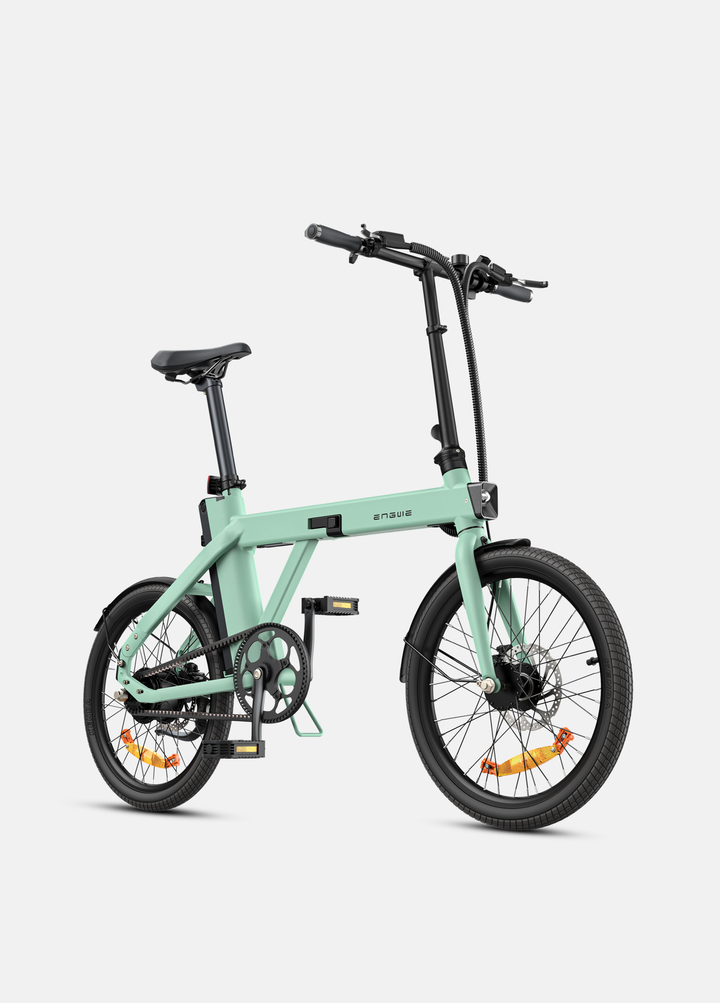
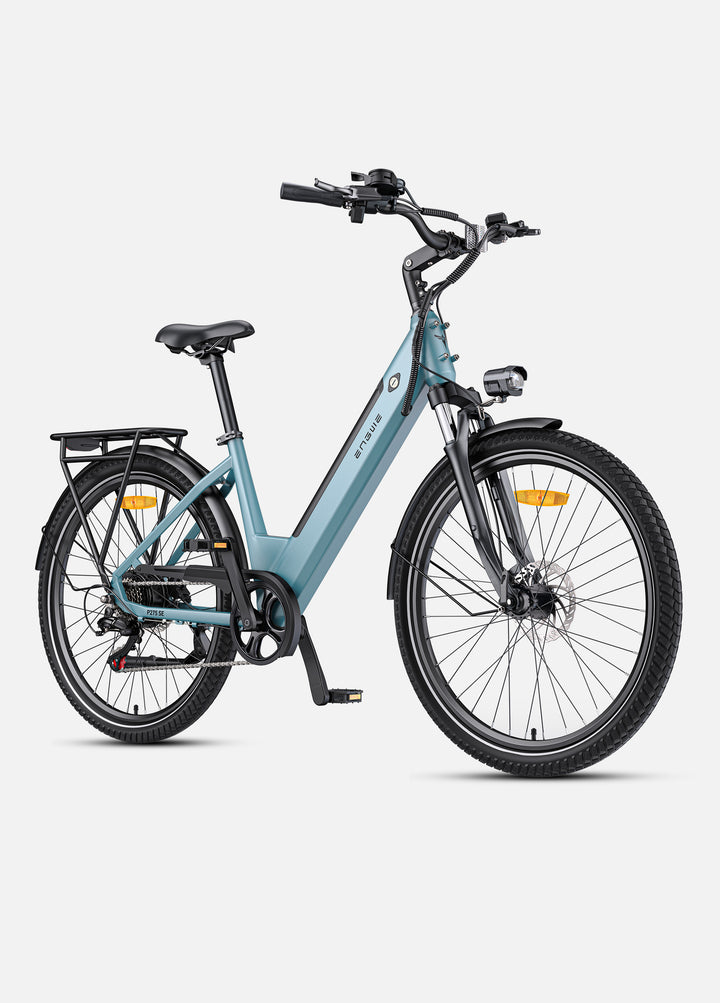
A commuter ebike is generally meant for use in urban areas. In most cases, they are light in weight, quick in movement, and have features such as mudguards and lamps from which a user can take the benefits. The ENGWE P20 is a great example of a folding commuter bicycle. It fits easily in small living or working spaces, making it perfect for daily use.
Fat Tire Ebike
If you are looking to go off the beaten path, a fat tire ebike is definitely the right choice. Wide tires give great grip on sand, snow, and gravel. The ENGWE Engine X has 20x4.0-inch fat tires and full suspension. This setup ensures a smooth ride on rough terrain. Plus, it folds completely for easy carrying.


Cargo Ebike
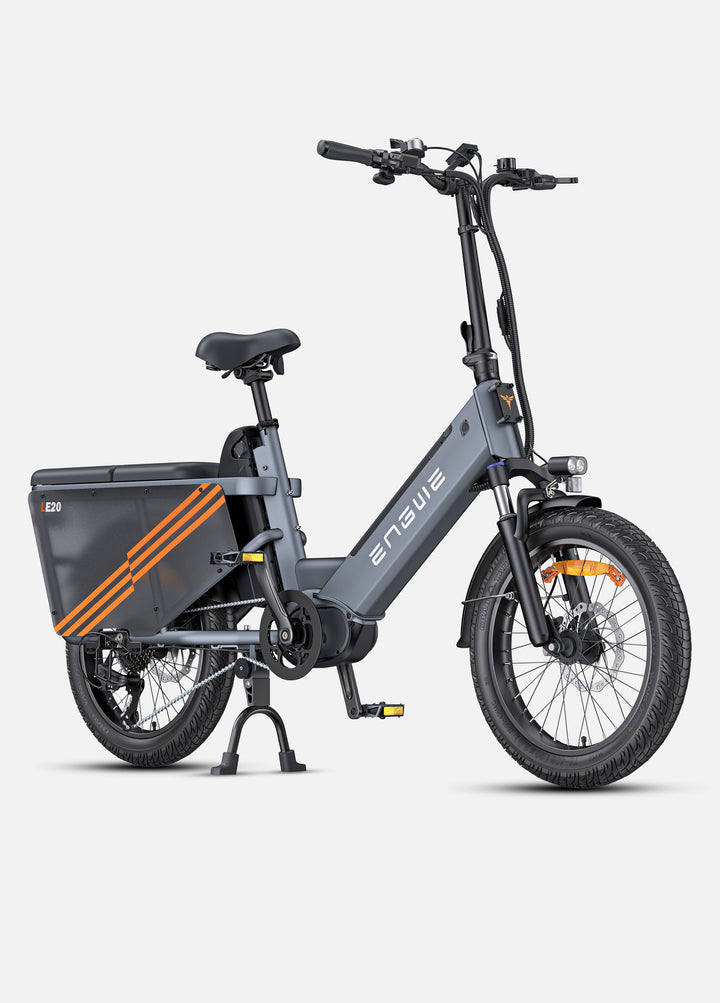
In case you have to transport groceries, kids, or some delivery packages, a cargo ebike is the most powerful ebike in the world. They come with long frames and heavy-duty racks for the load that is going to be put on them. The ENGWE LE20 models are designed to be highly useful. They can often replace car trips for your daily errands.


Essential Accessories and Safety
Ebike accessories can make your trip more pleasant once you have your bike. A strong lock, bright lights, and pannier bags are what most riders will put first of all.
It is absolutely necessary that safety be the top priority. An essential must-have is a properly ventilated and certified ebike helmet. Ebike trips are usually twice as fast as regular bike rides. That's why specially designed helmets, meeting the NTA 8776 standard, offer extra protection for the back of the head and the sides of the face.
To Sum Up
Knowing what is an ebike really only the beginning. Electronic technology meets diverse lifestyles through options like the quiet torque sensor or the rugged fat tire model. ENGWE and similar companies keep innovating. They offer trendy, reliable solutions. The ENGWE P20 and ENGWE Engine X are great examples. These models meet the needs of the European landscape.
An electric bike is a fantastic way to travel. It gives you freedom that's hard to match, whether you're commuting to work or exploring the countryside.
Frequently Asked Questions
Do I need a license to ride an ebike in Europe?
Most e-bikes in Europe don’t need a license, insurance, or registration. If they have a motor under 250W and stop helping at 25 km/h, they follow the law. Standard ebikes are considered regular bikes and therefore are not subject to licensing.
How long does an ebike battery last on a single charge?
Battery range depends on a few key factors:
-
Battery capacity
-
Surface type
-
Rider's weight
-
Level of assistance
For instance, a standard battery (like 48V 13Ah) is able to provide a distance that varies from 60 km up to more than 100 km in the case of the pedal-assist mode. It is advisable to verify the particular range indication of the manufacturer in order to be precise in your planning.
Can I ride my electric bike in the rain?
Most quality e-bikes are built to be water-resistant and can go with you in the rain. The motor and battery, for example, are sealed to at least IP54 standards. Still, it is better not to immerse the e-bike in deep water or use a pressure washer to clean it.
Is it difficult to pedal an ebike if the battery dies?
It is not hard, but the effort will double. When the energy source is empty, the e-bike operates in a similar way to a conventional bike. The additional weight of the engine and the battery will be visible, but you can still pedal it back to your place without any risk.
How much maintenance does an ebike require compared to a normal bike?
For the most part, an ebike is handled like a normal bike when it comes to tires, brakes, and chains. The electrical system (motor and battery) doesn't really need any upkeep. Keep the battery charged regularly. Clean the connections and store them in a dry place. This will help the battery last longer.