Cycling over rough terrain, over stones, gravel, roots, and uneven surfaces is a difficult task even for a cyclist who has enough experience in cycling. However, such a mountain ebike must have other characteristics besides a strong motor in order to cope with this task. A good suspension is one of them.
In modern mountain electric bicycles, there are different types of suspension to increase comfort and control during riding. While front suspension allows you to soften the shocks from the handlebars, the rear suspension helps to minimize the shocks transferred from the wheel through the frame and the saddle.

Mountain Ebikes With Suspension Systems for Rough Trails
Selecting the best mountain ebike goes beyond simply looking at the motor and battery capacity. Suspension travel, tires, brakes, and geometry play a part in how a bike deals with rugged trails. Below is a list of four electric mountain bikes to consider.
ENGWE E26 3.0 Pro
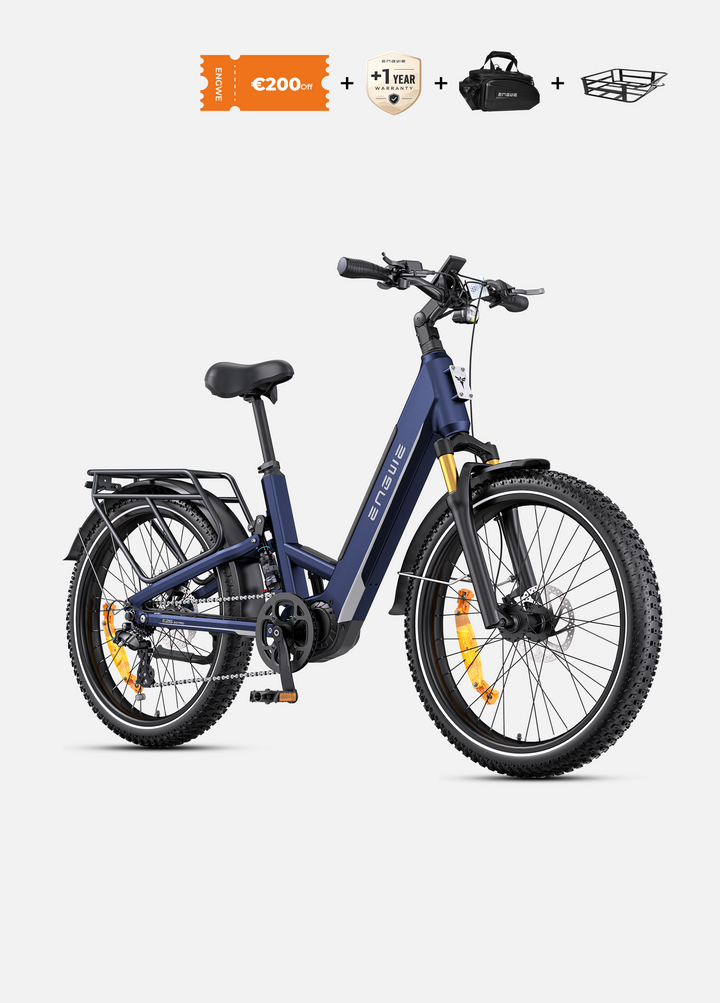
The ENGWE E26 3.0 Pro has been designed with the 250W Mivice mid-drive engine along with 100Nm of torque and a full-suspension frame. The fork of this bike is capable of delivering 80mm of travel, while its rear air shock has a capacity of 30 mm of travel via a 4-bar linkage mechanism.
The bike also has a 720Wh LG battery, and the promised range is up to 135km in pedal-assist mode. It is equipped with hydraulic disc brakes, Shimano eight-speed gears, and an app connection. The ENGWE mountain bike is designed to suit individuals who need powerful assistance with increased comfort.


ENGWE E26
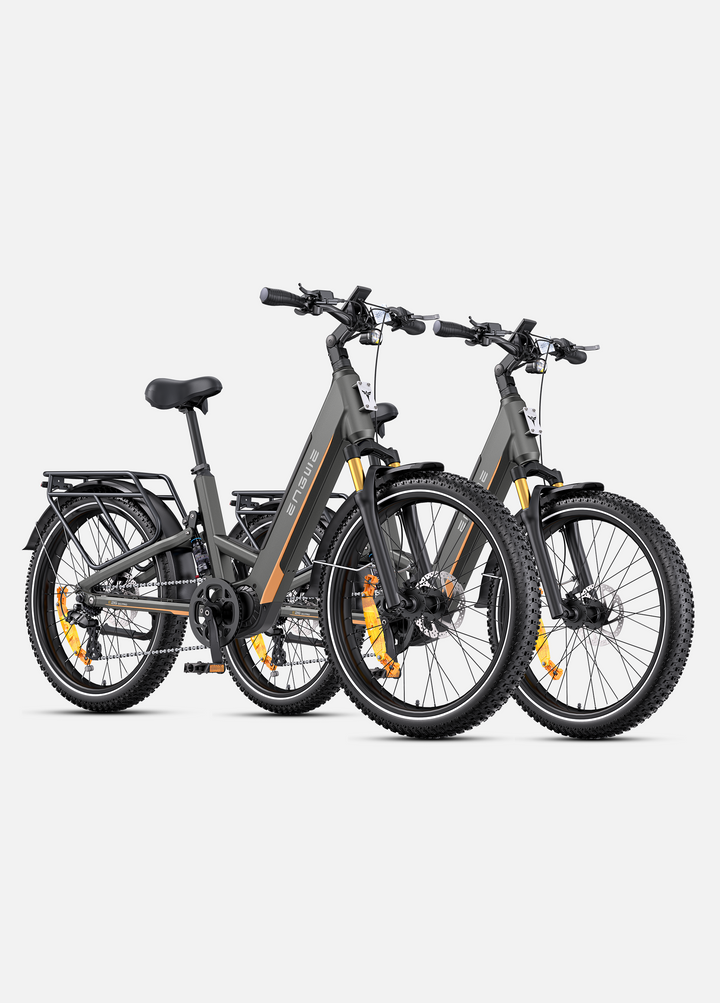
The ENGWE E26 fat tire ebike comes with a 250W brushless engine that can produce a torque of 70Nm. The fat tire e-bike comes with a dual suspension system that uses 26 × 4.0-inch fat tires to absorb shock and offer cushioning on rough terrain.
The fat tire e-bike uses a removable 48V 16Ah battery that claims to give a maximum distance of 140km when using pedal assist mode. Hydraulic disc brakes and Shimano seven-speed gearing are some other important components of this fat tire mountain ebike.


Liv Embolden E+ 2
The Liv Embolden E+ 2 is a full-suspension mountain bike, which has been built with 140 mm rear suspension and 150 mm front suspension.
The SyncDrive Sport 3 motor in this bike provides 85 Nm of torque, while the battery capacity stands at 625 Wh. Maxxis tires, a 10-speed Shimano CUES, and 4-piston hydraulic brakes are other important features of this bike.

Rockrider E-EXPL 500 S
The Rockrider E-EXPL 500 S is powered by a mid-drive Brose motor with a torque rating of 50Nm and a battery capacity of 500Wh.
The front suspension fork and the rear suspension shocks offer 130 mm of travel each in order to deal with repeated impacts on bumpy trails. The 29-inch tires, hydraulic disc brakes, and eight-speed drivetrain make the Rockrider a sensible choice for an intermediate rider.

How Does Mountain Ebike Suspension Work on Rough Trails?
An MTB suspension with electrical components will have a front fork and also a rear shock, which will be fitted onto the bike frame for a full-suspension bicycle. This will make it easier to compress over obstacles that you will come across; this will reduce shock to the rider.
First, there will be more contact between the wheels and the ground. More contact means more traction on the wheels when braking, turning, or pedaling. This becomes very handy in case you want to cycle rough climbs, sandy turns, and steep descents.
A hardtail is one that has a front suspension but lacks a rear shock; it is less complex. On the other hand, a full-suspension mountain e bike has rear suspension.

Why Full Suspension Makes a Difference on Rough Trails
The use of full suspension enhances the traction of the tires because all the wheels are able to react to bumps, rocks, and other irregularities of the terrain. This will ensure traction when climbing, cornering, and moving across loose terrain.
In a mountain e bike, the combination of the front and rear suspensions also ensures that the impact of such irregularities is cushioned for better handling and stability during a descent.
Rider fatigue is another problem solved by using full suspension because it minimizes fatigue in addition to ensuring that the rider feels more confident riding on difficult trails. Impact is absorbed by the front fork of the full suspension mountain ebike at the handlebars, while the rear suspension minimizes the vibrations from the frame and saddle.

What to Consider When Choosing a Mountain Ebike Suspension System
Selecting the proper suspension system is not just about comparing travel figures. Think about your favorite trails, preferred riding style, bike parts, and comfort needs when you choose.
- Suspension Front and Rear Travel: Determine whether you need more travel for a fork and rear shock depending on the condition of your usual trails and your preferred style of riding. Greater travel will give you more comfort when absorbing greater impact; however, it does not necessarily mean that more travel will work best for all types of riders or trails.
- Suspension Features and Adjustment Options: Consider the possibility of adjustability in terms of compression, lockout, or rebound options. The linkages of the rear shock play an important role in determining how the rear suspension reacts to different impacts, pedaling, and braking.
- Motor Torque and Battery: Greater motor torque will be helpful when climbing steep hills, and the proper battery capacity will ensure a long ride. Pay attention to the terrain, rider weight, assistance settings, and elevation gain instead of the manufacturer's claimed range.
- Tire, Brake and Wheel Sizes: Select tires in accordance with the terrain, as grip and puncture resistance play their part in the trail riding performance of your mountain bike. Hydraulic disc brakes and appropriate wheel sizes might make handling the trails easier for you.
- Frame Fit and Bike Weight: Look at the frame dimensions, the ideal height of the rider, and the weight of the bike. The correct riding position is very important, especially during descents.

Conclusion
The right mountain e-bike depends on the terrain, riding style, and level of comfort and control you expect. Suspension design, travel, tire choice, braking performance, motor assistance, and battery capacity all contribute to how a best ebike mountain bike handles rough trails.
Compare these features carefully before making a decision. A well-matched suspension system can improve traction, reduce repeated impacts, and help you ride with greater confidence across changing terrain.
Frequently Asked Questions
Is full suspension better for mountain biking?
Is full suspension better for mountain biking?
Full suspension ebikes could be more advantageous on a rough track due to absorption of the shock on both sides, while a hardtail is also good for smooth tracks.
How much suspension travel do I need for trail riding?
How much suspension travel do I need for trail riding?
Travel required would be determined by the type of terrain you plan to travel through. Moderate travel may be required for some trails, but higher travel may be needed for other trails because of the downhills.
Does suspension improve climbing performance?
Does suspension improve climbing performance?
Suspension can assist in keeping tire-to-ground contact while climbing on uneven terrain, increasing traction. However, the right kind of suspension system is important because excessive movement or an improper setting may decrease pedal efficiency.
Are electric mountain bikes suitable for beginners?
Are electric mountain bikes suitable for beginners?
Yes. It is always beneficial to have motor assistance in case climbing or long-distance trips prove too difficult. However, a beginner cyclist must select an appropriate frame size and master trail riding techniques.
What is the difference between an e-MTB and a regular electric bike?
What is the difference between an e-MTB and a regular electric bike?
The main difference between an e-MTB and an ordinary electric bicycle is that the first one is built especially for off-road riding, with its geometries, tires, and other features that help handle rough surfaces.