In terms of picking an electric mountain bike, lightness may seem like a good option. Light bikes are easier to handle, faster around sharp bends, and even easier to lift or carry around. But does being lighter automatically make for a better ride?
Not necessarily. Weight reduction could mean using a smaller battery, a weaker motor, lightweight components, and even reduced stability and durability.
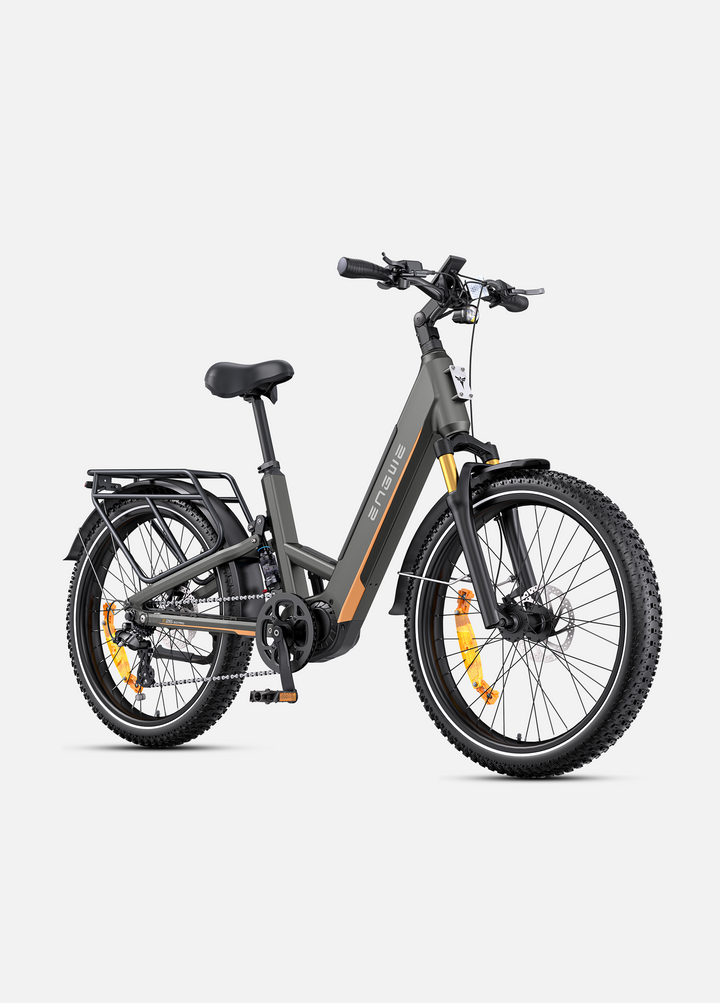
One of the best examples of why capability should be considered alongside weight is the ENGWE E26. To have a functional electric mountain bike, all of its attributes should be considered, such as its capability, rather than striving just for low weight.


However, this guide will help you understand why the lightest choice may not be the best one and some things you need to look out for while searching for your ideal electric mountain bike.
What Makes an Electric Mountain Bike Lightweight? Key Factors Explained
A light electric mountain bike does not contain just one element that makes it lightweight; rather, it is the combination of several elements that makes it lightweight.
- Frame Construction and Tube Design: Typical lightweight e-bikes use aluminum alloy tubing or carbon fiber structures with tube profiles that are engineered to have optimized design features. The use of thinner walls, hydroformed tubes, and better geometry reduces weight but leaves less tolerance for mistakes in production.
- Battery Capacity Trade-Offs: Weight is among the largest determinants of total weight, whereby lightweight electric bicycles tend to have smaller battery sizes and favor efficiency over capacity. While this is ideal for urban and short-distance riding, it does not allow for extended ranges.
- Motor Selection: The use of a lighter motor can ensure that it operates efficiently, but mid-drive motors can also be ideal as they offer power while maintaining a reasonable weight. For instance, the ENGWE E26 3.0 Pro offers excellent performance on various surfaces.
- Component Selection: Wheelset, fork, handlebars, seatpost, and drivetrain all come into consideration from a weight-saving perspective. On their own, each saving does not amount to much, but taken together, they certainly do.


The Downsides of Choosing the Lightest e-MTB
Consider the disadvantages mentioned below associated with selecting the lightest electric mountain bike:
1. Smaller Battery Can Mean Less Range
One of the simplest ways of reducing the weight of your e-bike would be having a small battery size. Although this may make it easier for you to have a lightweight electric mountain bike, it limits the range of travel.
A small battery can be more than sufficient for riders who travel short distances, but when riding long distances on trails, a larger battery capacity might be needed to prevent running out of power during the trip.
Range may actually differ based on the rider’s weight, surface type, speed, weather conditions, tire pressure, presence of wind, and the amount of motor support utilized. Consequently, the capacity of the battery must also be taken into account when selecting an e-mtb.

2. Less Motor Power
The dimensions of the motor used on e-bikes will also determine the weight of the bike. Small motors can contribute to reduced weight of the bike, but their assistance might not be as much as big motors.
This becomes very noticeable when cycling up steep inclines, while carrying extra load, and when navigating difficult terrain. Cyclists who constantly face such conditions would be well-advised to pay more attention to torque and hill-climbing ability than lightness.
In picking out your electric bike mountain bike, you should ensure that the motor gives you enough power for what you will be dealing with.

3. Suspension and Components May Be Compromised
Mountain biking puts pressure on the e-bike and all its components. The suspension system cushions shocks, brakes ensure control while descending, tires maintain traction, and the wheels must be able to bear many bumps and obstacles.
It should be noted that losing weight doesn’t necessarily mean compromising on quality. But selecting very light materials regardless of their application can impact durability.
For difficult terrains, what needs to be done by the cyclist is to strike a balance between all four elements, rather than merely choosing the lightest parts possible. This is especially true in the case of comparing various eMTB bikes.

4. Stability Can Matter More Than Weight
Extra weight does not automatically mean a disadvantage. A good design with appropriate tires and suspension that is steady in geometry may feel planted and steady, particularly at high speeds.
The extra stability offered by this will come in handy during descents on rugged trails and rides on unstable ground. Even though a light bike will seem more nimble, the extra weight might make you feel more secure.
Due to the above, riders need to evaluate how a mountain bike electric bike performs on the trails rather than basing their evaluation on the bike's weight.
5. Payload and Rider Weight Considerations
The weight of the bicycle alone does not comprise the entire load; rather, it consists of a collective weight of the rider, clothes, water, equipment, and other accessories.
As such, maximum carrying capacity becomes a crucial factor to consider when purchasing an e-bike. Having an extremely light bike may not be the best choice, especially if one needs to carry lots of weight around.
For those seeking an electric bike for adults, taking into account the manufacturer’s recommended maximum capacity as well as the total weight of the rider is crucial for ensuring good performance and stability.

Are Lightweight E-Bikes Really Less Durable?
This is certainly among the most prevalent myths.
It should be noted that light weight by no means implies fragility. If properly designed and utilized, lightweight electric mountain bike bikes will comply with safety and durability requirements. Nevertheless, they are less tolerant of abuse.
In other words, they will be durable for regular riding, but they are not intended to withstand harsh conditions.

Who Should Consider a Lightweight E-Bike?
In terms of design, lightweight electric mountain bikes would work best for those who favor performance and functionality over maximum capacity.
Targeted users should be:
- City commuters
- Senior citizens and former riders
- Indoor or apartment storage customers
- Rider preferences in terms of maneuverability and usability
These bikes are designed for integration into daily activities, rather than for pushing physical limits.

When Should You Avoid a Lightweight E-Bike?
An electric bike mountain is not a universal bike; they have limited applications in that they are not ideal for:
- Weighty freight transportation
- Two-up riding
- Off-road or rough terrain
- Touring long distances with few opportunities to charge
In these cases, a sturdier design is always more reliable.

Ongoing Maintenance and Ownership
As far as manufacturers are concerned, light e-bikes deserve good maintenance.
Pros:
- Decreased total wear because of lower mass
- Components are easier to service
Cons:
- Increased awareness of overlooked maintenance
- Increased use of accurate replacement components
Owners who follow maintenance instructions usually have a long service life, whereas negligence becomes evident faster than in heavier designs.

Finding the Right Balance: Weight vs. Performance
In the race between the lightweight e-mountain bike and the heavy e-mountain bike, there is no one-size-fits-all.
|
Priority |
Lightweight e-MTB |
Heavier e-MTB |
|
Agility |
Excellent |
Good |
|
Carrying the bike |
Easier |
More difficult |
|
Long-range riding |
May be limited |
Often better suited |
|
High-speed stability |
Good |
Often excellent |
|
Battery capacity |
Often smaller |
Can be larger |
|
Component durability |
Depends on components |
Can be higher |
|
Technical climbing |
Good |
Often stronger |
|
Traditional MTB feel |
More natural |
More powerful |
|
Transport |
Easier |
More demanding |
The Importance of Looking Beyond the “Lightest” Label
Searching for lightweight e-bikes can soon become a quest for the lightest one. However, this strategy is often not helpful, because it may ignore some other aspects that contribute to a useful e-bike.
It is possible that the lightest electric mountain bike available will be ideal for some riders but utterly unsuitable for others.
One who commutes on shorter, technical trails and is always carrying the bike will certainly enjoy riding an ultra-lightweight one. On the other hand, one who commutes for many hours on hilly tracks will enjoy riding a relatively heavy electric bike that has a bigger battery. Neither option is inherently superior. The choice should be based on your requirements for the bike.

In a Nutshell
The lightest electric mountain bike is not necessarily the best option. Although lightweight has advantages such as better maneuverability and easier transportation, other considerations include battery life, motor power, suspension, reliability, and stability.
The decision ultimately comes down to the way that you ride, the type of terrain you ride on, and how far you will be riding. If you are looking at an ENGWE ebike or another make altogether, consider all aspects of the equation and not just the weight factor.
Frequently Asked Questions
Is the lightest electric mountain bike always the best?
Is the lightest electric mountain bike always the best?
No. Weight should not be the only consideration. The capacity of the battery, motor characteristics, suspension, braking power, strength, stability, and riding style could be as important.
Are heavier electric mountain bikes better for long rides?
Are heavier electric mountain bikes better for long rides?
They might. Larger and heavier bikes from the ENGWE electric bikes series will usually come with bigger batteries and heavier-duty construction, which makes them ideal for long distances, steep climbs, and rough conditions.
Does e-bike weight affect battery range?
Does e-bike weight affect battery range?
Yes, it can. It will need greater power to accelerate and to ascend because of the additional weight of the bike, but the range is also dependent on several other factors.
Are lightweight e-bikes less durable?
Are lightweight e-bikes less durable?
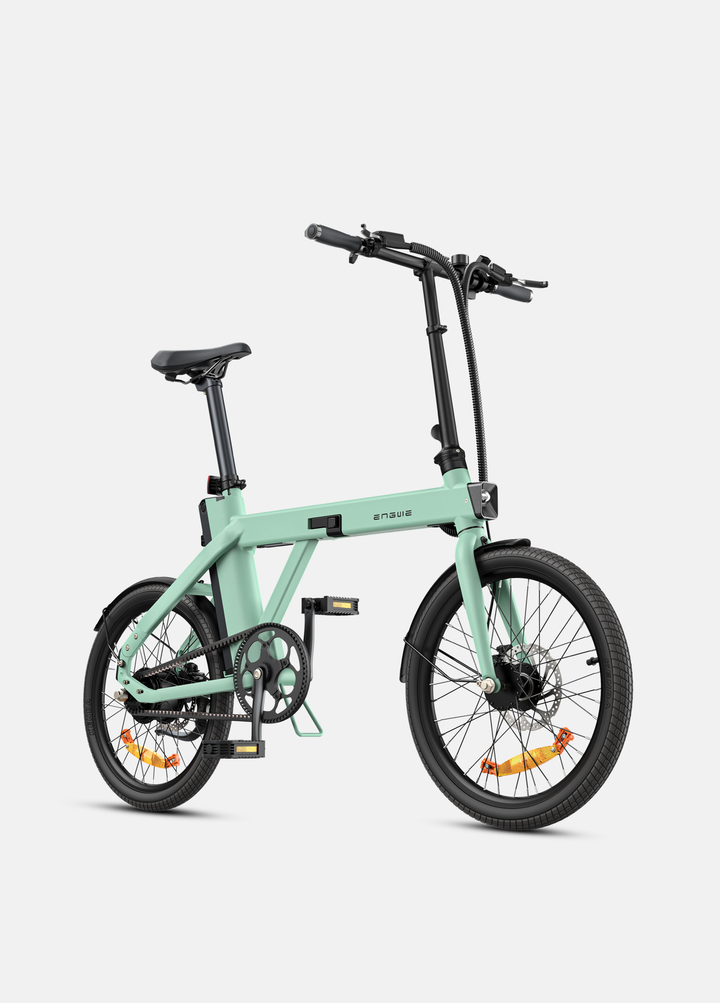
Absolutely not. This will depend on the bike’s frame, wheels, suspension, braking system, tires, among other parts. A well-engineered lightweight e-bike such as the ENGWE N1 Air can be very durable when the parts are suitable for its application.
Does a lighter e-bike have less power?
Does a lighter e-bike have less power?
No, but less weight may require smaller batteries, motors, or other parts. Never just look at the weight of a product and decide on its performance; always consider the motor torque, battery size, and all specifications.
Who should choose a lightweight e-bike?
Who should choose a lightweight e-bike?
E-bikes that are lightweight in nature are ideal for people who value speed, portability, mobility, and an authentic riding experience, especially when embarking on short and moderately challenging trips.
When is a heavier e-bike a better choice?
When is a heavier e-bike a better choice?
A heavy bike such as the ENGWE E26 would be better suited for people who find themselves constantly riding uphill, on difficult terrain, long distances, and carrying more load, since the additional weight offers more battery power and sturdiness.