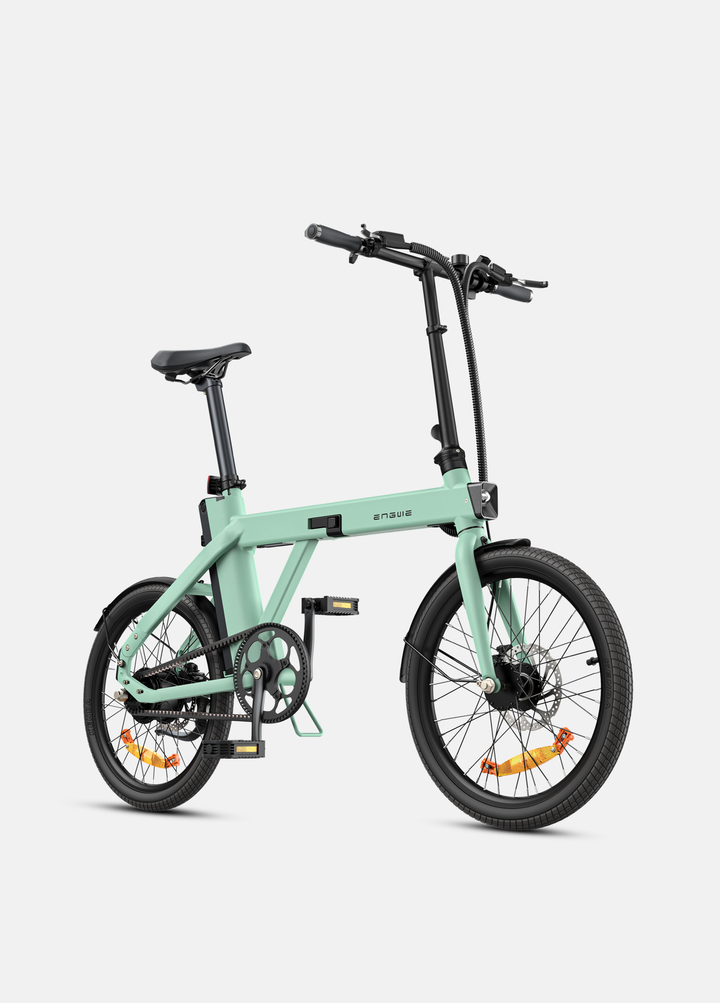
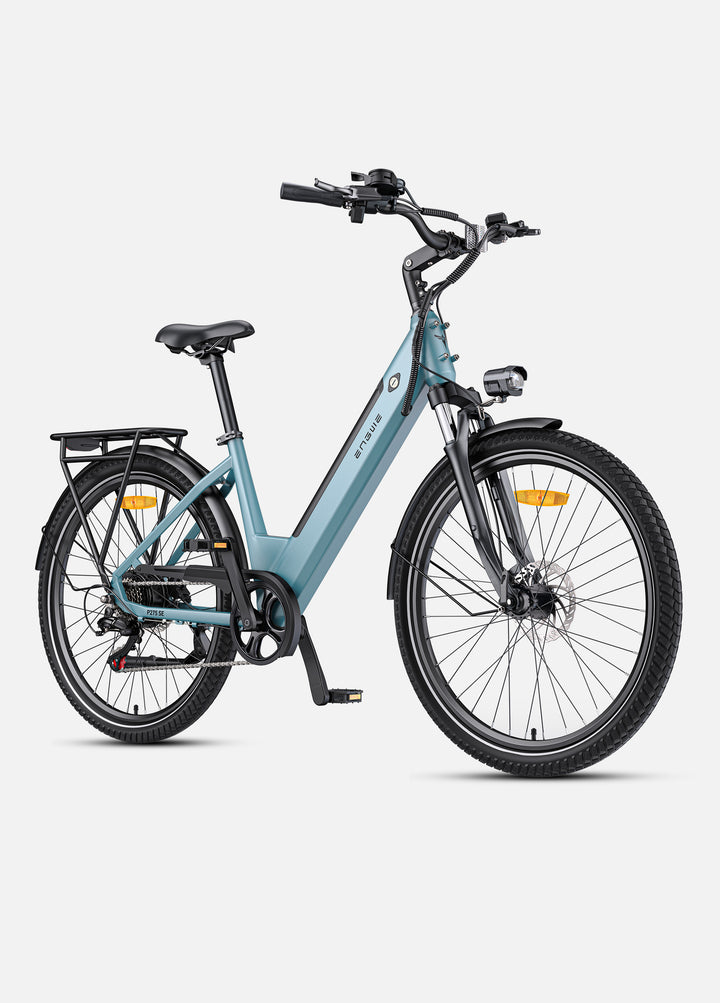
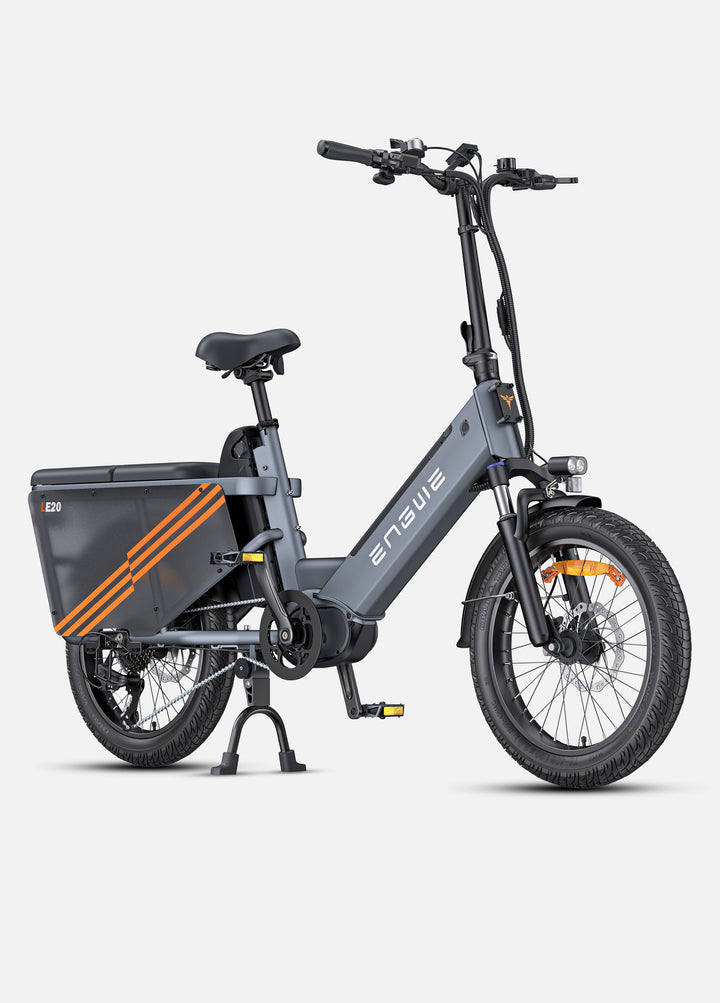
The selection of a visually appealing e-bike is not simply a matter of style; the e-bike should be safe, comfortable, and of good performance. As e-bikes become increasingly popular, many parents and young riders are wondering whether teen e-bikes are balanced enough in terms of power and handling to rival full-size adult e-bikes.
The two choices may be very similar in appearance, but the latter are made for completely different users.
This guide will compare the main differences between youth electric bikes and adult e-bikes. We will help you figure out which type will be the best for the riding experience of your growing kids!
What Defines a True Youth Electric Bike?
If you really want to calm your nervousness, be aware that a youth's electric bike is quite different from a grown-up's. The differences aren't only in the ways the devices are. For instance, the ENGWE T14 e-bike comes with parts that are made just for youth, thus allowing them to have a safe and confident ride.


The changes are that the components of the bikes can give the youth a safe ride that helps them gain confidence. These differences ensure that an electric bike for teenager is the right decision rather than just a smaller, overpowered machine.
What Are Adult Electric Bikes?
Electric bikes for adults basically keep the traditional cycling going but add electric motor assistance, thus making commuting, fitness, and adventure easier and more fun. The ENGWE Engine Pro 2.0 is a perfect example of this invention, providing impressive power, ease, and velocity. The best electric bike for youth is full of these great benefits: speed, comfort, and eco-friendliness, for any rider regardless of age or ability.


Key Differences Between Youth Electric Bikes and Adult E-Bikes
Check the table below to understand the difference between ebike for teens and adult e-bikes:
|
Feature |
Typical Youth E-Bike |
Typical Adult E-Bike |
|
Top Assisted Speed |
12-15 mph (20-25 km/h) |
20-28 mph (32-45 km/h) |
|
Motor Power |
100W - 250W |
250W - 750W+ |
|
Frame Design |
Diminished, low standover |
Full-size, numerous geometries |
|
Weight |
Lighter (30-45 lbs) |
Heavier (50-70+ lbs) |
|
Controls |
Easy-to-use interface |
Often, more intricate displays |
Different Types of Electric Bikes for Adults
Let’s break down the most common types:
1. Fat Tire Electric Bikes
The wide tires are great for grip on sand, snow, and gravel. A fat-tire e-bike would be most suitable for you if you are a rider on mixed surfaces or you want a comfortable and stable ride.
2. Folding Electric Bikes
If you have limited space for storing or if you are using public transport, then a folding electric bike is a great help. You can put it away from your desk or in the trunk of your car.
3. Step-Through Electric Bikes
They feature a lower frame bar, which is very good for senior citizens or people with limited mobility. A step-through electric bike keeps all the performance, without just giving the extra ride comfort and ease of use.
4. High-Range Electric Bikes
Long-distance electric bikes focus on bigger batteries and more efficient motors. Most of them have some pedal-assist modes that help you cover more distance without severely depleting the battery.

Real-World Benefits of Riding a Youth E-Bike
Riding a youth e-bike can bring you a lot of good. Here are some of them:
Improving Physical Well-Being
One of the great reasons why an electric dirt bike for youth can sustain or prolong physical activity is the pedal-help function. It basically removes the "burn" from going up steep hills and the "drag" from long rides, which are usually the things that discourage teens from biking kids ebike.
Enhancing Confidence
The developmental power of a youth electric dirt bike is really profound. Overcoming a steep hill that they had to walk up or completing a 10-mile loop that they thought was beyond their capacity, in both cases, gives them an amazing feeling of accomplishment.
The knowledge of the bike and its workings gives them a great sense of ability and dominance, which significantly enhances their self-confidence.
Building Independence
The best youth electric dirt bike may just be their initial experience of freedom in a responsible way. We have observed the transformative effect of a youth electric bicycle on weekends. A teenager, instead of requesting a ride, can figure out their own way to the library, a friend's house, or sports practice.

Youth E-Bike Purchase Checklist
It might be a bit too much to find the best electric bike youth on the market. Hence, we have invented a parent's checklist to ease the process.
1. Frame Size and Rider Fit
What To Search For: The bike that fits your child is the single most essential factor, not the one that they will "grow into." When seated, the child should be able to reach the handlebars with a slight bend of the elbow and touch the ground with their tiptoes.
Why It's Important: Proper fit is what allows a rider to have control and confidence. Oversized bikes are hard to manage, are difficult to brake, and are quite intimidating for a kid, and thus unsafe.
2. Motor Speed and Power Limitations
What To Search For: An electric bike for teens must not have a motor with a power rating of more than 250W. The maximum speed with motor assistance should be limited to a practical level, around 12–15 mph (20–25 km/h).
Why It's Important: These restrictions basically function as safety features; they make sure that the power assist is still under control and hinder children from getting to a point where the speed is higher than what they can handle.
3. Brake Type and Performance
What To Search For: Just for the extra weight and speed of an e-bike, disc brakes are necessary. By comparison, mechanical disc brakes work well and are simple to maintain, whereas hydraulic disc brakes give better brake power.
Why It's Important: Reliable brakes are very important. Brakes that an offspring can easily operate will definitely avert mishaps and elevate self-assurance. The ENGWE P20 e-bike features user-friendly braking systems that provide both confidence and control.


4. Battery Quality and Range
What To Search For: Select battery and charging setups that carry either a UL or CE certification. As for distance, 15–25 miles is usually more than sufficient for kids, allowing the battery to be kept smaller and lighter.
Why It's Important: Certified batteries are reassuring. A real range stops the user from spending too much on a big, heavy battery that their kid doesn't need.
Key Features to Consider Before Buying an Adult E-Bike
Consider the following factors before buying an adult e-bike:
Battery Range
This is the distance that you can cover with one battery charge. The majority of electric bikes for adults are capable of providing a range of 25-60 miles. If you are into going on long rides, then you should consider purchasing an e-bike that has a battery with a long-lasting charge.
Motor Power
For level roads, a 250W motor will do, but a 500W or a 750W motor will be more helpful if you have hilly areas or if you carry extra weight. This is mainly the difference when jumping from one commuter bike to another or choosing an electric bike for a heavy adult with a long range.
Comfort and Design
Check out the seat, handlebar height, and frame style. Step-through frames, like those on the ENGWE L20 Boost e-bike, are more convenient for getting on and off, and suspension can help lessen the impact of a bumpy road. Make sure to focus on ride comfort, especially if it is going to be your daily commute.


Essential Checklist: What to Look For
-
Motor power (at least 500W in hilly areas)
-
Battery capacity (for city riders, at least 400 Wh)
-
Seat comfort and frame type
-
Long-lasting lithium-ion battery
-
Rating for waterproofing (assuming you ride all year round)
Summary
In short, the major differences between a youth e-bike and an adult one are weight, output, and safety characteristics. A youth electric bike, such as the youth electric mountain bike, is meant to provide a safer and less powerful riding experience. So if you are after a moped for commutes that you can do during the week or for fun on the weekends, then the electric dirt bike youth is a good choice.
If you want e-bikes of great quality and reliability for the youth, ENGWE has a fantastic selection of powerful, comfortable, and safe e-bikes for both adults and youth. In fact, any of the models of ENGWE e-bikes can be a perfect tool to encourage the youth to become active riders.
Frequently Asked Questions
How long does the battery last on a youth e-bike?
The duration of the battery is largely dependent on such factors as the nature of the ground, the rider’s weight, and the level of assist used. Normally, the range of a youth e-bike is between 15 and 25 miles, which is more than enough for a few hours of riding or several shorter trips.
Can a teen use an electric bike for commuting?
A teenager is allowed to use an electric bicycle for commuting, but only if they are at least 16 years old and demonstrate the required maturity and physical coordination.
Are electric bikes for youth safe in wet weather?
Almost all electric bikes for youth are water-resistant; however, it is still advisable not to ride in heavy rain or through deep puddles. When wet, tires have less grip and brakes less power, thus the risk of accidents increases for young riders.
Do teens need a license to ride an electric bike?
In general, a teen is not required to have a special license if they operate an electric bike that is in accordance with local regulations for e-bikes. Nevertheless, the area might impose age limits or protective gear conditions; therefore, it is always safer to find out the local rules beforehand.