The selection of a child’s bike is not only based on age or looks, it is rather a matter of fitting, comfort, and protection. By learning about bike sizes for kids, the parents know for sure that their child will not only have fun riding but also be able to develop skills such as balance, confidence, and control. A bike of the wrong size can produce a lot of frustration, bad posture or even injuries. On the other hand, the correct fit offers a smooth and fun learning experience.
This guide details kids bike sizes according to height, explains the working of wheel sizes, and gives guidance on measuring so that you are able to safely and soundly resolve the dilemma: what size bike does my child need?
The Importance of Kids Bike Sizes Beyond Age
Kids don’t grow alike, so kids’ bikes should not be sized solely according to their ages. Height as well as inseam length are going to be the measures determining the correctness of the fit.
A bike that is too big might scare the kid and at the same time, on the other hand, a bike that is too small would not let the child practice the correct balance and pedaling.
Following a well-organized kids bike size guide will mean:
- Posture while riding will be better
- Easier to control and brake
- Skill development will be faster
- Falling will be less frequent

Kids Bike Sizes by Height: The Fundamental Rule
The most reliable method of determining the appropriate kid's bike size by height is the comparison between the child's height and the wheel diameter. This method has gained recognition across the industry and is commonly adopted by the safety professionals as well.
A kids bike size chart or bike size chart kids typically puts the height in relation to the wheel size rather than the frame size, which is the case with adult bikes.
Kids Bike Size Chart (General Guide)
Below you will find a bike size chart for kids that is based on height and is commonly used for children:
- 85–100 cm (2’9”–3’3”) → 12-inch wheels
- 95–110 cm (3’1”–3’7”) → 14-inch wheels
- 105–120 cm (3’5”–3’11”) → 16-inch wheels
- 115–135 cm (3’9”–4’5”) → 18–20-inch wheels
- 130–150 cm (4’3”–4’11”) → 24-inch wheels
This bike size chart gives an idea of the right size, but the child should always be made comfortable, and the inseam length should be measured.
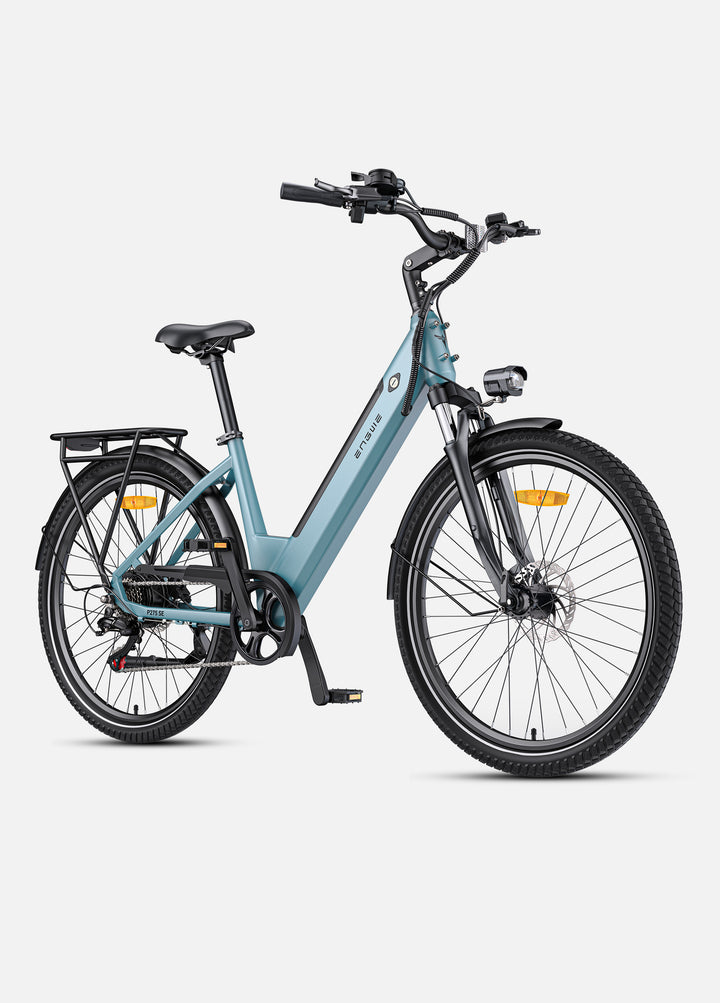
For taller teens riding longer distances or uneven ground, larger wheel options can offer better stability, with models like the ENGWE E26, a trekking-style bike with 26-inch fat tires, serving as a practical reference for improved grip and balance.

Understanding Kids Bike Wheel Size
Kids bike wheel size is defined as the diameter of the wheels of the bike and not the frame. For the kids, the wheel size has a direct effect on balance, reach, and riding confidence.
Smaller wheels:
-
Are closer to the ground
-
Make the ride more stable for beginners
Larger wheels:
-
Accommodate longer legs
-
Enable riding on the distance with less effort
The right kid bike sizes will let the child be able to stop and place their feet flat on the ground.

How to Measure Kids Bike Size Correctly
Parents frequently inquire about how to measure bike size for kid or how to measure kids bike size accurately, to which the reply is very short:
Step 1: Measure Height
Let the child stand barefoot against a wall and measure the distance from the floor to the top of the head.
Step 2: Measure Inseam
Measure the distance from the ground to the inside of the leg (crotch area). This is to confirm standover clearance.
Step 3: Test Standover Height
The kid should have 2–5 cm of clearance when sitting or standing over the bike.
This procedure illustrates how to size a kids bike accurately instead of relying on guessing or age-based assumptions.
What Size Bike for Kids at Different Skill Levels?
Skill level plays almost as much of a role as height in the selection of kids bike sizes.
-
Beginners will find it easier to ride a smaller bike with a lower frame and saddle
-
Experienced riders are able to master just a little bit larger wheel sizes
-
First-time riders should consider bike's balance and reach rather than "growing into" a bike
When parents ask "What size bike does my kid need?" The safest answer is always one that emphasizes control based on current fit and not future growth.
Common Mistakes Parents Make
Parents often make these mistakes when selecting children’s bike sizes:
-
Buying a bike “to grow into”
-
Ignoring inseam measurement
-
Choosing based on age alone
-
Overlooking handlebar reach
Using a reliable kids bike size reference prevents these issues and ensures a smoother riding experience.
Choosing a Quality Kids Bike: What to Look For
A quality children’s bicycle no matter the brand should consist of:
-
Lightweight frame
-
Adjustable seat and handlebars
-
Reliable brakes suited for small hands
-
Ergonomic geometry
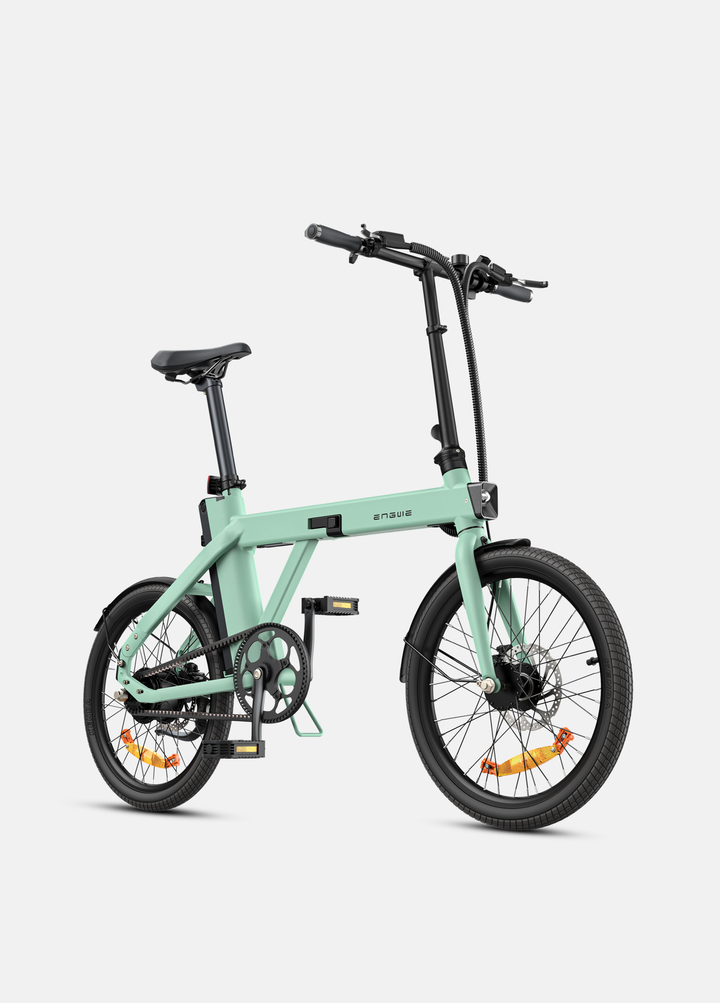
Modern safety and design standards are what many parents are looking for in bikes. Some ENGWE models adopt these fit-first principles, for example, the ENGWE T14, a compact folding option for the 4.5 to 5.5 ft riders, making it easy to handle, store, and also suitable as a first e-bike for younger teens.
These kids’ models are built with these principles and offer kid-friendly geometry and adjustable parts while being compliant with European standards. When looking at brands, always keep fit as the first priority, then features.

Final Thoughts on Kids Bike Sizes
The working knowledge of kids bike sizes is among the most significant steps in the decision-making process of purchasing a child's first bike. Parents can guarantee safety, comfort, and kids' bike use enjoyment in the long run by employing the right kids bike size chart, accurately measuring height and inseam, and adhering to a trusted kids bike size guide.
It is better to take a bike that fits now than to consider specifications or future growth. A correctly fitted bike gives the rider confidence, invites outdoor play, and trains the child in acquiring a life-long skill of cycling.
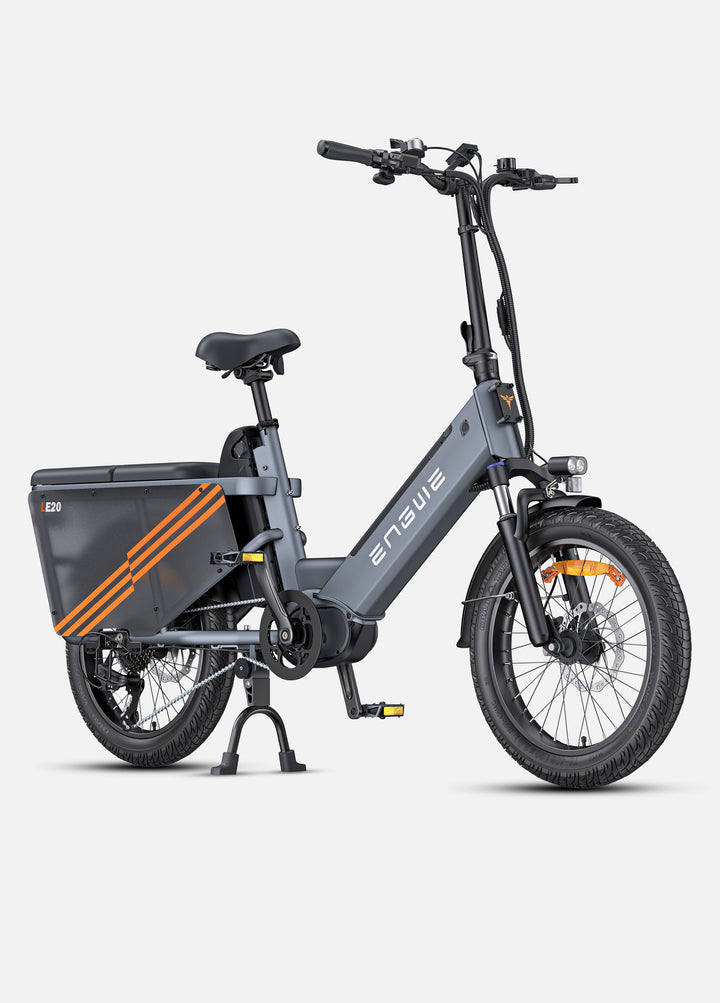
For parents who want to have a look at the compliant, functional bikes, ENGWE has kids’ bikes that conform to the modern sizing standards while still being comfortable and user-friendly.