The most popular and trail-capable model of an electric bicycle is a Class 1 ebike. It provides pedal-assisted up to 20mph without a throttle, so it will be suitable for all riders who would like to experience a normal way of cycling, as well as be in line with the rigorous regulations of the paths and trails.
This is a guide that outlines the definition of the class 1 ebike, outlines the difference between the class 1, 2, and 3 of an ebikes, and helps you choose which one suits your needs to ride.
What Is a Class 1 Ebike?
The Class 1 ebike definition describes that they are electric bikes that only offer motor assistance to the bike when pedaling. As soon as the rider ceases to pedal, the motor is totally turned off. The electric bike has no throttle in class 1.
At 20 mph (32 km/h), motor assistance is disengaged, and the rider must then ride on leg power alone. The majority of class 1 ebikes have motors rated up to 750W, and are efficient and smooth in their power delivery, as opposed to fast.

Class 1 Ebike Speed Explained
Many riders ask, how fast does a class 1 ebike go? The solution is easy: the motor will not help above 20 mph with the pedals. Riders are free to move faster with their own power; however, the motor will not help them above that point.
This is the controlled Class 1 ebike speed, which makes the difference between these bikes and the faster classes of e-bikes as they can access more trails and shared-use paths.

Ebike Class 1 2 3 Comparison
Understanding ebike Class 1 2 3 distinctions helps avoid legal issues and trail restrictions.
|
Class |
Assist Type |
Max Speed |
Throttle |
Trail Access |
|
Class 1 Ebike |
Pedal-assist only |
20 mph |
No |
Highest |
|
Class 2 Ebike |
Throttle + pedal |
20 mph |
Yes |
Moderate |
|
Class 3 Ebike |
Pedal-assist only |
28 mph |
No |
Restricted |
Class 1 vs Class 2 Ebike
The throttle stands out as the difference. A comparison of class 1 ebike vs class 2 involves the pedaling of the bikes at all times in class 1 bikes, whereas in class 2 bikes, the bikes can move using throttles alone. Due to this, class 1 ebikes are most likely to be allowed on more trails.
Class 1 vs Class 3 Ebike
The difference between a Class 1 vs Class 3 ebike is reduced to access and speed. Class 3 ebikes are even faster with more limitations, and in some cases, they may require helmets or speedometers. Class 1 begins with the consideration of access and safety.

Where Class 1 Ebikes Are Allowed
A Class 1 electric bike is authorized on the majority of bike paths, multi-use trails, and mountain bike routes in which e-bikes are legal. In most areas, over 90 percent of the legal trail access is on class 1 ebikes. The type of law also depends on where the driver is located; however, Class 1 is the best option when the driver is worried about their compliance.
Best Class 1 Ebike Recommendations
The most popular ones usually fall under the category of the best class 1 ebike, which comprises commuter, trekking, and trail-oriented bikes, which are more balanced and controlled than fast bikes.
Specialized Turbo Vado SL
Specialized Turbo Vado SL is a class 1 electric bike with a premium position that is characterised by a lightweight frame and tuned pedal-assist. It provides smooth and natural aid to the legal limit without the throttle, and this is quite suitable for bike paths, fitness riding, and the long commute to work.

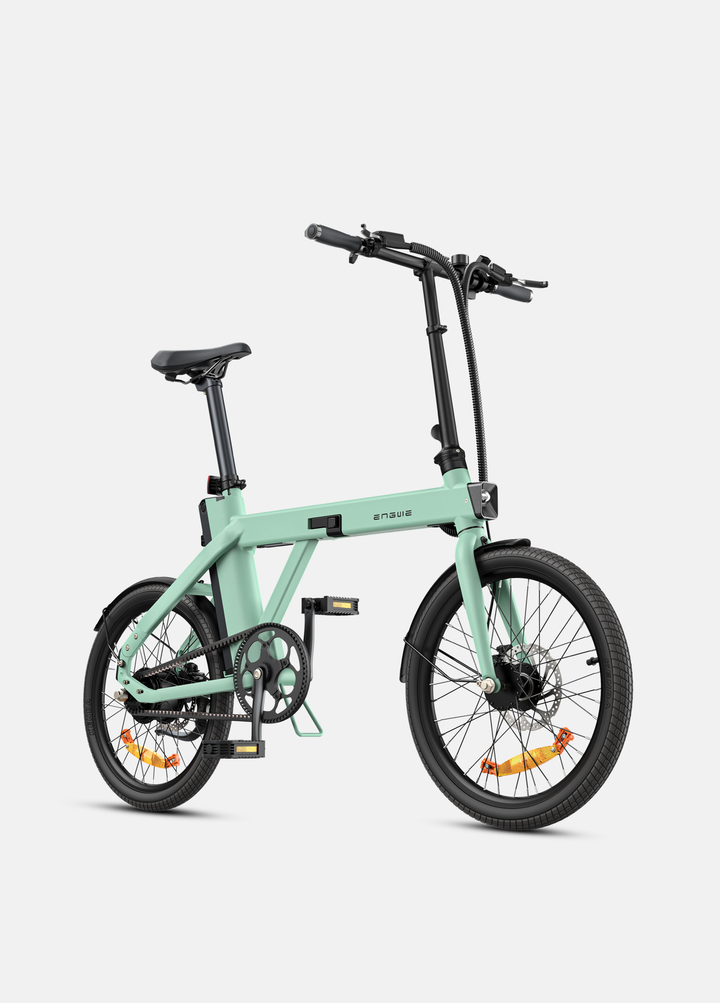
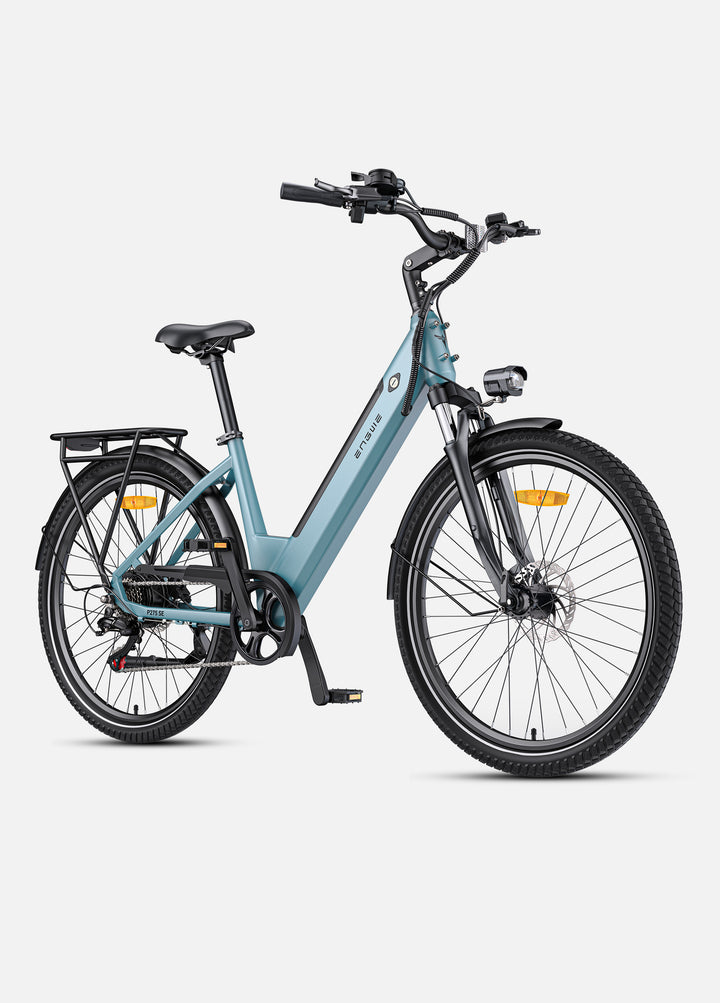
ENGWE X26 / X24 / X20
ENGWE X Series is able to work as a Class 1 ebike in an EU-legal setup with pedal-assist up to 25km/h without a throttle. These models are unique among the riders who desire comfort and stability on mixed surfaces. This renders the X Series the appropriate choice for riders who require trail compliance with greater comfort.
Key characteristics:
-
Only comes into action with Class 1 limits.
-
A triple suspension system to better control on uneven paths.
-
Stability tires on pavings, on gravel, and on light trails.
-
Folding design to make it easy to store and transport.


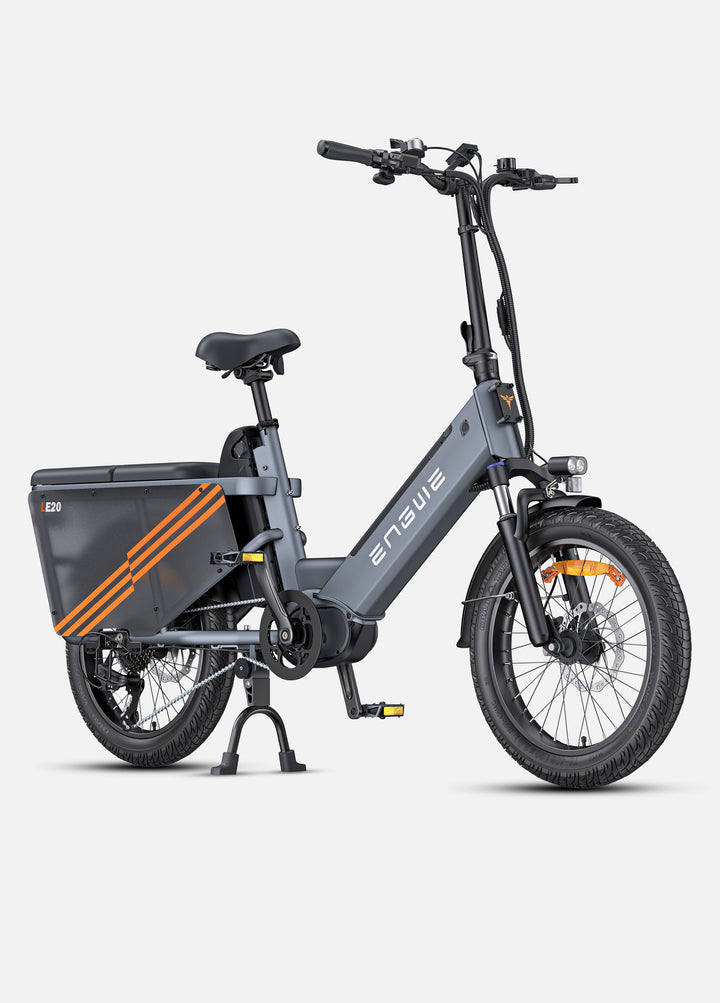
ENGWE L20
ENGWE L20 can be utilized as an electric bike in pedal-assist mode effectively as a class 1 electric bike. The step-through frame and the upright sitting scheme of this bike make it particularly user-friendly for everyday users and commuting.
Why it fits Class 1 riding:
-
Pedal-assist limited to legal levels.
-
Easy geometry in shared ways and urban routes.
-
A long assist range is required on long daily rides.
-
Handling on paved roads and in the light gravel.
When browsing a class 1 ebike for sale, the most important features to prioritize are use with pedal-assistance, the level of responsiveness of the torque sensor, and the ability to comply with legal speed limits.


Is a Class 1 Ebike Right for You?
A class 1 ebike is ideal if you:
-
Or ride on common ways or paths.
-
Desire to have a natural ride.
-
Enhance legal access, not top speed.
-
Favor assisted riding that is fitness-based.
Final Thoughts
Class 1 ebike is the most adaptable and regulation-compliant of all the classes of ebikes. Its operation is based on a pedal-assist-only platform, and the speed limit is 20 mph, providing a smooth performance and still providing access to trails and bike paths, as well as urban infrastructure. It is the most suitable balance of assistance, safety, and freedom to most riders.
Frequently Asked Questions
What is a Class 1 ebike?
The class 1 ebike is an electric bike that offers motorized support during pedaling and ceases to do so at 20 mph. It has no throttle and can be used on bike trails and paths.
How fast does a Class 1 ebike go?
An ebike with class 1 will supply the motor aid up to 20mph only, and the motor will not help the rider beyond that point.
Are Class 1 ebikes allowed on trails?
Yes. The most trail-friendly type of ebike is Class 1, as it has the possibility of being ridden on most bike paths, shared-use trails, and mountain bike routes where electric bikes are allowed.
What is the difference between Class 1 and Class 2 ebikes?
The throttle is the major difference. Class 1 ebike must always be peddled compared to class 2 ebike, which has a throttle that can propel the bike even when not peddled.
Class 1 vs Class 3 ebike: which is better?
A class 1 ebike would be more suitable for trail access and recreational cycling, whereas it is a class 3 ebike is more suitable when commuting fast. Class 3 ebikes have a speed of 28 mph and have stricter access limitations.