The electric bikes motor is a very important part in the selection of your next e-bike. Placement of the motors affects the performance, torque, speed, climbing, handling, and long term maintenance. Hub motors, mid-drive motors and sophisticated dual-motor designs which are present in high-performance and off-road models are now available in the market.
Riding an electric motor bike in a small commuter vehicle, an electric motor bike for adults, a full-fledged off-roader, or even a children's electric motor bike, the kind of motor defines the way your electric bike rides in various situations. This guide describes each system in detail enabling you to make an informed decision.
What Is an Electric Bikes Motor?
The electric bikes motor is the engine that propels the bike, which helps you in peddling or gives a complete throttle. The wattage of the motor and position play a major role in influencing performance.
Smaller, 250-500W motors are best in urban commuting, but the high-power motors such as an electric bike motor 1000w or electric bike motor 5000w provide unprecedented off-road performance. Regardless of type, every e bike electric motor works with sensors, controllers, and batteries to deliver smooth power.
Modern systems include:
-
An electric motor for bike used on commuting models
-
A rugged electric dirt bike motor for trail and motocross-style bikes
-
Compact motors used in folding and mini e-bikes
-
High-torque systems ideal for an electric motor for mountain bike

How Hub Motors Work
A hub motor fits into the wheel hub either in the front or rear, and directly turns the wheel without the assistance of the bike’s drive-train. This is a single-design therefore making it one of the best and most reliable as well as user friendly electric bike motor systems in the market.
Hub motors are relatively low maintenance, have smooth and predictable acceleration, and are relatively cheaper compared to mid-drive options. The electric bike hub motor is also the best when it comes to commuting, flat areas, and riders who require a low-maintenance, easy-to-use solution due to not placing any additional strain on the chain or gears.
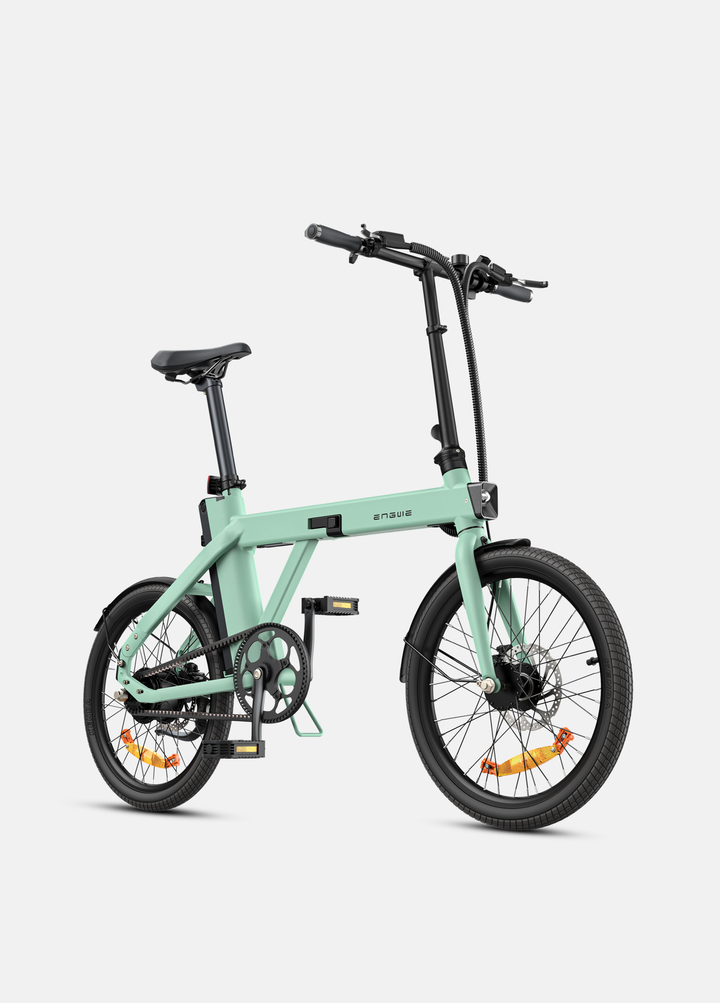
Example: ENGWE T14 – Compact Hub-Motor Folding Mini E-Bike
The ENGWE T14 uses a 250W hub-style bike electric motor, delivering smooth, low-maintenance performance for urban streets. Its foldable design and multiple suspension points make it ideal for short commutes, students, and city riders who want an easy-to-store electric bike with motor.
Key Features:
-
250W rear electric bike hub motor
-
Multiple suspension system
-
Ultra-compact folding frame
-
Lightweight and easy to transport
-
Great for flat terrain and daily commuting


How Mid-Drive Motors Work
A mid drive electric bike motor makes the crank arm in the bike transmit power and then it may utilize the existing gears in the bicycle to increase the torque. The design offers that it provides a better climbing capability, better power economy, and natural weight distribution.
The mid-drive systems are also a great way to control steeps, meaning that they are best suited to mountain riding, technical routes, or riders who desire to have a highly responsive power system when faced with difficult off-road situations.
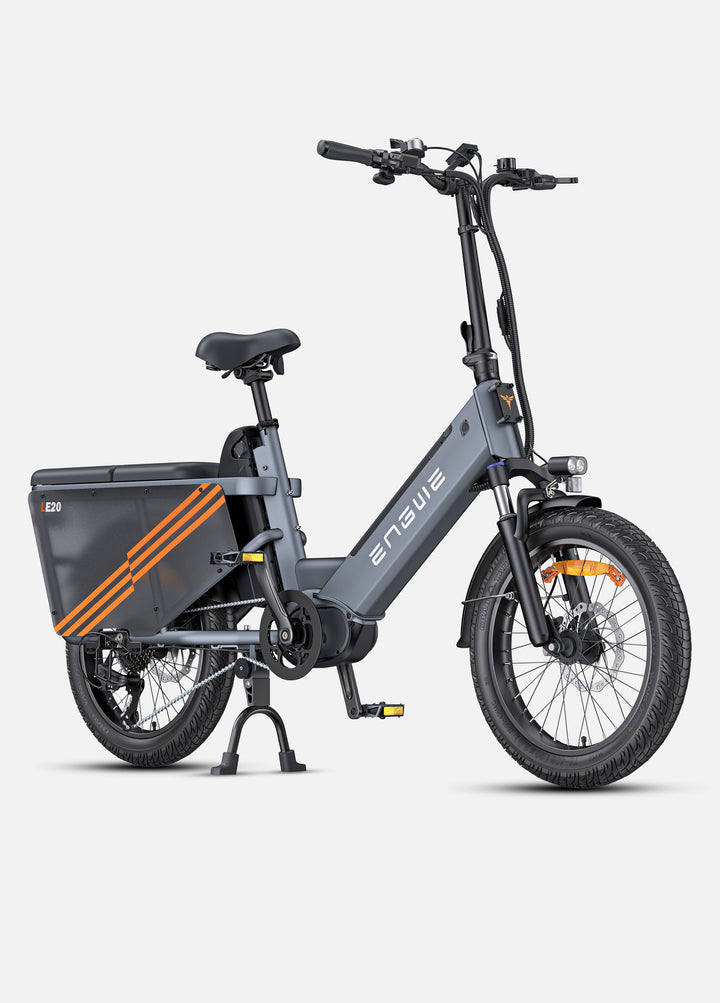
Example: ENGWE L20 3.0 Pro – Mid-Drive Power & Full Suspension
ENGWE L20 3.0 Pro has a 250W mid-drive electric bike engine with high 100Nm torque. It is mixed-terrain, commuting and hill-climbing which gives it great power efficiency and balance. Full suspension provides better control over rough roads and therefore is a good option when a rider wants to have a premium electric motor for mountain bike.
Key Features:
-
250W mid drive electric bike motor
-
100Nm torque for steep climbs
-
Full suspension for comfortable off-road handling
-
Compact and versatile frame
-
Smooth, efficient pedal assistance


Hub Motor vs. Mid-Drive Motor Comparison
This helps clarify which electric bikes motor option suits your riding style.
|
Feature |
Hub Motor |
Mid-Drive Motor |
|
Torque |
Moderate |
Strong, gear-assisted |
|
Terrain |
Best for flat roads |
Best for hills & trails |
|
Maintenance |
Very low |
Higher (chain & drivetrain wear) |
|
Cost |
More affordable |
More expensive |
|
Balance |
Front/rear heavy |
Center-balanced |
Dual Motor Electric Bikes
A dual motor electric bike uses both a front and rear motor to deliver exceptional traction, rapid acceleration, and unmatched stability across challenging terrain. With power driving both wheels, these bikes perform extremely well in snow, sand, steep climbs, and rugged trails—areas where single-motor systems quickly lose momentum.
Dual motors provide outstanding off-road control and are often paired with wide, durable tires, making them a top choice among adventure riders who want the extreme capability found in a dual motor fat tire electric bike. For riders who want maximum power and performance, dual-motor systems represent the upper tier of best dual motor electric bike engineering.
Example: PHILODO Forester 60V Dual Motor Electric Bike (Full Suspension)
The PHILODO Forester is a high-performance dual-motor powerhouse built for serious off-road riders. With 2×2000W motors (5000W peak) and full suspension, it delivers explosive acceleration and the torque needed for steep mountain climbs or loose terrain like sand and snow. Its long-range 60V 25Ah battery, rugged aluminum frame, and fat tires make it a premium choice for extreme riding conditions.
Key Features:
-
Massive 2×10⁵ Nm torque for aggressive hill climbing
-
40–45 mph top speed (varies with load, terrain, battery level)
-
Strong max load capacity: 330 lbs
-
Long-range capability: 50–70 miles per charge
-
Full suspension for superior comfort and stability

Specialty Motors: Dirt, Mountain & High-Performance
Specialty motors are tailored to those riders that require higher than the normal pedal-assist performance. An electric dirt bike motor is designed to encourage high torque, quick response, and roughness to jump, get through loose soil and climb steep ramps. A typical electric motor for dirt bike systems is an adult and teen-off road version which is designed to provide motorcycle type of power delivery.
The larger group of electric motor bikes motor defines high-output systems that are employed in e-moto models, some of the fastest designs of electric motor bikes in existence today. These can be compared to lightweight electric motorcycles and are very powerful motors that may need specific licensing in accordance with the local laws.
Legal Considerations: Are Electric Bikes Motor Vehicles?
Many riders are unsure how the law classifies electric bikes, leading to common questions such as: Is an electric bike a motor vehicle? Is an electric bike considered a motorized vehicle? Are electric bikes motor vehicles? In most regions, standard pedal-assist e-bikes with limited wattage (typically 250–750W) are not treated as motor vehicles, making them legal on bike paths and public roads.
However, high-powered models—especially those resembling an electric motor bike or off-road e-dirt bike—may be considered motorized vehicles and subject to additional regulations, equipment requirements, or licensing. Riders should always check local laws before operating powerful systems.

Conclusion
The correct choice of the electric bikes motor should be based on the type of riding and the terrain. Hub motors are ideal with city riders who need simplicity, whereas mid-drive motors are better with hills and trails. Dual-motors offer maximum off-road power.
Whether it is commuting to work on an e-bike, a mountain bike or a high-performance off-road machine it is always best to know which type of motor you are getting to make sure that you choose the best system.
Frequently Asked Questions
What is a more superior motor: hub or mid-drive?
Mid-drive motors are better on hills and rough technical roads, whereas the hub motors are simpler to service, and better on flat commuting.
How many wattage electric bike motors do I need?
Most commuters prefer 250-750W. At least 1000w electric bike motor can be required for off-road riders.
What is the purpose of a dual motor electric bike?
Dual motors provide an improved traction on sand and snow as well as steep climbs and rough terrain.
Are electric bikes motor vehicles?
The majority of pedal-assist e-bikes are not considered motor-vehicles, however, high-powered e-moto or dirt-style e-bikes might need to be licensed.