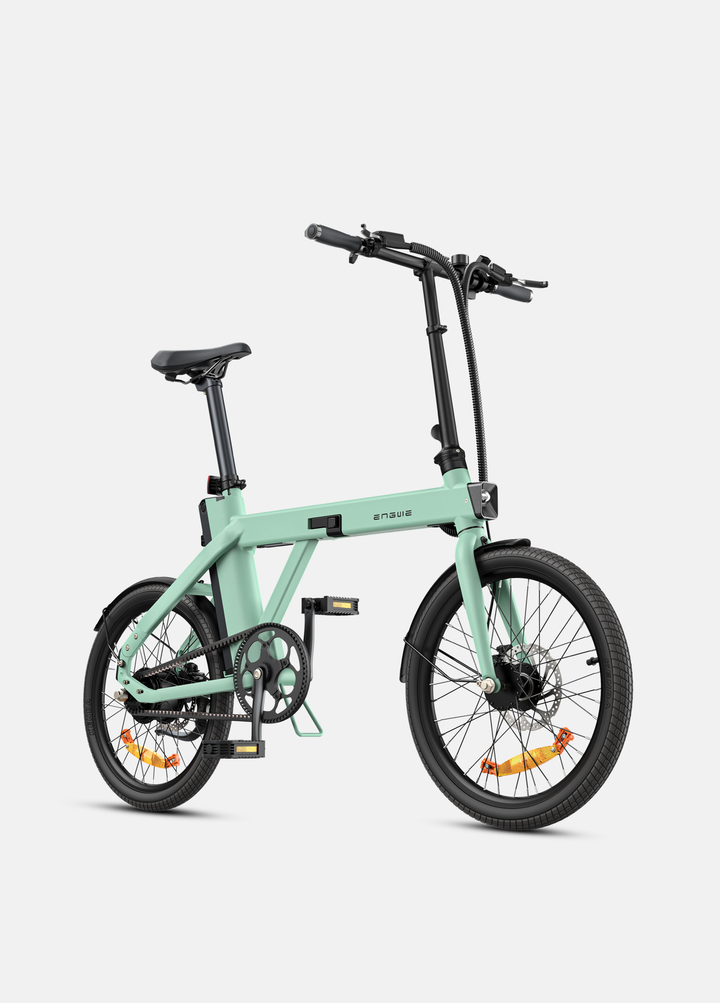
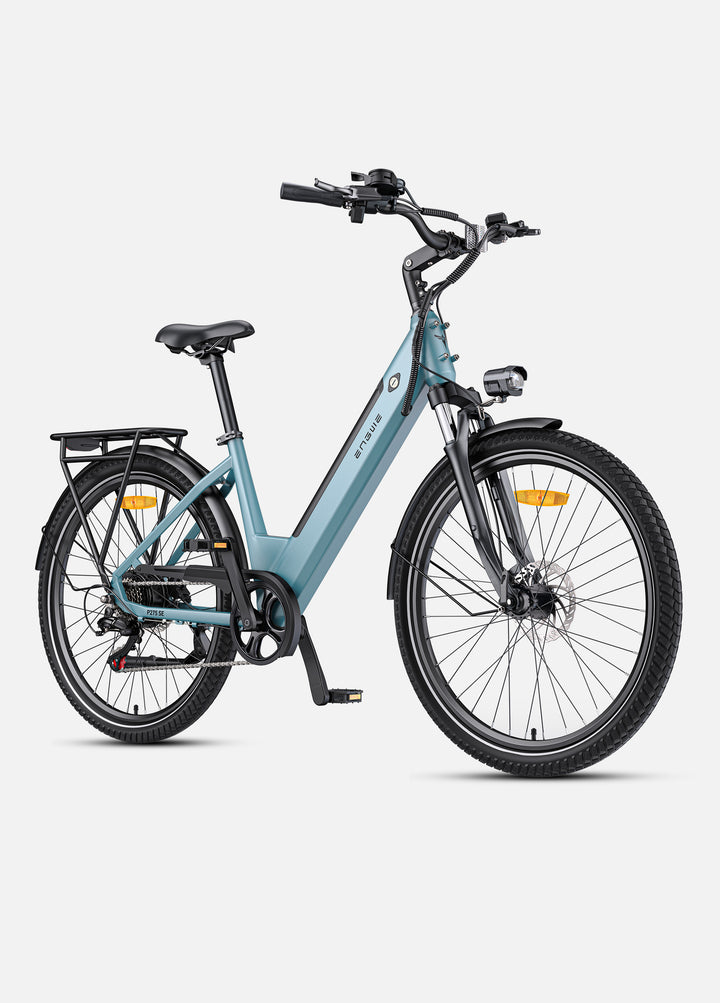
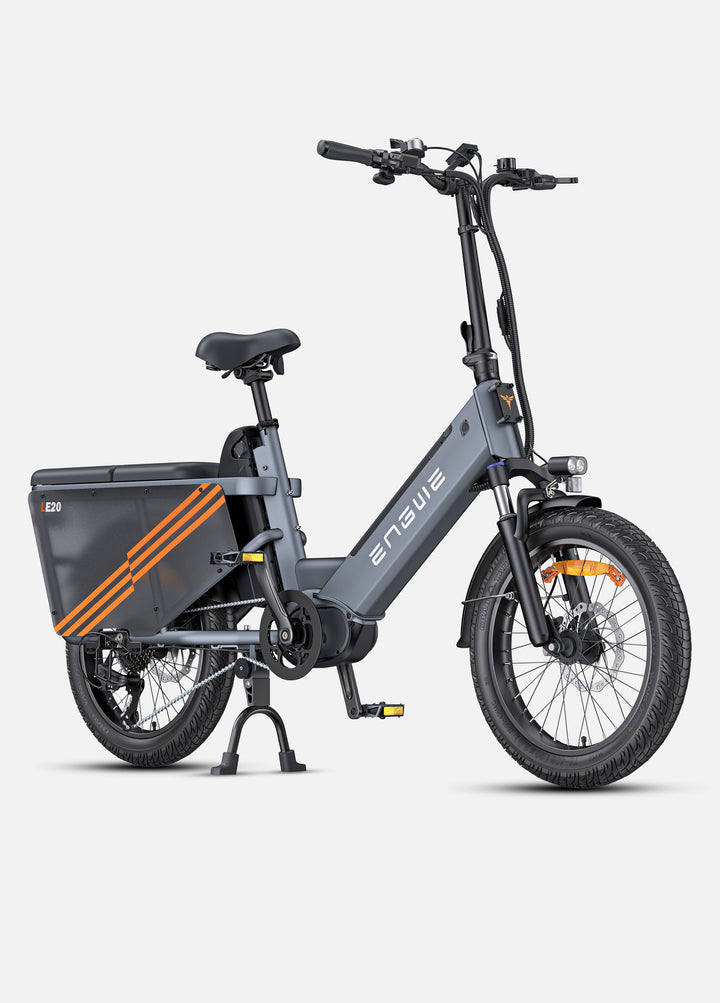
One of the most efficient measures to enhance climbing capability, speed assistance, and the comfort of daily riding is the upgrading of electric motor for bike. The system you choose is determined by the terrain you are going to do, the strength of the rider, and the amount of help you desire. Frame style and positioning of the battery and compatibility of the controller all affect the performance of the upgrade.
Electric bike motors are available in various forms which are intended to be used differently. There are riders who like simple hubs and those who desire stronger performance in the mid-drive that would take them up the hills. The idea is to pick an electric bike motor to improve it that fits your riding style and the locations you cover.

Types of Electric Motors for Bikes
To choose the electric motor to use in upgrades to the bike, it is always good to compare the relative performance of all the types of motors on supplying power and performance on real-life conditions. These types point out the advantages and applications of most popular systems.
1. Hub Motors
A front or rear electric hub motor for bike upgrades offers a straightforward installation process. Rear hubs provide better traction, making them suitable for commuting or relaxed riding. These motors suit riders who want predictable acceleration without modifying the bike’s gear drivetrain.
Hub options also support builds like an electric motor bike for adults or light off-road cycling, as long as the frame is compatible. They remain popular for budget-friendly conversions due to simpler maintenance.
Example (Rear Hub Motor): ENGWE EP-2 3.0 Boost
A 250W rear-hub model that delivers 75Nm torque and smooth acceleration, ideal for mixed-city routes and light trail riding. Its foldable frame and fat tires show how versatile a hub-motor setup can be for daily travel.
Key Specs:
-
250W rear hub motor
-
624Wh removable battery
-
120 km maximum range (PAS mode)
-
20×4.0 all-terrain fat tires
-
Folding aluminum frame


2. Mid-Drive Motors
A bike electric motor in the mid drive transmits the power by use of chainring and enhances the bike's power on hills. This position is advantageous to riders who need to climb steep or rough terrain as the gears on the bike enhance the force multiplication. It is also a design that enhances weight balance when used in the mountain and gravel.
This type is mostly adopted in constructing an electric motor for mountain bike particularly those who require to experience the natural pedaling effect. Mid-drives are also compatible in frame and chain tension, but they offer the best hill performance.
Example (Mid-Drive Motor): ENGWE L20 3.0 Pro
This compact mid-drive e-bike uses a 250W, 100Nm motor designed for steep climbs and controlled handling. Its full suspension system highlights how mid-drive setups create smooth and balanced riding across uneven terrain.
Key Specs:
-
250W mid-drive motor
-
100Nm peak torque
-
720Wh Samsung battery
-
160 km maximum range (PAS mode)
-
Full suspension: hydraulic front + rear shock
-
Foldable frame design


3. High-Power Motors for Off-Road Builds
Some riders consider larger motors designed for dirt and track use. An electric motor for dirt bike conversion frame or similar recreational setup allows stronger torque output, though these systems require reinforced components. They are not suited for standard commuter bikes, but they offer powerful off-road ability for controlled environments.
Smaller recreational builds, such as an electric motor for mini bike or an electric motor bike for kids, rely on lower-power motors for safe speed control. These compact systems offer simple wiring and predictable operation.
Example (High-Power Motor): Biktrix Juggernaut Ultra FS Pro 3
Biktrix Juggernaut Ultra FS Pro 3 – A powerful mid-drive e-mountain bike using a Bafang Ultra motor capable of extreme torque delivery. Its full suspension and large battery options support long-distance off-road riding.
Key Specs:
-
Bafang Ultra mid-drive motor (up to 160Nm torque)
-
52V battery options up to 21Ah
-
Full-suspension frame with adjustable travel
-
26×4.8 fat tires for loose terrain
-
Advanced torque-sensing pedal assist
-
High-capacity controllers for off-road loads

Electric Motor Kits for Bike Upgrades
A complete electric motor kit for bike upgrades may include the motor, controller, wiring, display, sensors, and in some cases a battery. Kits also assist the riders to assemble parts in the right order without having to find parts separately. They are perfect for first-time builders who have a smooth start.
When comparing motors for electric bikes, pay attention to the type of installation, the range of voltage, the life of the controller, and the maintenance of the product in the long term. Kits with higher voltages generate greater acceleration, but require very good brakes and a well-steadfast frame.
Power and Performance Ratings
When choosing an electric motor for bike, power ratings define what the bike can handle. Most city-friendly kits range from 250W–750W, while off-road conversions push into 1500W+ territory.
-
250W–500W: suited for commuting and moderate hills
-
750W–1000W: stronger acceleration for heavier riders or mixed terrain
-
1500W–3000W+: off-road builds such as dirt conversions
Performance systems can be similar to a dual motor electric bike for adults, and involves the use of front and rear motors to enhance traction. These systems require close fitting and powerful batteries in order to prevent overheating.

What Is the Best Motor for an Electric Bike?
The most appropriate would be based on location, weight and terrain. The medium-power hub configurations are advantageous to riders who emphasize on daily travel. Mid-drive systems are found to be popular with those who encounter steep climbs. Off-roaders who repurpose a dirt frame can opt to use high-power motors meant to be used in trails.
Visiting electric bike motors for sale, you should take into consideration such attributes as torque output, noise, thermal performance, and convenience. It is often more important that performance should be balanced rather than peak.
Standard Motor vs. Hub vs. Mid-Drive: Quick Comparison
|
Feature |
Hub Motor |
Mid-Drive Motor |
High-Power Off-Road Motor |
|
Installation |
Simple |
Moderate |
Complex |
|
Torque on Hills |
Moderate |
Strong |
Very Strong |
|
Weight Balance |
Rear/Front Heavy |
Balanced |
Frame-Dependent |
|
Best For |
City, commuting |
Mountain, steep climbs |
Dirt builds & off-road frames |
Choosing the Right Electric Motor Based on Terrain
Terrain plays a major role in how an electric motor behaves, so riders should choose a system that matches their daily routes and riding style.
-
City / Commuting: Hub motors are best in the city and commuting since they provide quiet operation, stable acceleration, low wiring maintenance and easy handling of electric motors in commuter kits of bikes in flat roads and predictable paths.
-
Hill and Mountain Riding: Mid-drive systems are typically the most appropriate to power up to the electric motor for mountain bike because they depend on bike gears and therefore they are more powerful to climb technical climbs and the electric motor that most mountain bikers would wish to have in case of long climbs or rocky mountain climbs.
-
Cargo and Heavy loads: High-torque motors are ideal in cargo and heavy loads due to the fact that they will not slow down under weight, reinforced frame and drives, and pulling reliable power of electric bikes that is used in daily hauling.

Conclusion
Choosing the right electric motor for bike upgrades depends on your terrain, frame structure, and the level of torque you need. Hub motors are best suited to relax city travel, mid-driving motors are best on steep or rough surfaces and high-power systems are best for off road buildings.
It can be converted to a dependable electric-assisted bike using any usual bike with a proper installation and frame combination without interfering with your natural bike riding style and skill level.
Frequently Asked Questions
What is the best motor for an electric bike?
The best motor depends on terrain and riding preferences. Hub motors fit commuting, mid-drives handle steep climbs, and high-power motors suit off-road frames. Balanced torque and reliability matter more than raw wattage.
Can any bike be upgraded with an electric motor?
Most bikes can be upgraded with a compatible kit, but the frame must support the motor’s torque and battery weight. Strong brakes and reliable wheels are essential for higher-power setups.
Is a hub motor or mid-drive better for hills?
A mid-drive performs better on steep climbs because it uses the bike’s gears to increase torque. Hub motors can handle mild inclines but struggle on technical terrain.
How long do electric motors for bikes last?
Quality motors often last 10,000–20,000 km with proper care. Heat management, controller quality, and weather protection affect longevity.
Can I install an electric motor on a mountain bike?
Yes. A motor for electric bike mountain upgrades works well when paired with strong brakes and a stable frame. Mid-drives remain the top choice for technical trails.