The 26 inch mountain bike is a time-tested model that is still popular in the market because of its agility, durability, and performance on the trails. Larger wheel sizes are becoming increasingly popular, but most riders still feel that 26-inch wheels have quicker handling and lower standover height as well, and most parts are available.
Since the first trail bikes were made, starting with entry-level models, all the way to rough-riding versions, the 26-inch format has remained relevant to the many types of riding.
This guide explains why the 26-inch size of the wheels is relevant, the performance differences, and what to consider when purchasing the best 26 inch mountain bike.

Why Choose a 26 Inch Mountain Bike?
A 26-inch mountain bike is a bike type that has 26-inch diameter wheels that were popular in mountain biking over a decades-long period. These are the bikes with very responsive steering and are easier to maneuver on the narrow trails. In shorter riders or more playful riders, the mountain bike 26 inch setup feels more comfortable than the larger wheels.
Accessibility is another advantage. Substitutes like 26 inch mountain bike tires and rims are readily accessible and, in most cases, cheaper, thus making maintenance easier and less expensive.

26 Inch Mountain Bike Wheels: What Makes Them Unique?
The 26 inch mountain bike wheels are lightweight, and they have a higher speed of acceleration than the bigger wheel sizes. This renders them good on technical trails, jump lines, and those riders who believe in control rather than rollover ability. A 26 inch wheel mountain bike can be easily lifted, hopped, and maneuvered, which is what freestyle and downhill riders prefer.
Due to the strength-to-weight ratio, 26-inch wheels are still a common occurrence on dirt jump bikes, park bikes, and some electric mountain bikes designed to be durable.

Rims: Strength and Width Matter
Rim choice is a major factor in the performance of a 26 inch bike mountain setup, as the26 inch mountain bike rims are available in various widths and material types that directly influence the tire support and the feel of the ride.
The larger rims are also more supportive in the sidewalls, particularly when operated at a lower tire pressure. This enhances performance on rough roads. Slim rims help in weight reduction and are common in cross-country riding. Select rims depending on the width and the type of riding you do.

Tires: Matching Grip to Terrain
26 inch mountain bike tires play a crucial role in how the bike handles. Tread patterns that are aggressive are best suited to mud and root trails and rocky trail environments and smoother tread patterns move at higher speeds over hard pack and pavement.
Some contemporary constructions include 26-inch wheels that come in oversized tires in order to provide an added traction and comfort to the riders. This approach is common on older trail bikes and select electric models, including some fat tyre electric mountain bike designs that prioritize stability and shock absorption.

Full Suspension vs Hardtail in 26-Inch Bikes
The tires on the 26 inch full suspension mountain bike are very important in the handling of the bike. Aggressive tread patterns are perfect on mud, roots, and rocky trails, whereas smooth tread designs move at a quicker pace on hardpack and pavement.
As an additional measure to achieve more traction and comfort for riders, there are modern constructions made of a combination of 26-inch wheels and oversized tires. This is used in older trail bikes and in some electric designs as well, such as some fat tyre electric mountain bikes, which are designed to be stable and absorb shocks.

Best 26 Inch Mountain Bike Models
It has a variety of models that have been quite popular in shaping the image of the long term positioning of the 26 inch mountain bike. The point brought by these bikes is that 26-inch wheels remain relevant to visitors who consider power, handling, and handling confidence to be of concern.
Santa Cruz Nomad (26-inch versions)
The 26-inch version of The Santa Cruz Nomad became a legend among the hardcore trail and downhill riders. This 26 inch full suspension mountain bike was designed with a strong frame and long-travel suspension, which was meant to support steep descents, drops, and difficult terrain.
It established its reputation through longevity and reliable maneuverability, and it became the standard of gravity riding in the 26-inch generation.

Giant ATX 26
The Giant ATX 26 is a very popular entry-level 26 inch mountain bike, which provides many riders with a great opportunity to become acquainted with off-road bicycle riding. Its simple aluminum frame and reliable geometry make it a viable option for new riders and others who want to ride around and have fun.
The ATX 26 explains why 26-inch wheels are even today valued for their ability to be maneuvered and easily controlled in mixed trails.

ENGWE E26
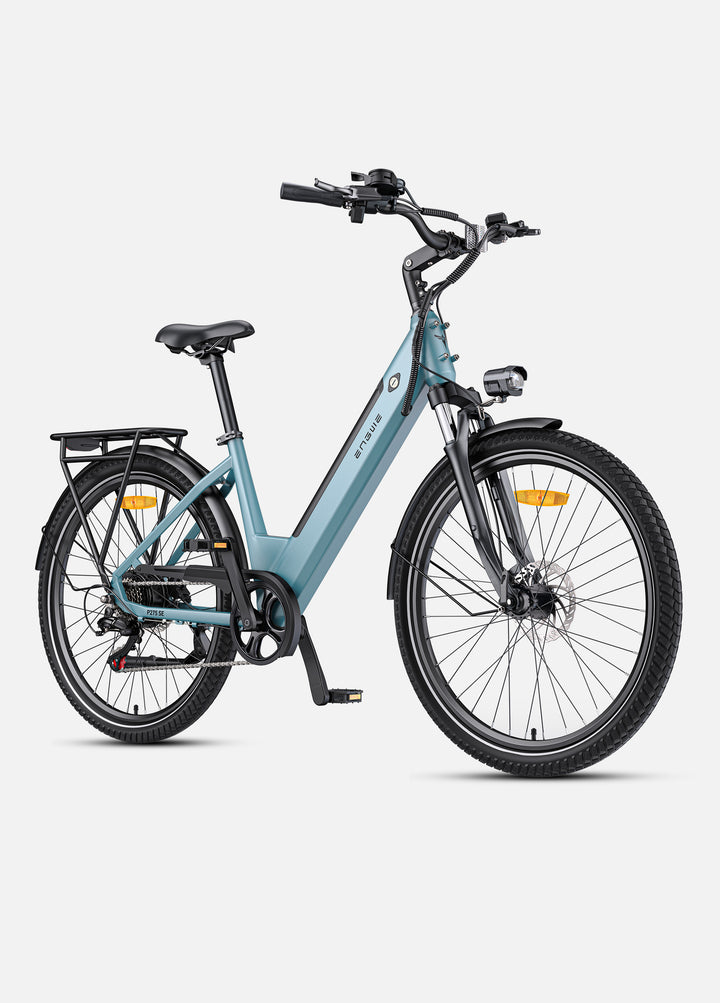
ENGWE E26 is a modern change in the tradition of 26 inch mountain bike based on electric assistance. Constructed like a fat tyre electric mountain bike it has 26-inch wide tires, dual suspension, and a high torque motor allowing it to carry heavier loads and deal with a wide range of terrain.
In this model, 26-inch wheels are still found to be efficient in modern e-bike models with a stable, tractive, and strong force both on the road and in the off-road environment.


26 Inch Mountain Bike Wheels on Electric Builds
Although a majority of the new-era e-MTBs incorporate bigger wheels, there are still electric models that utilise the 26 inch mountain bike wheels as they provide greater strength and torque capability.
A smaller size allows the wheels to control the motor power in a better way, and they tend to be combined with wider tires to gain traction. It is particularly the case with small or utility-oriented electric mountain bikes.

Is a 26-Inch Mountain Bike Still Worth It?
Despite changing trends, a 26-inch mountain bike is still a smart purchase for most riders, irrespective of the current trends. It is perfect for shorter riders, riders who like technical trails, and those who find straight-line speed not so important to them. The affinity of the parts, tires, and wheel choices also makes the ownership cheaper in the long term.
Final Thoughts
A 26-inch mountain bike might not continue commanding the market, but it is still performing its predictable duties where it counts. When the 26 inch mountain bike rims, tires, and wheels are properly combined, these bikes provide some form of control, durability, and versatility that continue to withstand the contemporary trails.
A well-selected 26-inch mountain bike is a good investment in case you are seeking a bike that is responsive, easy to maintain, and tested over a decades-long period of riding.
Frequently Asked Questions
Is a 26 inch mountain bike still good for trail riding?
Yes. Even a 26 inch mountain bike would be well-suited to trails, particularly very narrow or technical. The wheels are smaller, and this means that it has faster handling and can be manoeuvred more easily than a larger wheel size.
Who should ride a 26 inch mountain bike?
This is the best size of the wheel that suits shorter riders, beginners, and riders who need agile handling. Dirt jump, park, and downhill riders also enjoy it, which makes it popular with them due to its durability and control.
Are 26 inch mountain bike tires easy to find?
Yes. Although more recent, 26-inch mountain bike tires are still common in a variety of tread patterns, and many of the same patterns are available in a variety of different widths at a lower cost compared to larger sizes.
What’s the difference between 26 inch and 27.5 inch mountain bikes?
A 26 inch bike mountain is more responsive and maneuverable, whereas the 27.5-inch rolls over the obstacles more easily. The decision is based on the style of riding as opposed to performance in itself.
Can electric mountain bikes use 26 inch wheels?
Yes. There are still 26 inch electric mountain bikes, especially the ones that are aiming at power or torque management, or even the ones that are compact in shape. Under motor power, smaller wheels can enhance durability.