Start with Safety: Choose a Quality E-Bike

Everything changed with the onset of the electric bike – suddenly urban commuting and outdoor adventures became clean, efficient, and exhilarating. But this explosion in demand has also helped to highlight a serious safety problem: battery fires. Knowing how to correctly choose, charge, and care for your e-bike battery is more than performance — it’s about safeguarding your investment and you. This handbook serves as an excellent guide to safe charging and responsible ownership.
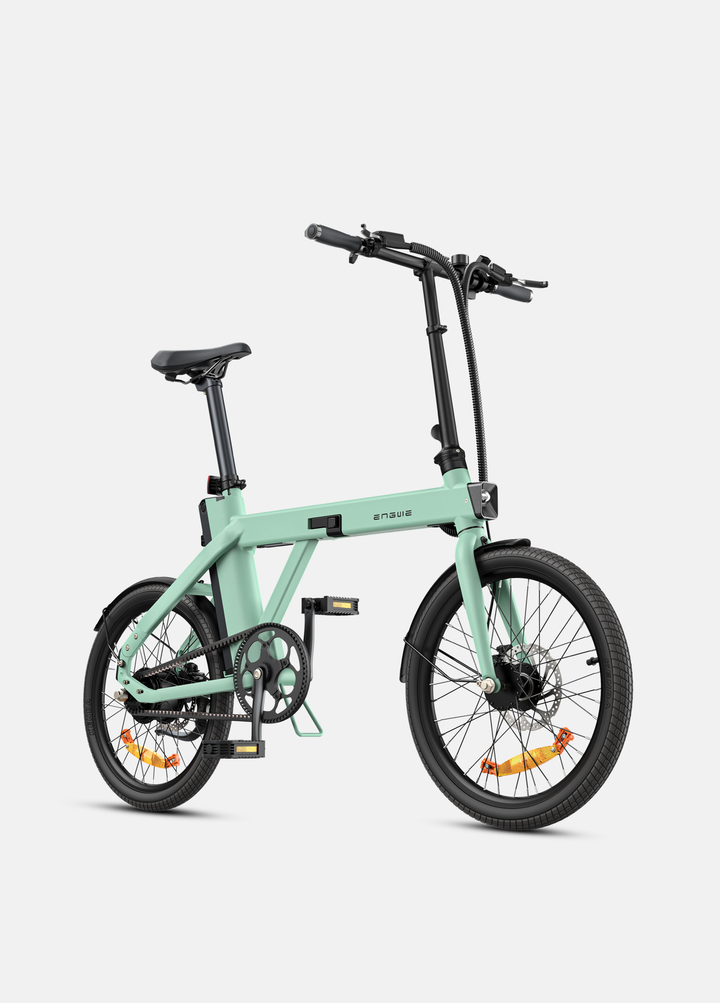
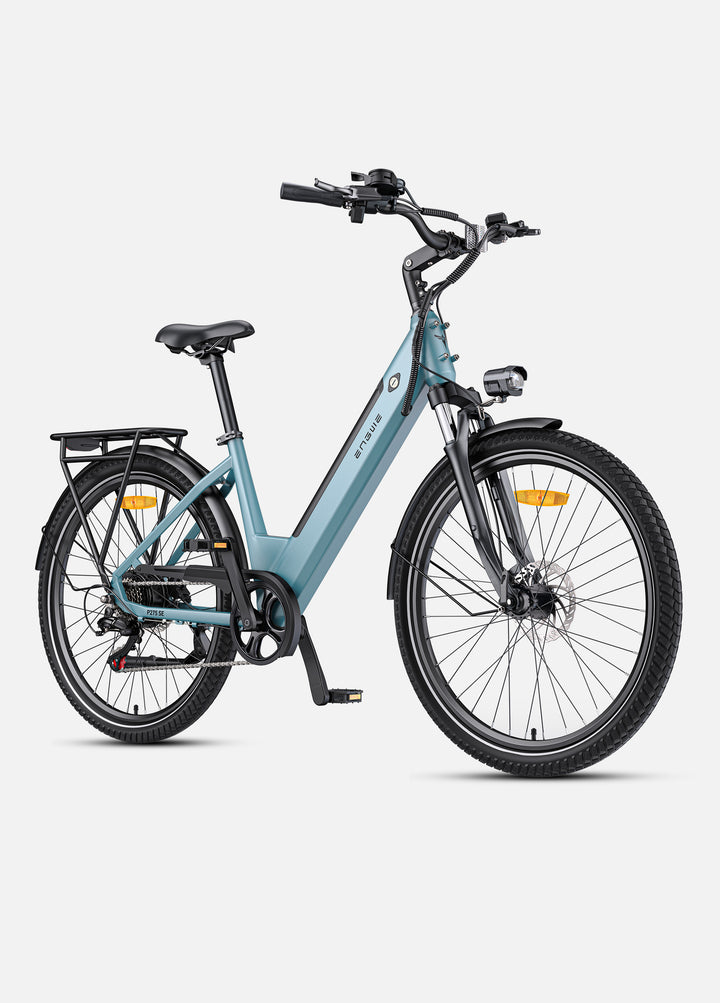
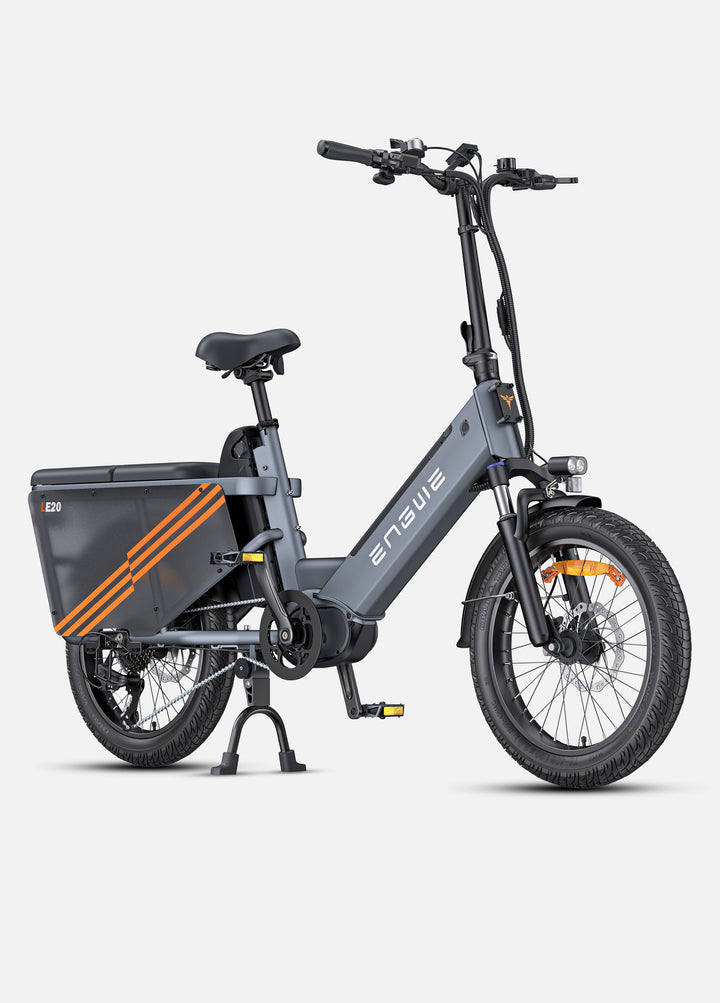
The first and most important step in avoiding battery fires doesn’t happen when you plug in your charger — it happens even earlier, when you select a high-quality electric bike from a reputable manufacturer. It is typically low-quality, non-certified e-bikes and batteries to blame for fire incidents. That’s why it makes sense to invest in a reliable brand like ENGWE. ENSURE SAFETY AND ENGINEERING: ENGWE as a manufacturer applying safety and innovations to every component ensures quality throughout. The ENGWE E26 all-terrain model is an expression of this commitment to quality. It’s not just built for performance, it’s built for peace of mind with a reinforced removable 48V 16Ah lithium-ion battery taken from an approved source. The high-capacity battery is designed to deliver stability and durability, safer and more reliable power for your rides. By selecting a reputable manufacturer, you are purchasing excellent build quality, tried and tested features and above all else user safety. When you are on an ENGWE, you are riding with confidence.

As always, create your own story as you hit the streets with the ENGWE E26. The all-terrain fat tire electric bike delivers an experience like no other. It comes with a high torque 70Nm 250W hub motor, for tackling those steep inclines. Enjoy a smooth ride on even the bumpiest terrain with a 2X dual suspension system (front and rear) with 26-inch fat tires. Its high-rated 48V 16Ah power pack reaches a longer-assisted cycling distance of 140 km and its hydraulic brake system delivers reliable braking no matter how fast you ride or what the weather is.
Key Specifications:
| Motor | 250W Brushless Motor |
| Max Torque | 70Nm |
| Battery | 48V 16Ah Removable Lithium-ion Battery Inside the Frame |
| Maximum Range | 140 km (Pas Mode) |
| Charging | about 5.5-6H |
| Suspension | Dual Suspensions (Front & Back) |
| Brakes | 180 mm Front & Rear Hydraulic Disc Brake |
| Tires | 26 x 4.0 Tires |
| Drivetrain | SHIMANO 7 Speed Shifter |
| Max Load | 150 kg (330lbs) |
| Features | LCD Display, Full Fenders, LED Headlight with integrated bell, LED Taillight, Robust Rear Rack (up to 25kg), Soft Saddle |
The Golden Rules of Safe E-Bike Charging
Once you’ve got a high-quality e-bike, the next best thing is to create a safe way in which you charge it. Improper charging behavior is one of the leading causes behind battery-related issues. You need to be gentle and kind as you charge it every time. Designate a dedicated charging area in your home or garage, and follow a hard-and-fast list of best practices. This is not just a matter of plugging in a cord: it’s actively managing risk and ensuring battery life.
Key Charging Practices:
- Only Use the Original Charger: Always only use the charger that comes with your electric bike. It’s designed to match your battery’s voltage and chemistry. A third-party or incompatible charger can result in overcharging and explosion.
- Charge in a Safe Place: Don’t charge your e-bike indoors on flammable surfaces such as carpets, sofas, or by curtains. The perfect place for it is on a hard, non-combustible area such as a concrete floor in a well-ventilated garage or shed.
- Limit Extreme Temperatures: The battery must not be charged in the sun or in freezing temperatures. High heat is a battery’s nemesis, raising the risk of so-called thermal runaway.
- Don’t Charge Unattended: Refrain from charging your battery overnight or when not home. As long as you can look after the charging process and you can unplug the charger once the battery is full, being present would be okay.
- Cool Down Before Charging: Allow your battery to cool off to room temperature post-ride before charging. And don’t remount it back on the bike for a ride until after you charge and let it cool off.

Protect Your Power: Essential Battery Care
Beyond charging, regularly servicing the battery is just as important for safety and extending your battery's life, which can ultimately save you a ton of money down the line. A lithium-ion battery is a complicated piece of hardware that will inevitably wear out over time, but with care and attention, you can significantly mitigate these effects to avoid dangerous failures. Consider your battery the heart of your e-bike — it, too, needs regular checkups and a healthy environment to function at its peak performance.
Essential Care and Maintenance Tips:
- Proper Storage: If you are not going to use your e-bike for a while (for example, over the winter months) store your battery in a cool, dry place. It is critical to not have the battery stored at full charge or empty. The optimal storage condition is 40% to 60% charge. This reduces cellular stress.
- Daily Check: Inspect your battery visually before you want to charge it. Inspect for any damage, such as signs of overheating (discolored plastic), dents, or swelling. Do not charge it if you notice a physical deformation.
- Keep Clean and Dry: Do not put your battery into water or moisture. If the device becomes wet, carefully dry it before use or charging. To make a solid and safe connection between the terminals, always have charging ports as well as connectors free of debris and clean.
- Do Not Shock: Be sure to handle your battery with care. A drop can damage the cells and safety features in ways that are not immediately apparent, leading to a hidden fire risk that only manifests the next time it is charged.
Red Flags and Rapid Response: Recognizing Battery Failure
Being savvy about how to recognize the early warning signs that your battery is failing is one of the most potent safety skills an e-bike owner can develop. A bad battery typically will not fail without warning. By knowing these red flags, you can address the issue and stop a possible disaster before it occurs. We all hope it never happens, but if ever things go wrong, knowing the proper emergency procedures is going to ensure a safe retreat and prevent loss.
Signs You Need a New Battery for Your E-bike:
- Physical Changes: The most visible indication is swelling or bulging of the battery case. Any deformation is an extremely ominous signal. Also check for fluid leaks or cracks.
- Extreme Heat: It is okay for a battery to get slightly warm while charging or during heavy use, but a battery should never be too hot to touch. Too high a temperature is an indication of internal short-circuiting.
- Unusual Smells: If the battery smells sharp, chemical, or – especially – acrid, this is a sign that cells are venting (prior to fire).
- Performance Degradation: If you're experiencing a sudden and extreme loss in your range, if you can't charge to full, or it just no longer holds the same amount of charge as it used to do very recently, that is an indication of battery health failings and potentially dangerous instability.
Emergency Action Plan:
- If you see any of these signs, immediately unplug the charger and discontinue use of the battery.
- If it’s safe to do so, carefully move the battery or entire e-bike outside your residence and away from any flammable items.
- Do NOT use water on a lithium-ion battery fire. It can accelerate the chemical reaction. Use a Class ABC or, ideally, a Class D fire extinguisher.
- Contact your local fire department right away. Tell them it is a lithium-ion battery fire so they can respond with the right equipment.

Knowledge is Power: Understanding E-Bike Tech and Standards
Finally, knowing a bit more about how the technology works and the standards that govern it allows you to make smarter consumer decisions. All electric bikes are not created equal, and the variance is usually found in the quality (and certification) of their electrical systems. Lithium-ion batteries have high energy density, however such power requires a complex Battery Management System (BMS) to use safely. This piece stops overcharging, over-discharging, and overheating.
Key Knowledge Points:
- Check for UL Certification: This is the number one thing to look for. Underwriters Laboratories (UL) is a worldwide safety certification company. A UL 2849 certification indicates that the entire e-bike system (the battery, charger, and motor) was tested and confirmed to comply with strict fire safety standards, while UL 2271 only covers the battery. ALWAYS seek out e-bicycles that have these certifications.
- Know Your Cells: Good e-bikes use rechargeable lithium-ion battery packs with cells made by well-regarded manufacturers such as Samsung, LG, or Panasonic. It’s something brands tend to be proud of and mention in their spec sheets.
- Examples of Reliable Systems: Besides solid full e-bike companies like ENGWE, the industry needs reliable suppliers with a good component heritage. Motors such as Bosch, Shimano STEPS, and Brose are known for their reliability, safety, and integration of certified components. Our drive systems deliver the best result in any class: whether it is an e-MTB or a trekking bike, these high-quality drives are useful because they offer significant advantages over other e-bikes.
Q1: Will it hurt to charge faster with a non-original, third-party charger?
A: Absolutely. You should only use the exact charger which was provided by the manufacturer. It is intended to speak to your battery’s management system so as not to overcharge it, and an inadequate one is a serious fire hazard.
Q2: What is the most important consideration for safety when purchasing a new e-bike?
A: Look for UL certification. A UL 2849 or a UL 2271 mark means that the whole electrical system has been independently fire-tested to a standard that is the best proof you can have about quality.
Q3: What should I do if my e-bike battery is dropped?
A: Have a professional look at it, even if there is no apparent damage. There might be internal damage and this can pose a very serious safety hazard during the next charge.
When you prioritize certified equipment and practice mindful charging, you are able to enjoy the freedom of your e-bike with full confidence.