Electric bikes have fundamentally changed urban mobility by offering people a convenient, eco-friendly, and fun way of getting around. When you decide to buy one though, you will find that there are different kinds, such as Class 1, Class 2, and Class 3 ebikes. The fact that you landed on this article implies that you want to find out what these classes mean and how to make a choice between a Class 2 ebike and a Class 3 ebike.
We will cover the differences between the different e-bike classes by speed, features, and riding rules in this article so that you can make your decision with certainty.
Understanding E-bike Classes: Class 1, 2, and 3
E-bikes are grouped into three main categories, class 1 ebike, class 2 ebike, and class 3 ebike, based on how the motor assists and the speed limits allowed. These ebike classes help define where each type can be ridden and what features they offer.
A class 1 ebike supports riders through pedal assist, a class 2 ebike adds throttle control, and a class 3 ebike focuses on higher-speed commuting. Recognized across North America and Europe, ebike class 1 2 3 distinctions make it easier for riders to choose the right balance between comfort, power, and performance.
Regardless of the differences, classifications of e-bikes such as ebike class 1 2 3 are recognized both in North America and Europe and serve to regulate not only locations but also conditions under which the respective categories of e-bikes can be used.

What Is a Class 2 E-bike?
The class 2 ebike definition is an electric bike with a pedal assist and a throttle. The throttle allows the bike to be driven without pedaling, and it is a wonderful choice for riders who are seeking the ease of powered movement with little exertion.
So, what is a class 2 ebike ideal for? It's perfect for:
- City commuting where stop-and-go traffic is prevalent
- Riders with limited leg strength or injuries
- Those who want a easy-going riding experience
- Recreational rides on bike paths or residential areas
For sale would be a class 2 ebike with a motor capped at 20 mph to meet area requirements. Class 2 ebike speed is safe but economical for daily urban commuting.

What Is a Class 3 E-bike?
The class 3 ebike, however, is for performance. With up to 28 mph of speed, it's the quickest legal category for most public streets without the need for a motorcycle license.
Whereas class 3 ebikes generally don't have throttles, they are made up with high-torque pedal assist and sensitive torque sensors. These are thus great for long-distance commuters, fitness riders, or people who prefer to substitute a car for short city commutes.
You should, however, verify class 2 ebike laws in your area and class 3 regulations since Class 3 models are banned in some places from multi-use or shared paths.

Class 2 vs. Class 3 E-bike: The Key Differences
Let's dissect the class 2 vs class 3 ebike comparison to determine which one you'll find most suitable.
|
Feature |
Class 2 E-bike |
Class 3 E-bike |
|
Top Speed |
20 mph (32 km/h) |
28 mph (45 km/h) |
|
Throttle |
Yes |
Usually No |
|
Pedal Assist |
Yes |
Yes |
|
Best For |
Relaxed riders, beginners, city commuting |
Fast commuters, long-distance riders |
|
Legality |
Allowed on most bike paths |
May be restricted in some areas |
|
Effort Level |
Minimal, can ride without pedaling |
Requires pedaling |
|
Use Case |
Short daily rides |
Long-distance or hilly terrain rides |
In general, a class 2 ebike is all about ease and comfort, whereas a class 3 ebike is all about speed and efficiency.
Class 2 vs. Class 3: How to Choose
Your dream choice will depend on where and how you intend to ride.
Select a Class 2 e-bike if
You like an easy, low-maintenance ride and need the convenience of a throttle. It's great for errands, cruising town, or short commutes.
Select a Class 3 e-bike if:
You desire a quicker, more powerful ride that can substitute for short car rides. Suitable for regular commuting on paved roads or hills.
The class 1 vs class 2 ebike discussion frequently crosses paths here, but keep in mind: Class 1 ebikes do not have a throttle, but Class 2 ebikes provide you with options for both.

Best Ebike Models for Class 2 and Class 3 Users
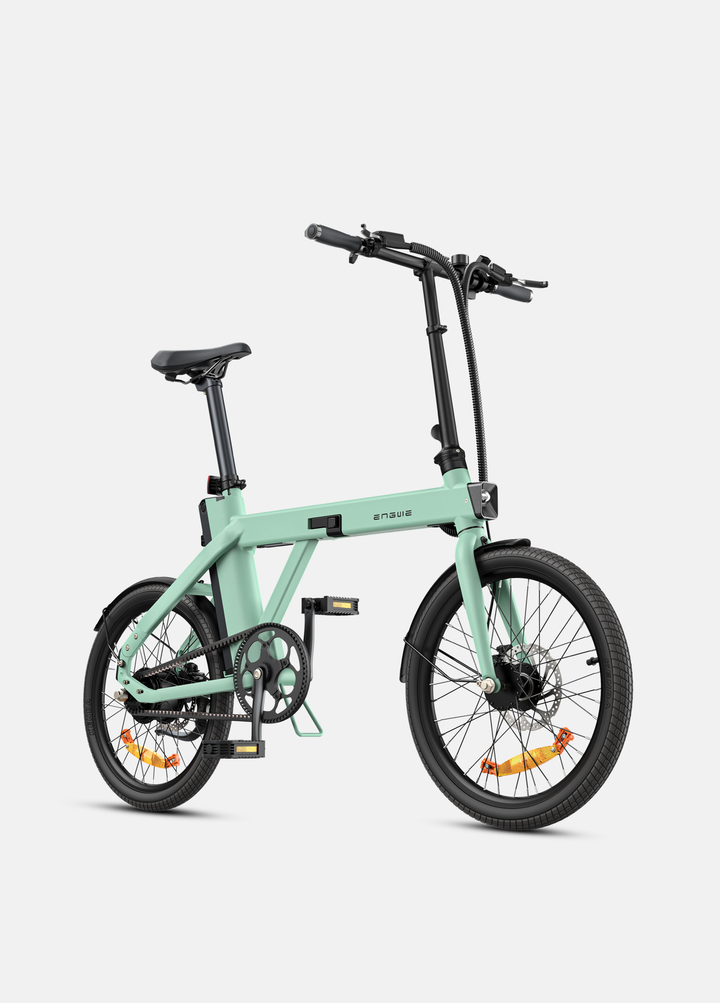
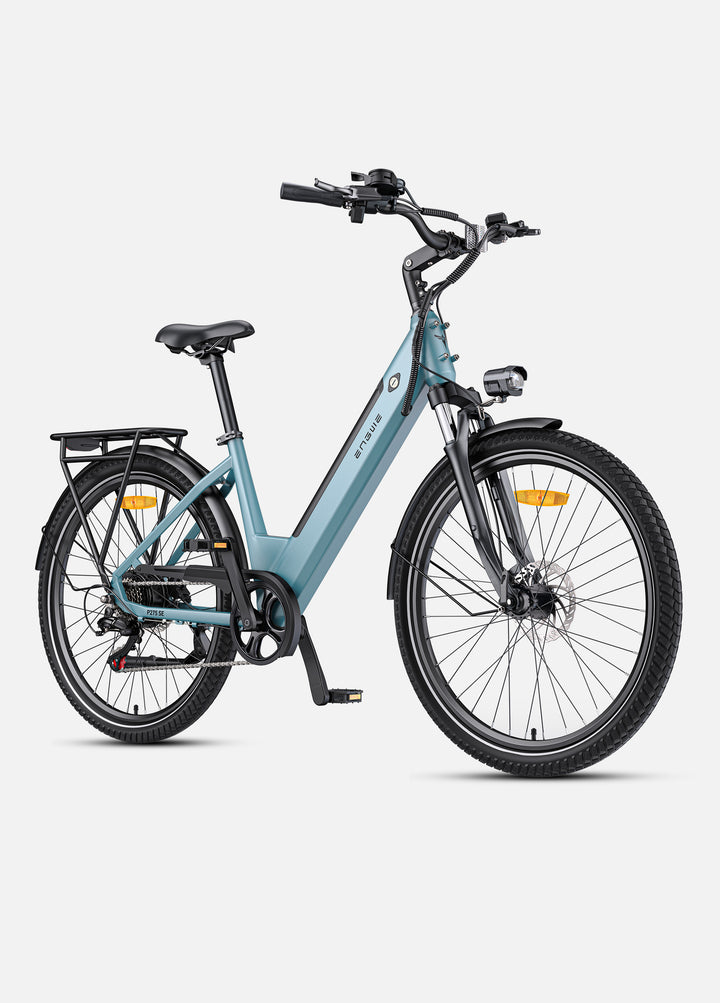
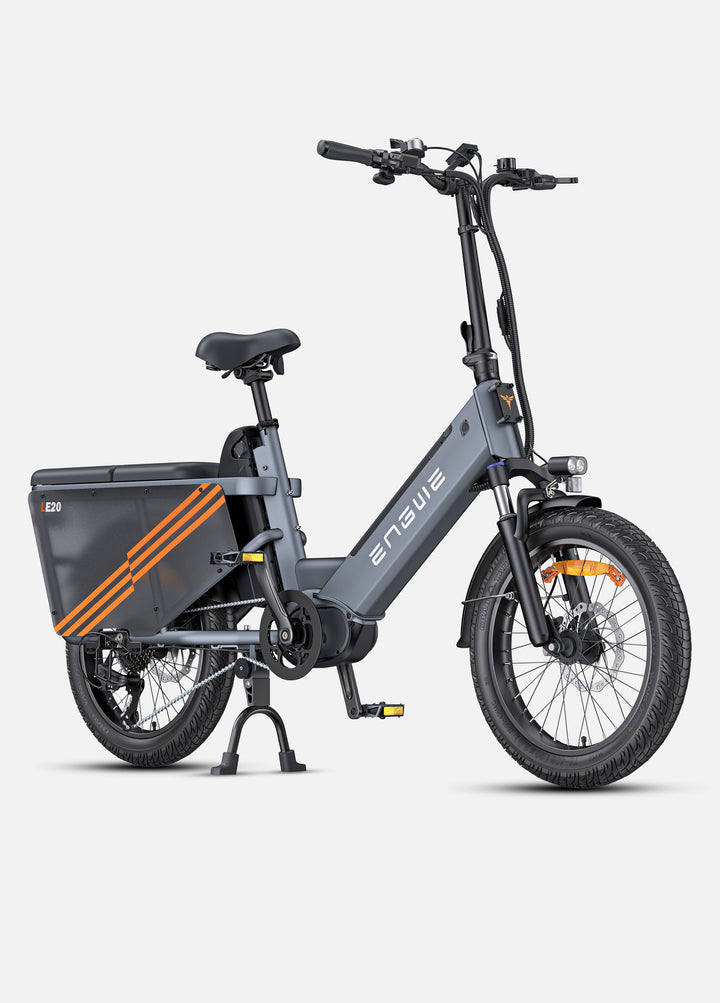
ENGWE has come to be recognized as one of the most reliable brands for electric mobility, making models that fit into both categories. Here are some excellent examples:
ENGWE L20 Boost (Class 2)
ENGWE L20 Boost has high-torque step-through e-bike features, throttle and pedal assist, ideal for daily commutes and recreational riding. The powerful motor provides a silky smooth, constant ride, and the 20" fat tires provide stability on bumpy trails.

ENGWE EP-2 Boost (Class 3)
A foldable fat-tyre e-bike featuring 20″×4.0″ tyres, a 48 V 13 Ah battery, and up to around 50 miles (~80 km) of range under moderate use. With a top speed of nearly 28 mph, ENGWE EP-2 Boost is well within the class 3 ebike specification.

Aventon Level 2
A sleek class 2 ebike with a durable 500W motor and integrated fenders for urban commutes.

Rad Power RadCity 5 Plus
Includes throttle and pedal assist, which makes it the best class 2 ebike choice.Perfect for daily commuters who want comfort, power, and effortless control on every ride.

Specialized Turbo Vado 4.0
A high-end class 3 ebike with performance to match for urban commuters.Built for speed and stability, it delivers a smooth, confident ride even at higher speeds.

How Fast Does a Class 2 E-bike Go?
One question many cyclists want to know is: "How fast does a class 2 ebike go?"
The solution is a maximum of 20 mph, at which the motor ceases to assist. You may travel faster when going downhill or when pedaling harder, but the motor will not assist above this speed.
In comparison, a class 3 ebike can travel as fast as 28 mph, providing riders with that little bit extra for faster commutes.
Legal and Safety Issues
Before you purchase any e-bike, check your regulations. While ebike class 2 are generally permitted on most trails, some cities restrict class 3 ebikes to streets or bike lanes. Always wear a helmet, and think about safety add-ons such as lights and reflectors if you ride frequently.
Conclusion: Finding Your Ideal Ride
So, class 2 versus class 3 ebike - which do you use?
If comfort, convenience, and throttle control are most important, the class 2 ebike is your champion. If speed, performance, and an active ride thrill you, choose the class 3 ebike.
Each one offers advantages, but both offer a fun, environmentally friendly ride. No matter whether you choose an ENGWE model or another reputable brand, understanding your ebike class 1 2 3 differences will enable you to discover the ideal electric ride for you. Visit ENGWE,to buy class 2 ebike for sale today.