Bumpy descents continuously test the suspension, tires, brakes, and control of the rider. An adequate electric mountain bike must be able to withstand continuous shocks yet remain stable, as well as keep the tires connected to the rough terrain. Weight distribution of the motor and battery is an additional factor that makes an eMTB different from a regular mountain bike.
Hence, the suspension characteristics of an eMTB are just as important as the motor performance and battery capacity. It is essential for riders to understand what factors affect the riding experience on bumpy trails, such as fork travel, rear suspension, adjustability, geometry, and tires.

Electric Mountain Bike Suspension Options to Compare
Not all electric bikes with suspensions are meant for the same types of terrain. Some are built for versatility, whereas others are meant to be used exclusively e-mtb off-road by employing long suspension travel and trail-oriented geometry.
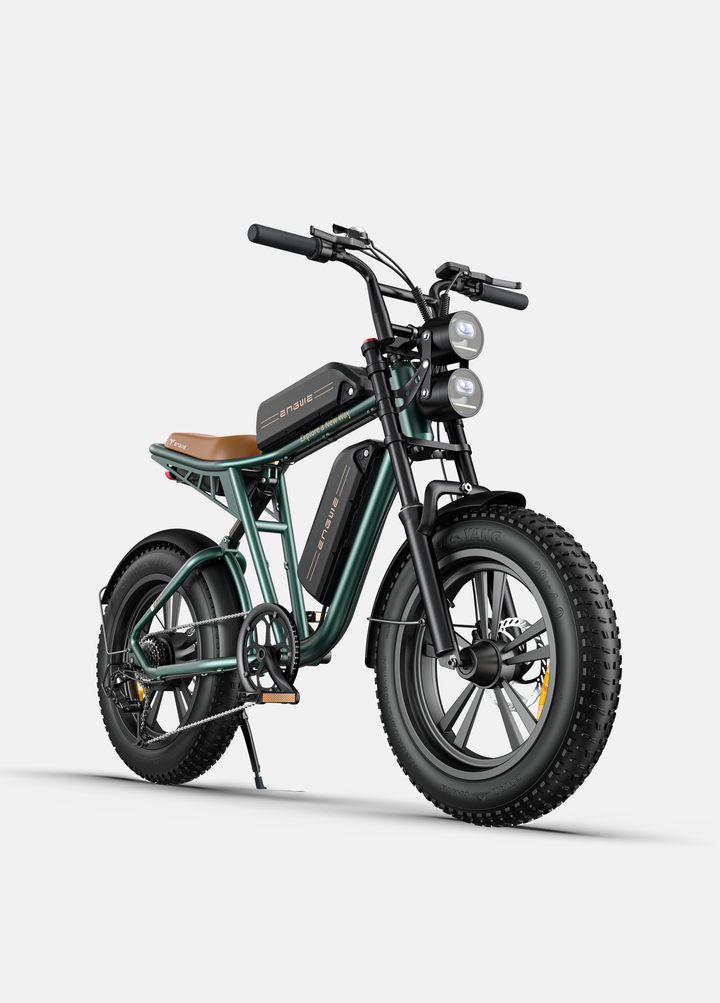
ENGWE E26 – Dual Suspension for All-Terrain Riding
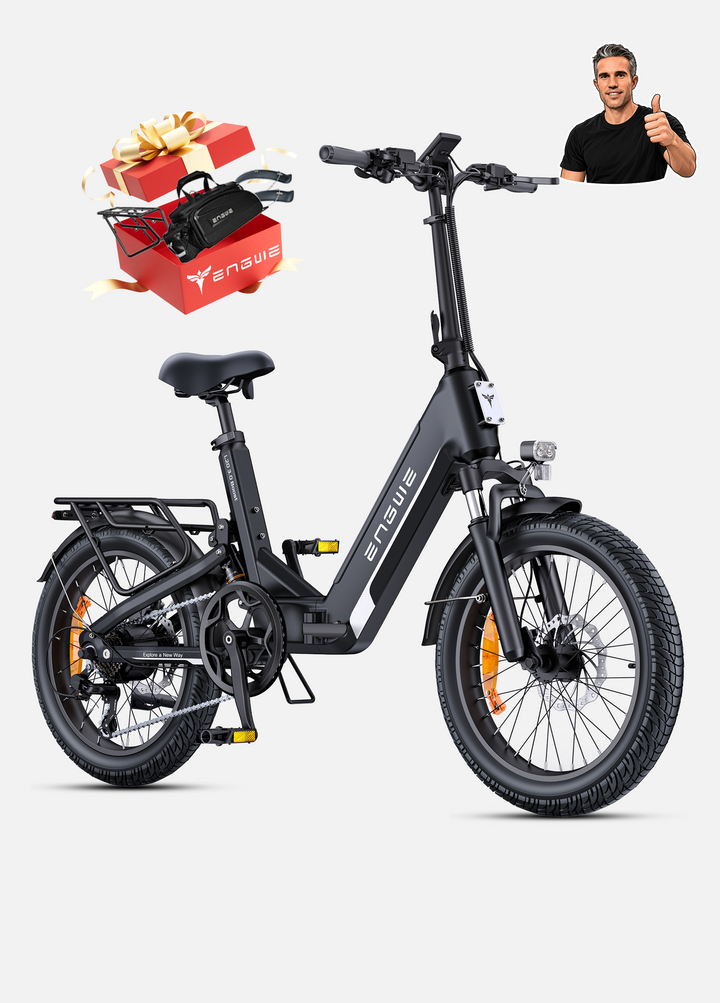
The ENGWE ebike E26 is designed as an off-road bike fitted with a dual suspension mechanism to provide comfort during riding in different conditions.
The motor installed in this bike is a 250W brushless motor that gives 70Nm torque, and the battery installed is 48 V 16 Ah, removable, with a maximum distance of 140km. The brakes used in this bike are hydraulic. This bike is not intended as a downhill bike but as a bike with good suspension capacity for various terrains.


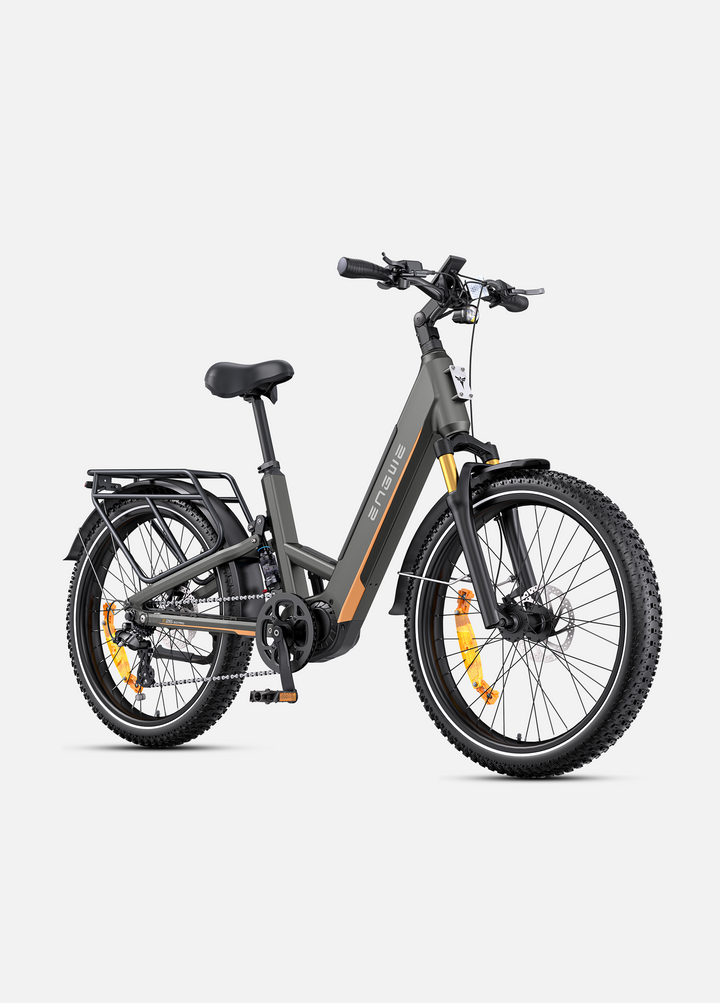
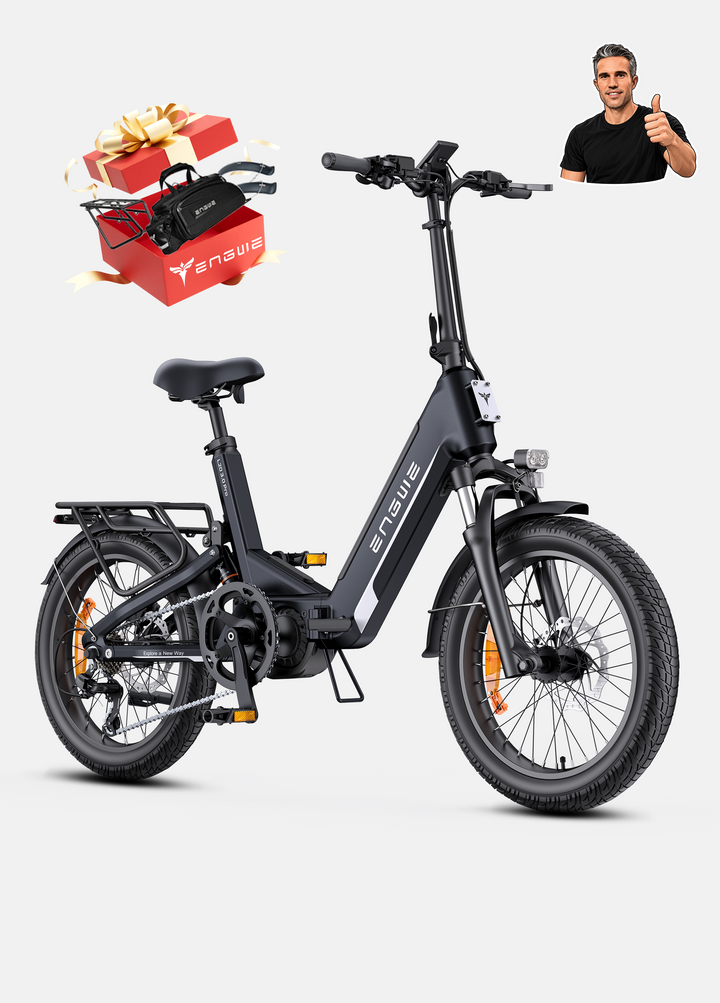
ENGWE E26 3.0 Pro – Four-Bar Full-Suspension Setup
ENGWE electric bike E26 3.0 Pro features an 80 mm adjustable hydraulic front fork and a 30 mm adjustable rear air shock with a four-bar linkage.
The bike’s mid-drive motor is rated at 250 W of power output and 100Nm of torque, whereas its 720Wh battery pack ensures up to 135 km of range. It is a full-suspension smart SUV e-bike intended for use on gravel, country roads, paved trails, grass, and other varied surfaces.


Specialized Turbo Levo 4 – Trail-Focused Suspension Travel
Specialized Turbo Levo 4 is a true full-power trail electric mountain bike that was developed using significantly extended suspension travel.
The bike’s current design has a 160mm travel fork at the front and 150mm at the rear, and it features the GENIE rear suspension system, which is meant to enhance traction and bottom-out management. Also, the bike has a mixed wheel setup and geometry adjustment, which makes it suitable for technical trails.

Trek Rail+ – Long-Travel E-MTB for Technical Terrain
The Trek Rail+ has a long-travel concept with 160mm of suspension on both the front and back wheels. It features mixed wheel sizes of 29 inches for the front wheel and 27.5 inches for the rear wheel. The Rail+ can be adjusted for geometry to help adjust the bike’s performance. This bike has been designed as an e-mtb that will perform on trails.

How Suspension Changes an Electric Bike on Rocky Terrain
The two roles of suspension in bumpy conditions include impact management and tire grip management. In the case of the mountain electric cycle, the extra weight of the motor and battery may affect the impact management capabilities of the suspension system through repetitive rocks, roots, jumps, and braking impacts.
- Front suspension: This is where the shocks take in the impacts that come to the front wheel and aid in handling the bicycle over rocks and bumps.
- Rear suspension: The rear shocks work by absorbing any impact forces in the frame and aiding the rear wheel grip.
- Travel of the suspension: More travel means more room for bigger impacts, but longer travel doesn't automatically mean better performance.
- Damping: This ensures that the suspension system doesn't move too fast after an impact.
- Setup of the suspension: The setup of the suspension is determined by rider weight, tire pressures, sag, rebound, and terrain.
In the case of the electric bike for adults, it's important to consider the suspension as one part of the whole system, alongside the rest of the bicycle parts.

Light Electric Mountain Bike or Full-Power Setup?
An electric mountain bike will be easier to maneuver during turns, while raising its front wheel, or on tricky terrain. Lighter weight systems may also allow handling that is close to that of a regular mountain bike, which is what many experienced mountain bikers like.
However, the lightest electric mountain bike is not necessarily the one that will perform best during descents through rocky terrain. Lightness needs to be weighed against the capabilities of suspension, durability of the frame, quality of brakes, the size of batteries, and the degree of assistance the rider expects.
Regular full-power electric mountain bikes tend to be heavier because of bigger motors and batteries; however, they give better assistance when going uphill. Therefore, it is up to the rider to choose either lightweight or strong assistance.
Choosing an Electric Bike Mountain Setup for Downhill Control
A good setup for an electric bike mountain bike must be relative to the level of terrain and not only have suspension in place. Flat, smooth gravel and paved pathways present very different challenges than rocky descents with drops, roots, and continuous high impacts.
When evaluating a mountain bike electric bike that will be used for rough descents, look at:
- Suspension stroke: The greater the stroke of suspension, the more impact potential is there.
- Adjustment: The rebound, compression, and air pressure adjustments of the suspension allow it to adapt to rider weight and terrain.
- Brakes: Good hydraulic brakes with appropriate rotors are needed for controlling speed on long descents.
- Tires: Right tread, width, casing, and tire pressure affect grip and puncture protection.
- Geometry: A trail geometry on the bike can make a difference in steep and technical descents.
- Weight of the bike: The extra weight affects braking distance, cornering, and suspension performance.

Conclusion
Selecting an electric mountain bike for the rockier paths demands consideration of factors beyond just the power and battery life of the bike. The suspension system, its travel and damping, braking system, wheels, geometry, and total weight will all come into play to decide how well the bike will handle tough descents.
An all-around good choice may be useful when riding on rough roads and dirt, although specific trail bikes tend to have better travel to make the experience tougher. Regardless of whether a lighter bike or a more powerful e-mtb, is selected, it is important to select the one appropriate for the kind of terrain that will actually be ridden.
Frequently Asked Questions
How Much Suspension Travel Is Good for Rocky Trails?
How Much Suspension Travel Is Good for Rocky Trails?
The right travel is determined by the difficulty of the trail and the riding style. The moderate trail would need less travel, while the technical trail would demand more travel. The issue of travel must be taken into consideration with damping, geometry, brakes, tires, and suspension setup.
Is Full Suspension Better for an Electric Mountain Bike?
Is Full Suspension Better for an Electric Mountain Bike?
Full suspension may provide better comfort, traction, and control when riding over bumpy terrain because the full suspension enables both wheels to react to the changing surface. However, just having suspension components is not all that matters.
Does Extra E-Bike Weight Affect Downhill Handling?
Does Extra E-Bike Weight Affect Downhill Handling?
Yes. The additional weight is contributed by motors and batteries, and it impacts braking, cornering, suspension dynamics, and turning. The riders need to consider this extra weight while adjusting their suspension pressures, braking system, and tire pressure.
Can Every Full-Suspension E-Bike Handle Rocky Downhills?
Can Every Full-Suspension E-Bike Handle Rocky Downhills?
No. The fact that a bike is full-suspension does not necessarily mean that it can be used for downhill purposes. Ensure you check out the type of terrain, suspension travel, brakes, tires, frame construction, and geometry before using it.