Ebikes are categorized under ebike classes, each of which has a varied speed limit and regulations. Class 3 ebikes are the quickest, most widely available electric bicycles, made for people who need more speed to reach their workplaces or travel longer distances.
In most places, a class 3 electric bike gives pedaling support up to 28 mph (around 45 km/h). Unlike a class 1 ebike or class 2 ebike, bikes with this classification are usually governed by stricter regulations due to the speed.
It is important to know these regulations before buying or using one.

The Speed Capabilities of Class 3 Ebikes
The biggest draw of class 3 ebikes is speed. Riders love:
Pedal Assist Limit – Operates to 28 mph.
Throttle (where permitted) – Throttles are permitted by law in certain locations.
Real-World Functionality – Ideal for commuters who wish to make ground in a hurry.
These are not unlimited speeds like a regular motorbike and a bike with a motor. They are regulated to ensure that they remain within safe and reasonable speeds.

Class 3 Ebikes Compared to Other Classes
Class 1 Ebikes
- Give pedal assist to 20 mph.
- No throttle; pedal-assisted only.
- Permitted in most places where regular bicycles are allowed.
Class 2 Ebikes
- Provide pedal assist and throttle, both limited to 20 mph.
- Seen as more versatile for recreational riders.
Class 3 Ebikes
- Pedal assist at up to 28 mph.
- Generally require helmets and can have age limits.
- Limited on some bike paths owing to increased speeds.
By understanding these distinctions, you'll be able to determine if a class 3 electric bike is suitable or if you'd be better served by a class 1 ebike or class 2 ebike.

Class 3 Ebike Regulations
The question that frequently comes up is: are e bikes street legal? The response varies depending on where you live, but as general guidelines, here is what applies to class 3 ebikes:
Helmets Mandatory – Wearing helmets is mandatory in many areas.
Age Limits – Riders often need to be at least 16 years old.
Restricted Paths – High-speed class 3 ebikes may not be allowed on shared-use paths, sidewalks, or trails.
Equipment Standards – They must have speedometers, lights, and reflectors for safety.
Knowing the local rules prevents fines and ensures safe riding.
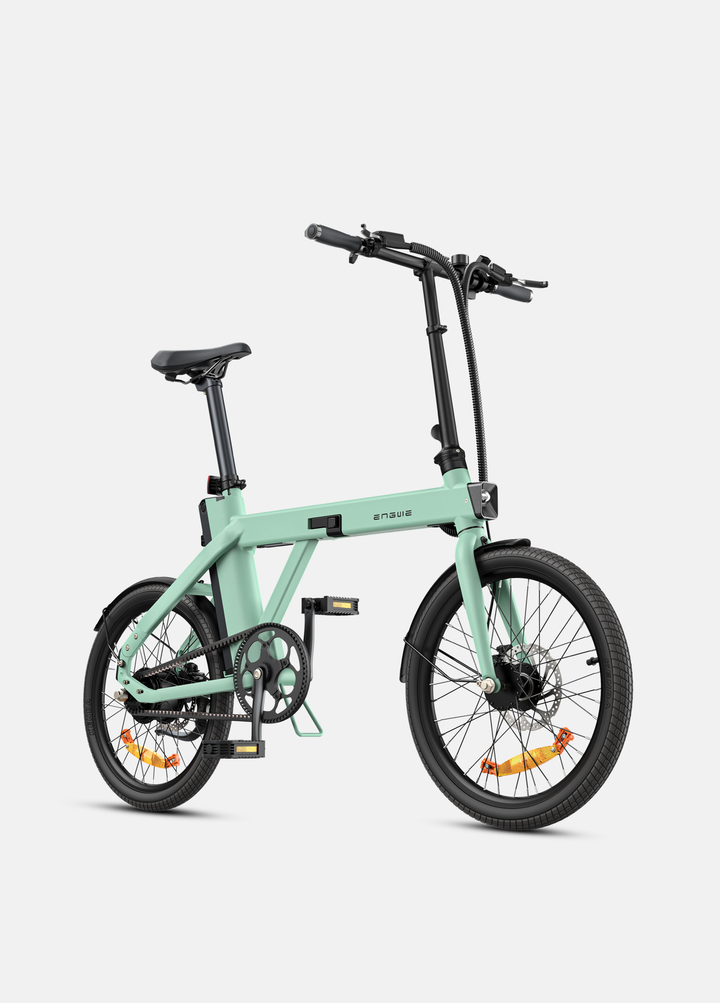
The ENGWE EP-2 Pro folding fat-tire bike is an excellent choice under class 3 regulations. Though small in size, it packs consistent performance to be a handy pick for those seeking portability without compromising on speed.

Are Class 3 Ebikes Right for Everyone?
Not always. Although they provide speed and efficiency, class 3 ebikes aren't ideal for young kids or short commutes. For instance, a kids electric bike is safer for kids, as it provides much lower speeds and easy controls.
For teenagers or adults who need speed for longer commutes, however, a class 3 ebike can be an excellent option.
The Role of Kids Electric Bikes
It should be noted that electric bicycles for children are in a totally different class from high-speed ones. A children's electric bike is typically limited to very slow speeds—frequently below 15 mph and designed for safety.
When looking for family solutions, the family opt to have an ebike for children in conjunction with their class 3 ebikes. Adults, then, can have speed and range while children travel safely on age-specific bikes.
Always keep in mind: class 3 ebikes are not toys, and children must never use them. That is why getting a kids electric bike is the wiser, safer option.
Why Class 3 Ebikes Appeal to Commuters
The greatest advantage of a class 3 ebike is how rapidly it converts commutes into easy, quick, and environmentally friendly rides. With greater speed assistance, riders can:
- Substitute cars for medium-distance travel.
- Reach the office without sweating bullets.
- Save gas money and parking fees.
They're particularly practical in cities where bike lanes are prevalent. Rather than stuck in traffic, you ride past automobiles at natural-feeling speeds on congested streets.
An ENGWE Example
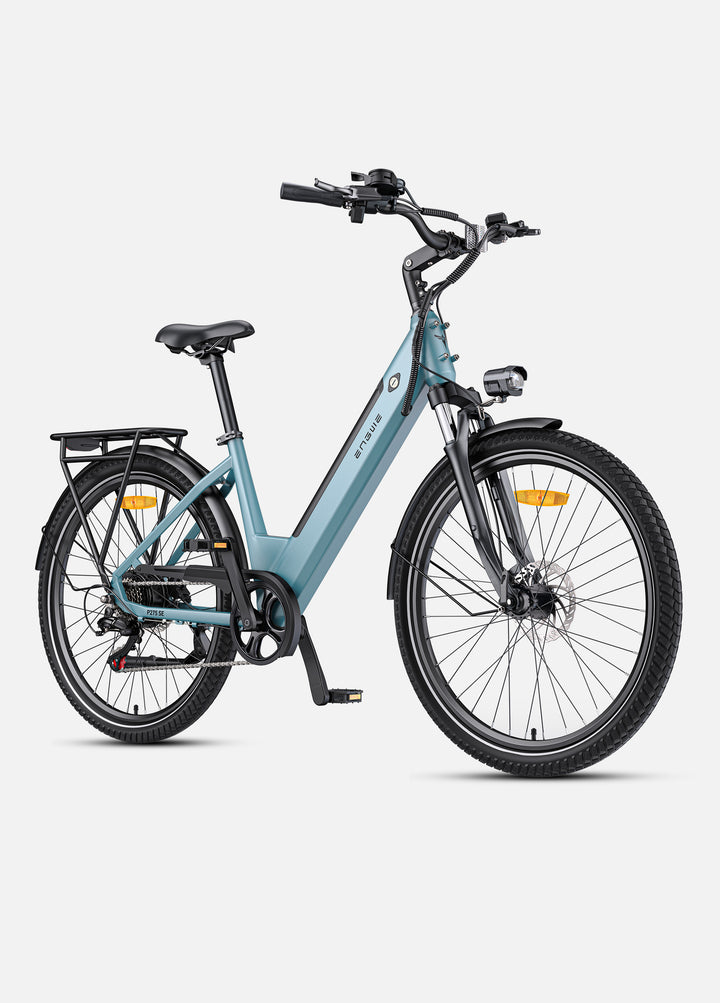
When looking at class 3 ebikes, ENGWE has options that combine performance with value. For instance, the ENGWE Engine Pro has pedal-assist assistance that makes it a desirable option for commuters who desire speed and convenience.
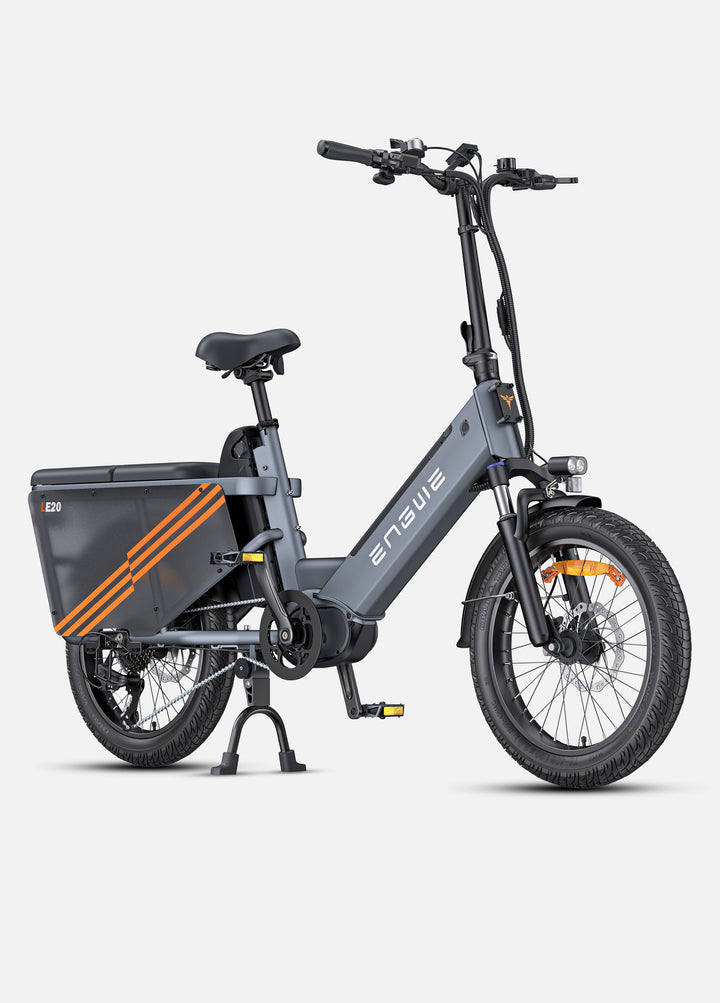
With options like the ENGWE M20, commuters can have the freedom of quick, secure commuting without the inconvenience of traffic jams.

Safety Tips for Riding Class 3 Ebikes
If you're opting for a class 3 electric bike, always take these safety measures:
- Wear a licensed helmet.
- Be visible with front and rear lights.
- Cruise with traffic like a motorized vehicle, not a pedestrian.
Maintaining your bike, brakes and tires are more important at higher speeds.
A motorized bike can be as safe as a conventional cycle if cyclists respect speed and regulations.
Conclusion: Is a Class 3 Ebike Right for You?
The ebike classes can be overwhelming at first. But once you're aware of the differences, you'll know whether or not a class 3 ebike is suited for your lifestyle.
For speed, efficiency, and the means to substitute car journeys, a class 3 electric bike might be ideal. But if you're purchasing for a child, a kids electric bike is far safer and more sensible.
Brands like ENGWE, with models such as the ENGWE M20 and ENGWE EP-2 Pro, highlight just how versatile these bikes can be, whether you’re looking for power, portability, or reliability. Ready to upgrade your commute? Explore ENGWE’s range today to find the right balance of speed, safety, and fun.
FAQs
Q1. Are Class 3 ebikes legal everywhere?
Class 3 ebikes, which can reach up to 28 mph with pedal assist, are legal in many states and countries. However, regulations differ by location. Some areas may restrict them on bike paths or require helmets and age limits. Always check local traffic laws before riding.
Q2. How many chain links does the ENGWE M20 ebike have?
The ENGWE M20 is a popular model within the Class 3 category, and its chain setup is commonly inquired about by riders. The chain length normally relies on the gearing system and drivetrain design. For the precise number of chain links for the ENGWE M20, it's best to visit the official ENGWE website or the user manual for accurate measurement.
Q3. What distinguishes Class 3 ebikes from Class 1 and Class 2 ebikes?
The primary variation is speed and type of assistance. Class 1 ebikes offer pedal assist to 20 mph, Class 2 ebikes feature throttle-assist with the same 20 mph limit, and Class 3 ebikes take it further with pedal assist to 28 mph. This makes Class 3 ebikes perfect for commuters looking for faster travel and improved range efficiency.