1. Brand Heritage and Market Position
Phoenix is a brand with a long and storied history, primarily known in Asia as a manufacturer of classic, durable, and affordable bicycles. This legacy builds a foundation of trust for many consumers. However, its transition into the electric bike market brings a different set of expectations. Understanding its position is key to evaluating its reliability.
Legacy and Trust
Phoenix has been manufacturing bicycles for decades. This extensive experience in frame building and basic mechanics is a significant asset. Their name often evokes a sense of nostalgia and dependability, particularly for simple, no-frills transportation.
Market Focus
The brand primarily operates in the entry-level to mid-range ebike market. Its main goal is to make electric mobility accessible to a wider audience. This means they prioritize cost-effectiveness, which can influence component choices.
Design Philosophy
Phoenix ebikes often feature practical, conservative designs. They focus on functionality for daily commuting rather than high-performance or extreme off-roading. You will find many models with classic step-through frames, integrated baskets, and comfortable-riding postures.
Key Consideration
When evaluating a Phoenix ebike, it is crucial to manage expectations. These are not typically high-performance machines designed to compete with premium brands. Instead, their reliability should be judged based on their intended purpose: serving as a dependable daily commuter for a reasonable price. A smart purchasing tip is to focus on their models that leverage their traditional frame-building strengths, which often prove to be the most durable.
2. An Alternative for the Modern Adventurer: ENGWE M20

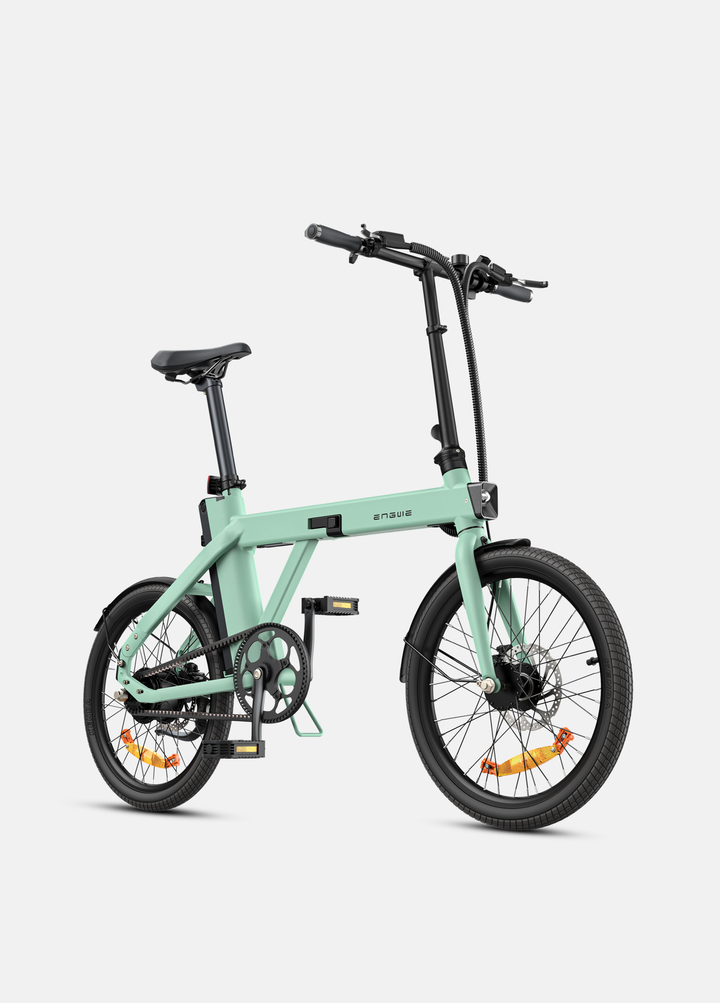
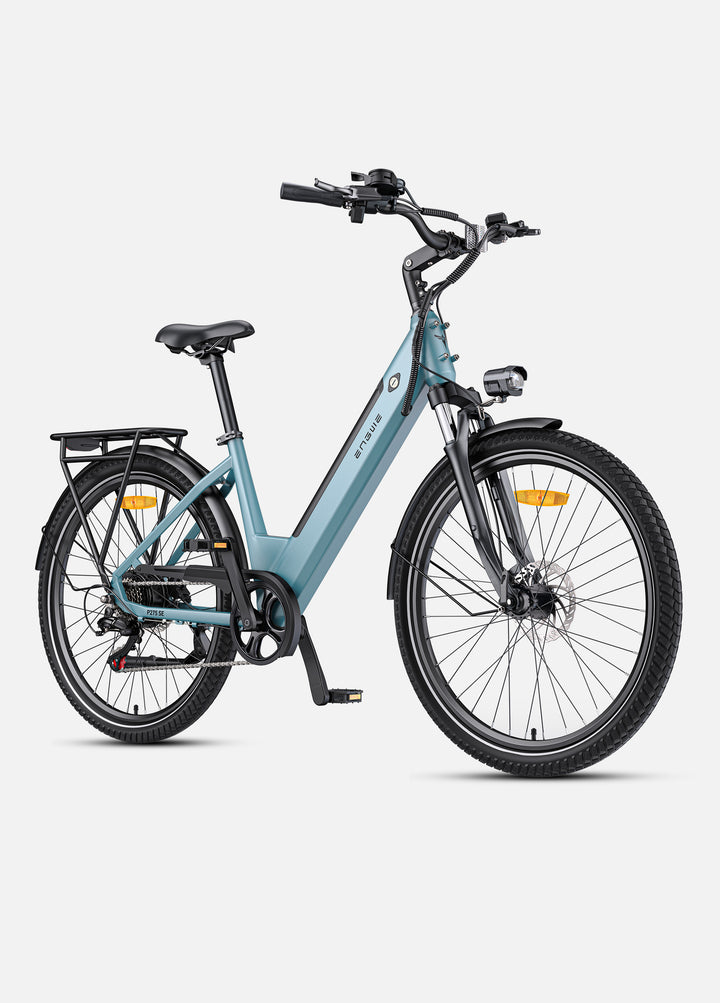
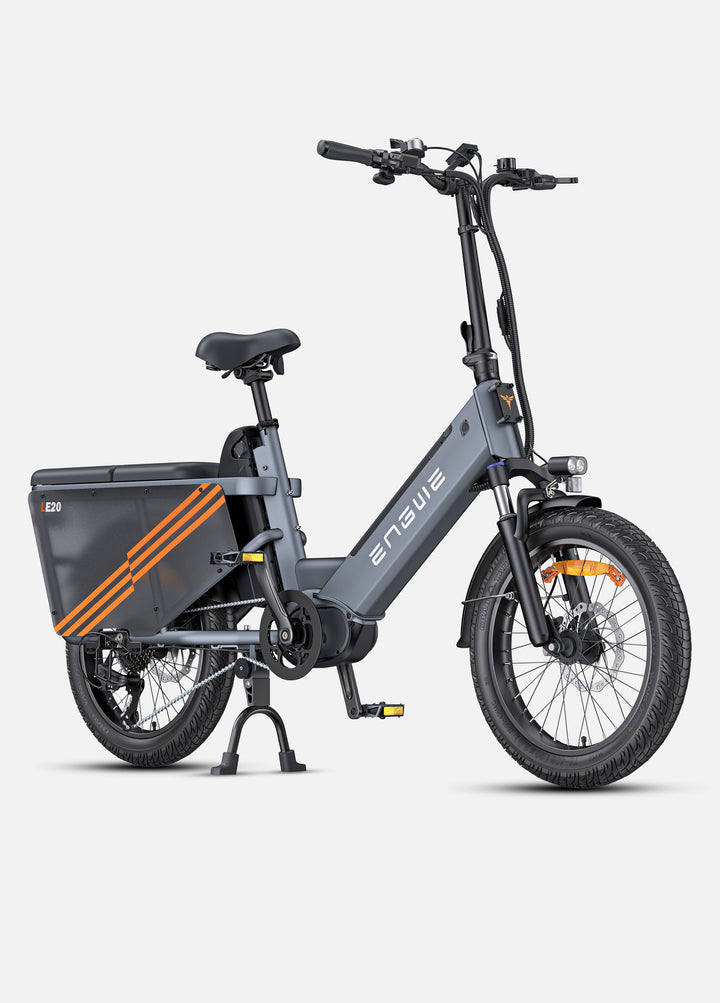
While Phoenix serves the practical commuter, riders seeking adventure, power, and modern design should look towards brands engineered for today's thrill-seekers. ENGWE stands out as a leader in this category, and its M20 model is a prime example of innovation and performance. It is an excellent choice for those who demand more from their electric bike.
Adventure-Driven Design
The ENGWE M20 is inspired by the spirit of adventure, boasting a streamlined, motorcycle-like design that commands attention. It’s built for riders who want both style and substance.
Superior Comfort on Any Terrain
A key feature is its advanced dual suspension system. With a front hydraulic shock and a rear air shock absorber, it delivers twice the shock absorption of typical ebikes, ensuring a smooth and controlled ride on city streets, bumpy trails, and everything in between.
Unmatched Range
Range anxiety is eliminated with the M20. It offers an optional dual-battery configuration (48V 26Ah total), providing a massive maximum range of 75km + 75km in pedal-assist mode. This allows for epic journeys without worrying about the next charge.
Safety and Stability
The M20 is equipped with robust 20x4.0 triple-layer fat tires that provide exceptional grip and stability. Paired with reliable 160mm front and rear mechanical disc brakes, it ensures confident and safe stopping power in all conditions.
Powerful Performance
At its heart is a brushless motor delivering 55 N.m of torque, capable of tackling steep hills and providing brisk acceleration. The Shimano 7-speed drivetrain allows for seamless gear shifting to match any terrain.
Premium Features
The bike includes a clear LCD display, a high-brightness LED front light for safety, and a lightweight aluminum alloy frame, making the ENGWE M20 a top-tier, feature-packed option for the discerning rider.


3. A Deep Dive into the Phoenix Electric Bike Model Lineup
Phoenix offers an extensive and sometimes confusing array of electric bike models, often designated by alphanumeric codes. Their lineup is best understood by categorizing it based on intended use. This wide selection ensures there is a model for nearly every type of budget-conscious rider, from the daily urban commuter to the casual weekend explorer. Understanding these categories is the first step to finding a reliable Phoenix ebike that fits your specific needs.
Urban Commuter & Foldable Series (e.g., TDE, TDL Models)
Phoenix TDE01Z/TDE11Z: These are classic examples of Phoenix's urban commuter ebikes. They often feature lightweight frames, smaller wheels (14-20 inches), and a simple, single-speed drivetrain. Their primary purpose is short-distance travel, like trips to the grocery store or a nearby office. Reliability here comes from simplicity; with fewer complex parts, there is less that can go wrong.
Phoenix TDL Series (Foldable): This line focuses on portability. Models like the TDL200Z are designed to be folded and carried onto public transport or stored in a small apartment. They typically use lithium-ion batteries and offer a decent range for their size. When checking these, pay close attention to the folding mechanism's sturdiness, as this is a critical point of wear.
Features: These models often include practical add-ons like front baskets, rear racks, fenders, and built-in lights, emphasizing their utility for daily errands.
Cruiser & Step-Through Comfort Series (e.g., "Classic" or Unnamed Models)
Retro-Styled Ebikes: Phoenix leverages its heritage by producing ebikes that look like classic bicycles. These feature comfortable upright riding positions, wide saddles, and swept-back handlebars. They are perfect for leisurely rides in parks or along boardwalks.
Step-Through Frames: Many of their models utilize a step-through or low-step frame design, making them highly accessible for riders of all ages and abilities. This design is particularly popular for its ease of mounting and dismounting, adding to its practical appeal.
Power System: The electric assistance on these models is usually delivered via a rear hub motor, providing a gentle push rather than aggressive acceleration. This aligns with their purpose as comfortable cruisers, not speed machines.
Mountain Bike (MTB) & All-Terrain Series (e.g., SH Series)
Phoenix SH-01/SH-05: These models represent Phoenix's entry into the electric mountain bike category. They feature more aggressive frame geometries, front suspension forks, and knobbier tires suitable for light trails and unpaved roads.
Component Level: It's important to note these are not designed for hardcore downhill racing. The components (suspension, brakes, drivetrain) are entry-level, suitable for recreational trail riding. Their reliability is sufficient for casual off-roading but may not withstand extreme use.
Value Proposition: For someone wanting to try light trail riding without a significant investment, these models offer a very accessible entry point.
Fat Tire Ebike Series
All-Weather Versatility: Like many brands, Phoenix has introduced fat tire models to cater to riders looking for stability on varied surfaces like sand, snow, or rough pavement. The wide 4.0-inch tires provide a cushioned ride and immense grip.
Motor and Battery: These bikes require more power, so they are often equipped with larger hub motors and higher-capacity batteries compared to their commuter counterparts. This makes them a viable option for riders in areas with poor road conditions or harsh weather.
4. Build Quality, Components, and Maintenance
The reliability of any electric bike is heavily dependent on the quality of its frame and the components attached to it. Phoenix ebikes are built to a price point, which means there is a wide variance in quality across their lineup. A savvy buyer knows what to look for to ensure they get the best possible value and durability.
Frame Materials
Lower-end models often use high-carbon steel frames, which are heavy but very durable. Mid-range and higher-end models typically use an aluminum alloy, offering a good balance of strength and reduced weight. Pro Tip: Always check the quality of the welds. Smooth, consistent welds are a good indicator of better manufacturing quality control.
Core Electrical Components
Motor: Most Phoenix ebikes use geared hub motors, which are reliable and require little maintenance. The brand of the motor is often generic, but they are generally workhorses designed for standard commuting speeds.
Battery: This is the most critical component. Phoenix uses lithium-ion batteries, but the quality of the cells inside can vary. If possible, inquire about the cell manufacturer. A battery from a known brand (like Samsung or LG) is a huge plus, though often not found on their most budget-friendly models.
Controller: The controller is the ebike's brain. Phoenix uses standard, mass-produced controllers that are functional but may lack the smooth power delivery of more premium systems.
Mechanical Components
This is where careful inspection pays off. Phoenix models often mix and match components to meet a price target. The table below illustrates common variations.
| Component | Entry-Level Phoenix | Mid-Range Phoenix |
|---|---|---|
| Brakes | Mechanical Disc or V-Brakes | Hydraulic Disc Brakes |
| Drivetrain | Single-Speed or Basic 7-Speed | Shimano Tourney/Altus |
| Suspension | Basic Coil Spring Fork | Lockout-Enabled Coil Fork |
Maintenance and Parts
Because Phoenix uses many non-proprietary, standard components, finding replacement parts like brake pads, chains, and tires is generally easy and affordable. Most local bike shops can service them without issue, which is a significant advantage for long-term reliability.

5. Real-World Performance and Value for Money
Ultimately, an ebike's reliability is proven on the road. The performance and user experience of a Phoenix electric bike are directly tied to its price, making it a classic case of "you get what you pay for." Its primary strength lies in its exceptional value proposition for a specific type of user.
Riding Experience
The ride feel is generally geared towards comfort and practicality. Acceleration is typically smooth but not powerful, and top speeds are usually limited to comply with regulations for city use. The experience is best for relaxed cruising and assisting with moderate hills rather than performance-oriented riding.
Battery Range
Stated range figures should be treated as ideal-condition estimates. Real-world range will be affected by rider weight, terrain, and assist level. For most of their commuter models, you can expect a reliable 25-50 km, which is more than sufficient for daily errands and short commutes.
Durability Over Time
With regular, basic maintenance (checking tire pressure, cleaning the chain, ensuring bolts are tight), a Phoenix ebike can be a durable workhorse. The frames are typically robust, but lower-end components like shifters and brakes may require adjustment or replacement sooner than on premium bikes.
The Core Value Proposition
The undeniable strength of the Phoenix brand is its affordability. It provides an entry point into the world of electric bikes for a fraction of the cost of many other brands. Money-Saving Tip: The best value is often found in their mid-range models. For a small increase in price, you often get significant upgrades like better brakes, a branded drivetrain (e.g., Shimano), and a lighter aluminum frame, which greatly enhances the overall reliability and riding experience.
Frequently Asked Questions
Who is a Phoenix ebike best suited for?
It is ideal for budget-conscious students, casual riders, and daily commuters who need a simple, practical, and affordable electric bike for short to medium-distance travel on paved surfaces.
What is the biggest potential weakness of a Phoenix ebike?
The most common weakness lies in the use of generic or entry-level components on their cheapest models, which may lack the refinement and long-term durability of higher-quality, branded parts.
Are there better alternatives for performance and modern features?
Absolutely. For riders prioritizing power, all-terrain capability, and advanced features like dual suspension, brands such as ENGWE offer a significantly more robust and thrilling riding experience.
Ultimately, a Phoenix ebike can be a reliable choice if you match the right model to your needs, but exploring modern alternatives is always a wise decision.