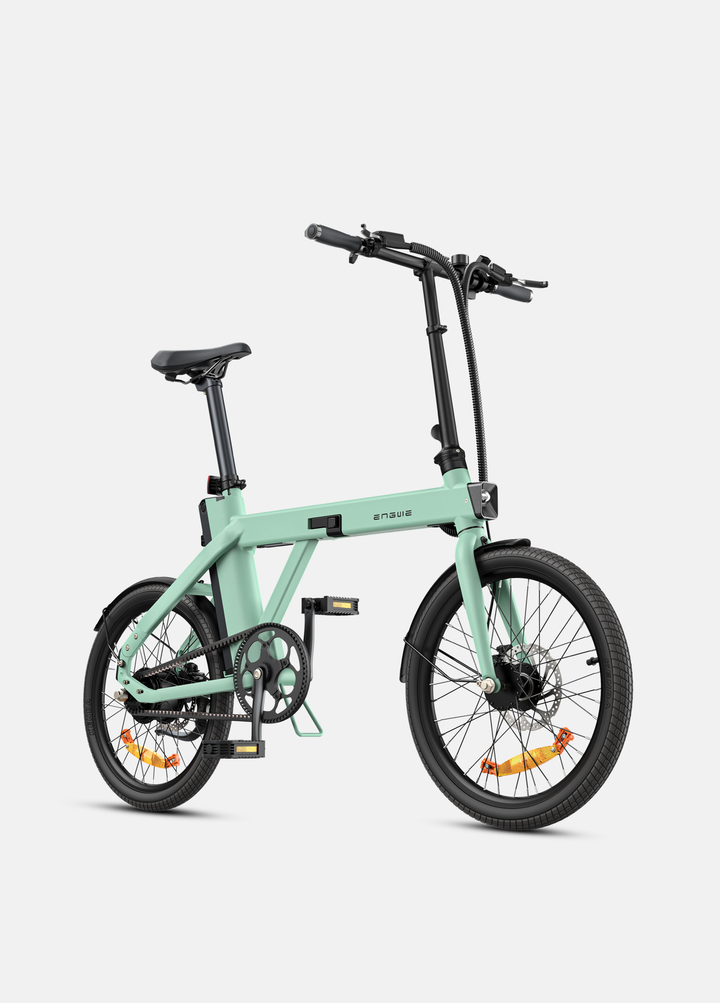
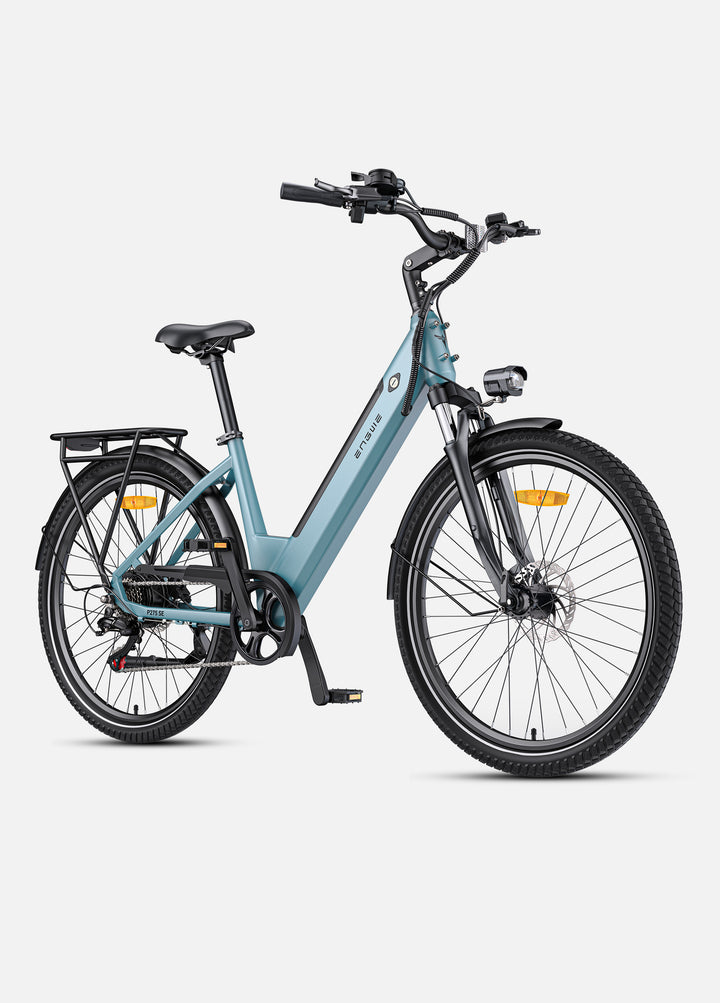
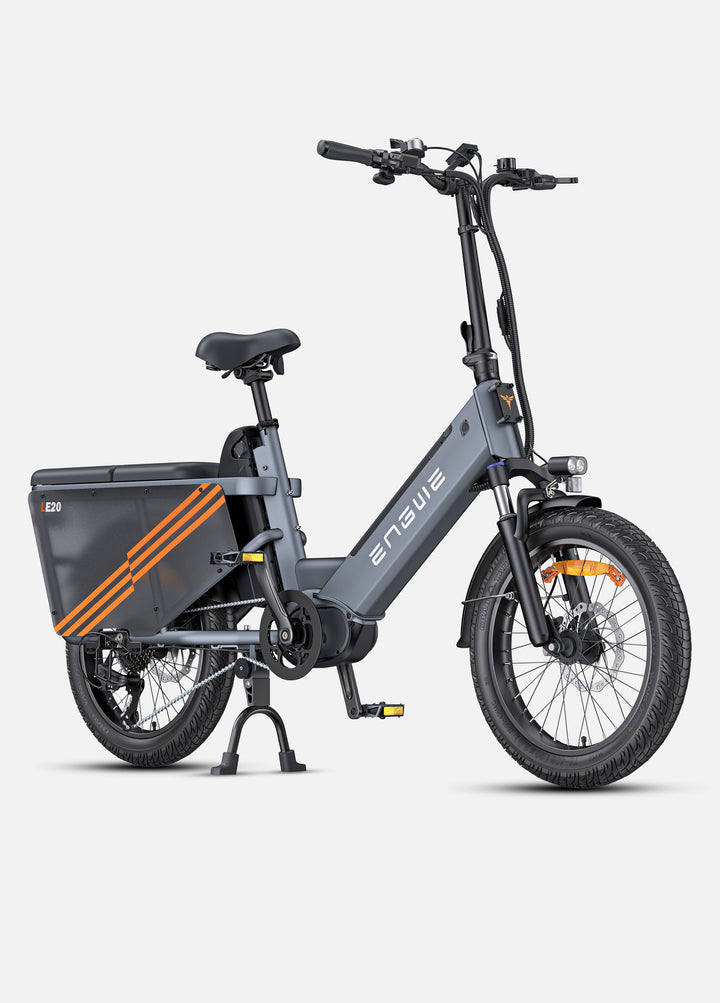
Brand Philosophies: LECTRIC vs. Evo
When it comes to choosing an electric bike brand, LECTRIC versus Evo, the sheer number of available options may seem overwhelming to a prospective consumer. This is where this guide comes in, as it will clear away the confusion. We will look into the philosophies behind the two brands, examine their model range of bicycles, study the critical technologies that propel these bikes, and outline the various practical and aesthetic factors you would use to choose your ride. By the end, you’ll be introduced to a standout option that balances power, intelligence, and comfort, guaranteeing you make the best choice that will bring you joy and convenience for miles. Firstly, it is essential to understand what underpins the core philosophy behind the names in this title. LECTRIC eBikes have taken a unique approach to accessibility, value, and transit practicality. These innovators primarily produce fat-tire, foldable electric bicycles that provide a fun and exciting riding experience without the daunting cost of entry. LECTRIC operates on a direct-to-consumer business model, as it keeps costs down and forges a consumer-friendly brand community. “Evo” is less of a standalone electric bicycle brand and is rather shorthand for the “Evo Drive System” or a model name for various reputable manufacturers. Essentially, “Evo” equates to a bicycle that comes with a specific motor and battery limited to frames crafted by well-known and respected bicycle manufacturers. They are intended to feel as integrated as possible, as their factor for electric assistance is a critical part of the ride.
Evo system/model that may refer to:
Integrated:
most commonly refers to a motor/battery system seamlessly integrated within a traditional bike frame.
Performance-based:
are likely to be installed on road, mountain, and hybrid bikes. These are the designs where the ride feel and efficiency are especially valued.
Dealer-based:
are frequently available at traditional bike shops where they are professionally assembled and serviced.
Multiple specifications:
how the Evo design can vary significantly in the specifications and quality.
A Powerful Alternative: ENGWE
ENGWE provides a unique alternative to the riders looking for a combination of power, smart features, and all-terrain comfort. This brand is focused on building folding electric bikes that redefine the concept of what is possible. One of the finest examples is a model called ENGWE Engine Pro 3.0 Boost. It is a high-performance, smart, and full-suspension folding e-bike. ENGWE Engine Pro 3.0 Boost embodies uncompromised quality in every category. Hence, it is the best option for the customers that expect maximum performance for commuting in an urban environment or adventurous riding across any terrain. The full-suspension design ensures maximum comfort for the rider, from small street cracks to rough off-road tracks – this bike will absorb it with unprecedented ease. Its intelligent features like GPS tracking and app support guarantee safety and connectivity that other models can only dream of. ENGWE has focused on perfecting every detail of this bike to make it one of the leading models in the folding e-bike market.
Model Spotlight: ENGWE Engine Pro 3.0 Boost

Powerful Performance:
With a mighty 90Nm Boost hub motor, it offers confident acceleration and can conquer the steepest of hills.
Intuitive Riding Feel:
Is equipped with an ultra-sensitive torque sensor that offers a seamless power delivery, automatically adjusting to your pedaling effort.
Exceptional Range and Fast Charging:
The high-capacity 48V 15Ah battery with Samsung cells provides a maximum range of 130 km. The 8A fast charger refills the battery surprisingly fast – in only 2 hours.
Superior Comfort:
The full suspension system provided by a front hydraulic fork and rear shock absorber ensures no bumps will be ruining your ride.
Advanced Smart Technology:
Engineered with an integrated ENGWE IoT module, their e-bike offers smart features like GPS tracking, motion detection alerts, and keyless unlocking. It is managed via the ENGWE App and has OTA wireless upgrade capabilities.
Robust Build and Safety:
Built on a foldable magnesium alloy frame, this e-bike has dual-piston hydraulic brakes, 180mm rotors, and 20” x 4.0” urban hybrid tires with a 3mm anti-puncture layer.


LECTRIC's Diverse Lineup
The Designs. Unlike many other brands of e-bike, to truly understand a LECTRIC, you must consider the diversity of their lineup, each model being purpose-built. In summary, their secret recipe for success seems to be making a bike designed to be the perfect intro e-bike option for pretty much any specific kind of entry-level or intermediate rider. In other words, a LECTRIC is more of a kind of LECTRIC than merely a fat-tire folding bike brand. A range that goes from the very first and compact folder to their fully committed heavy-duty cargo hauler, to each variation in between, is a great achievement. Here is a more complete and detailed breakdown to give you an idea of the scope of their offerings and help you decide which of these, if any, suits your needs:
LECTRIC XP 3.0 Series
This is the flagship & most all-encompassing model, in essence, the very LECTRIC of e-bikes. This is a fat-tire folding e-bike, ideal for nearly any excursion. It is tough enough for light tracks and portable enough to be stored in the back of a car boot. It is available in both a step-thru & a step-over frame. The ideal user for this model is the all-rounder. This bike is ideal for RV owners, apartment dwellers, and just about anybody else prowling for a strong, all-around, and fun e-bike that may ride a variety of trails.
LECTRIC XPedition
LECTRIC’s answer to the cargo bike craze. A rear rack with an elongated cargo area is made to carry a lot of stuff, making it one of the few bikes that can genuinely replace a car. A more powerful motor and twin battery option are also available to provide a further riding range and extra much power. Parents lugging around their kids, delivery carriers, or everyone who requires a load of groceries, devices, or other items, and doesn’t own a car are the intended users.
LECTRIC XP Lite
This is the smallest and lightest frame in this series. It is the most portable since it has a single-speed drivetrain. This bike is designed for rapid short urban trips where you could have to take it down from the stairs and carry it on public transit. Ideal User – commuters in the city known for the “last mile”, college students driving around the campus, and cyclists who like light weight and ultimate portability.
LECTRIC XPeak
The off-road version of LECTRIC. It has a more conventional mountain bike frame, more travel in the front shock absorber, and is equipped with wheels for the trail. It also possesses a more decent and confident grip while riding on soil and stones. Ideal User – trail hobbyists or simply adventurous people who want to try an affordable eMTB.
LECTRIC ONE
The latest hit on the market that represents a new technological step for the company. It is also the most expensive and has a prime position among these models. This bike owns a Torque sensor for a smooth and convincing ride. It is co-designed with a world-leading auto design. This new design allowed LECTRIC to create a more integrated and sleek bike. Ideal User – every day rider who appreciates subtlety, possibility for riding, and design from prestige brands.
LECTRIC Trike
A three-wheel vehicle by LECTRIC. Maximum stability and accessibility for the bicycle is obtained. There are no balancing considerations, and there is a large container in the back. The vehicle is also incredibly accessible and convenient to launch. Ideal user – Seniors, carriers, and people with a disability who need to move and have a large amount of cargo.
Understanding the Technology
But beyond brand and model, an intelligent choice depends on critical technical decisions that make an electric bike look and feel a certain way. These are the actual differentiators and will determine how much you truly enjoy riding the bike, how prepared you are for maintenance, and how regularly you will use it. Take the sentiment, as an example, the difference between a simple cadence sensor and the torque sensor is the opposite of night and day, one feels like an on/off switch, the other seems like a straightforward extension of the buyer's strength. To make an informed choice, you need to understand all the technology in addition to all the marketing. The following table summarizes most of the key technical decisions you will have to make:
| Feature | Specification | Option 1: Standard/Value | Option 2: Premium/Performance |
|---|---|---|---|
| Motor | Type | Hub-Drive Motor | Mid-Drive Motor |
| Sensor | Type | Cadence Sensor | Torque Sensor |
| Brakes | Type | Mechanical Disc Brakes | Hydraulic Disc Brakes |
| Battery Voltage | System | 36V System | 48V or 52V System |
| Frame Material | Material | Steel or Standard Aluminum | Lightweight Alloy or Carbon Fiber |
Motor choice
Hub motors – in the wheel – are cheap and reliable, and that makes for a great flat terrain bike. Mid-drives – at the pedals – are technically brilliant; nothing gives you better balance and hill efficiency than a motor that uses the gear you use to pedal.
Sensor importance
A cadence sensor gives power once you start pedaling. A torque sensor gives you power proportionally to *how hard* you are pedaling, meaning a much smoother and intuitive riding experience.
Stopping power
Mechanical disc brakes, for instance, do what they have to; hydraulic brakes provide significantly more stopping power and modulation while being easier to handle if you ride a heavy, speedy e-bike.
Battery power
in volts; 48V means a lot more than 36V – you have way faster acceleration and load performance.
Finally, the perfect electric bike is not just about the specs – it is about the combination of those in your life. Before getting one, you have to answer the question of how to use it. A nice bike for 500 dollars will be worthless if you are a commuter. Does it fold? It will be a hell of a problem if you have to take it up to the third floor, and there is no elevator. By simply reading the specs, you save cash and your satisfaction.

Key Factors for Your Decision
Primary Use Case
Will it be for commuting to work, leisurely weekend rides on bike paths, hauling groceries, or exploring off-road trails? Be as specific as possible.
Terrain and Environment
Specifically, do you live in a hilly city or a flat coastal town? Will you be riding in the rain? Your environment will determine the need for motor power, gear range, and features such as fenders.
Budget Beyond Purchase
You may need to consider the cost of essential accessories like a high-quality lock, helmet, and lights. Additionally, consider maintenance costs for tires, brake pads, and subsequent battery replacement.
Portability and Storage
Will you need to store the bike? Will you go up to an apartment or into a car on public transport? For many, a folding bike will make a massive difference.
After-Sales Support
How important is local service? Brands that sell through dealers provide in-person labor, while direct-to-consumer brands provide online and phone-based support. Be sure to check out the warranty conditions and the availability of spare parts.
What is the single most important component to consider?
The sensor type has the most significant impact on the 'feel' of the drive. A torque sensor offers a more refined, instinctive, and high-end experience. It is strongly recommended if you can afford it.
Are fat tires better?
Not necessarily! Fat tires are best on soft surfaces such as sand or light trails as they provide comfort and stability. However, they are slower and less manageable on the pavement. Make your decision based on your kind of ride.
How much battery range do I really need?
Find the longest round trip you can make and keep it as 30-40 percent. The range indicated is for optimal conditions: flat ground and low-power use.
Choosing the best electric bike is a matter of individual needs, desired usage, and riding approach. Ultimately, each cyclist chooses the best one for himself.