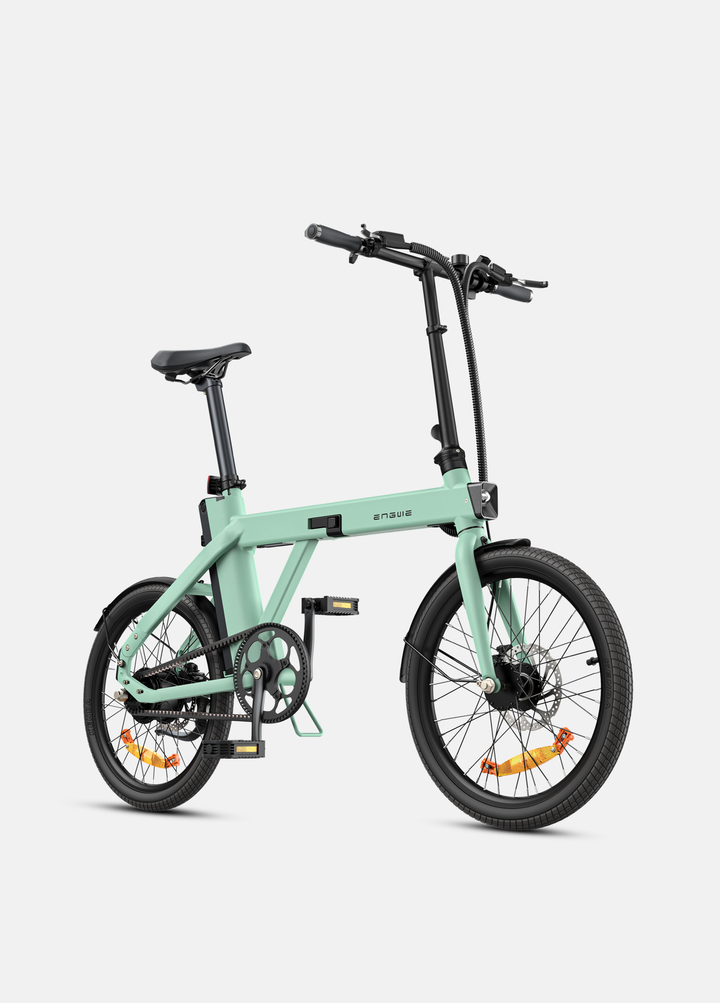
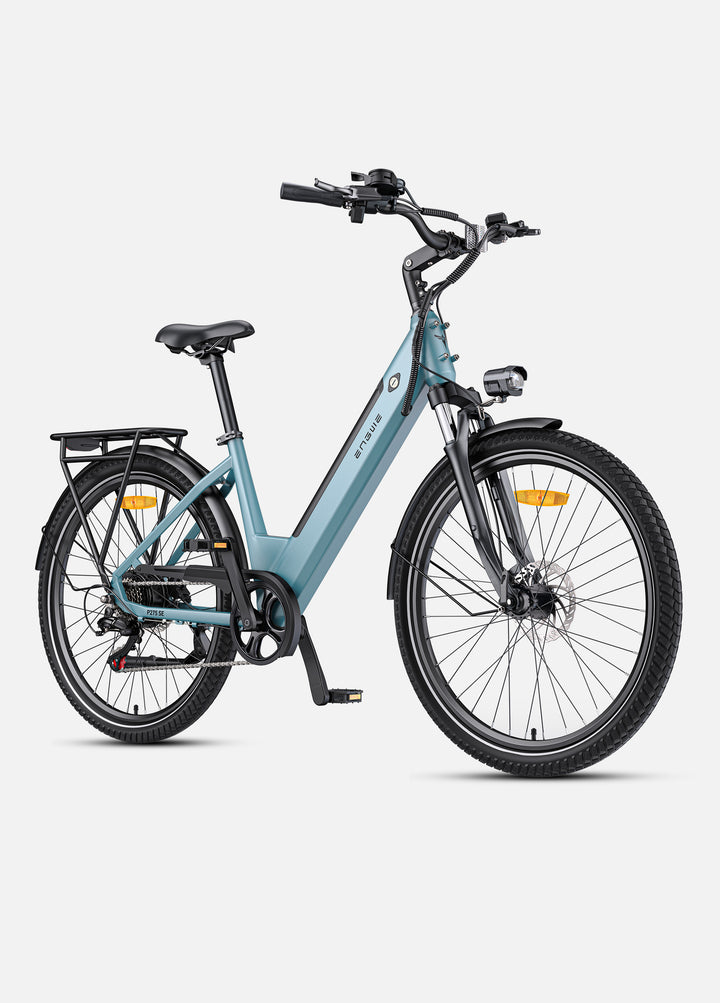
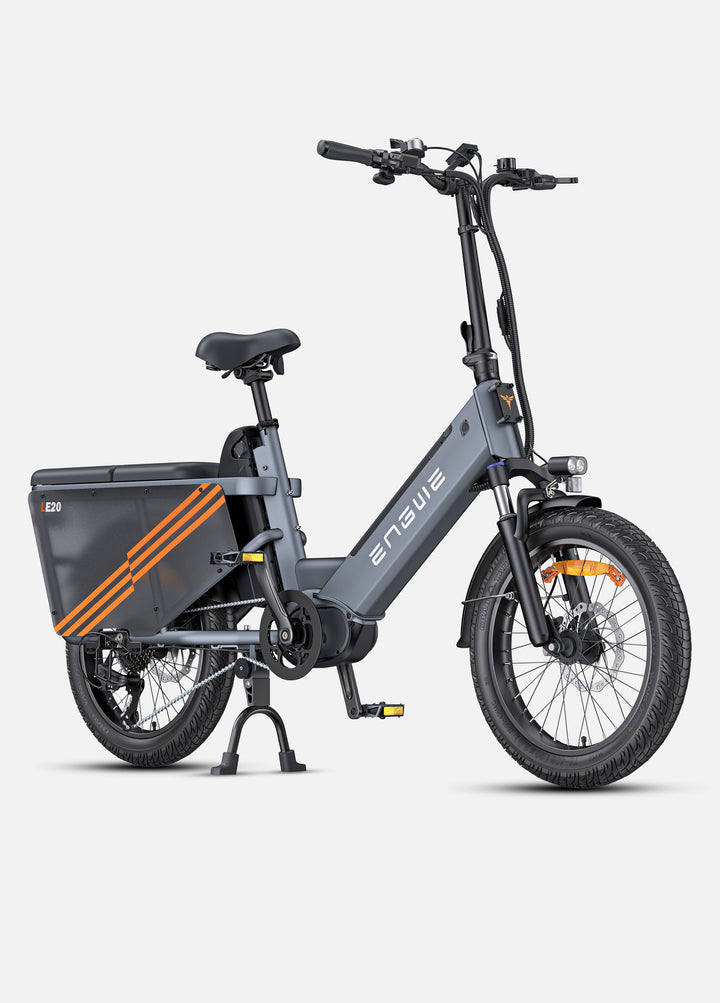
A ebike with pedals can also resemble a scooter or even a moped, but its control system is not the same. The electric pedal bikes that are still electrical still use pedaling to activate the motor and enhance efficiency, as well as range. Pedal system: it is a significant factor in the behavior of the bike on a road regardless of whether you are riding on a simple pedal ebike, a sporty fast ebike with pedals, or a kids-friendly kids ebike with pedals.
The most commonly used question asked by riders is, “Do you have to pedal an ebike”? The solution would be based on the model, local legislation, and motor system. There are bikes that act as a pedal powered electric bicycle, ones that have full throttle, and some areas permit only pedal assist ebike modes.
Learning the theory behind peddling, and when you can afford not to do it, will assist you in the correct bike to ride comfortably, fast, and across the country.

How Ebike Pedals Work
Any of the modern ebikes with pedals use either cadence-based assist or torque-based assist, and in both cases, the motor kicks on immediately the pedals begin to rotate. Cadence sensors give a predictable, steady push depending on the rotation of the pedals whereas torque sensors give you the feel of how hard can be pushed and give a more natural responsive experience.
Combined, these two systems determine the degree of an easy and smooth acceleration, climbing, and speed holding of an ebike.
Cadence vs. Torque Sensors: How They Affect Ebike Pedals
|
Feature |
Cadence Sensors |
Torque Sensors |
|
How it Works |
Detects pedal rotation only—not pressure. |
Measures how much force you apply to the pedals. |
|
Ride Feel |
Smooth, predictable assist; less natural. |
Natural, powerful assist that adapts to rider effort. |
|
Best For |
Relaxed city riding; budget-friendly electric pedal bikes. |
Hills, speed, performance-focused riding. |
|
Effort Level |
Minimal effort needed; ideal for riders who prefer an ebike with no pedals feel. |
Requires pedaling force but gives stronger, intuitive support. |
|
Where Found |
Common on affordable electric pedal bikes and entry-level pedal ebike models. |
Used in premium systems and the best pedal assist ebike designs. |
|
Performance |
Steady support but slower response time. |
Fast response; often used in the fastest ebike with pedals. |
|
Riding Style |
Good for cruising and flat terrain. |
Excellent for climbing, accelerating, and variable terrain. |

Do You Have to Pedal an Ebike?
Most riders won’t need to pedal hard, but whether you must pedal depends on the bike type:
1. Pedal Assist Only (Class 1 & Some Class 3)
These are pedal powered electric bicycle models. Peddling is necessary to propel the bike since it does not have a throttle. They provide a natural feel of riding and are generally the most popularly legal in cities and bike lanes.

2. Pedal + Throttle (Many Hub-Drive Ebikes)
These bikes are provided with throttle or twist grip. You do not need to peddle while riding and this makes them act like an ebike with no pedals mode. The peddling however is more sustaining to battery life. This is a favorite of commuters who desire to have the option of relaxing peddling and vigorous riding.

3. Off-Road & High-Power Models
Some powerful models (often labeled fast ebike with pedals) allow throttle-only operation beyond legal limits when used on private property. Even then, pedaling helps maintain higher speeds. These bikes cater to riders wanting extra power for hills, trails, or performance-style riding.

Best Ebikes With Pedals – Top Picks
These models have easy pedaling functionality, stable e-bike pedals, and responsive assist to commute daily or to ride on weekends.
1. ENGWE E26 – Long-Range 250W All-Terrain Explorer
The ENGWE E26 is built for riders who want a stable, comfortable, and long-range 250W ebike that performs well across mixed terrain. Its fat tires, upgraded suspension, and hydraulic brakes give it confident control on rough surfaces, while the 48V battery delivers extended mileage for daily commuting or weekend adventures.
Designed for versatility, the E26 suits riders who need reliability without compromising legal compliance.
Key Features
-
48V 16Ah removable internal lithium-ion battery
-
26×4.0" all-terrain fat tires
-
Dual suspension system for smoother rides
-
180 mm front & rear hydraulic disc brakes
-
30° hill-climbing capability


2. Aventon Level.2 – Premium Torque-Sensing Pedal Assist
One of the most sophisticated models in the category of pedal assist ebikes is the Aventon Level.2 which is a product with both a torque-senseable smoothness and city usefulness. It has a predictable power, high hill performance, and can be fitted with a clean frame-integrated battery.
Ideal in the case of riders seeking the effects of natural pedaling without extra expense of speed or responsiveness.
Key Features:
-
500W motor with torque sensor
-
Class 2/3 assist up to 28 mph
-
Hydraulic brakes
-
Integrated lights + fenders
-
Long-range 48V battery

3. Rad Power Bikes RadCity 5 Plus – Comfortable Pedal-Friendly Urban Ebike
The RadCity 5 Plus offers a strong cadence-based ebike pedal assist system and a comfortable and upright riding position. It is simple to ride, easy, and it has smooth acceleration to ride to work, go on errands, and even on leisure rides.
Its motor is also smooth, and it is regarded as one of the best choices of motorcycles when the rider needs to rely on its support and travel distance.
Key Features:
-
750W rear hub motor
-
Up to 50+ miles range
-
Hydraulic brakes
-
Upright ergonomic geometry
-
Step-through and high-step versions

4. Lectric XP Step-Thru 3.0 – Folding Ebike With Powerful Pedal Assist
The Lectric XP Step-Thru 3.0 is lightweight and has a robust pedal assist which makes it an ideal bike to use by riders who desire to store their bike in a small area without losing the speed or performance.
It also provides throttle and PAS, fat tires to provide stability and the motor system is responsive and can be used in the city or for recreational purposes.
Key Features:
-
750W hub motor (1000W peak)
-
Foldable design
-
20×3 or 20×4 fat tires
-
Hydraulic brakes
-
PAS + throttle included

Do You Have to Pedal an Ebike? (Legal + Practical Explanation)
In most jurisdictions, to be categorized as a ebike pedals, electric pedal bikes, particularly those Class 1 and Class 3 e-bikes that have to have their bike pedal assist rather than the throttle. Even a e-bike with pedal is required to retain pedals to be considered as a pedal operated electric bicycle in the streets.
In effect, any pedal powered ebike with or without a throttle can be made more efficient, extended in range, and capable of climbing hills, thanks to peddling. Even a fast ebike with pedals having pedals or the fastest ebike having pedals still requires use of pedals to provide smooth faster speed and more efficient motor support.
Off-road environments can permit temporary use of the ebikes without the pedals, but regulations in the public roads insist on the presence of functional pedals.

Conclusion
Most riders don’t have to pedal all the time, but every ebike with pedal assist performs better, lasts longer, and stays road-legal when pedals are used as intended. W
hether you want a relaxed cruise, athletic workout, or a balanced pedal bike feel, modern systems—from simple cadence setups to advanced ebike pedal assist sensor torque systems—deliver smooth, intuitive support. Even kids ebike with pedals models follow the same logic: pedaling keeps the ride safer, more predictable, and compliant with local laws.
Frequently Asked Questions
Do you have to pedal an ebike at all times?
No. Throttle operated models are in many ways able to move without peddling, although they are more efficient and climb hills with peddling, and remain roadworthy in most jurisdictions.
Are ebikes allowed to operate with no pedals?
In some off-road or private-property cases only. The common laws of the road demand that pedals are in place, even when using a no pedal ebike.
Does pedaling make an electric bike faster?
Yes. In a pedal assist ecobike, the pedaling aids the motor to sustain a higher speed in a more fluid manner, particularly on hilly terrain, and the ride is more effective than when just using the throttle.
What type of pedal system feels most natural?
Torque-driven systems have the most natural, responsive ride, which is best in the best pedal assist ebike models, and cadence systems are the best fit with relaxed riders who want unwavering support.