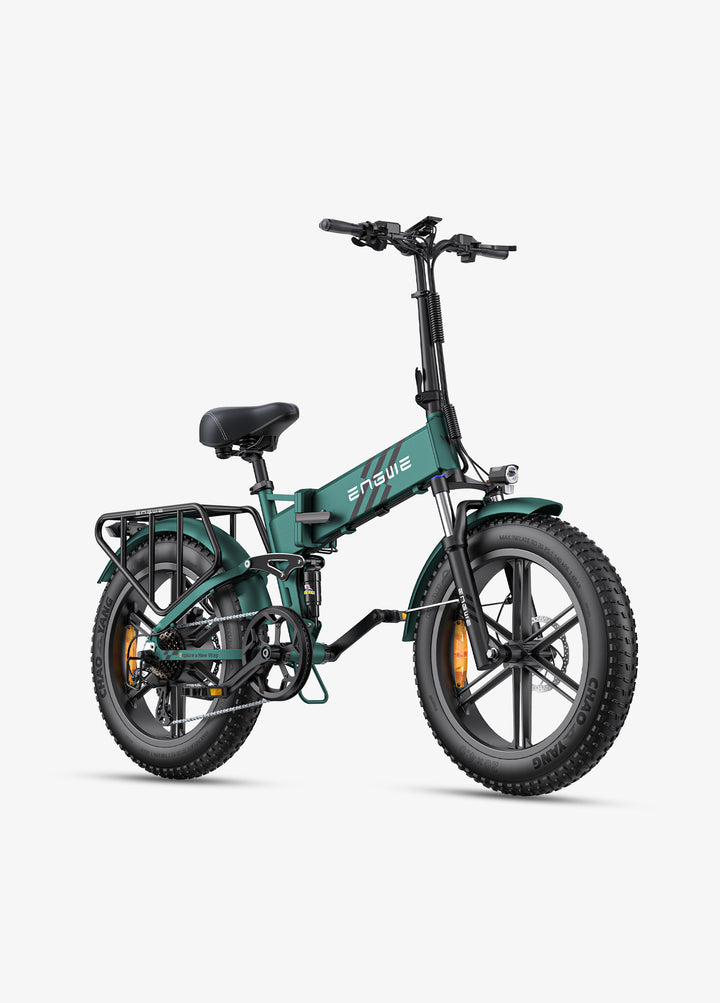
Riding your bike on wet pavement, loose gravel, or rough terrain requires having the right tires, brakes, and bike that can cope with the varying terrains. A fat tire ebike comes with wider tires that could add comfort and grip in loose terrain. Therefore, it is recommended for people who ride their bicycles off-road.
The choice of the model should not be based solely on the tyre sizes. Suspension, motorized assistance, battery life, the type of frame, and posture of the body affect the comfort level and the ability to control the bike. Below is a list of 6 bikes depending on different types of rides.

6 Fat-Tire E-Bikes for Different Riding Conditions
This is determined by the nature of cycling that one wishes to engage in. Consider how many times one will have to handle rough terrain, whether there will be any need for space, and whether assistance is needed to go up the inclines.
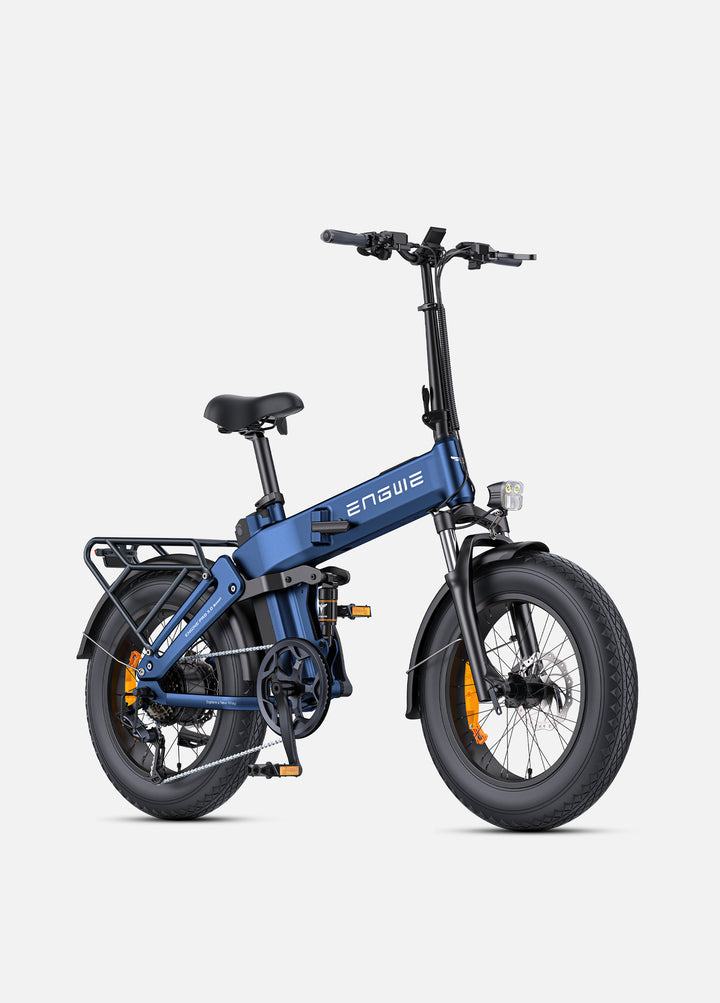
1. ENGWE Engine Pro 3.0 Boost
The ENGWE Engine Pro 3.0 Boost is an ideal choice for those riders who want a folding bicycle that can be used both for daily commutes as well as leisure trips. The suspension mechanism ensures that shocks are absorbed, and the torque sensors vary assistance according to the rider's pedaling effort.
With 20×4.0-inch tires, it provides a good contact area on different types of terrain. This ENGWE fat tire ebike is suitable for riders who switch between urban and outdoor routes.


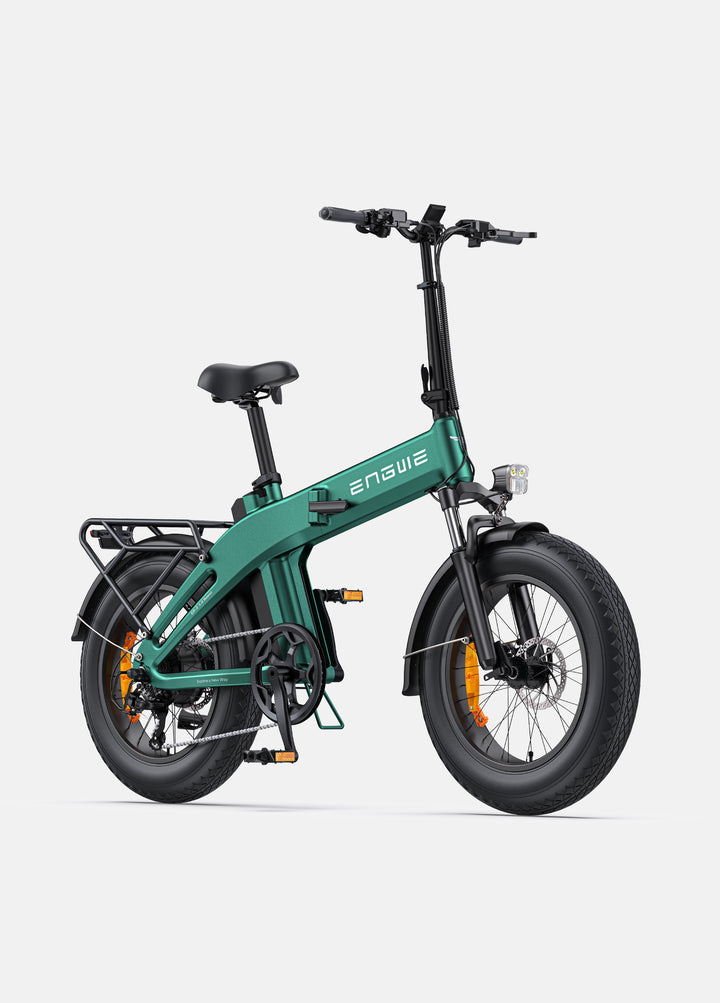
2. ENGWE EP-2 3.0 Boost
ENGWE EP-2 3.0 Boost is highly recommended for anyone seeking to buy an e-bike that will serve them in terms of commuting as well as riding for recreation purposes, even on some of the trails.
It comes with a folding bike frame, which makes storage much easier, and also wide tires that can ride on gravel as well as soft dirt. It has a 250W motor with 55Nm torque. This 20 inch fat tire ebike will be great for you if you desire a more storable bike than others.


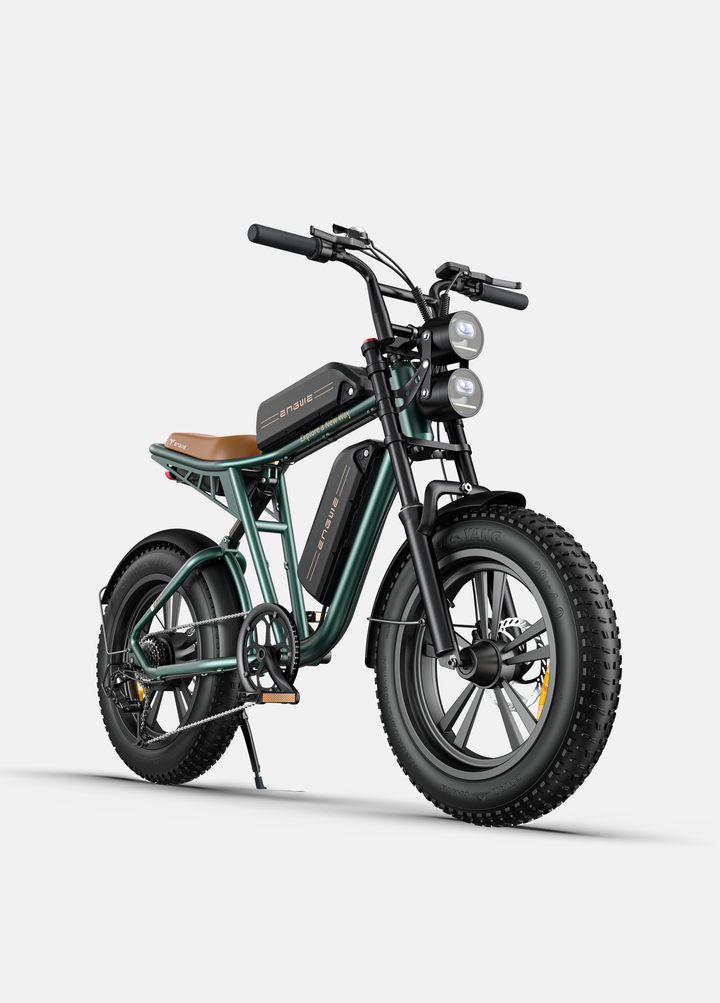
3. ENGWE M20
The ENGWE M20 bike is made with a moped-style frame for individuals who desire a distinct design for fun rides. It has a suspension system, making it easy for the shock absorbers to do their job well, and it also comes with wide tires that offer comfort during the ride on a good trail.
The 250W brushless motor and 55Nm torque ensure that the bicycle is suitable for a fun ride on suitable tracks. Individuals should take into consideration the difficulty level of the trail before using such bikes.


4. Rad Power Bikes RadRover 6 Plus
RadRover 6 Plus is a fat-tyre e-bike made for riding on gravel trails, compact dirt, and bumpy city roads. The upright position of the bike is good for recreational riding, and wide tires will reduce shock from the road surface.
The presence of front suspension will increase comfort on bumpy terrain, and hydraulic disc brakes with hydraulics will ensure controlled braking.

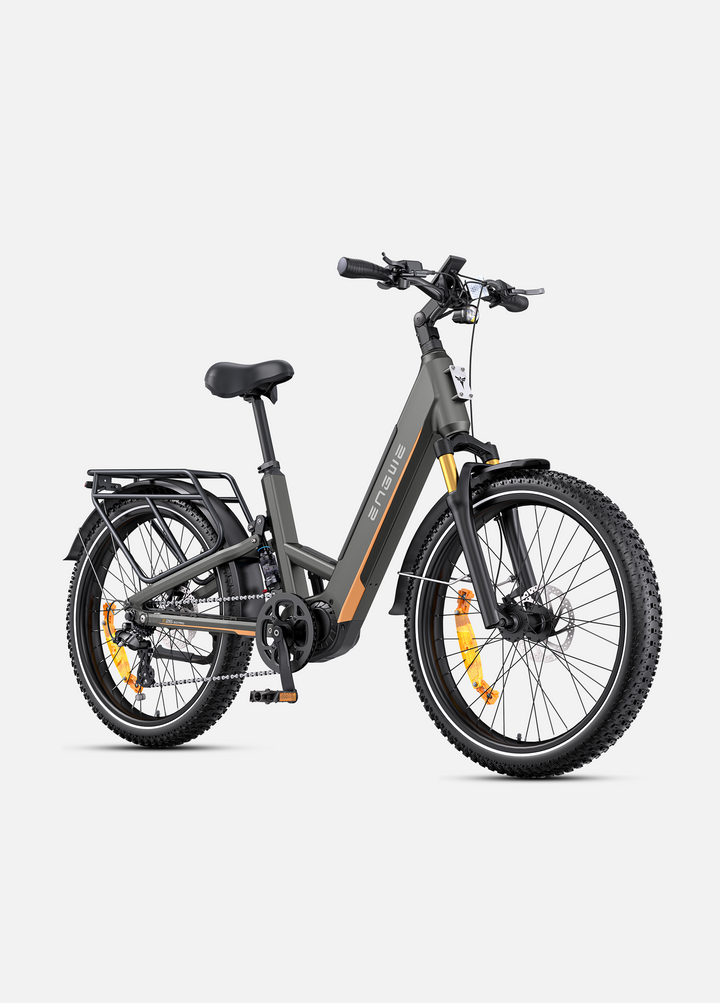
5. Mokwheel Basalt 2.0
This Mokwheel Basalt 2.0 is specifically intended for people who seek the adventure of riding on terrain other than paved roads. The broad tyres of this bike, along with the front suspension, will be suitable for leisurely trips on rough, hard-surfaced tracks.
The Mokwheel Basalt 2.0 can also be interesting for people seeking a different option from a folding bike. However, for rugged mountain trails, one should evaluate the performance of this bike against that of trail bikes.

6. Aventon Aventure.2
Aventon Aventure.2: For recreational rides, rough tracks, and daily commuting. This bicycle is equipped with a shock absorber and fat tires to make the ride smooth on rough surfaces, and it also has built-in electronics that allow you to adjust assistance.
When comparing the specifications of various bicycles, do not take into account only the power of the motor – think about the total weight of the bike and its fit.

What Matters for All-Weather Fat-Tire Riding?
Wide tires increase grip on certain types of loose or soft ground, but this does not mean that such tires will make handling easier under any weather conditions. In case of wet roads, mud, or slippery tree roots, riders need to brake carefully and have the right tread on their tires.
A full suspension fat tire ebike will help you feel more comfortable when moving over the same bumps, while front suspension is enough for gravel roads and normal roads.
The motor setup also plays an important role in shaping the riding experience. For instance, the mid drive fat tire ebike locates its motor close to the bike’s crank, and it can operate using the gears on the bicycle. The dual motor fat tire ebike offers extra power in certain situations, but it is heavier and more complex.
Just like that, there is a 1000W fat tire ebike that has a capacity of 1000 W in certain regions, and it should not go without saying that you have to pay attention to the regulations concerning power and speed when buying an ebike. The wattage of the motor cannot serve as the sole factor in terms of capabilities of handling of the ebike.
When it comes to comparing ebike fat tire, you have to pay attention to many factors. These factors include tire pressure, tread and the surfaces you ride the e-bike on.

How to Choose the Right Fat-Tire E-Bike
- Match the terrain: Select the right tyres and suspension depending on whether the terrain will be mostly paved, gravel, or dirt. A fat tire mountain ebike may work well with all three, but proper mountain bike geometry is crucial for technical terrain.
- Think about portability: A folding fat tire ebike equipped with fat tires will be useful when there is less space available. Fat tire folding ebikes and foldable fat tire ebikes are somewhat similar concepts, although the folding mechanisms are different.
- Ensure you set a practical budget: If looking for a fat tire ebike under 1000, consider what is included in the price and the warranty support provided by the manufacturer of replacement parts. It does not mean that the best budget fat tire ebike will be the best one for you.
- Focus on the safety factor: Consider the brakes, frame size, tyre tread, and suspension rather than the maximum speed. The fastest fat tire ebike might not be the best choice when it comes to wet conditions and narrow paths.
- Evaluate the cost-effectiveness: Look up independent fat tire ebike reviews to learn more about its practical range, durability, maintenance, and comfort. Ensure that the specifications of the bicycle correspond to the model available in your region.

Conclusion
The proper fat tire ebike will depend on your routes, comfort level, and requirements for portability or off-road capabilities.
The best way is to compare tyres, suspensions, brakes, battery capacity, and customer service support, instead of considering just one parameter. Proper gear and adjustment of speed according to weather are always critical.
Frequently Asked Questions
What Is the Best Fat Tire Ebike for All-Weather Riding?
What Is the Best Fat Tire Ebike for All-Weather Riding?
The best fat tire ebike is determined by your route, tire tread, brake system, and suspension. Large tires will be helpful when cycling in a sloppy area, but no tire will assure you of traction on slippery surfaces like wet roots and ice.
Can a Fat-Tire E-Bike Be Used on Mountain Trails?
Can a Fat-Tire E-Bike Be Used on Mountain Trails?
Yes, certain fat tire electric bikes can ride on gravel tracks and trails to an extent. For steeper trails and technical terrain, take into consideration the bike’s geometry, suspension travel, and braking capability, among others.
Are Folding Fat-Tire E-Bikes Practical for Daily Use?
Are Folding Fat-Tire E-Bikes Practical for Daily Use?
A folding fat tire ebike will come in handy if you have space problems for storing the bicycle or when moving it around. But since fat tires and folding mechanisms may result in increased weight, it should be considered as well.
What Should I Check Before Buying a Fat-Tire E-Bike?
What Should I Check Before Buying a Fat-Tire E-Bike?
Compare the engine, battery capacity, tyre wear, brake system, suspension, maximum weight capacity, warranty, and parts supply. Make sure to comply with local laws and ensure the bike specifications correspond to the regional model.