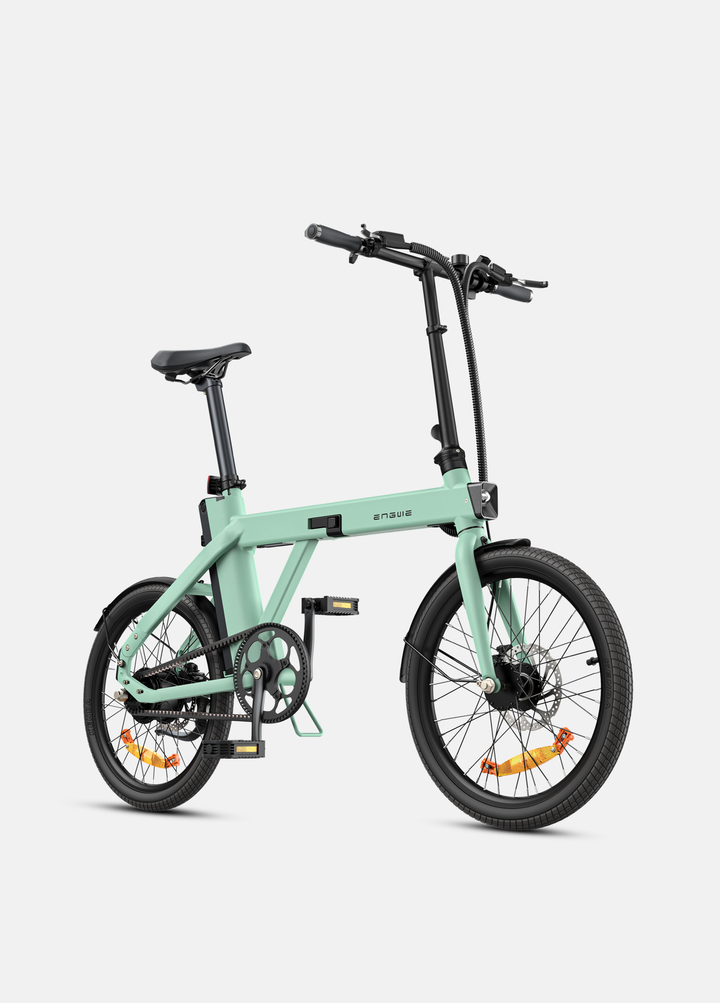
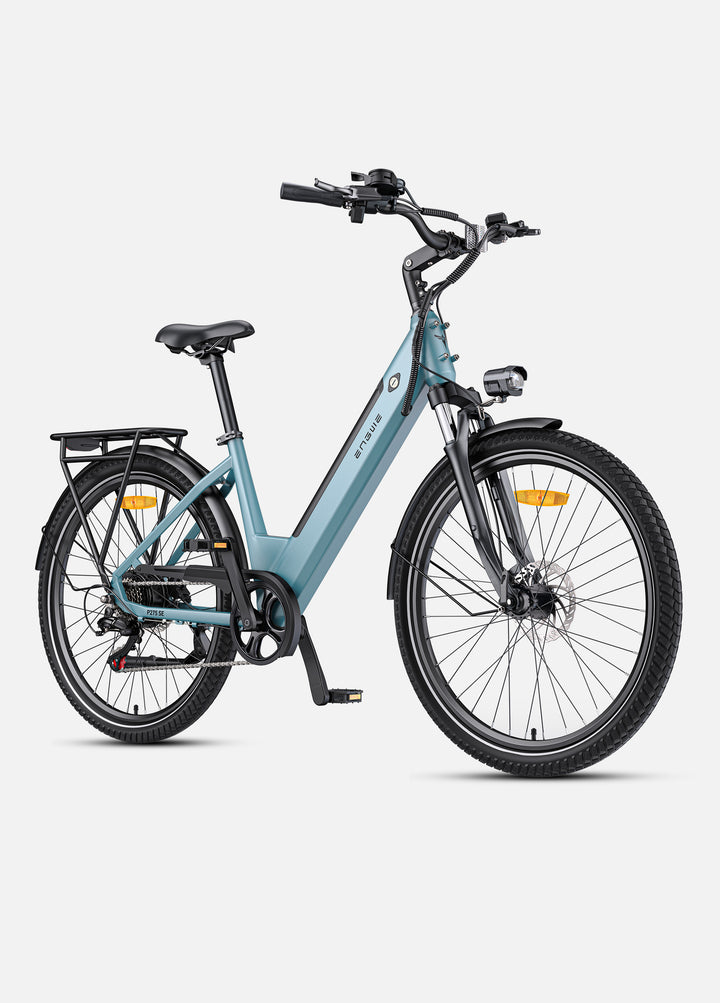
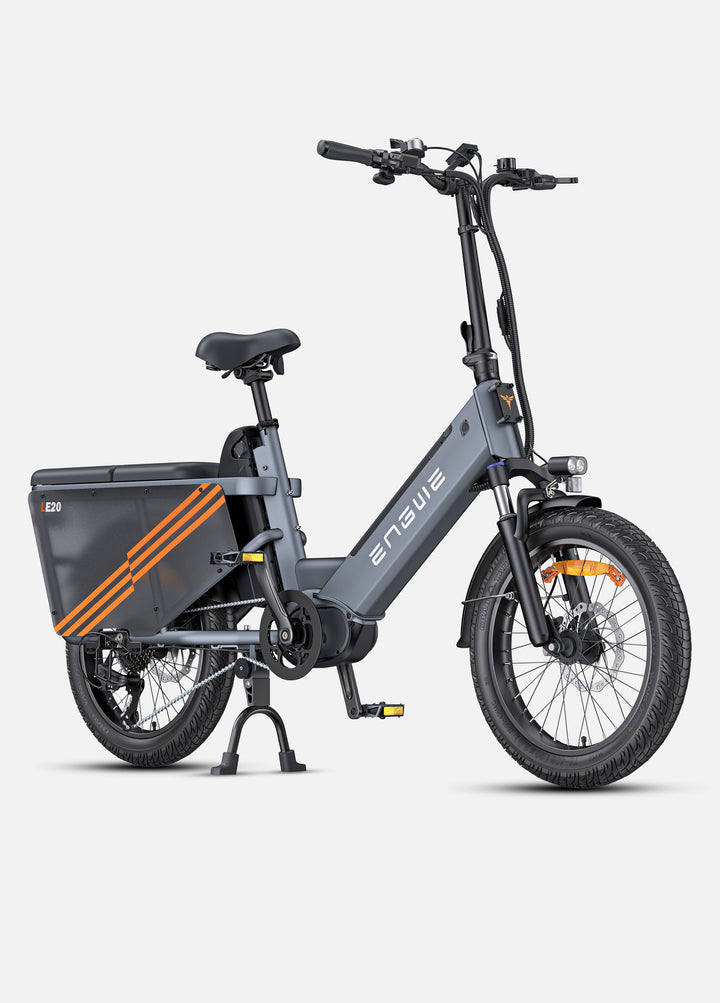
Riding a fat tire ebike is fun enough on its own, but your escapade really becomes an epic, extraordinary ride when filled with dirt, mud, and water. A decent set of fenders is the best investment you can make to improve your comfort and protect your bike’s drivetrain for all-weather use. This guide will lead you through the most important aspects of material, coverage, and compatibility, while also providing a list of the top choices to help you make an informed decision when on the hunt for the best fenders for your fat tire ebike.
Choosing the Right Fender Material
The basis of a good fender is the material that it is constructed with, and it can make all the difference in how long it will last, its weight, and performance shape. The right material selection is a combination of your riding conditions, price range, and the way you want to look. Plastic fenders, which tend to be the cheapest and most flexible material, are the most popular options on new bicycles, but it is important to choose high-quality plastic ones—make sure that they have some form of metal bracket like on many mountain bike models—so they won’t crack prematurely. Metal fenders, meanwhile, provide better stiffness and have a more premium aesthetic but that can also mean they’re heavier. Knowing these trade-offs is the first step in making an intelligent purchase that will last you for years and save you money as you won’t have to replace it.
Polycarbonate and High-Impact Plastic
This is what most safety glasses are made out of.
- Pros: Lightweight, very flexible (doesn’t dent easily), usually the least expensive choice.
- Cons: Prone to becoming brittle with extended UV exposure, and can vibrate more than metal fenders.
- Quality Tip: Try to find fenders created from UV-immune polycarbonate. That little detail right there makes a huge difference in the life of your fenders, keeping them from getting brittle and breaking once you’ve spent a season out in the sun.
Aluminum
A popular option for a high-quality, lightweight, and durable mudguard.
- Pros: Great strength-to-weight ratio, naturally rust-resistant, and provides a super sleek, stiff shape.
- Cons: Not as forgiving on impact as plastic—can be dented or permanently bent.
- Installation Note: Aluminum stays can typically be bent (with hand strength only, i.e., not a calibrated bending tool) for a more custom fit after installation.
Steel
The strongest and most rugged of the bunch.
- Pros: Ultra-durable, highest structural integrity, most rock and debris protection.
- Cons: Heaviest option, and if the powder coat or paint is chipped, it can be prone to rust.
- Maintenance Tip: Choose fenders with stainless steel mounting hardware every time. This helps prevent the bolts from seizing up and rusting in the future when you need to make adjustments or take them off.
Fender Design: Coverage and Compatibility
Aside from material, the design of the fender—coverage and width—is key in protection. The idea is to keep water and mud from being kicked up onto you and your electric bike's vital drivetrain components. One of the most frequent errors is choosing a fender that is too narrow for a tire, which then allows water to spray onto the sides. The right fit enhances protection and achieves the smooth contours that make your fat ebike even sexier. Think about your normal riding conditions. Everyday commuters require more protection than casual trail riders.
Crucial Fender Width
The largest factor of effectiveness in this.
- Golden Rule: Your fender should be between 10-15mm wider than your tire. For a 4.0 inch (101mm) tire, the fender should be 110-115mm or wider.
- Measuring your Tires: To find the true width of your tires, simply measure them when aired up to your preferred tire pressure, because tire tread patterns are all different.
Style and Coverage Level
- Full-Length Fenders: As the name implies, these ones protect from top to bottom. They are often attached to the frame's eyelets and descend from the fork crown at the front down to near wheel level, and reach out far around the seat stay bridge down in back. They are your go-to for keeping your bottom bracket, chain, and front derailleur clean.
- Clip-On Fenders: These are shorter and generally mount to the seatpost (rear) and the downtube or fork arch (front). These thrifty fenders are easy to install and remove and offer moderate protection by keeping direct spray off your body. They’re a fine choice for bikes that lack fender mounting points.
You’ll want to perform a comprehensive compatibility check before you buy them to keep the installation headaches at bay. Fat tire electric bikes are available in multiple frame shapes and not all mudguards will fit every bicycle, even when they list the correct wheel size. A once-over of your bike’s frame and fork to check out where you can mount things will only take a couple of minutes, but it’ll help avoid spending cash on something you can’t bolt up safely, securely, and properly. A properly-installed fender is silent and effective; a poorly fitting fender can rub against the tire, rattle, or even fail. Critical check points are summarized in the table below.
| Component | You Should Look At | Possible Solution |
|---|---|---|
| Frame/Fork Fixing Points | Check for small tapped holes (eyelets) on Frame/Fork dropouts. | Install P-clamps or use fender models with strap-on systems. |
| Tire Width & Diameter | Be sure to confirm from the product detail page. | Buy fenders made for that specific size. |
| Suspension Fork | Look for mounting points on the fork arch or lowers. | Seek out suspension-specific fenders or adapter kits. |
| Frame Racks | Prevent fender stays from contacting rack mounts. | Some fenders include stays that are designed to work with racks. |
Installation Checklist
- Eyelets: Determine whether your bike has threaded eyelets near the front and rear axles, as well as on the seat stay and chainstay bridges. Having these built-in makes fitting full-coverage fenders much easier.
- Brake Clearance: Make sure the fender stays (the metal attachment arms) won't hit your disc brake calipers.
- Clearance to Drivetrain: Ensure the fender line does not interfere with the chain in the lowest gear.
- DIY Installation Note: During installation, please thread all bolts and attach all stays loosely at first. This allows you to center the end of the fender directly over the wheel and get perfect clearance before fully securing everything.

Top Fender Recommendations for Your Fat Tire Ebike
For a perfect fit and quality that won't be compromised, you want to begin your search for accessories with those that have been created by your bike's manufacturer.
Official ENGWE Accessories

Official ENGWE Accessories: Click here to find a rich variety of accessories.
Buy NowENGWE, as a leader in e-bikes, knows its products best. Using official ENGWE accessories prevents any compatibility issues while ensuring that your bike remains smooth and intense. These mudguards are specially designed for the individualized frame design and tire clearance of ENGWE bikes, so you do not need to guess and worry about compatibility. This no-middle-man, directly-from-the-source-to-you approach is not only cost-effective and provides peace of mind but also guarantees that the materials and construction quality meet the high standards you expect from an electric bike. For riders who want stability and a factory-installed look, its own accessories line is the best choice. See the entire line of durable fenders and other great accessories customized to your bike on our official store.

If you are considering universal options or have a bike from another company, rest assured that there are many notable brands that specialize in top-notch fat tire fenders that will fit many bikes. Both of these brands are renowned in the cycling industry for their quality construction and design, durability, and solid performance in the worst conditions. They come in a range of styles between full-coverage models for use in the urban jungle and minimalist, quick-release versions suited to shredding trails. These are well-known companies, and investing in their product means you get a properly engineered fender to hold up against the rigors of fat tire e-biking.
SKS Germany Fatboard Fender Set
Well-known for their quality Chromoplastic and rugged construction. Somewhere between race and mud fenders, they usually come with a quick-release mounting system which is perfect for bicycles that are without traditional fender eyelets.
Planet Bike Big Buck Fat Bike Fenders
An industry standard, these are constructed with nearly indestructible polycarbonate and provide great coverage. Their hardware is both rugged and solid, and they perform rattle-free.
Portland Design Works (PDW) Mud Shovel
A favorite choice that looks cool, particularly with fat tire ebikes that have a mountain bike lineage. It includes a downtube-mounted front fender and a seatpost-mounted rear fender for quick, tool-free mounting.
Mucky Nutz Fat Face & Butt Fender
Also for the minimalist, these ultralight flexible plastic guards are attached with basic hook-and-loop straps. They provide crucial spray protection for your face and rear but without the mass of full fenders.
Where to Purchase
These brands are available at nearly all major online stores, like Amazon; specialized cycling websites such as Jenson USA and Competitive Cyclist; or visit your local independent bicycle store.

Frequently Asked Questions
What are the benefits of full-coverage fenders?
Full-coverage fenders provide the best overall protection, keeping you dry from splashes and grit, but also protecting important electric bike components like the motor, battery connections, and drivetrain from dirty spray that causes wear on them over time.
Can I put fat bike fenders on a bike with a front suspension fork?
Yes, but you need a fender designed for a suspension fork. These usually attach to the brace/arch of the fork, or utilize special straps so that when the suspension compresses, the fender isn't hit by the tire.
Is it better for a fat tire ebike to have plastic or metal fenders?
It depends on your priority. Lightweight plastic fenders are flexible and resistant to denting but can become brittle with UV exposure and may vibrate more. Metal fenders offer superior rigidity for a quieter ride and a more premium look, but they are heavier and can be permanently dented or bent from impacts.
A good set of fenders will allow you to convert your ride into an all-weather, year-round commuting or touring machine.