When you're retired, there's a whole lot of freedom out there — and an electric bike is the best way to experience it. This new type of cycling is supercharged — hills and long distances are suddenly easy, for everybody. But how can you afford this thrilling investment when you’re on a retirement budget? This guide is an easy-to-follow step-by-step plan on how to purchase your dream e-bike without breaking the bank, in 5 different dimensions of your finances. Here’s a look at how you can plan, save, and buy your next ride smartly.
1. Foundational Budgeting and Financial Assessment
Before you start daydreaming about the open road, you'll want to take an honest look at your financial reality. A dream e-bike is possible when you establish a good financial plan for it. This is not just about staring at the sticker price, but rather understanding your total cost of ownership and how it fits into your retirement budget. With careful planning, you can create an investment in your health and freedom – not a burdensome expense. A transparent budget takes the worry out of money and allows you to buy with confidence.
- Break Down Retirement Income Streams: Add up your known, anticipated non-work income sources — pensions, Social Security, investment dividends, and any part-time or other work. This helps you see an overview of monthly cash flow.
- Perform a Spending Audit: Follow your expenses for a month or two and see where you can reduce its costs. Small savings on subscriptions, meals out, or other non-essentials have a way of adding up quickly into the budget for an e-bike.
-
Run the numbers on total cost of ownership: The acquisition is just one part of the cost matrix. You also will have to plan for the accessories and maintenance that are essential.
- Protective gear: A good helmet, bright lights, and a reflective vest are must-haves for safety.
- Security: Make sure your investment is protected with a sturdy U-lock or chain lock.
- Maintenance: Allocate for a portion of annual tune-ups and tire purchases and any potential repairs.
- Name Your Savings Goal: You might call your savings account "E-Bike Fund." Automate a monthly transfer, no matter how small the amount, to gain momentum. Being able to see this fund grow will also be a good motivational factor.
2. Using Rebates, Grants, and Health incentives
You don’t have to pay for your electric bike entirely with your own money. There are a wide range of programs specifically designed to make e-bikes more affordable, many of which are targeted at retirees who want health benefits and sustainable transportation. And by sourcing these funds, the cost can come down significantly, which makes getting in on the premium end a lot more affordable. The trick is to be proactive in your search, because a lot of these programs are local and don't get the kind of advertising that nationally available scholarships do. A couple of hours spent searching online, or a couple of calls and notes, could save you hundreds of dollars.
- Government E-Bike Rebate Programs: Numerous cities, states, and counties have rebate programs to incentivize e-bike use. Pro-Tip: Search for terms like “[Your City/State] electric bike rebate” or “e-bike purchase incentive” to discover local programs. These can be first-come, first-served, so timing matters.
- Health and Wellness Incentives: Ask your health insurer or the administrator of your Medicare Advantage plan. Some plans include wellness stipends or reimbursement for anything that contributes to your health and fitness, with an e-bike often qualifying because it can encourage physical activity.
- Utility company programs: In select areas, local electric utility companies may offer rebates on new electric vehicles and occasionally e-bikes as well. Visit your utility company’s website and look under “rebates” or “sustainability.”
- Non-Profit and Community Grants: Find local non-profits that are geared towards senior health, mobility, or the environment. They might also provide grants or assistance programs to help retirees purchase mobility aids such as e-bikes.

3. Selecting the E-Bike That Is Right for You: A Smarter Investing Guide
Choosing the perfect electric bike is extremely important to guarantee that your investment lets you enjoy it for many years. When you’re a retiree, the perfect e-bike achieves a balance between power, comfort, safety, and practicality. It needs to be easy to install, straightforward to use, and reliable for everyday runs around town or laid-back cruising. ENGWE is one of those brands that do not fail to meet expectations when it comes to producing such features. They build the type of bikes that are not only powerful and fully equipped, but still provide rider-friendly comfortable textures with riders’ convenience in mind which is perfect for the elderly.
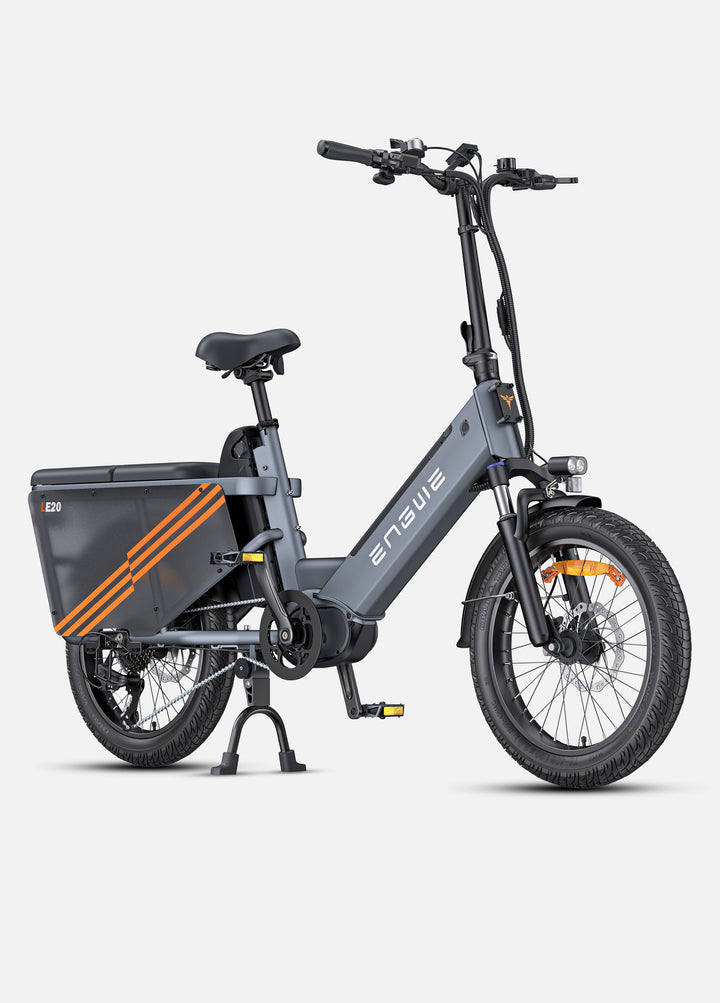
Top pick: ENGWE L20 Boost

The ENGWE L20 Boost is a worthy e-bike specifically tailored to the retiree. It is designed to have a secure and relaxed fit all around and below the helmet.

- Easy Power: Fitted with a 250W motor, the power of this bike is increased at the click of a Power-Boost Button that can take you up to 75 Nm of torque instantly. That makes climbing steep hills feel relatively easy and safe, or moving away from a stop.
- Smooth & Natural: The torque sensor would adjust the motor's output power according to how hard you're pedaling, which gives you a more natural ride and saves more energy during cycling.
- Amazing Distance: The 48V 13Ah Panasonic battery gives you a range of up to 78 miles in pedal-assist mode and is easy to carry so you can keep the adventure going.
- Comfort and Safety: The fat tire bike's front fork suspension allows it to travel comfortably on bumpy surfaces (minimizing vibration) with excellent safety 20x4.0 fat tires that can easily absorb bumps and go off-road, ensuring a super smooth ride. Effective disc brakes provide reliable stopping power in any weather or path condition.
- Unbeatable Utility: The front basket and rear rack are ready to carry your groceries, backpack, or your significant other while you cruise down the road with a child seat.
4. Examining E-Bike Types for Senior Considerations
The ENGWE L20 Boost is a great all-rounder, but the e-bike market is wide-ranging. Knowing the major categories can help you determine what features are most important to you. For some retirees, a lightweight frame for portability may be most important, and for others, a classic cruiser look that is super comfortable on the bike path beats all. By doing so, you are guaranteed to find a bike that is perfect for all of your recreational needs. And this is the very thing which will make you happy in the years to come with your purchase.
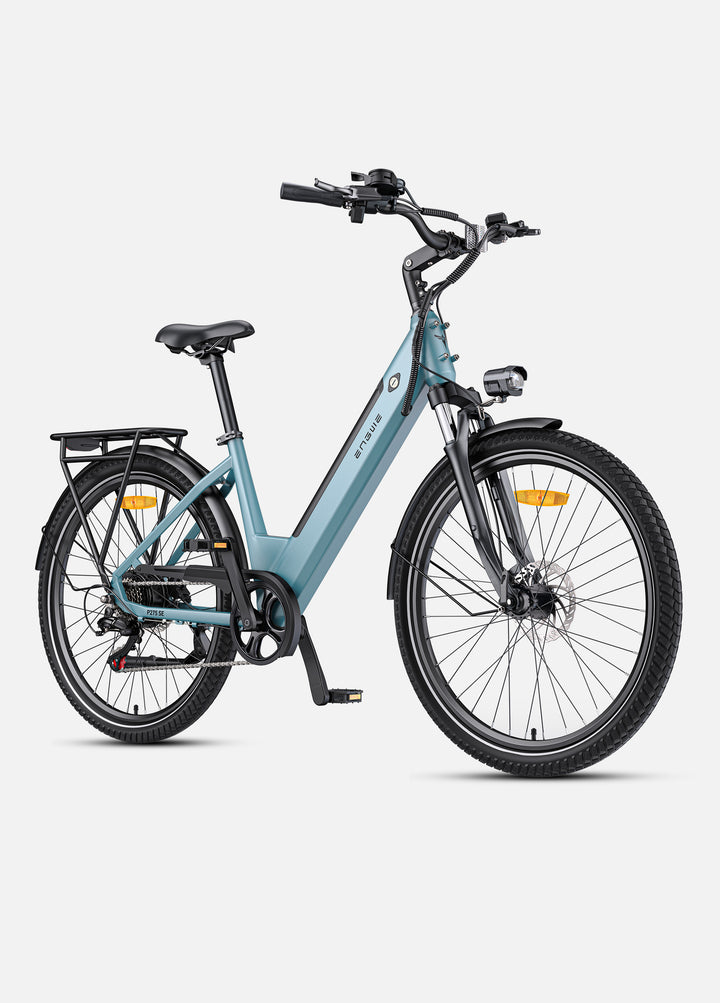
- Comfort Cruisers: Tailored to relaxed, upright cruising. They have cushy saddles, swept-back handlebars, and step-through frames for easy mounting and dismounting (though many models also come in a mixte frame with a high top tube). They are perfect for casual rides on the bike path or to the park.
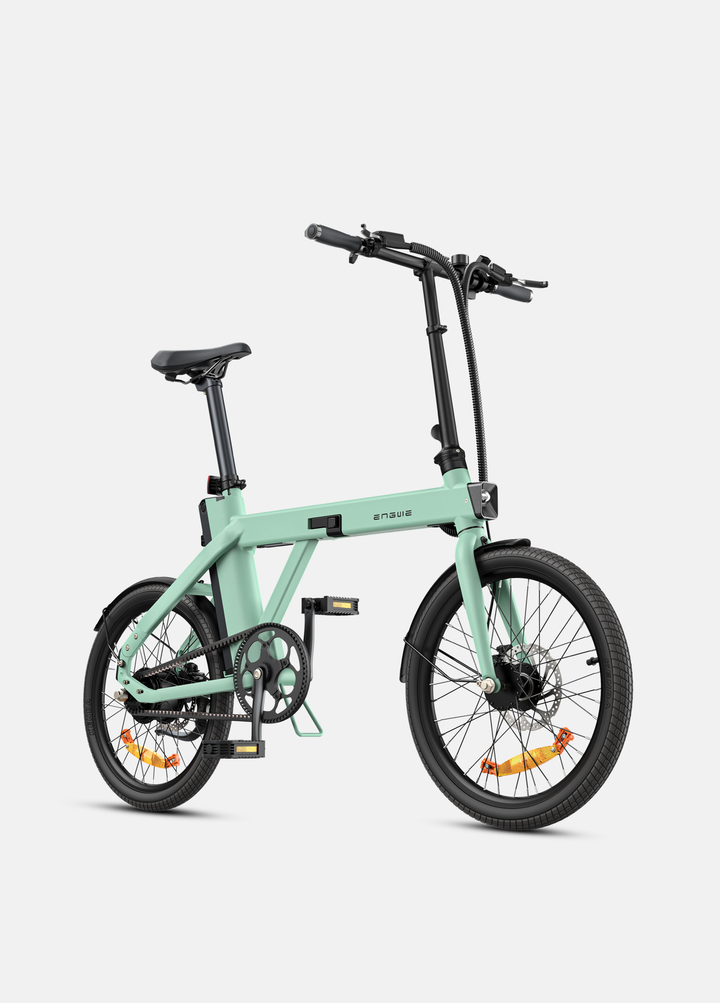
- Folding E-Bikes: Ideal for retirees with minimal storage space in an apartment or RV, or for drivers who want to carry their bike in a car’s trunk. These are small, light bikes that also pack a punch (and good range) for zipping around town and playing in the backcountry.
- All-Terrain Fat Tire E-Bikes: Like the L20 Boost, there are e-bikes on another level when it comes to fat ones. Beyond the walls of pavement and packed sand, though, these tires have an immense advantage on a wide range of surfaces.
| Feature Comparison | Comfort Cruiser | Folding E-Bike | All-Terrain Fat Tire |
|---|---|---|---|
| Key Feature | Supreme Comfort & Ease of Use | Convenience & Storage | Flexibility & Stability |
| Best For | Paved roads and paths, casual riding | Urban riding, limited space | Varying surfaces, exploring |
| Riding Position | Comfortable and upright | Sporty and agile | Relaxed, upright riding position |
| Tire Type | Standard to mid-width | Narrow to standard | Wide (4.0" or wider) |

5. Creative Financing and Alternative Funding Strategies
If the up-front cash is a barrier, there are many creative ways you can finance your e-bike. These tactics include cashing in on simple things you have, earning a little income, or using payment plans. This method gets you your bike faster and sometimes pays for itself. It is thinking outside the box and turning dormant value into a living investment in your lifestyle.
- Downsizing and Selling Unused Goods: Retirement is a common time to downsize. Whether it’s selling unused furniture, electronics, collectibles, or even a second car you have no use for anymore, there are options to find the money you need for that high-quality e-bike.
- Gig Work Opportunity: An e-bike can be a moneymaker, too. Subscribe to local farm or delivery services. The work is adaptable, comes with a bit of exercise, and you can pay off the bike in no time.
- Retailer Financing Plans: A number of e-bike companies and retailers offer financing, sometimes for a 0% interest period. Key Tip: Read the fine print and make sure you can pay off your balance before the interest-free period expires to dodge retroactively high charges.
- Credit Card Rewards: If you’ve got a credit card with a considerable accrual of cash-back rewards or points, consider redeeming these towards paying for a large part of your e-bike purchase.
- Gifting Contributions: If it's your birthday, anniversary, or a holiday, request that loved ones contribute to your "E-bike Fund" rather than purchasing gifts.
Frequently Asked Questions
-
Is an e-bike a good retirement investment?
Absolutely. It’s an investment in your physical health (thanks to low-impact exercise), your mental well-being (it gets you outside), and possibly, your wallet (if it becomes a replacement for, or reduces the need for, rideshare services). -
What is the most important feature for a senior’s e-bike?
Safety and comfort are paramount. Key features to consider include a step-through frame for easy mounting, a torque sensor for smooth power delivery, and strong brakes. Items such as the fat tires of the ENGWE L20 Boost are essential for added stability. -
Is there a way for me to test-ride an e-bike before I buy?
Check in at local bike shops, where many allow test rides. You can also search for e-bike expos or even brand-specific “demo day” events near you to test out a variety of models.
With a little foresight, your new e-bike experience is no longer a distant dream.