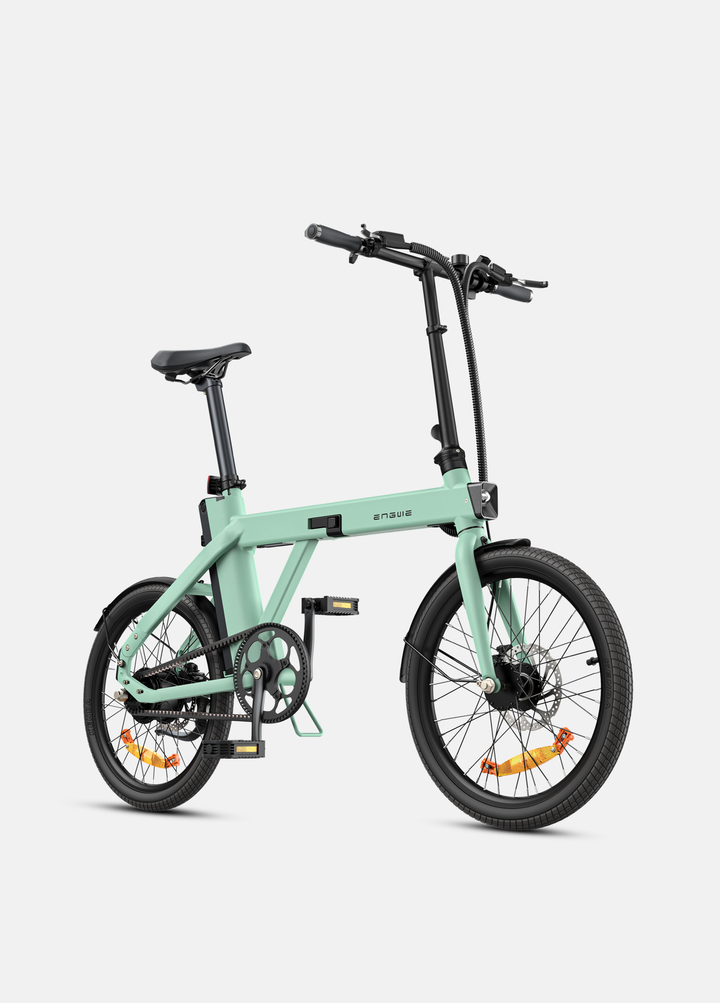
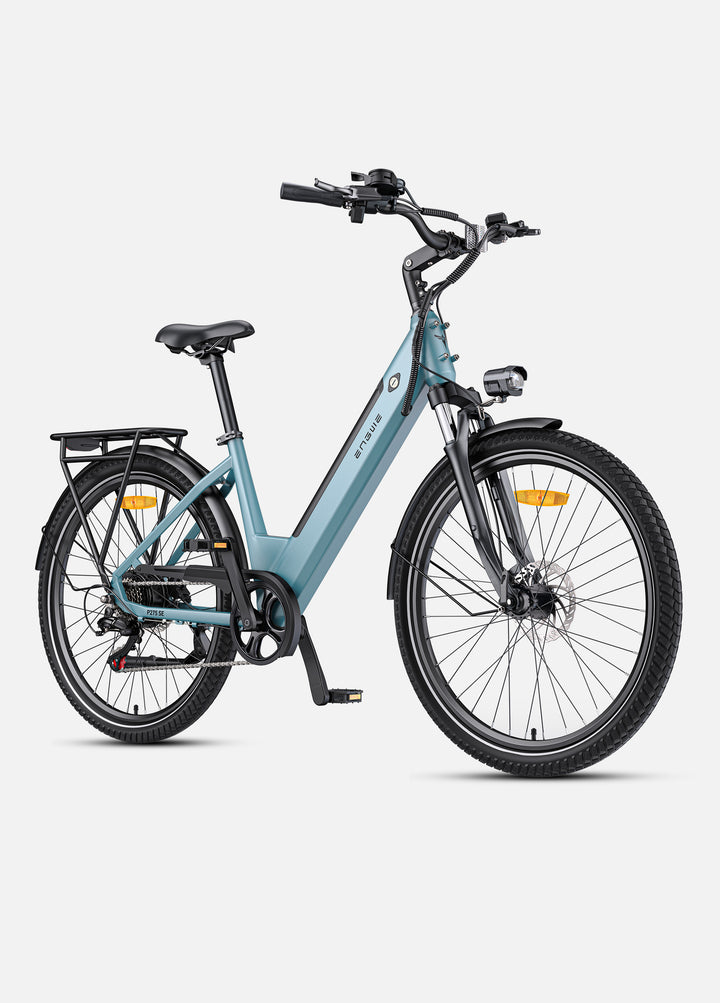
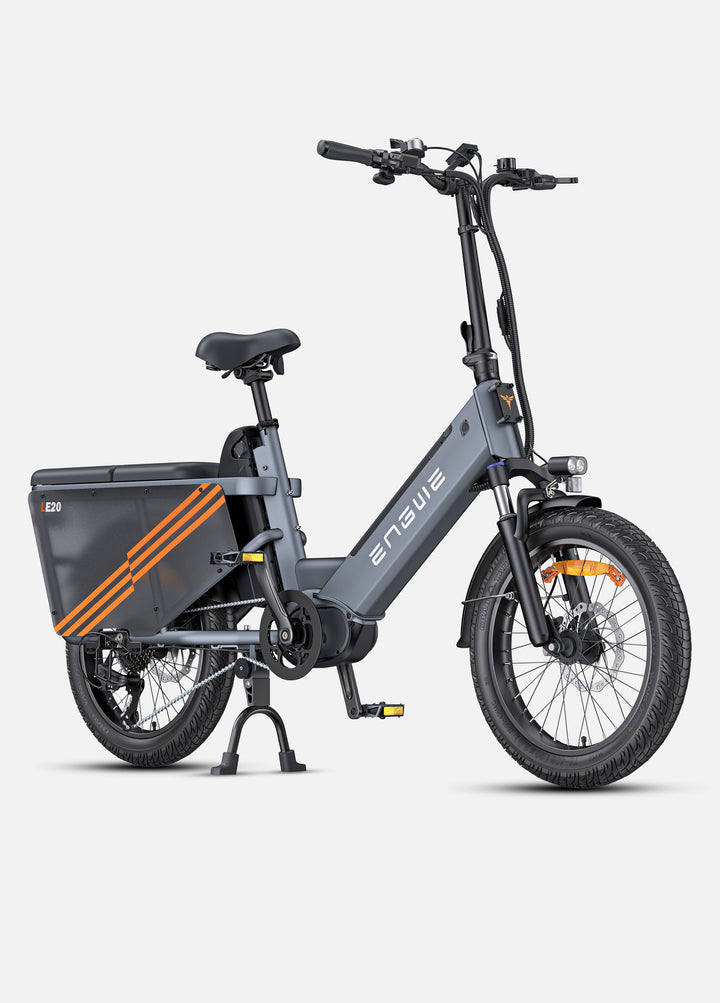
Every great e-bike needs power. That power starts from two simple things, the battery and the charger. Without these two, even the best motor cannot move. It just sits there, waiting.
If the battery is the heart of an e-bike, the charger is what keeps the heart beating. It gives energy, keeps it alive, and makes sure your ride is ready again tomorrow.
Many people forget how important the electric bike charger is. You use it every day, but you only notice it when it stops working. When that happens, your bike is not really an e-bike anymore. It becomes just a bicycle that can’t go far.
So, let’s talk about chargers. Especially the 36V and 48V ones. These are the types most riders talk about. What makes them different? Which one is better for your bike? Let’s find out together.

Understanding Electric Bike Chargers
Before choosing the right charger for electric bike, you should know what it really does. A charger takes the electricity from your wall and gives it to your battery in a safe way.
It might sound simple, but not all chargers are the same. Each bike uses a certain voltage. The charger has to match that number. If it doesn’t, your battery won’t charge right or could even get damaged.
So, when we talk about 36V and 48V chargers, we are really talking about how strong that power flow is.
What Voltage Means
Voltage is like water pressure in a pipe. More voltage means stronger pressure.
A 36V electric bike charger gives a calm, steady charge. It’s great for city rides or short trips.
A 48V electric bike charger gives more push. It’s made for bikes that climb hills, go faster, or carry more weight.
In short, 36V is simple and efficient. 48V is stronger and faster.
About Amps and Speed
Amperage is another thing. It shows how fast your charger fills the battery. A 3A charger is quicker than a 2A one.
Fast sounds nice, right? But too fast can stress your battery. Slow charging is gentler and keeps your battery healthy for longer.
The Universal Chargers
You may have seen a device called a universal electric bike charger. It sounds great because “universal” means it fits everything. But in real life, that’s not true.
Many of them just fit different connectors. The voltage still has to match. So if your bike is 48V, use a 48V electric bike charger or a electric bike battery charger 48v.
That’s the safest way to charge your bike without worries.

36V vs. 48V Electric Bike Chargers: Main Differences
Let’s see how both perform.
|
Feature |
36V Charger |
48V Charger |
|
Voltage |
36 Volts |
48 Volts |
|
Power Output |
Standard |
High |
|
Power Charging Time |
4–6 hours |
5–7 hours |
|
Range per Charge |
25–35 miles |
35–50 miles |
|
Cost |
Lower |
Higher |
|
Ideal For |
Daily use, short trips |
Long rides, high power bikes |
If you ride to work or around your neighborhood, a 36V electric bike charger is enough. It’s cheaper, lighter, and easier to carry.
But if you like long rides, steep roads, or heavy bikes, a 48V electric bike charger will give you more energy and longer range. Both do the same job. The difference is in the punch they deliver.
Compatibility and Safety
Let’s make one thing very clear. You cannot switch chargers between bikes.
A battery charger for electric bike must match the bike’s voltage exactly. That means a 48v lithium battery charger for electric bike goes with a 48V battery only.
If you use a 48V charger on a 36V bike, it pushes too much power. The system can overheat, burn, or stop working.
If you use a 36V charger on a 48V bike, the opposite happens. The bike won’t get enough energy. You’ll get slow speed, weak power, and shorter rides.
Always check the label before you plug anything in.
ENGWE’s electric bike battery charger 48v and electric bike charger 36v are made to match their bikes perfectly. They come with protection systems that stop charging once the battery is full. Safe and simple.

How Long Does Charging Take
This depends on your charger and your battery size.
For a 36V system with a 10Ah battery, a 36V electric bike charger usually takes 4 to 6 hours. A 48V electric bike charger takes 5 to 7 hours for the same battery size.
If your charger has more amps, it’s faster. But again, fast charging isn’t always the best idea.
Tips to Charge the Right Way
- Try not to let your battery go below 20%.
- Don’t charge up to 100% every single time.
- Use the original electric bike battery charger that came with your bike.
- Keep your charger and battery cool, dry, and clean.
These small habits make a big difference. Your battery will last longer, and so will your charger.
Comparing Charger Brands and Compatibility
There are many chargers out there. Some good, some not so good. Let’s look at five that most riders know and talk about.
ENGWE Electric Bike Charger (36V & 48V)
The official electric bike charger from ENGWE is designed for their 36V and 48V bikes. It’s reliable, safe, and works fast without overheating.
Compatibility & Safety
It fits models like the Engine Pro, EP-2 Pro, and L20. The electric bike battery charger 48v version has built-in protection against short circuits, heat, and overcharge.
Performance & Efficiency
The 48 volt battery charger for electric bike completes a full charge in about six hours. Smooth and quiet.
Portability & Convenience
Lightweight, easy to carry, and perfect as a portable charger for electric bike when you’re traveling.

Nakto Electric Bike Charger
The nakto electric bike charger is common for everyday commuters. It’s usually built for 36V systems.
Compatibility & Safety
It matches Nakto’s standard 36V batteries and has a simple LED light that changes when charging is done.
Performance & Efficiency
Delivers steady power at around 2A. Reliable for light rides and daily use.
Portability & Convenience
Compact design, easy to pack in your bag, and ideal as a backup charger for electric bike.

Jetson Electric Bike Charger
The jetson electric bike charger is made for Jetson’s 36V commuter models.
Compatibility & Safety
Works safely with most Jetson batteries. Includes protection for voltage and heat.
Performance & Efficiency
Charges your bike in about five to six hours. Keeps the temperature stable all the way.
Portability & Convenience
Small and simple. You can store it anywhere. Great as a portable charger for electric bike for work or travel.

Ancheer Electric Bike Charger
The ancheer electric bike charger works for 48V batteries. It’s powerful but still safe.
Compatibility & Safety
Fits most 48V Ancheer and similar e-bikes. This 48v lithium battery charger for electric bike shuts off automatically when the battery is full.
Performance & Efficiency
Fast and consistent. Usually fills a 10Ah battery in about five hours.
Portability & Convenience
Slightly larger, but strong and reliable. A good choice for long-distance riders.

How to Charge an Electric Bike Without a Charger
It happens. You forget your charger at home or it breaks. So, how to charge electric bike without a charger? First, don’t try random adapters. That’s dangerous.
Here’s what you can do instead:
- Go to a local bike repair shop. They often have a universal electric bike charger you can use safely.
- If your e-bike supports USB-C input, you can use that for a slow charge. It’s not fast but it works in an emergency.
- Solar panels are another idea. A small portable solar setup can charge your battery slowly.
Still, the safest way is to use your own electric bike battery charger. That’s what your bike is designed for.

ENGWE’s Smart Charging Advantage
When you buy an ENGWE, you don’t just get a strong bike. You get a smarter charging system too.
Each electric bike charger from ENGWE comes with safety features that monitor heat, voltage, and current. Once your battery is full, it stops charging automatically.
Their 48 volt battery charger for electric bike is especially popular because it’s quiet, quick, and long-lasting.
If you ride an ENGWE Engine Pro, ENGWE EP-2 Pro, or ENGWE L20, this charger fits perfectly. It keeps your battery safe and ready for every ride.
Taking Care of Your Charger and Battery
Your charger and battery need care like everything else. Here are a few quick tips:
- Charge in a dry place, never in the rain.
- Unplug it when it’s done.
- Wipe the connector pins gently sometimes.
- Store it at room temperature.
- Don’t bend or twist the cables too much.
These small steps keep your electric bike charger 48v or electric bike charger 36v in good condition for years.

Final Takeaway
So, which one should you buy? If you ride around town, go for a 36V electric bike charger. It’s simple, light, and does the job. If you want more range and power, choose the 48V electric bike charger. It’s perfect for hills, long trips, and heavy-duty rides. No matter which you choose, make sure it’s the right battery charger for electric bike for your model.
And if you’re not sure, stick with ENGWE’s original chargers. They’re safe, strong, and made for your bike. Charge smart, ride far, and let your next adventure start with a full battery.