There's been a significant shift in the electric bike market recently. One of the most promising developments is the belt drive ebike. As riders look for more reliable and low-maintenance options, it's essential that you understand the difference between these two systems in order to make a smart decision.
Understanding Belt Drive Technology
A belt drive ebike uses a carbon fiber-reinforced belt instead of a metal chain to get power. This is made possible by a toothed belt that wraps around custom pulleys. The belt drive electric bike technology has been tried and tested in cars and industries for years.
The Gates Carbon Drive system is the go-to choice in the industry for belt drive bike technology. It offers a clean and durable alternative to traditional chains. The belt drivetrain bicycle design borrows from the same engineering principles used in motorcycles and cars.
Belt Drive vs Chain Drive: Key Differences

Maintenance Requirements
One major benefit of belt drive e bikes is how little upkeep they need. Unlike chain drives, belt drives basically take care of themselves. Because they're made of carbon fiber, you don't need to use any oils or greases, so you don't have to worry about getting dirty.
Traditional chain systems need a lot of upkeep. Chains should be lubricated often to keep them from rusting, and they tend to stretch out over time. All this maintenance can be hard and pricey for people who commute every day.
Durability and Longevity
When it comes to durability, the best belt drive ebike systems far outlast traditional chains. A Gates Carbon Drive belt can go up to 20,000 kilometers, but conventional chains usually need to be replaced every 5,000 to 10,000 kilometers. The belt's longer lifespan brings down long-term costs.
The ebike belt drive build uses carbon fiber reinforcement to prevent stretching. This means the belt stays stable and keeps performing consistently over time, maintaining the right tension.
Performance and Efficiency

In terms of efficiency, both systems are about the same when riding. But when wear starts to add up, an ebike with belt drive technology does a better job. These belts keep their efficiency even when they're worn out, while chains don't do as well.
Tension in a belt system can cause a bit of resistance at low power, but you don't really notice it at the higher power levels. For most riders, the efficiency difference between chain and belt driven ebikes isn't apparent during casual riding.
Noise and Comfort
Belt-drive cargo ebike systems give you a quieter ride. Traditional chains can be pretty loud, especially when they're worn out. Belt drives, on the other hand, are almost silent. This makes them perfect for city commutes.
The mid drive belt drive ebike runs smoothly, making it more comfortable. Unlike chain systems, belt drives cut down on vibrations and give you consistent power every time.
Weather Resistance
Bosch belt drive ebike systems and other leading belt drive systems are much more weatherproof. Because they're made from carbon fiber and polymer, they don't rust or corrode.
Unlike chains that can freeze up or break in bad weather, belt drives keep on trucking no matter what. That reliability makes them a great choice for those who count on their e-bike for daily rides.
ENGWE and Belt Drive Technology
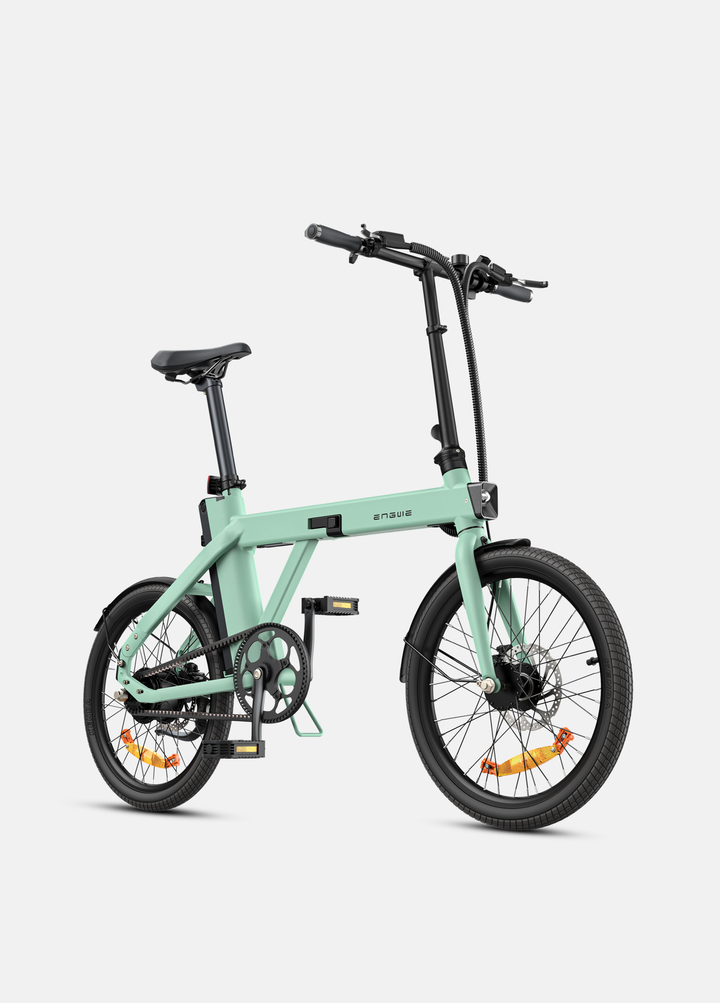
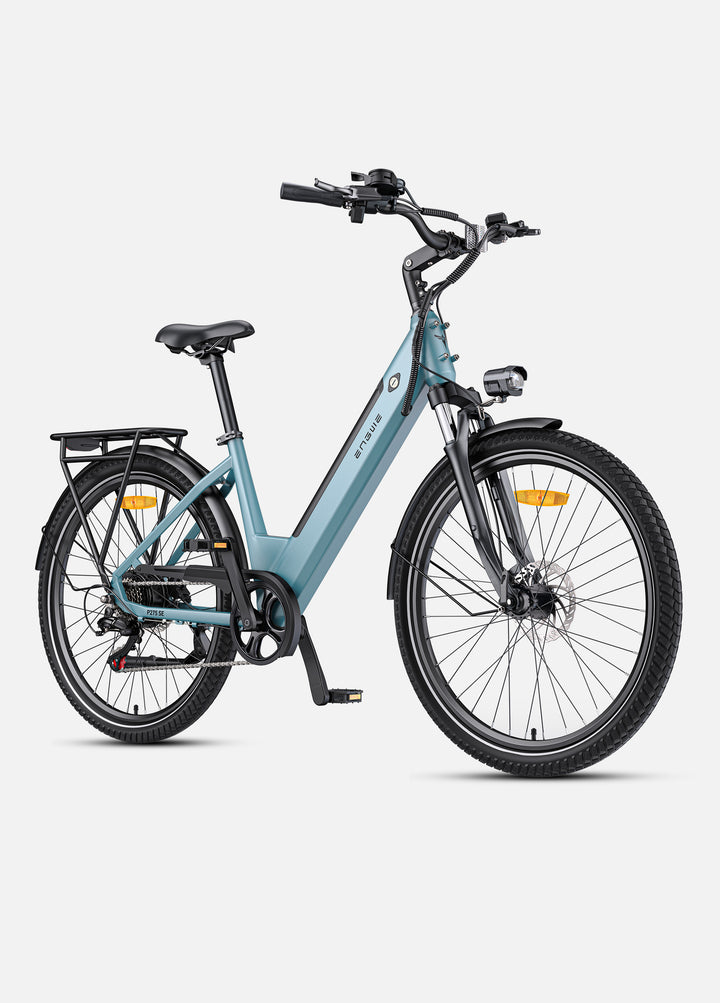
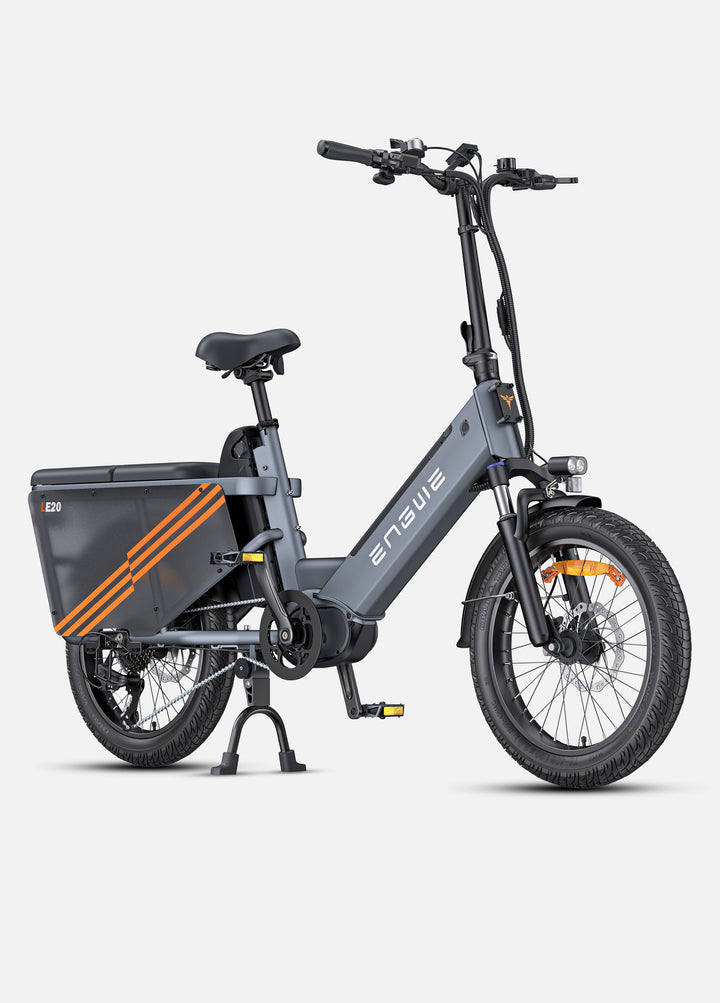
Some ENGWE models use advanced drivetrain technology that's great for different types of riding. The ENGWE Engine Pro 3.0 Boost has a full suspension design with a mid-drive motor that is super smooth and needs almost no maintenance. The ENGWE L20 3.0 Pro is another ebike with a mid-drive motor and full suspension, and it's exactly the kind of bike where belt drive systems shine.


The ENGWE EP-2 3.0 Boost has a torque sensor technology that shines with belt drive systems. This pair works so well because both prioritize giving you a responsive ride. It's clear that brands like ENGWE are committed to using the latest technology to make your ride better.

Applications and Compatibility
Urban Commuting
For city riders, a full suspension ebike with belt drive brings comfort and practicality. You don't have to worry about maintenance. This means no messy chain adjustments or lubrication. Plus, belt drives keep your clothes stain-free, making them a great choice if you want to look sharp for work.
Cargo Applications
Gazelle belt drive ebike models and other cargo bikes really benefit from belt drive technology. These bikes are under a lot more stress with heavier loads and more frequent use, so the fact that they don't need much maintenance is a big plus. They also run smoothly even when you're carrying a lot.
Internal Gear Compatibility
Belt drives don't use traditional derailleur setups. Instead, they need internal gear hubs or gearboxes. But that's actually a good thing, because these internal gears offer a few advantages. They protect the shifting mechanism and let you change gears even when you're not moving. Although some Trek belt drive ebike models do use this setup.
Choosing the Right System for Your Needs
When Belt Drives Excel
Belt drives are ideal for cyclists who value ease of maintenance and long-lasting performance. These systems are especially well-suited for urban commuters and cargo bike riders. Although belt drives are more expensive upfront, they pay for themselves over time through lower maintenance costs.
Chain Drive Advantages
Traditional chains are still ideal for riders who need a wide range of gears or are on a tight budget. For mountain bikers and performance riders, chains are often the preferred choice because they work well with wide-range derailleur systems. Plus, they're easier to fix, and replacement parts are easy to find.
Key Takeaway
When it comes to ebikes, choosing between chain and belt drive systems boils down to your priorities and how much you're willing to spend. Belt drives are a great choice for those who value low maintenance and a smoother ride.
On the other hand, traditional chains are still a good option for certain types of riding and buyers on a tighter budget.
Frequently Asked Questions
How long does a belt drive ebike last compared to a chain drive?
Belt drives usually last around 20,000 kilometers, which is double what chains can do, typically lasting between 5,000 and 10,000 kilometers.
Do belt drive ebikes require special maintenance?
Belt drives need hardly any upkeep, requiring just occasional water cleaning and tension checks every now and then.
Are belt drive ebikes more expensive than chain drive models?
The price tag is higher upfront, but lower maintenance costs and fewer replacements can lower the overall cost of ownership in the long run.
Can I convert my chain drive ebike to a belt drive?
Converting usually needs the right frame and some new parts, which can be pretty impractical. It's often easier to just buy a belt drive model that's built for it.
Do belt drives work well in wet weather conditions?
Belt drives really shine in wet conditions. They're great at resisting corrosion and keep performing consistently. Chains, on the other hand, can rust or seize.