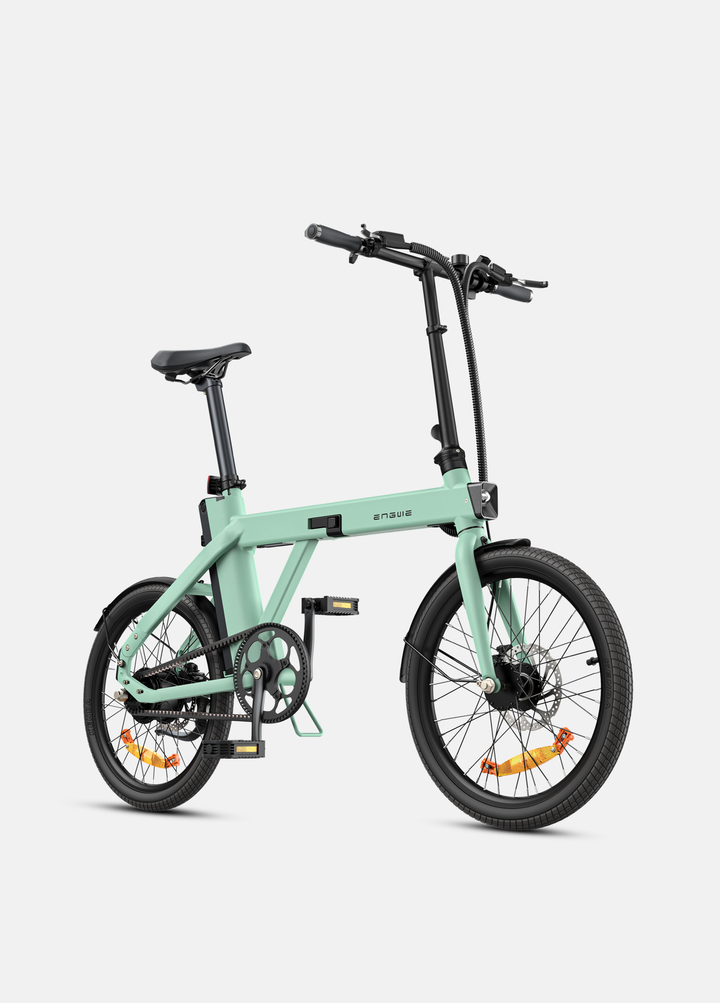
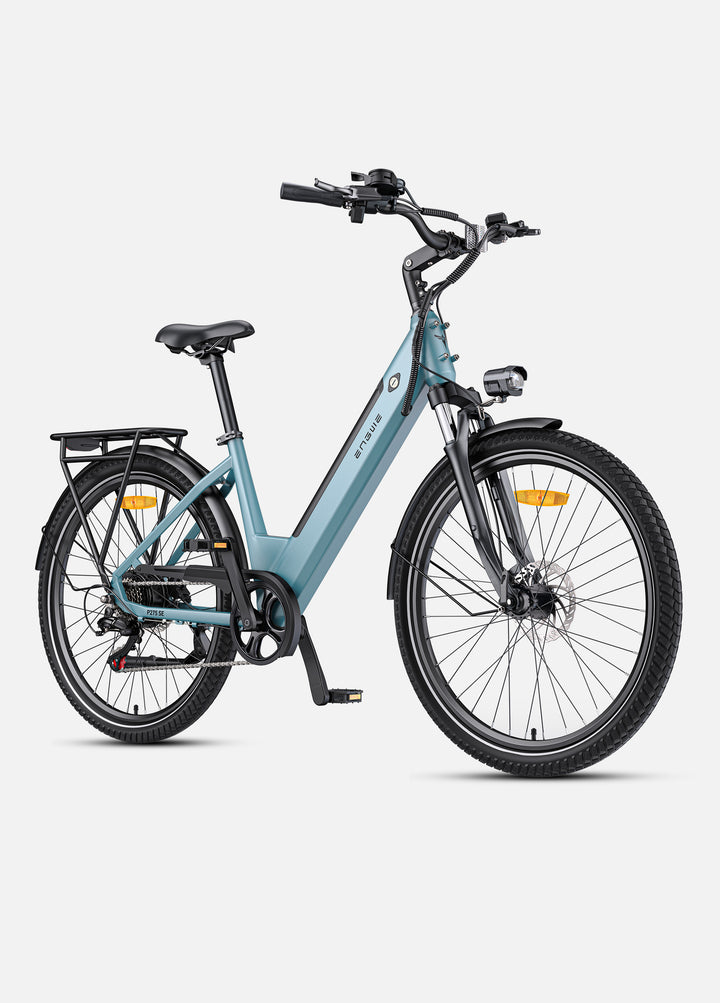
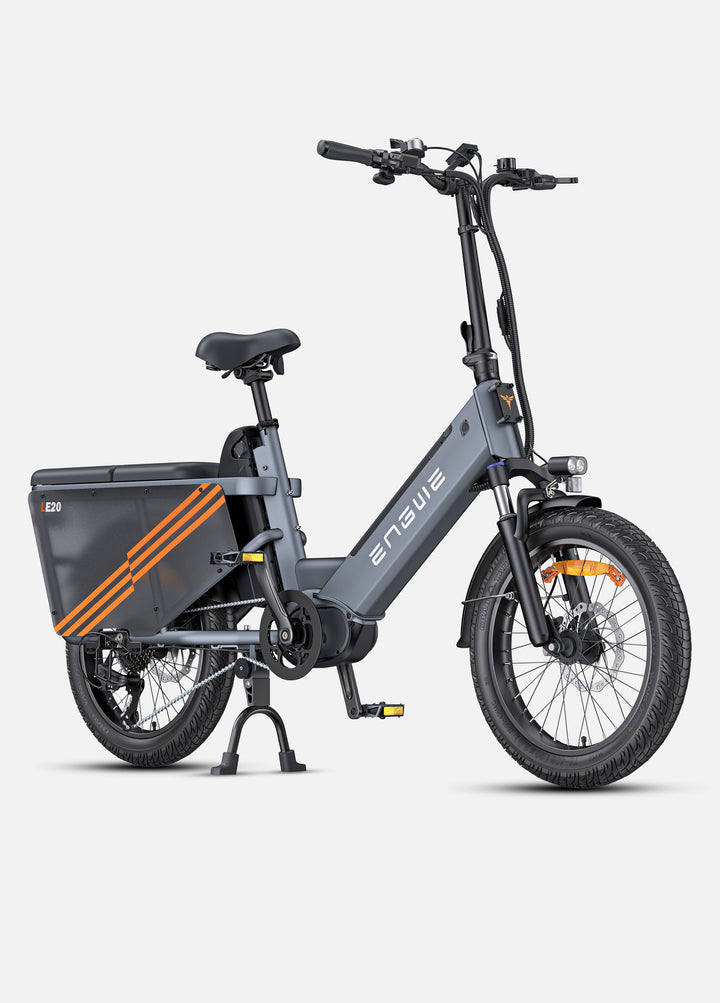
An e bike charger does more than just refuel your bike, it ensures that the battery stays healthy and delivers consistent performance. ENGWE’s official chargers are specifically designed for their battery systems and provide the correct voltage and current output. Using third-party chargers can risk damaging the battery or reducing its lifespan, making it crucial to choose a genuine charger for e bike compatible with your model.

Understanding ENGWE’s Charger Options
ENGWE also supplies individual chargers for different models. For example, it supplies 2A chargers for models like ENGWE M20 and ENGWE L20, and a 3A charger for ENGWE Engine Pro 2.0. These e bike chargers are designed to be compatible with the battery capacity of the given model so that charging is efficient as well as safe.
Step-by-Step: How to Charge E-Bike Safely
This is how to maintain your ENGWE battery healthy and long-lasting
-
Use only the ENGWE charger for e bike designed for your model.
-
Charge the battery in a cool and dry environment, not under the sun
-
Charge only after waiting for at least 30 minutes for the battery to cool down after using it.
-
Remove the battery (if removable) and charge separately. This is for models like ENGWE P20, ENGWE T14, and ENGWE EP‑2 Pro
-
Switch off the charger when the LED turns green, which avoids overcharging.
By following this timetable for e bike, your battery is safeguarded and peak performance is ensured. Also, to understand how to charge e-bike, plug the charger into the battery and then connect it to a wall outlet.
How Many Hours E-Bike Batteries Stay Charged on One Charge?
Battery range varies with model and application. To get the answer to how long do e-bike batteries last on one charge:
-
ENGWE E26 offers ~140 km in PAS mode
-
ENGWE P20 up to ~120 km in eco assist.
-
ENGWE Engine Pro 2.0 offers ~110 km based on landscape and assist utilization.
Normal regular charging expands these ranges, whereas constant deep discharging shortens battery life. That's brought us right into how long e-bike batteries survive on the initial charge based on your average pattern of use.

When to Replace Your Charger
Check for wear on your e bike charger:
-
If it becomes extremely hot, there are wires that are burnt, or the LED is not lighting as expected, replace it.
-
official replacement chargers are available in the Batteries & Chargers section on ENGWE’s site
-
Replacement chargers come in matched amperages like 2A for ENGWE M20 & ENGWE L20, or 3A for ENGWE Engine Pro 2.0
-
Using only verified chargers helps maintain warranty support and battery safety
Finding Electric Bike Chargers Near Me
Looking for electric bike chargers near me? Be safe with only ENGWE-certified alternatives posted on their official website. Although generic charge components are available at local shops, compatibility (voltage, plug type, and safety features) is present only with genuine ENGWE chargers, which might ensure peak battery performance and durability over a long period.

Charger vs Fast Charger Options
ENGWE has standard and fast charger types:
-
The ENGWE LE20 fast charger (8A), e.g., charges in 2–3 hours, as opposed to 5–6 hours using an ordinary charger.
-
Faster or higher chargers are perfect for larger battery models like ENGWE Engine X or ENGWE Engine Pro 2.0.
-
Always ensure that the charger amperage is matched to the battery capacity to prevent shortening battery life or overheating.
E bike chargers are fast and efficient for charging up your bicycle.
Practical e bike Charging Tips on the Move
Charging e bike on the move? ENGWE tips come in handy
-
Take your detachable battery and charger with you; swapping makes charging at home possible even if the bike is kept outside.
-
Take a portable power station on longer trips away from civilization to maximize range. ENGWE also posts blog tips on portable charging and battery maintenance advice for adventure riders
-
Foldable solar panels are used when off-grid for a few hours, ideal for touring or field use.
-
Charge preparation with the proper equipment keeps your ride completely charged wherever you go.
Why Battery Performance Indicts Charger Quality
A good battery will take approximately 6 to 6.5 hours to fully charge with the proper ENGWE charger. A weakened battery or charger state may cause slow charging or reduced expected range. ENGWE's E Bike Battery Life guide mentions the importance of using original chargers, not just for battery life, but for reliability in performance.
Typical ENGWE Model Charger Specs
Here is an abbreviated rundown of charger-fit information from authentic ENGWE listings:
ENGWE P20: 2A charger: charged indoors through removable battery.
ENGWE EP‑2 Pro/Engine X: 2A charger; compatible with various models.
ENGWE Engine Pro 2.0: uses a higher-current 3A charger, best for quicker charging.
Removable battery models make charging more convenient.
Always check e bike charger specification prior to purchase in order to safely and effectively charge.

Tips for Maximizing Battery Longevity
In order to make your battery last longer:
-
Charge the battery when it's below 30% and avoid charging it to 100% all the time. Instead, keep it between 20–80% to extend its life.
-
Keep batteries in a well-ventilated, cool place, ideally between 40–60% capacity if they won't be used for long periods of time
-
Clean terminals and tighten connections periodically to minimize loss of power.
-
Ride with lower assist modes as much as possible to minimize battery cycle wear.
These habits, combined with efficient charging regimens, allow you to get the best out of your ENGWE battery.
Conclusion
Your e bike charger is as important as any other piece. With the right ENGWE charger and efficient charging practices, your battery will work dependably and for a long time. Removable battery designs provide convenient charging and fast-charger designs provide quick convenience.
Whether you're riding the pint-sized ENGWE P20, commuter-bike ENGWE L20, or sporty ENGWE Engine Pro 2.0, the proper charger keeps your bike charged, rides silky smooth, and travels stress-free. Investing in the proper charging setup also protects your battery warranty and ensures consistent performance across changing weather, terrains, and long-distance usage. It’s a small detail that makes a big difference in the long run.