Are you thinking about which electric bike charger to get: 48V or 36V? The decision, in fact, can affect your bike's performance and the charging process to a great extent. Both types are acceptable; however, knowing their contrasts is the main point of choosing the right option for your e-bike.
In this guide, we'll explain the differences between 48V and 36V chargers, thus assisting you in finding the ideal charger for electric bike.
Understanding 48V vs. 36V
Voltage (in volts) of the battery charger for electric bike is what the terms 48V and 36V basically mean. Voltage is like the electrical "pressure" that moves through the circuit. So, the higher the voltage is, the more energy can be transferred in a certain time, in theory.
48V Charger (54.6V Output)
-
Used For: 48V battery packs (13 cells connected in series).
-
Common Application: Most primary e-bikes and e-scooters.
-
Charge Voltage: 54.6V is the typical "full charge" voltage for 48V batteries.
36V Charger (42V Output)
-
Used For: 36V battery packs made of 10 cells connected in series.
-
Common Application: Entry-level electric bikes, scooters, and small battery systems.
-
Charge Voltage: To completely recharge a 36V battery, 42V is required.

Why Matching Your Charger to the Battery is Essential
An incompatible electric bike battery charger may harm the battery and pose safety risks:
-
Undervoltage Charger (too low): Will not give the battery a full charge, thus the range will be limited.
-
Overvoltage Charger (too high): May overcharge the battery, result in overheating, reduce the battery's lifespan, or even cause fires.
It is a must to cross-verify the nominal voltage of your battery as well as its charging voltage, which is advised before purchasing a charger or using it.

48V vs. 36V E-Bike Charger: A Complete Comparison
If you are choosing between an electric bike battery charger 48v and an electric bike charger 36v, it is very important to know what the differences between these systems are.
Voltage Output & Compatibility
The most basic difference between the two is their voltage output specifications. Generally, a 36V charger will give about 42V at full charge, whereas a 48V lithium battery charger for electric bike is going to deliver around 54.6V. The voltage difference is not random; it is very tightly adjusted to correspond to the chemistry and the design of the battery.
Charging Speed and Efficiency
The rate of charging is a function of both voltage and current. In general, for the same current, 48V systems will charge quicker than 36V ones.
Regular charging times are as follows:
-
36V batteries (10Ah): About 3.5 hours when using a 3A charger, or 4-8 hours if using regular chargers.
-
48V Systems: Normally 4 to 5 hours with similar amperage ratings.
Amperage Considerations
Amperage (in amps) mainly determines the charging speed of a battery and is also responsible for the heat generated during the charging process. Some of the usual amperage ratings are:
-
2A Chargers: Most efficient (91.2% efficiency) with almost no heat generation, but slower charging (about 7 hours 15 minutes).
-
3A-4A Chargers: Balance the efficiency (88.7%) with somewhat charged times, which are around 3 hours and 50 minutes.
-
5A-6A Chargers: They are the fastest charging (about 3 hours 5 minutes), but increase the temperature more and have lower efficiency (85.9%).
Which E-Bike Charger System Is Best for You?
The decision is based on the riding necessities of the person:
Choose a 36V electric bike charger if you:
- Use mainly urban environments for commuting.
- Need a lighter and less costly system.
- Drive part of the way (25-40 miles)
- They like to be energy efficient and have their battery last longer.
- Want to be able to charge the battery faster in relation to its size.
Choose a 48V electric bike charger if you:
- Need higher power and performance
- Frequently go up steep hills or carry heavy loads
- Require a longer range (35-60 miles).
- Desire quicker top speeds and enhanced acceleration.
- Do not mind spending extra money if it means better features.

Top Electric Bike Charger Brands You Can Trust
Here are some of the best electric bike brands:
ENGWE Electric Bike Charger
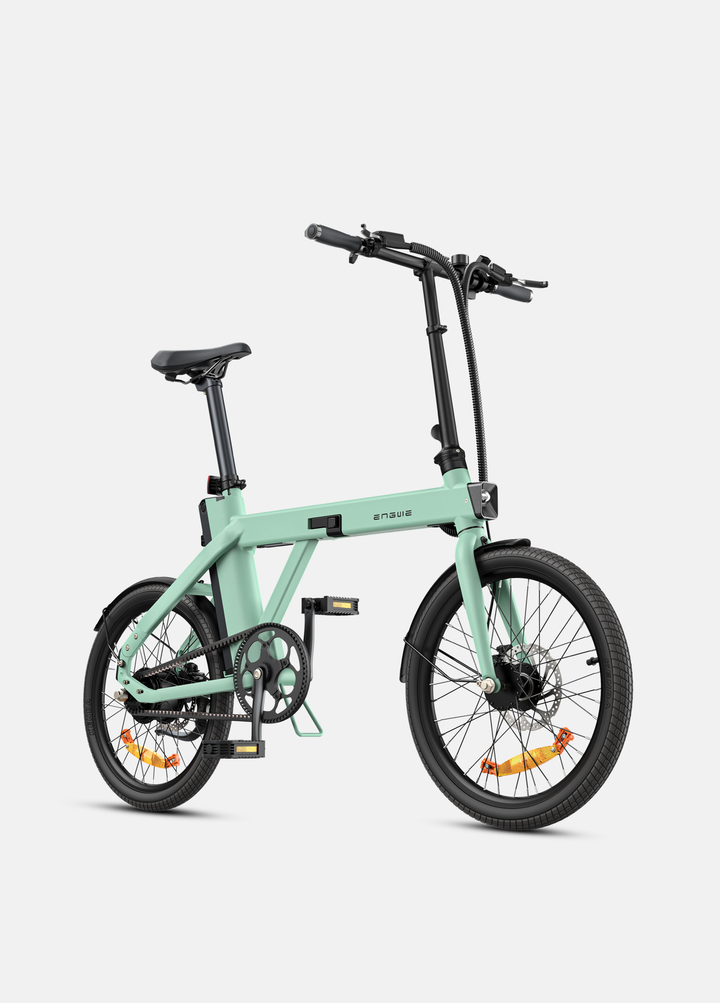
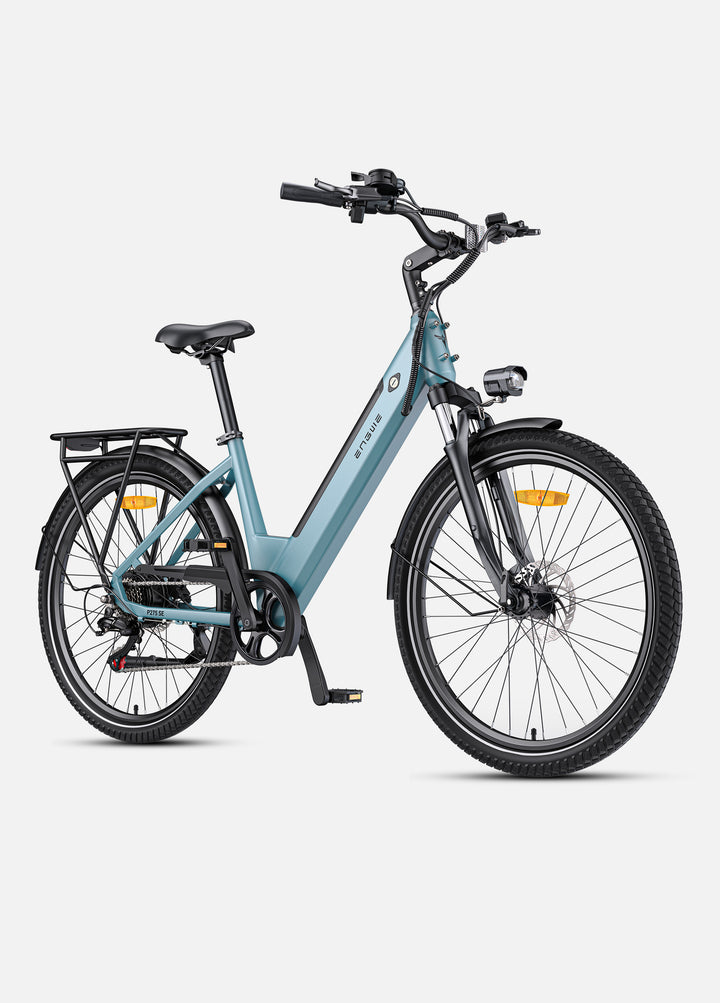
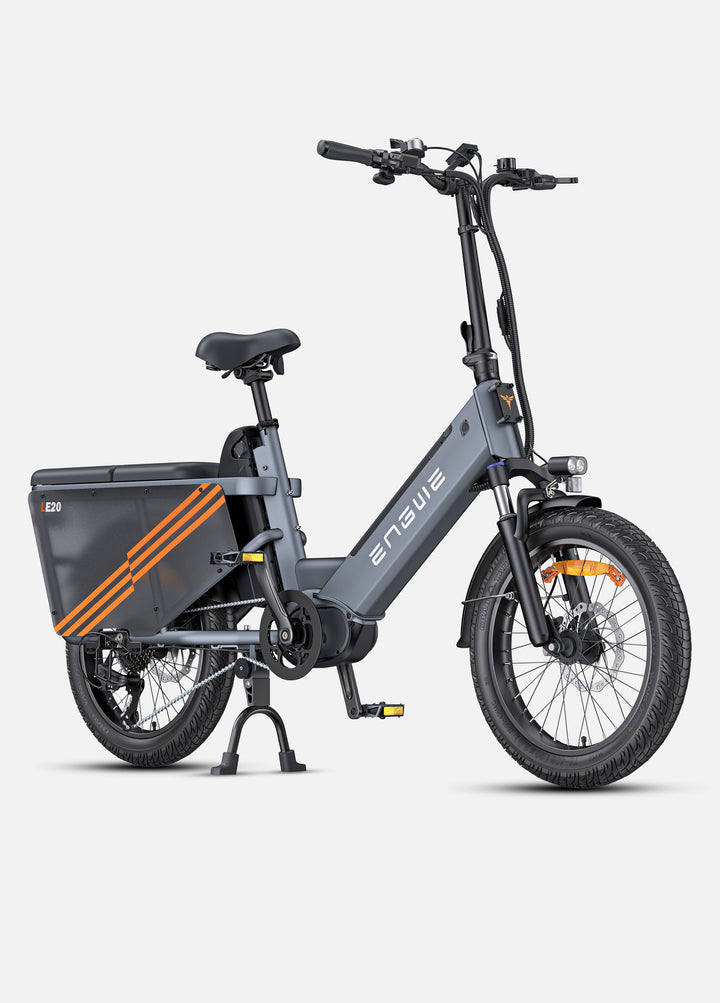
ENGWE sells officially, model-specific chargers (2A/3A) that are quite safe and efficient, and fast-charge variants can also be used. To maintain the life of the battery and to be able to use the warranty, they strongly recommend the use of the ENGWE electric bike charger and original products.

Nakto Electric Bike Charger
Nakto offers purpose-built replacement chargers that match their e-bike models, such as the Super Cruiser and Ox. The Nakto electric bike charger is designed for fast charging, allowing you to recharge your battery in just 4-6 hours.

Jetson Electric Bike Charger
Jetson chargers are available as OEM (original equipment manufacturer) replacements for the best-selling models like the Bolt Pro. The Jetson electric bike charger comes with integrated safety features and can be used with North American outlets.

Ancheer Electric Bike Charger
Ancheer has several charger versions (48V 2A, 48V 3A, etc.) available for their electric bikes. The Ancheer electric bike charger is characterized by its quick charging capabilities, sturdy construction, and intelligent protection features that prevent overcharging and short circuits.

Tips to Choose the Perfect E-Bike Charger
While buying a new e-bike charger, you should keep these factors in mind:
1. Compatibility
Make sure to check if a portable charger for electric bike is compatible with the bike's battery and system before you buy it. You can verify this by looking at the specs from the two manufacturers of the bike and the drive.
2. Current and Voltage
Mind your actions when you are matching a charger's voltage and current to the battery's specifications; if you use the wrong voltage or current, your battery will be damaged and its lifespan will be drastically reduced.
3. Brand Details
To prevent the problems of performance, follow the producer's instructions only. Every brand has certain specifications for its batteries and chargers.
4. Charging Speed
If you want to charge your battery fast, then use a quick charger. If you are not in a hurry to recharge your battery, then a standard charger should be capable of handling your everyday charging needs.
5. Transportability
Don't be wrong in thinking that a good charger should be expensive. An investment in an efficient charger is a guarantee for the life and the performance of your battery.
6. Price and Quality
Make sure the charger is within your budget without compromising the quality. An investment in a well-working charger is a way to keep the battery both long-lasting and efficient.
Essential Tips for Safe E-Bike Charging
There are some pointers given below for safely charging an e-bike:
-
Use only the universal electric bike charger that is recommended by the manufacturer of your e-bike or e-scooter.
-
Don't use cheap and uncertified chargers. (Safety Certifications such as UL, CE, or FCC matter.)
-
Avoid leaving batteries unattended while charging for long periods.
-
Keep and charge batteries in a cool and dry place.
Summary
In short, the distinctions between a 36V and 48 volt battery charger for electric bike are not minor points. They determine safety, battery life, charging speed, and, in general, the ebike's performance.
It is very important to make sure that the voltage of your charger corresponds to that of your battery - 36V systems are compatible with voltages between 36V and 42V, and 48V systems between 48V and 54V - otherwise, overcharging, overheating, and consequent damage will be the result.
Confused about which charger would be the perfect fit for your e-bike? Head over to ENGWE to get professional tips and grab the coolest e-bikes and the matching gear!
Frequently Asked Questions
How does charger voltage affect ebike performance?
Using the correct charger voltage is what makes the battery charging optimal, and this, in turn, will keep the ebike's range, acceleration, climbing ability, and overall performance at the same level.
On the contrary, the use of mismatched voltage can lead to a reduction in the battery capacity and the eventual deterioration of the performance.
Can I use a 48V charger on my 36V ebike battery?
It is not advised to use an electric bike charger 48V on a 36V battery, even once. Such an incompatibility may result in the battery heating up, being damaged, and even leading to a fire, as the battery will receive a voltage that is about 50% higher (around 54V) than what it is designed for.
How to charge electric bike without charger?
One can use an adjustable DC power supply, a high-capacity power bank with a DC output, or an AC inverter connected to a car battery to charge an electric bike without its dedicated charger.
How to check the voltage on an ebike charger?
A multimeter can be used to test an ebike charger by checking the DC voltage that it is outputting. The output for a 36V battery should be somewhere between 36V-42V, and for a 48V battery, between 48V-54.6V.