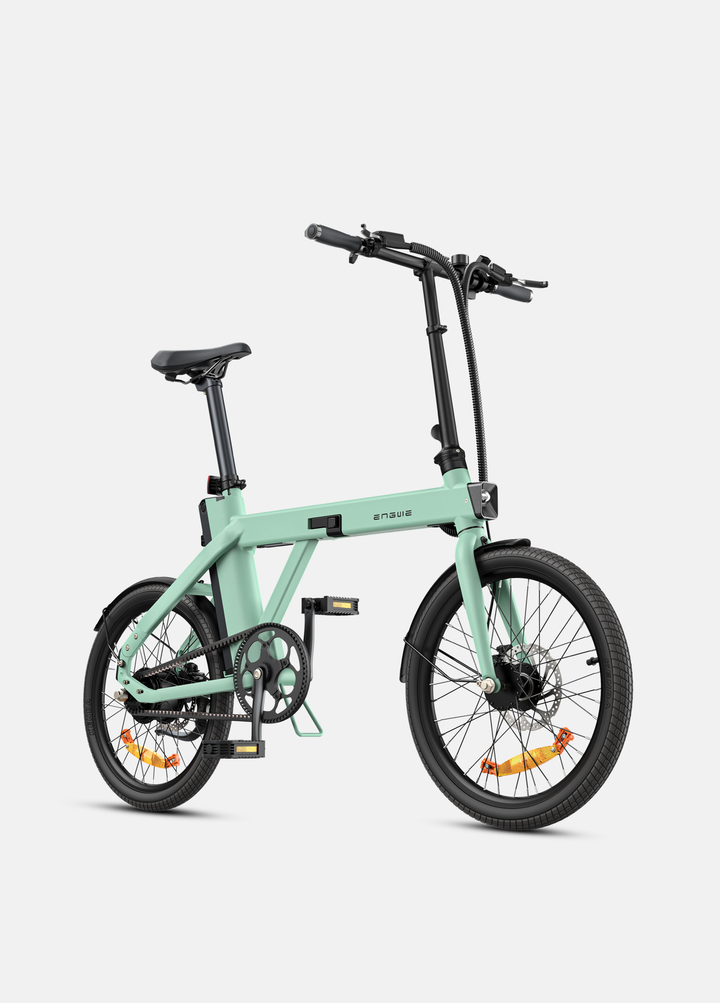
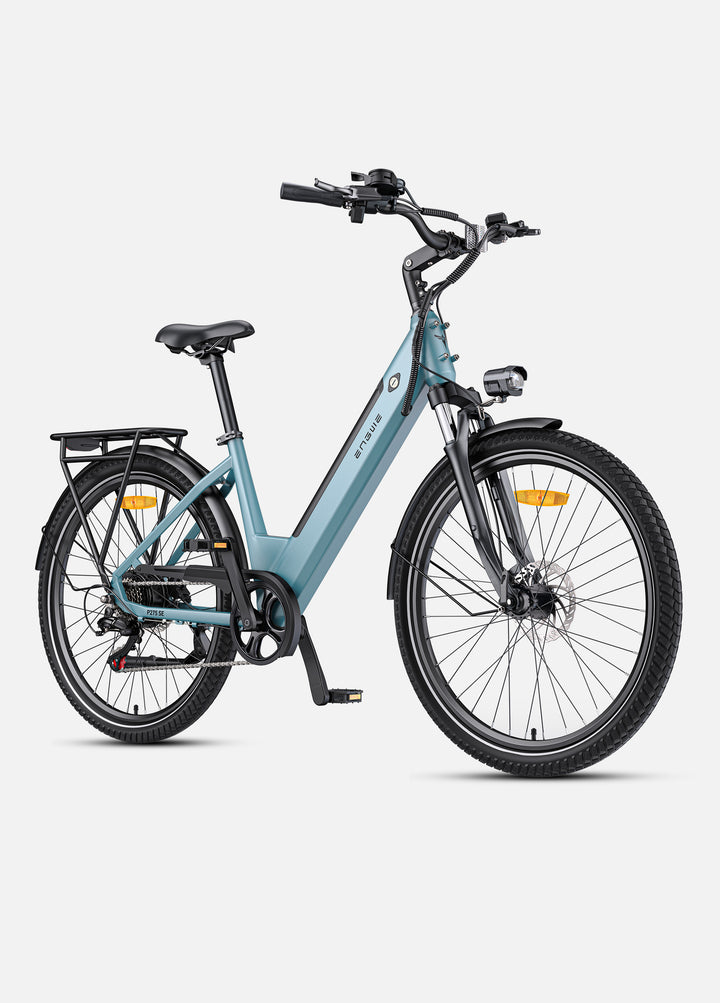
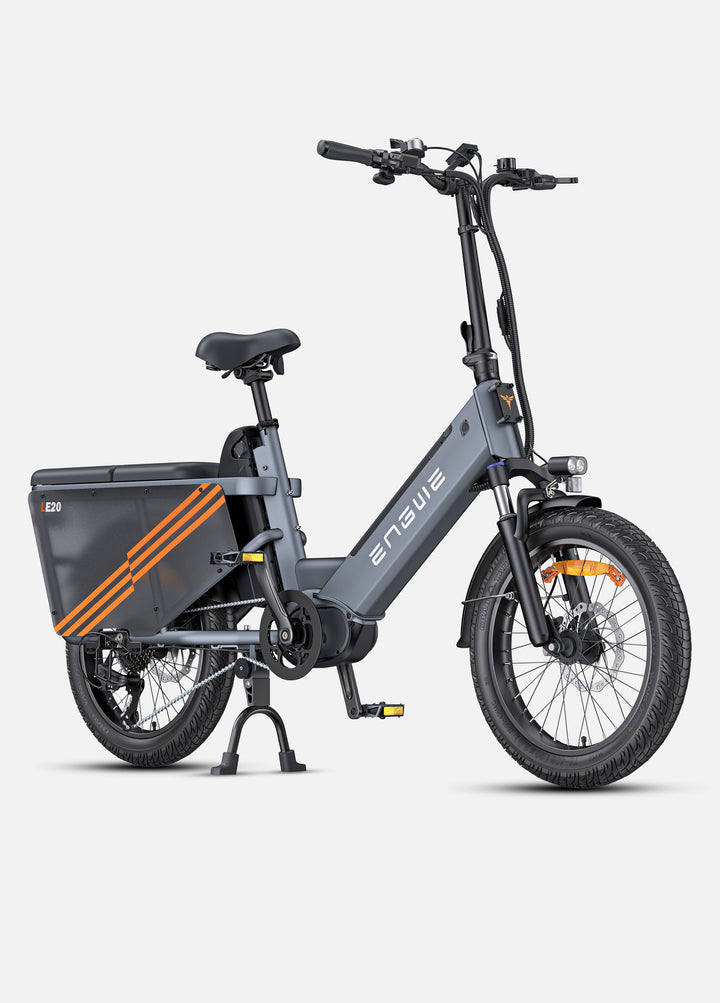
Choosing the perfect tire for an electric bike comes with a long-standing debate among riders: fat tire versus regular tire. Performance, comfort, handling, and energy consumption are impacted by this choice. Whether you are considering a fat tire electric bike for heavy off-roading or a thin electric bike tire for urban commuting, it is needed to understand how these two perform under different conditions.
This exhaustive guide weighs both electric bike fat tires and regular tires so you can choose which one suits your kind of riding.

Understanding Electric Bike Tires
Electric bike tires are manufactured to withstand the power and torque of an electric motor. They consist of reinforced sidewalls, thicker tread patterns, and puncture resistance, typically absent in regular bicycle tires. An e-bike weighs more and goes faster than a regular bicycle.
There are two types:
Regular Tires: A range of 1.75'' to 2.5'' in width; narrowly geared toward smooth roads and light trails.
Fat-Tires: From 3.8" to 5" wide and are geared toward snow, sand, gravel, and irregular roadways.
What Is a Fat Tire Electric Bike?
An electric bike with fat tires is constructed with tires broader than normal, which provide more ground contact area. The best fat tire electric bike, like ENGWE Engine X, provides improved grip and stability, especially on loose or rough terrain. More air volume in the tire also disperses shock more effectively, making the ride smoother for riders.
Benefits:
- Better traction in off-road conditions
-
Smooth ride on bad ground
- Ideal for sand, snow, and mud
Disadvantages:
- Slow and heavy acceleration
- Reduced battery range due to increased rolling resistance

Performance of Standard Electric Bike Tires
Regular e bike tire are lightweight, thinner, and more efficient for speed and distance travel. They're best suited for city commutes, paved paths, and light paths.
Advantages:
- Higher top speed
- Longer battery range
- Easier to pedal when motor assist is turned off
Disadvantages:
- Less traction on slippery or loose surfaces
- Decreased shock absorption over rough terrain
Electric Bike Tire Comparison Table
|
Feature |
Fat Tire Electric Bike |
Regular Electric Bike Tire |
|
Width |
3.8" – 5" |
1.75" – 2.5" |
|
Terrain |
Snow, sand, gravel, mud |
Paved roads, light trails |
|
Comfort |
High |
Medium |
|
Speed |
Moderate |
High |
|
Battery Range |
Lower |
Higher |
|
Stability |
Excellent |
Good |
When to Choose a Fat Tire Electric Bike
Use a fat tire electric bike if:
- You ride often on sandy beaches or snowy trails
- You prioritize comfort over speed
- Require stability in rough terrain
- You prefer adventure-style riding
Example Model: ENGWE X26 – One of the top fat tire electric bike models for 2025, with 26" x 4" tires for maximum all-terrain capability.

When to Opt for Standard Electric Bike Tires
Use standard electric bike tires if:
- You mainly ride in the city
- If you are more concerned about speed and efficiency
- You need maximum battery range
- If you want a lighter, more responsive bike
Maintenance Factors
No matter what type of electric bike tire you have, maintenance is the key to performance and safety. Fat tires are a bit more demanding because they run at lower air pressures (5-30 PSI) than normal tires (50-70 PSI).
Major Maintenance Tips:
- Check weekly tire pressure
- Examine for cuts, punctures, and wear
- Rotate tires when wear is uneven
If you ever question how to change the back tire of an electric bike, the procedure is simply to remove the motor cable, the axle nuts, and slide the wheel out. For the front tires, it is like on a regular bicycle. Learning how to replace an electric bicycle tire allows you to repair flats without visiting a shop each time.
Cost Differences
Fat tires and rims that are compatible with them cost more compared to regular tires. Also, electric fat tire bike tubes are more expensive to replace because of their size. In the long term, you will also pay a bit more for energy due to the increased battery usage by fat tires.
Pros and Cons Summary
Fat Tire Electric Bikes
Pros:
- Unique traction
- Smooth ride
- All-terrain travel
Cons:
- Heavy
- Poorer battery efficiency
Regular Tire Electric Bikes
Pros:
- Higher speed
- Lighter
- Increased range
Cons:
- Poorer grip on loose ground
- Rougher ride on rough ground
Maintenance & Seasonal Riding Tips
Maintenance Considerations for Electric Bike Tires
Regardless of whether you have a fat tire electric bike or a standard tire one, regular maintenance is a must for performance and safety. For electric bike fat tires, monitor air pressure often; low pressure leads to slow handling and uneven wear, whereas excessive pressure decreases the tire's natural shock absorption capacity. Fat tires operate at lower PSI (around 5–20 PSI) than regular e-bike tires, so always refer to manufacturer guidelines.
For stock e bike tire sizes, increased PSI (40–65 PSI on most commuter e-bikes) assists in sustaining speed and energy efficiency. Check the tread regularly for wear since thinner tires can lose traction more quickly, particularly in wet weather.
When acquiring skills for replacing an electric bike tire, keep in mind that fat tires might be heavier and harder to pull out, thus having a strong tire lever and support stand can make it easier. Likewise, when determining how to change an electric bike tire, disconnecting the motor cable with care is paramount to prevent damage to the wiring.
Seasonal Riding Considerations
Your electric bike tire selection may also depend on the climate you ride in. On snow or ice, a fat tire electric bike provides increased stability and avoids slipping, due to its greater surface contact. The top fat tire electric bike models tend to have knobby tread patterns that cut into loose surfaces, so commuting to work or off-road riding in winter is more secure.
Conversely, if you do most of your riding in hot, dry climates and the primary concern is speed, a standard tire configuration is frequently more effective. Smaller tires roll quicker and use less battery energy, so you can travel further on a single ride. City dwellers with smooth roads might appreciate the smoother, quieter ride on standard tires.
Conclusion
The choice between a fat tire e-bike and a standard-tire e-bike is based on your riding conditions and preferences. If you prefer adventure and stability, fat tires cannot be beat. If you value speed, range, and light weight, regular tires are the preferred choice.
Whichever you opt for, buying good electric bike tires will make your ride better, increase safety, and help your e-bike function at its optimum level. For those riders seeking versatility, fat-tire models such as the ENGWE X26 achieve a wonderful balance, demonstrating why it's rated as one of the top fat tire electric bikes on the market today.