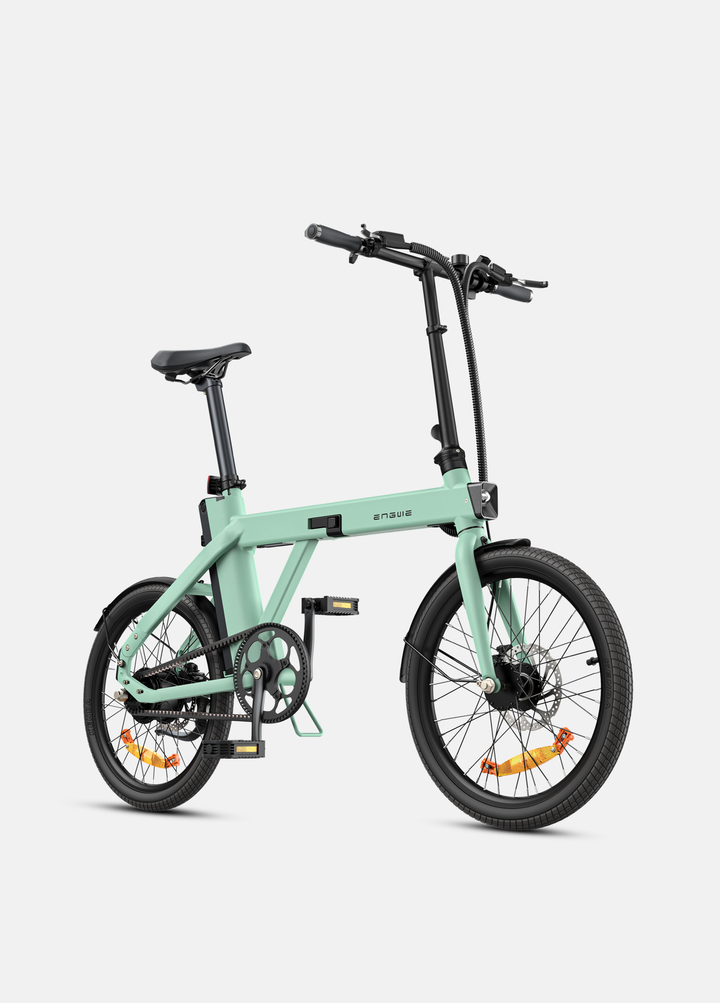
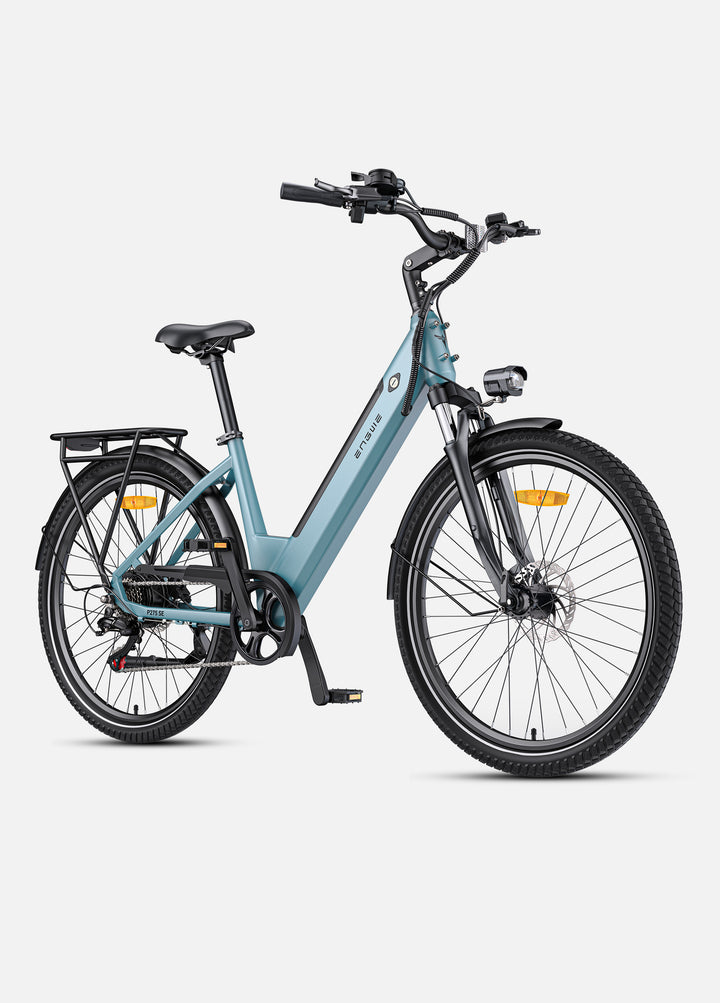
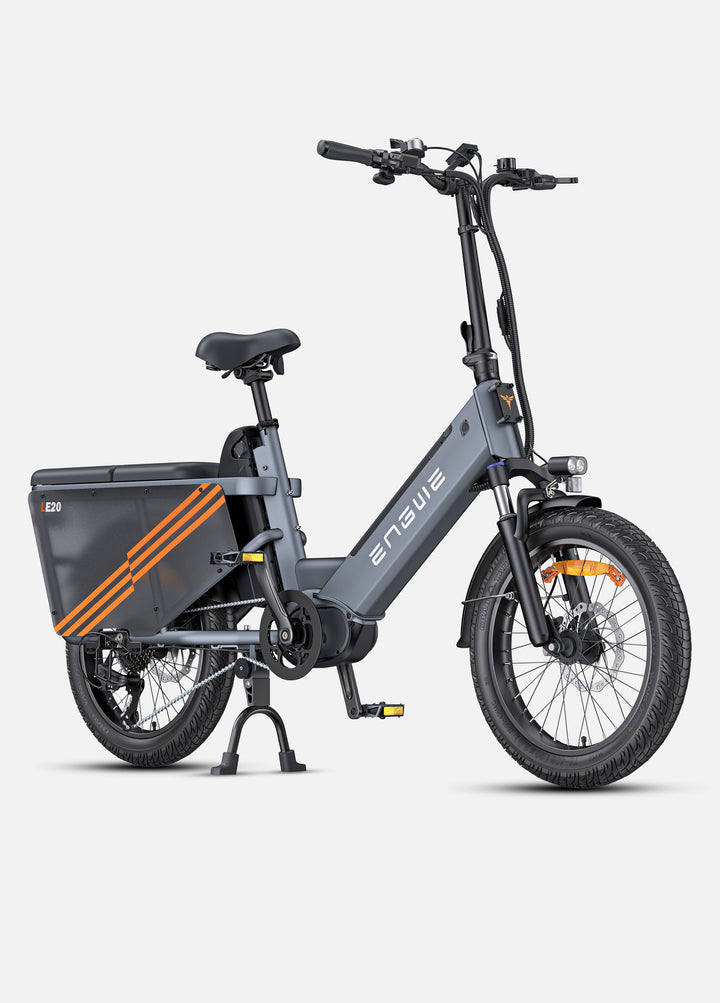
If you are thinking of purchasing your own e-bike or getting a replacement for one you already have, you could be wondering: how fast can an electric bike go?
It goes from the type of e-bike, terrain, motor assistance, and local laws. E-bikes are fashioned for comfort and efficiency, but speed is such a beautiful component of the experience, especially for those who love the thrill of the ride.
This blog post discusses electric bike speed with respect to different surfaces and what makes the fastest ebike.
Electric Bike Speed Limits: How They Work
Before talking about different terrain effects on performance, let us see how electric bikes are usually regulated:
Most countries have laws limiting e-bikes to a max-assisted speed of 28 km/h (15.5 mph).
Some e-bikes for off-road or private-property use may be allowed for higher speeds when the regulations permit it.
Usually, speed restriction comes from software and motor-design decisions, rather than actual capacity.
Hence, when one asks how fast can an electric bike go, it is important to determine whether one is referring to legal limits or a bike's full potential squarely without any restriction.

Terrain Makes the Difference: Speed Across Surfaces
Let’s discuss how fast can an electric bike go, as on the surface:
1. Flat Urban Roads
On urban city roads paved with asphalt, e-bikes attain their gliding and most efficient speeds. With little resistance, a good quality model will offer consistent performance.
Average assisted speed: ~25 km/h
Maximum speed without limitation (if available): Can go faster depending on motor and human effort.
Here is where the fastest ebike can really excel, particularly with pedal-assist modes that sustain the momentum.
2. Gravel Paths and Country Roads
Gravel terrain provides a balance of speed and terrain resistance. Suspension and traction are important in the ability to keep up speed.
Average speed: ~18–22 km/h
Equipped with a strong motor and wide tires, such as those on ENGWE models, the riders are still able to achieve great speed but with stability.
3. Off-Road and Trail Riding
When riding uphill or over rough forest trails, speed will decrease as resistance from the terrain increases. But the fun never gets to slow down.
Average speed: ~15–18 km/h, depending on slope and obstacles
A quality full suspension e-bike will assist in preserving speed by cushioning shocks and enhancing control.
4. Uphill Climbs
Hill climbs are where motor assistance is most beneficial. E-bikes that weigh less and mid-drive motors are better suited for these conditions.
Average uphill speed: ~12–16 km/h
While slower, the saved effort and eased climbing make the experience much more pleasant than a conventional bicycle ride up a hill.
5. Downhill Descents
This is where gravity comes in and most riders see their speediest moments.
Average speed: Can be over 30 km/h, depending on the incline
On the way down, the motor will usually turn off or provide little assistance, and safety and control are governed by the bike's frame, tires, and brakes.
The Fastest Ebike Features: What Sets Them Apart?
If you're on the hunt for the fastest ebike, here are some features to look out for:
-
High-performance motors (within legal parameters or off-road configurations)
-
Robust frame construction for stability at high speeds
-
Lightweight yet efficient battery systems
-
Sophisticated pedal-assist systems with multiple speed options
-
Full suspension for a better ride on any terrain
ENGWE bikes like the ENGWE Engine Pro and ENGWE X24 are great examples of high-performance models that are made both for power and control.

How Fast Can an Electric Bike Go Legally
As previously stated, the majority of electric bikes have a legal road limit of 25 km/h for use in Europe and other countries. This is for the safety of the riders and to abide by traffic regulations.
When riding on private property or off-trail zones where such higher speeds are permissible, riders can experience significantly more particularly if they opt for an electric mountain bike or performance e-mtb.
Remember, no matter how fast an electric bike can go; safety should always come first. High-speed e-biking requires quality gear, proper knowledge, and attention to surroundings.
ENGWE’s Top 5 Electric Bikes for Balanced Speed and Control
While we’re talking about speed, it’s worth exploring the top 5 electric bikes in the ENGWE lineup, each designed for reliable performance on different terrains:
|
Model |
Best For |
Key Features |
|
ENGWE X26 |
Off-road & long trails |
Full suspension, fat tires, rugged design |
|
ENGWE Engine Pro |
Daily commuting & hills |
Foldable, stable, responsive handling |
|
ENGWE X24 |
All-terrain flexibility |
Compact fold, strong suspension |
|
ENGWE L20 |
Comfort cruising |
Step-through frame, upright seating |
|
ENGWE T14 |
Short urban rides or teens |
Lightweight, compact, beginner-friendly |
These models might not be the quickest electric bikes when it comes to pure speed, but they provide the perfect combination of power, safety, and comfort, making them the best options for real-world riders. Visit ENGWE official page to know more about how fast can an electric bike go.
How Quick Can an Electric Bike Travel with Pedal Assist?
Pedal assist contributes greatly to the total electric bicycle top speed. Based on the level of assistance, riders are able to:
-
Hold speeds at high levels with little effort
-
Save battery life on longer rides
-
Add range and comfort
At higher assist levels, even occasional riders can ride easily at 20–25 km/h on level ground. It's the best way to remain active while still having a boost when needed.
So, how quickly an electric bike can travel also relies on how hard you pedal and in which assist mode you ride.

Final Thoughts
So, how fast can an electric bike go? The short answer: it depends on terrain, model, and motor support, but in most cases, you’ll see speeds of 15–25 km/h on average, with some bursts beyond that depending on the situation.
Electric bicycle top speed varies by model and terrain, offering a balance between performance, safety, and rider comfort. The secret is striking a balance between performance and safety. A thrill-seeker or a commuter looking to shave minutes from their ride, ENGWE bikes provide smooth, thrilling rides designed for every type of rider.
City streets or hilly terrain, enjoy the pleasure of e-biking at your pace, fueled by ENGWE.