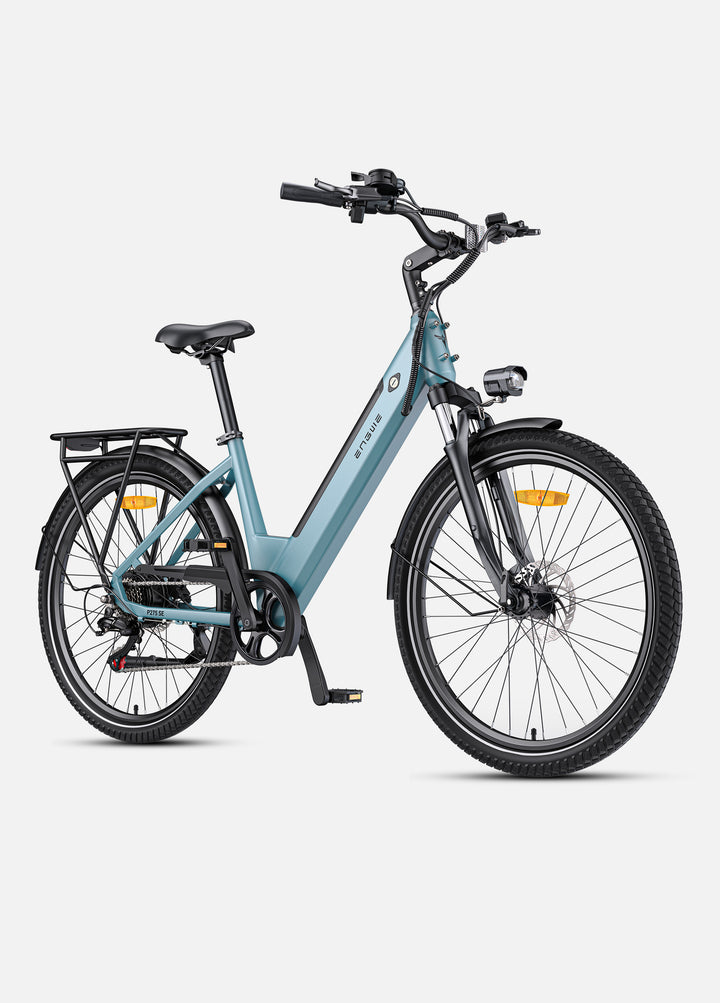
When looking for a cargo ebike, you'll likely come across folding and front cargo ebikes. Both designs have their own perks that suit different lifestyles and riding styles. Knowing the differences will help you figure out which cargo ebike is right for you. This article will help you make an informed decision.

Understanding Folding Ebikes
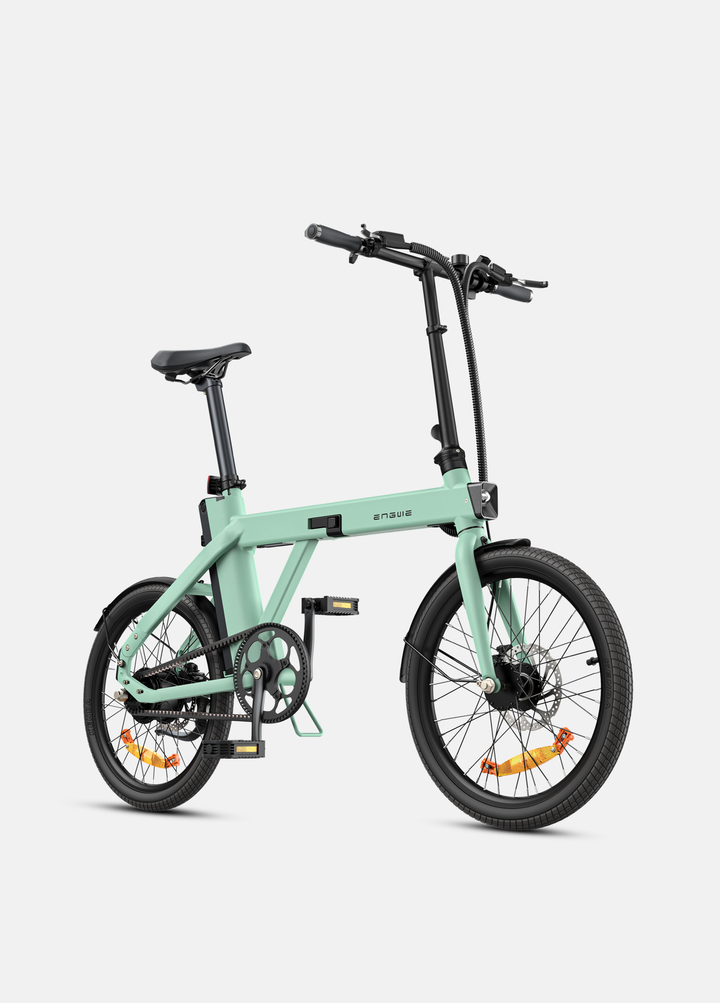
Folding ebikes represent the pinnacle of portability and convenience in electric transportation. These compact electric bikes feature hinges and joints that allow them to collapse into a smaller size, making them ideal for urban commuters with limited storage space. One popular choice is the Aventon Abound cargo ebike, known for being compact and having plenty of cargo space. The best folding e-bike models, like those from ENGWE, combine intelligent engineering with electric assistance to deliver remarkable versatility.
Folding ebikes represent the pinnacle of portability and convenience. These compact electric bikes feature hinges and joints that allow them to collapse into a smaller size, making them ideal for commuters. Models such as the Lectric XPedition cargo ebike have gained attention among urban riders. The best folding ebike models, like ENGWE EP-2 Boost, combine intelligent engineering with electric assistance to deliver remarkable versatility.

What Makes Front Cargo Ebikes Different
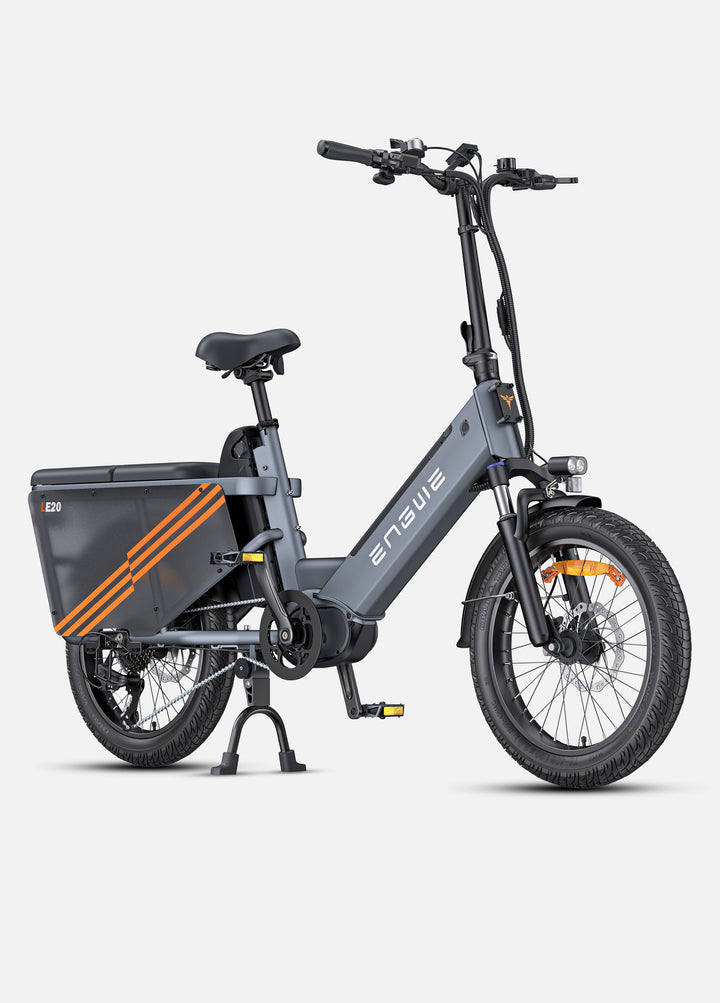
Front cargo ebikes have a big cargo space right up front, between the handlebars and the wheel. This electric cargo bike design puts the load where you can see it and get to it easily. That's why these bikes are a hit with families and businesses.
The ebike with cargo design has several benefits when it comes to hauling bulky items. Unlike rear-loading systems, having cargo up front gives you a clear view of what's being transported. ENGWE's line of cargo ebikes includes models like the ENGWE L20 Boost that are specifically designed for front-loading, giving families a practical alternative to cars. Some families like the practicality of going with an XPedition dual-battery cargo ebike.

Portability and Storage Considerations
One of the biggest advantages of folding ebikes is their portability. You can easily stash them under your desk or take them on public transportation. The best foldable electric bikes usually weigh light enough for most people to lift for short walks.
Cargo ebikes are pretty much the opposite; they go for functionality over being easy to carry around. This means they tend to be heavier, thanks to their cargo systems. That makes them a bit of a pain to store or carry. On the other hand, they're highly practical for daily transportation needs.

Cargo Capacity and Family Transport
Families can't go wrong with an electric cargo bike. It can hold around 350-440 pounds of people, gear, and whatever else you need to bring along. The best cargo ebike for families often has extras like child seats and covers to keep everyone dry.
Front cargo ebikes allow parents to keep an eye on their children and chat easily during rides. These bikes often have special seating areas for up to four kids. The best family e-bikes in this category frequently come with extras like built-in turn signals and better brakes.
Folding ebikes aren't suited for heavy loads, but you can still attach light stuff to the back. Their real strength is in carrying individual riders.
Performance and Riding Experience
Both bike types perform pretty differently. Class 3 cargo ebike models can hit speeds of up to 28 mph, which makes them great for longer distances. These bikes usually have powerful motors, typically ranging from 250W or more.
Folding ebikes usually have smaller power systems. They can go as fast as other ebikes, but their smaller batteries and compact design mean you might not get as far as you would on bigger cargo bikes. On the other hand, this compromise makes folding ebikes really portable.
Fat tire cargo ebike options offer some extra perks for riding on different types of terrain. Wider tires give you more stability, which is really helpful when hauling heavy stuff.

Urban Commuting vs. Family Transportation
For city workers on the go, folding ebikes make a lot of sense. They can be stored easily and weave through crowded city streets. The best folding electric bike can turn a stressful commute into a breeze.
Families may prefer an ebike cargo model. Some models are designed with electric bicycle 2 seater setups that let parents safely take their kids along. Plus, these bikes can easily handle your weekly grocery shopping and fun family outings.
ENGWE's Solutions for Both Categories
ENGWE has some great choices in both categories. Their folding ebike collection is worth checking out, with models like the ENGWE L20 3.0 Pro and ENGWE Engine Pro 2.0. These bikes have 250W motors and can go a long way.


On the other hand, the ENGWE LE20 is designed with practicality in mind, featuring cargo space at the front and smart details like torque sensors. And with 75Nm of torque, this bike can handle its load with ease.

Cost and Maintenance Considerations
Folding ebikes are often cheaper than cargo bikes because they have a more straightforward design. But the folding parts need to be taken care of regularly. The extra joints and hinges can be prone to wear and tear.
Cargo ebikes cost more upfront, but they often pay off. They're built tough, which means they don't require a lot of maintenance. And since they can replace multiple car trips, families can recoup the higher cost.
Safety and Regulatory Aspects
Both bike types need to follow local e-bike rules. Class 3 cargo ebike models that go faster may have some restrictions on certain bike paths. Furthermore, cargo bikes often come with safety features that make them great for families.
Folding ebikes are lighter and easier to handle, but might be tough to handle thanks to their foldable parts. That being said, newer designs have pretty much fixed these issues.

Making Your Decision
To choose between a folding cargo ebike and a front cargo ebike, think about how you'll be using it most. If you're commuting in the city, a folding ebike is a great choice. These bikes are perfect when space is tight and you just need a reliable way to get around.
Families needing to haul a lot of gear or replace their cars should look into front cargo ebikes. These bikes have built-in cargo systems that offer a ton of practical uses for getting around. The best cargo ebike for families should have good safety features and enough power to handle heavy loads.
When deciding, think about where you live and what you'll mainly use it for. Both options offer great electric assistance and can really make a difference in how you get around.
Frequently Asked Questions
Q: Can folding ebikes handle cargo like groceries or work bags?
Most folding ebikes can handle light to moderate cargo using rear racks or ebike cargo trailer attachments. But let's be real, they can't hold as much as cargo ebikes can. If you want to carry more, your best bet is an ebike with cargo rack system.
Q: Are front cargo ebikes safe for transporting children?
Front cargo ebikes are typically a safe bet for transporting kids. Having the kids up front means you've got a constant eye on them. Plus, these bikes often come with extras like safety harnesses.
Q: Which type offers better value for families?
Families who need to haul kids and gear around often find that cargo ebikes are the way to go. They can take the place of a lot of car trips.
Q: Can I take a folding ebike on public transportation?
Most folding ebikes are allowed on public transportation when folded. Check the local policies first to avoid any issues. They're usually fine on buses and subways where bikes are permitted.
Q: What's the difference between a class 3 cargo ebike and a regular cargo ebike?
A class 3 cargo ebike can hit speeds of up to 28 mph with some pedaling help. Designed for speed, class 3 bikes are great for commutes. However, their higher speeds might mean they're not allowed on certain bike paths.