The right ebike helmet can be a lifesaver, literally. And, with more people hitting the roads on electric bikes, the decision between full-face and visor-style helmets is a big one. It all comes down to what works best for you and where you ride.
Today, we take a closer look at two main styles, weighing up their pros and cons and how they work in real-life situations. You'll also find out about what you need to look out for and the laws you need to follow.
Understanding Ebike Helmet Requirements
Electric bike safety has improved a lot over time. One thing that sets ebikes apart from regular bikes is their speed - especially Class 3 models. This extra speed makes it even more important to wear a helmet that's designed for higher speeds.
The ebike helmet industry has taken into account the unique risks of electric bike riding. These helmets have better impact protection and meet advanced safety standards that are specifically meant for higher speed cycling.
Safety standards like NTA 8776 have been developed specifically for ebike helmets. These standards require rigorous testing and better protection. They specify more coverage for the temples and the back of the head.

Full-Face Ebike Helmets: Maximum Protection
A full face ebike helmet is the ultimate in protective headgear. These helmets give you complete coverage of your head, chin, and jaw, essentially wrapping a protective shield around the most vulnerable parts.
Advantages of Full-Face Design
The chin bar that's built into these helmets does a great job of safeguarding your jawline and lower face. Studies have shown that riders who wear full-face helmets with working visors get hurt a lot less on the face.
The design of an ebike helmet full face helps make rides at higher speeds way more comfortable. The helmet's enclosed design also shields you from debris and bugs that can be a risky distraction.
Another major benefit of full-face helmets is that they distribute the force of a hit more evenly. Plus, the solid design of the shell gives you extra protection against objects penetrating it and crushing forces.
Limitations of Full-Face Helmets
Full-face helmets also have some downsides. One major issue is limited peripheral vision, which can make it tough to keep an eye on traffic. The chin bar and visor can also create blind spots, which can be a safety concern in urban areas.
Weight considerations also factor into the decision. Full-face helmets typically weigh more than their open-face counterparts. The enclosed design can also make them less comfortable in warm weather conditions.
Communication can be tough with full-face designs. This is a problem when riding in groups or relying on hearing what's going on around you.
Ebike Helmet with Visor VS. Helmet with Visor: Balanced Protection
An e-bike helmet with a visor strikes a balance between protection and comfort. These helmets come with visors that shield your eyes and upper face. The visors are either built in or removable, so you still get the benefits of a traditional bike helmet's open design.
Benefits of Visor Design
Visor-style helmets are great for giving riders a clear view. This extra visibility really comes in handy in cities where traffic is always changing.
The open design of this helmet does a great job of circulating air. It's got multiple vents to pull in and push out air, so you don't get that dreaded heat buildup.
Communication advantages include easier conversations with other riders and a better ability to pick up on traffic sounds. The open face design also makes it easier to use your phone or other devices.
Visor Helmet Considerations
Visor helmets are great, but they don't offer as much protection as full-face helmets. The chin and jaw areas are left exposed, making them more prone to injuries in crashes.
This helmet doesn't offer the same level of weather protection as full-face designs. The visor shields your eyes, but you're still exposed to wind, rain, and other elements.

Recommended ENGWE Ebike Models
ENGWE has some fantastic electric bikes that work great with either type of helmet. One of their top models is the ENGWE EP-2 Boost that'll get you up to 120km on a single charge. That's a big plus for riders who love going on long adventures. Plus, it is all-terrain, so if you plan on taking it off-road, a full-face helmet will pair up well with it.

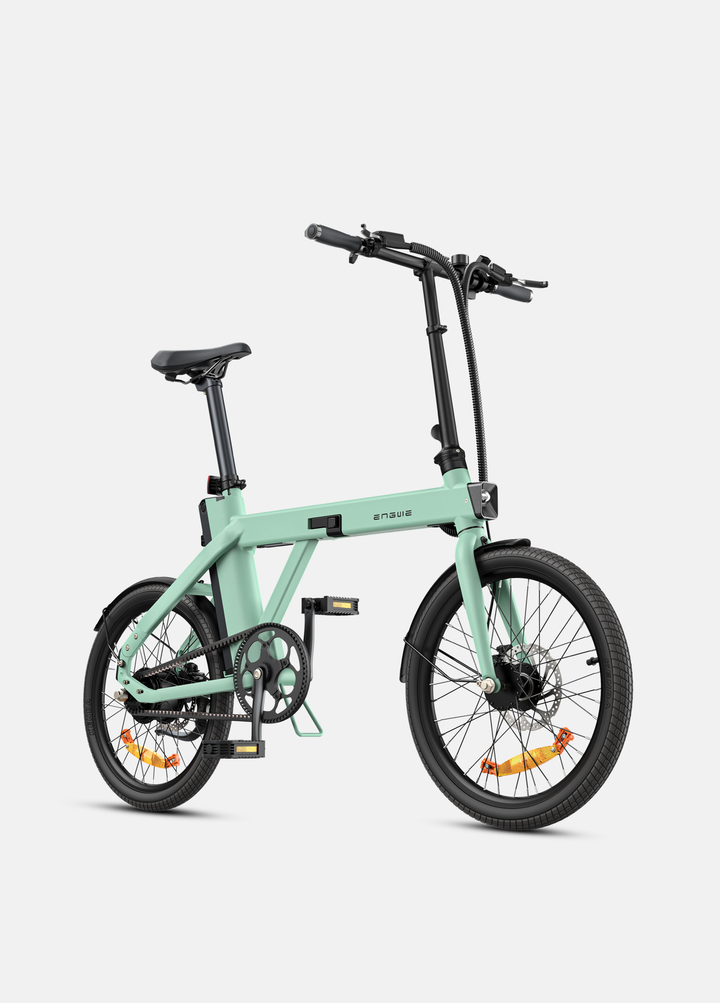
The ENGWE Engine Pro 2.0 puts out a lot of power, making it great for outdoor adventures. This level of performance is exactly where Class 3 ebike helmet safety standards come into play. Plus, the bike folds up, which is perfect for people who need to take their bike on multiple forms of transportation.

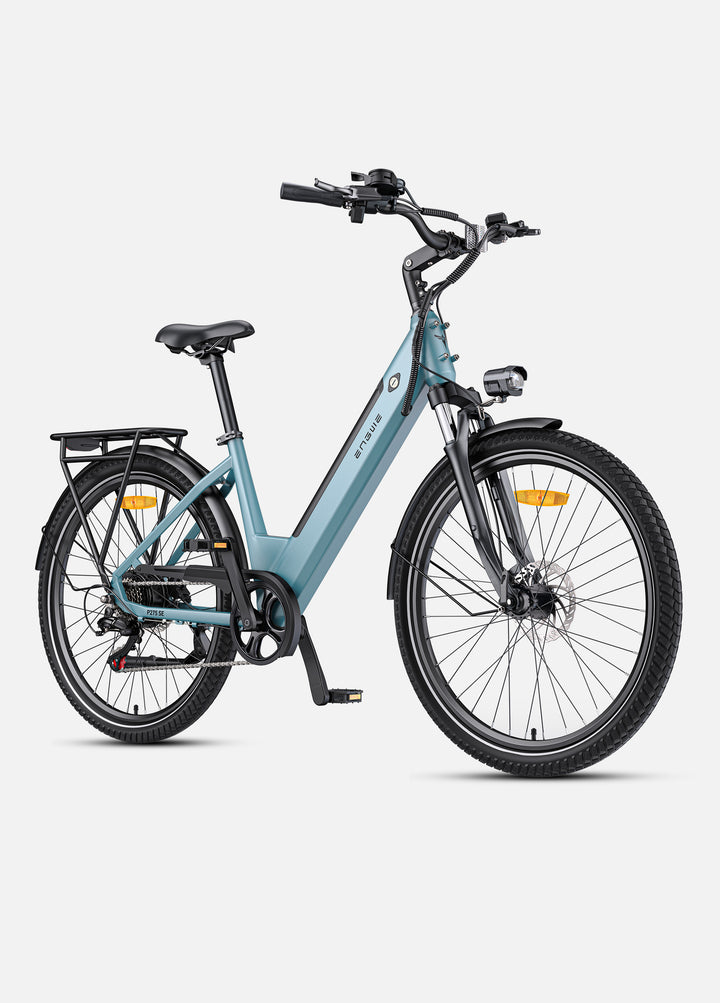
The ENGWE P275 Pro packs a 250W Bafang mid-drive motor with 65NM of torque. The step-over frame is also a big plus for riders who want a more comfortable, accessible ride.

Safety Standards and Certifications
The best ebike helmet picks need to meet tough safety standards. These standards are key to helping riders choose the right protection.
NTA 8776 Certification
The NTA 8776 standard is the gold standard for ebike rated helmets. This certification, which comes from the Netherlands, tests helmets for impacts at speeds of up to 45 km/h. Helmets that pass this standard can absorb more energy when you hit the ground.
Traditional Safety Standards
The NTA 8776 is all about ebike safety, but older certifications like CPSC and SNELL still set some useful safety standards. The thing is, these standards were made for bikes that don't go as fast, so they might not cover all the risks.
The best helmet for ebike use should meet both regular bike standards and e-bike-specific certifications. This way, you'll get protection in all kinds of situations.
Legal Requirements and Regulations
The question "Do you have to wear a helmet on an ebike?" varies depending on where you live and what kind of ebike you have. Some places have laws that require helmets for electric bike riders, especially if you're riding a Class 3 ebike.
United States Regulations
Class 3 ebike helmet rules vary by state, with California requiring a helmet for all Class 3 riders. Some states focus on younger riders or certain types of ebikes. Laws are changing as more places acknowledge the special safety needs.
European Standards
In Europe, helmets are usually required for speed pedelecs. Standard ebikes, though, are treated more like traditional bikes. These rules typically say that the helmet for ebike needs to meet safety standards.

Choosing the Right Style for Your Needs
When deciding between a full-face helmet and a visor, several factors come into play. For example, if you ride in the city, visibility and being able to talk to others might be your main concerns. But if you're hitting higher speeds, you'll probably want a helmet that offers optimal protection.
Urban Commuting Considerations
Helmet designs like visors give riders a clear view and allow them to hear the traffic around them. Seeing what's going on beside you can be a lifesaver in busy city streets. On the other hand, cities can be accident hotspots, so some riders might prefer full-face helmets.
High-Speed Riding Requirements
Riders of Class 3 ebikes who hit speeds of almost 28 mph should think carefully about wearing full-face gear. The faster you go, the greater the risk of serious injury. That's why protecting yourself is more important than being able to easily talk or see unobstructed views.
Making Your Final Decision
Full-face or visor helmet - what's the best choice? It comes down to your riding style and safety needs. If you're hitting high speeds, go with a full-face helmet. But for those casual urban rides, a visor helmet might be the better pick.
Picking a good ebike helmet is one of the most crucial safety calls you'll make. No matter the style, make sure it's certified safe and fits just right.
Frequently Asked Questions
What type of helmet is best for Class 3 ebikes?
Full-face helmets and those with NTA 8776-certified visors are the safest choice for Class 3 ebikes. They're made to withstand impacts at speeds of 28 mph.
Are ebike helmets different from regular bike helmets?
The best ebike helmet designs take into account the higher speeds and different types of crashes, compared to regular bikes. Ebike-rated helmets often have extended protection and certifications like NTA 8776 that focus on the specific safety needs of ebike riding.
Do I need a special helmet for my ENGWE ebike?
Using a helmet designed for your ENGWE ebike is a good idea, even if it's not required by law everywhere. Helmets that can handle the performance of models like the ENGWE EP-2 Boost and ENGWE Engine Pro 2.0 offer the best protection.
Is a visor helmet sufficient for ebike safety?
A good visor helmet that meets the right safety standards can protect you pretty well. But if you go over 20 mph a lot or ride in rough conditions, you should think about a full-face helmet.
What safety certifications should I look for in an ebike helmet?
When it comes to protecting your ebike, NTA 8776 certification is the way to go. CPSC and EN 1078 are good starting points, but they don't necessarily cover everything you need.