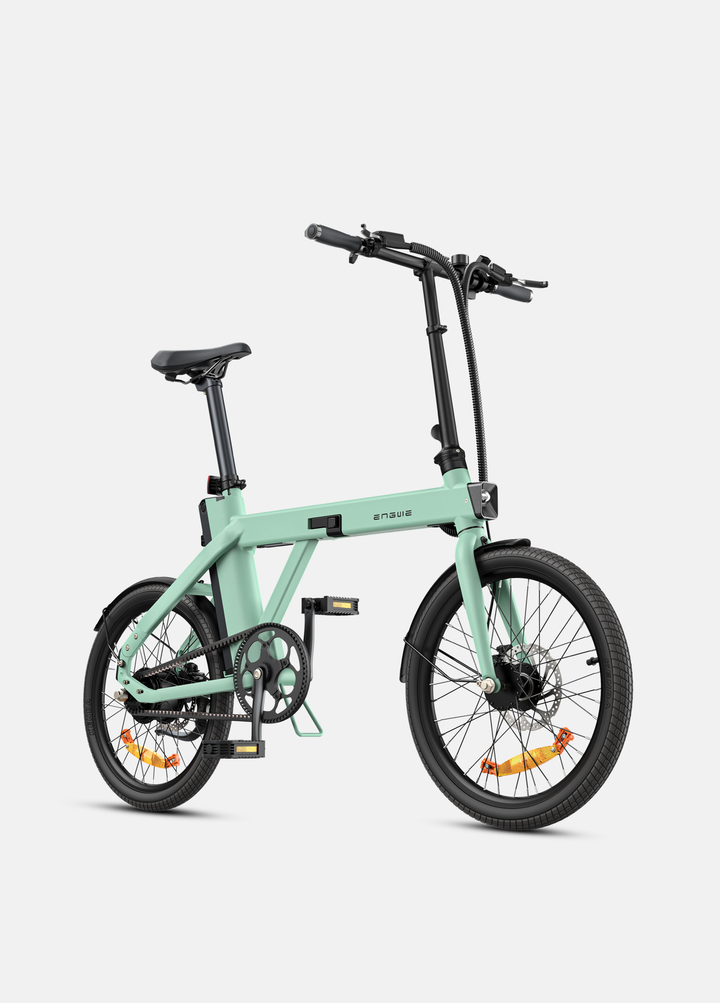
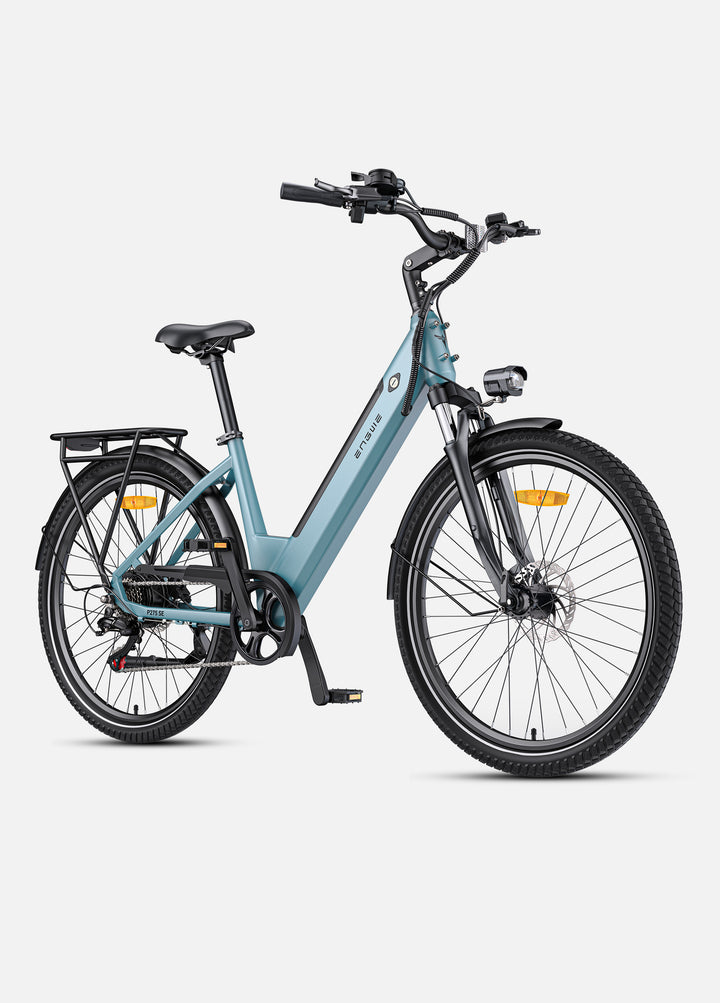
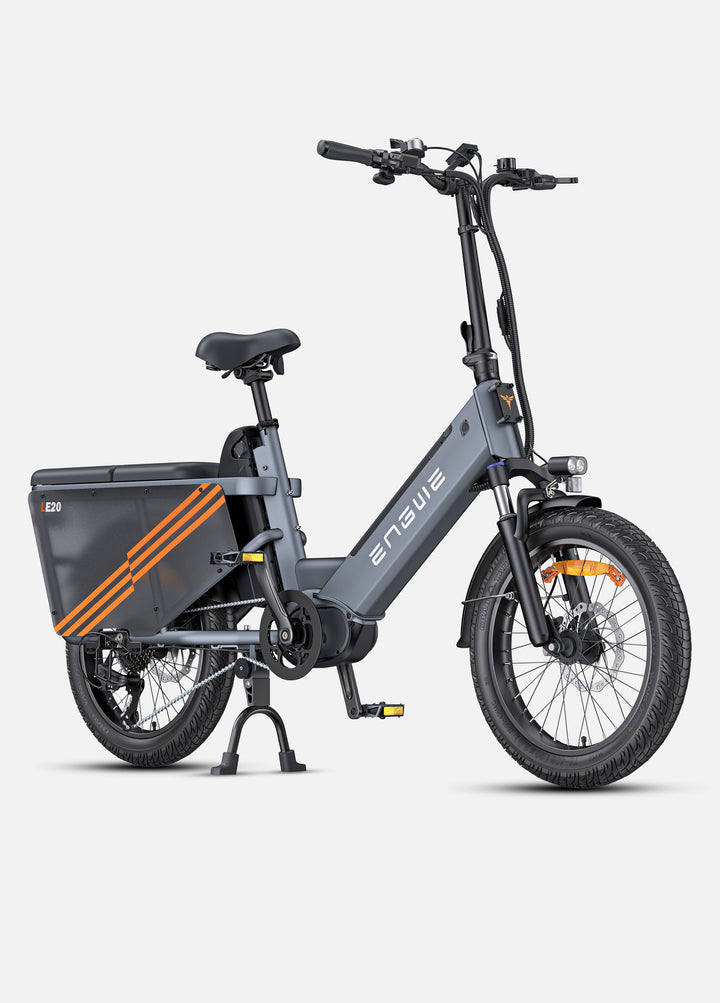
An e-bike is technically just a bike with an electric motor and rechargeable battery that assists you in pedaling. You can ascend hills, go farther and feel less sweaty with a twist of the throttle or even a glide with the pedal-assist sensors without missing out on exercise and fresh air. Have you ever looked at a sleek-looking electric bike and thought, 'I'd like to try this myself'? Think how good it would feel to ride a machine you put together, custom-fitted to your style. This guide provides step-by-step instructions on how to build an e bike from scratch and maintain it for several years with minimal hassle. We’ll cover:
What is an electric cycle? Open the necessities.
Which e-bike components do you require and where can you get them?
how to build an e bike, a motor, and wiring.
Tips for long-lasting ebike maintenance and battery tips.
Safety gear fundamentals, such as the finest electric bike helmets.
In the end, you will not only learn how to assemble an electric bike, according to your needs, but also how to keep it in such condition that every step will make you feel like you are on a new one. Take off? Where do we begin?
What Is an Electric Cycle and Why Build One?
What is an electric cycle? An electric bicycle, also known as an electrically assisted pedal cycle, is a conventional bike equipped with a motor and battery to provide extra energy when riding.
You still pedal, not like on a scooter, but the motor just lets you handle those hills and headwinds.
So why DIY?
-
Customization: Make a decision based on your riding style, motor power, and battery capacity.
-
Cost Savings: High-quality e-bike parts are often more expensive when purchased individually as a complete unit. You can save money by buying parts and assembling them yourself.
-
Learning Curve: Manual assembly educates you on the components of an e-bike, allowing you to problem-solve more quickly and service it more effectively.
You are a tinkerer, or you just want the bragging rights; understanding how to build an e bike gives you the freedom to take a collection of parts and turn them into a ride you enjoy.

Which E-Bike Components Do You Need?
Collect these necessities before getting into the assembly:
-
Frame: Regular bicycle with a frame or an e-bike custom frame.
-
Motor: Hub-drive (on the wheel) or mid-drive (at the crank).
-
Electric bike battery: The power line or source of energy, which is measured in watt-hours (Wh).
-
Controller: The brain that controls the delivery of power between pedal/motor throttle-sensing and the motor.
-
Display & Sensors: Optional display console to indicate the speed, battery level, and enable change of modes.
-
Throttle/PAS: a handlebar throttle or, more commonly, a pedal-assist sensor to engage the motor.
-
Drivetrain: Chain or belt drive, gears, and cassette are commonly used components in bicycle drivetrains.
-
Brakes & Tires: Duty duty disc brakes and puncture-resistant tires to supplement additional weight.
-
Electric bike helmets: Safety equipment that is built to travel at higher speeds and weights.
Ordering quality components, early preconditions, easy assembly, and long-lasting e-bike maintenance.
How to Build an e Bike: Frame Preparation
1. Choose your Frame
An aluminium or a heavy steel frame is most suitable. If a hub motor is used, look for frames with reinforced rear dropouts.
2. Mount-Mock the Motor
-
For hub motors, the motor wheel should be inserted into the dropouts. Ensure that the axle seats fit tightly and the wheel is aligned.
-
For mid-drive motors, follow the manufacturer's instructions and tighten to the required torque.
3. Drill & Reinforce
If your frame does not have pre-drilled holes (to install batteries/wiring guides on it), take your time to drill, after carefully marking the spots. Distribute stress by using fender washers or reinforcement plates.
The frame is complete, so all that's left is to grab yourself an up-and-running electric drive.
How Do You Install the Motor and Battery?
1. Motor Mounting
-
Hub-Drive Motor: Slide the axle down into the dropouts and secure it with heavy-duty nuts, tightening to the specified torque.
-
Mid-Drive Motor: Remove the crankset, insert the motor assembly, and secure the mating chainring and cranks in place.
2. Electric Bike Battery Placement
-
Rack-Mounted Batteries: Mount to the rear rack for easy removal.
-
Downtube Batteries: These batteries must be slid into a screw-on mount on the downtube, which places the weight in the center.
-
DIY Mounts: Fixed using bolts or heavy Velcro straps, no movement is needed.
Pro tip: Charging and discharging the electric bike battery to a range of 20-80% will increase its lifespan, degrading only 2.5% per year, or approximately 5-8 years of useful life.

How to Wire the Controller and Display?
-
Controller Placement: Mount with the battery, well away from water and shock exposure.
-
Main Power Cables: Battery positive to controller positive and negative to controller negative -no loose strands allowed.
-
Throttle & PAS: Connect the plug throttle and pedal-assist sensor wire to the controller connection pins.
-
Motor Phase and Hall Wires: These must match exactly in color/phase, or this could kill components.
-
Display: Put the display cable along the frame to the handlebars. Solidly fastened together using zip ties, without sharp turns.
A well-wired job is not just visually appealing; it also maintains signal integrity, making future e-bike maintenance easier.
How to Build an e Bike Drivetrain: Chain vs. Belt
-
Chain Drive: Zip installation, replaceable, and compatible with the vast majority of the gears. Chains on e-bikes should be lubricated and checked more frequently due to the increased torque.
-
Belt Drive: less noisy and cleaner (no oil), and less maintenance. Look at fraying-change as the manufacturer ( typically 3,000-5,000 miles ).
Chain Maintenance Practice
-
Weekly: Clean the chain, apply approximately three drops of lubricant, and wipe off any excess.
-
Monthly: Apply a chain-wear tool and change it at 0.5-0.75% wear to safeguard cassettes and chainrings.
How Do You Choose the Right Tires and Brakes?
1. Tires
-
Select tires designed specifically for e-bike use, featuring sidewall reinforcement and enhanced puncture protection.
-
Normal pressure:50-70 psi. Make sure before each ride.
2. Brakes
-
Hydraulic Disc: Provides reliable braking in any conditions, making it a perfect fit for e-bikes that are heavier and faster.
-
Mechanical Disc: Simpler DIY changes. Squeeze levers - firm engagement. If squeaky, spongy, or noisy braking occurs, then a bleed or replacement of the pads is necessary.
Check pads, rotors, and calipers regularly; larger e-bikes should have pad replacement before the rotors are worn out.

How to Build an Electric Bike: Safety Gear You Can’t Skip
Electric bike helmets are not an option because a well-built e-bike can reach speeds of 20-28 mph. A study conducted in 2025 revealed that using inflatable helmets instead of conventional foam ones could prevent 44 percent of brain injuries. Find e-bike helmets rated with MIPS or other impact systems
Additional gear:
-
Visibility reflector or lights
-
Padded gloves to lessen hand fatigue.
-
Knee and elbow pads in case you intend to do some serious off-road or city riding
Final Thoughts: Keeping Your Ride Rolling Smoothly
Assembling your e-bike removes the mystery behind electric mobility, providing you with a vehicle of your own. It takes work to get the e bike components, learn how to build an e-bike, and have the discipline to follow a schedule of e-bike maintenance, but you will get more miles out of the vehicle, pay less to repair it, and give yourself a lot of grins on the road.
You have learned how to build an e bike step by step, from the core components to the final assembly, including what an electric cycle is, selecting high-quality e-bike components, installing motors and batteries, wiring controllers, and fine-tuning drivetrains. You also discovered the value of safety equipment, such as electric bike helmets, and gained important information on maximizing your electric bike's battery life.
FAQs
Q: Can I convert my existing bicycle?
A: Yes, there are conversion kits, in particular hub-motor kits. Verify that your frame dropouts and wheel size are compatible with this kit.
Q: Is building an e-bike safe?
A: Yes, provided you take time to follow wiring diagrams, use the correct torque settings, and test every system in turn, before your first ride.
Q: How long does assembly take?
A: As a novice, plan around 8- 12 hrs. Skilled builders can complete the task within 4-6 hours.